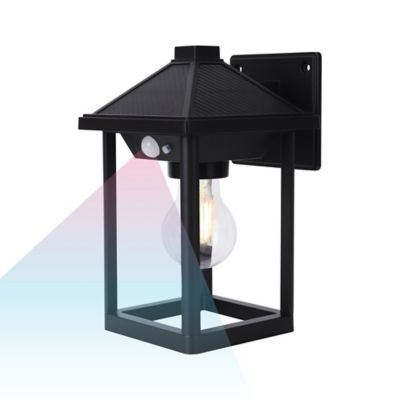
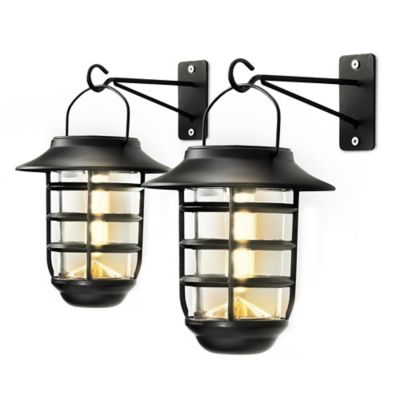
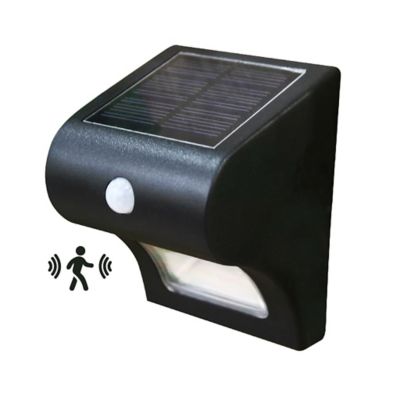
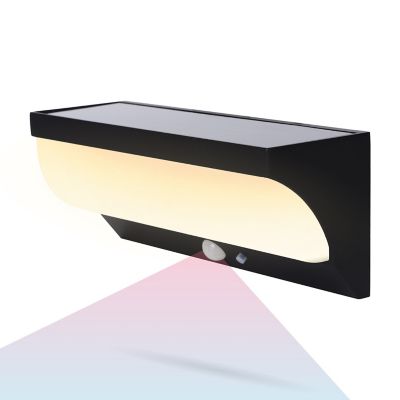
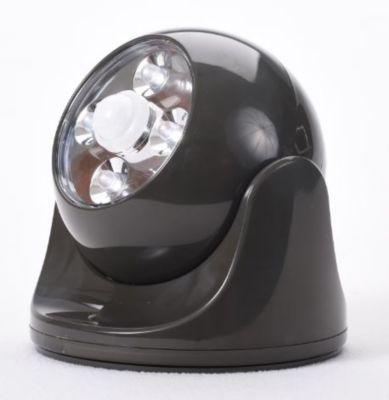
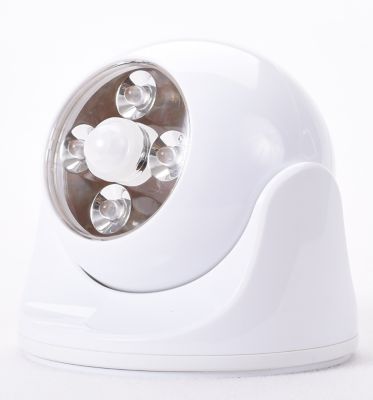
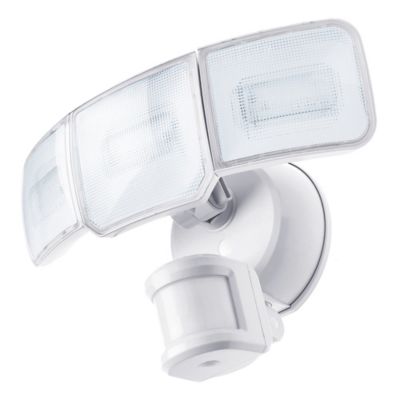
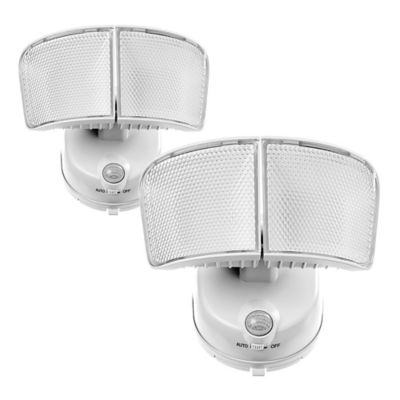
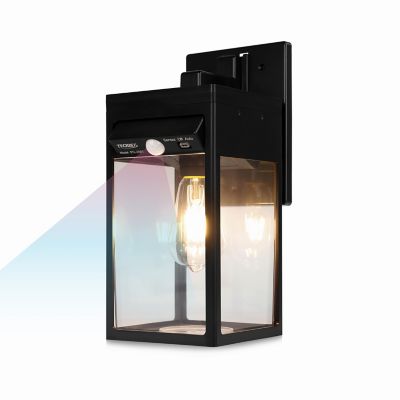
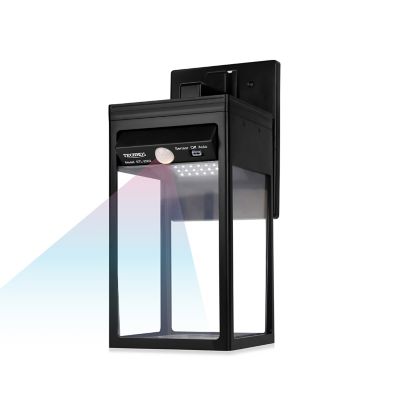
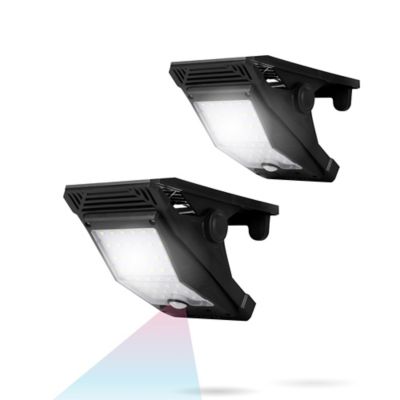
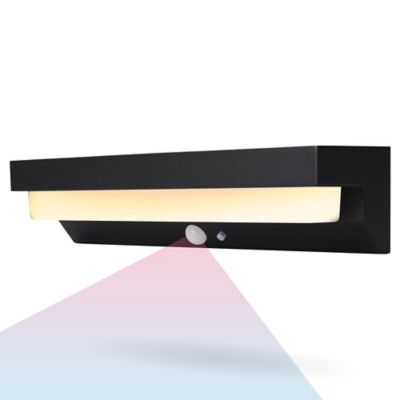
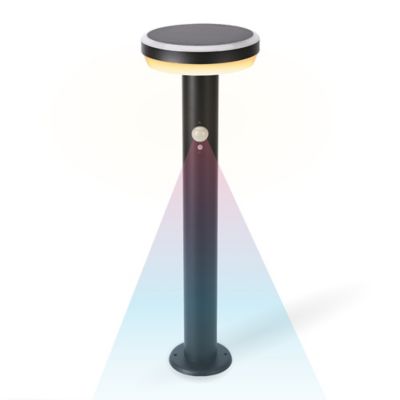
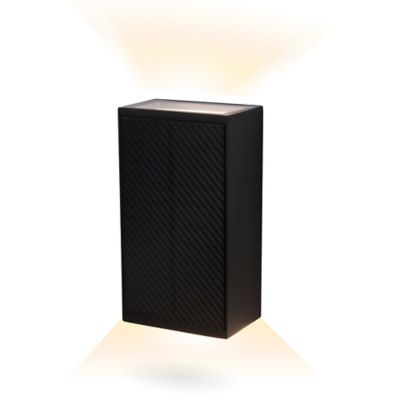
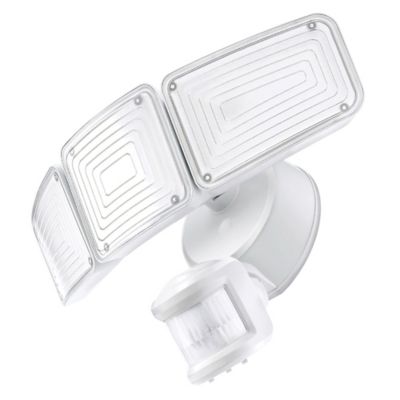
Motion sensor porch lights help make the trip from the driveway to the front door a little easier when hands are full of grocery bags, work gloves or a sleeping youngster. Rather than leaving an entry light burning all night, motion-activated fixtures can bring light to the porch when someone approaches, then switch off after a set interval. That makes them a practical fit for front steps, side entrances and the back door that gets most of the traffic after chores. The right light gives a clearer view of the doormat, door hardware and any change in footing without making the whole front of the house feel like a parking lot. Wall-mounted lanterns bring a familiar look beside an entry, while more compact fixtures suit narrow spaces between a door frame and a porch post. Adjustable light heads offer more control over where the beam falls, especially when steps turn away from the doorway. Fixture size matters, too: a broad porch can handle a larger light, while a small entry usually benefits from something that leaves plenty of clearance for the door. Brightness is best judged by lumen output rather than wattage alone, since wattage describes power consumption, not how much light reaches the entry. Beam spread matters just as much. A wide pool of light can cover a landing and the first few steps, while a tighter beam may leave the edges hard to see. Warm white light often feels comfortable near a sitting area, and neutral white can make doorways and walking surfaces look more distinct. Clear glass puts the bulb on display and can create sharper points of brightness; frosted or textured glass helps soften that effect. For households with children, older family members or frequent visitors, an evenly lit approach is often more useful than an especially bright fixture aimed straight outward. Motion lighting also makes activity near an entrance easier to notice, though it does not replace secure locks, sound footing or other home security measures.
Power source and sensor controls make a big difference in how motion sensor porch lights fit into everyday routines. Hardwired fixtures connect to household wiring and suit entrances with an appropriate electrical box already in place. A compatible mounting plate, enough room behind the fixture and the right electrical rating all matter when replacing an existing porch light. Electrical work needs to follow local requirements and the fixture’s instructions, with a qualified electrician handling installation when needed. Battery-powered lighting offers flexibility where wiring is not practical, though battery access and replacement needs belong in the decision. For entrances farther from an electrical connection,
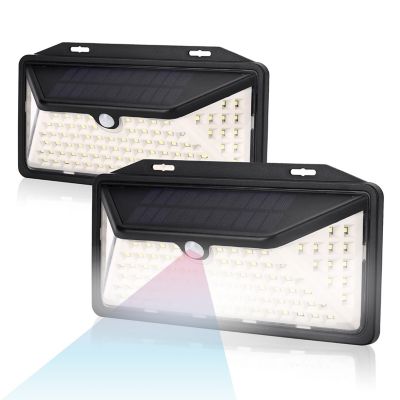
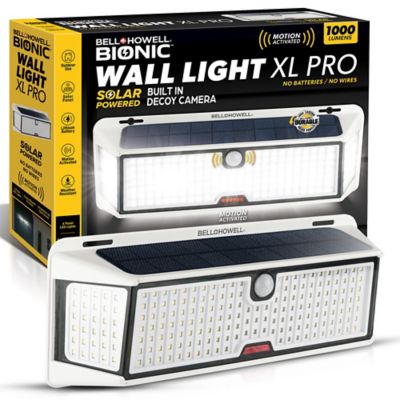
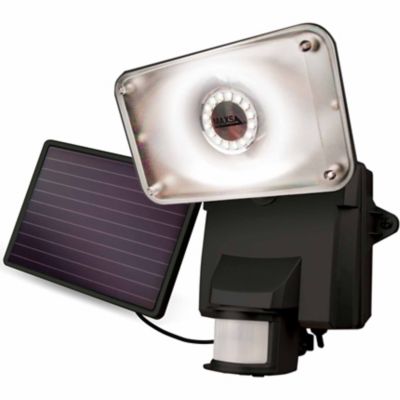
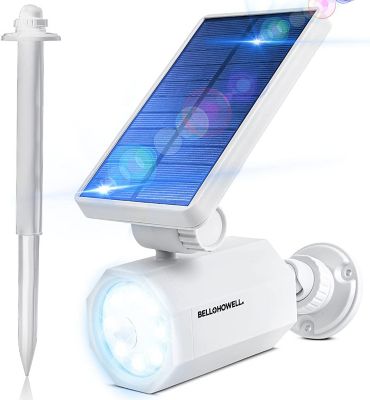
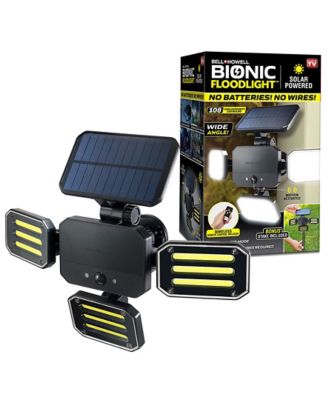
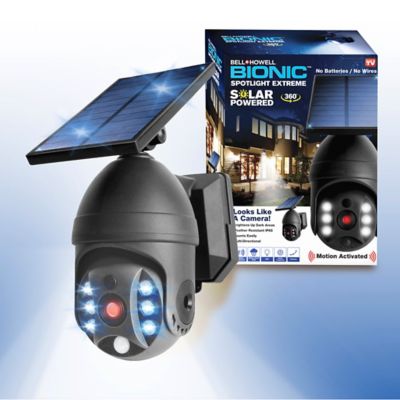
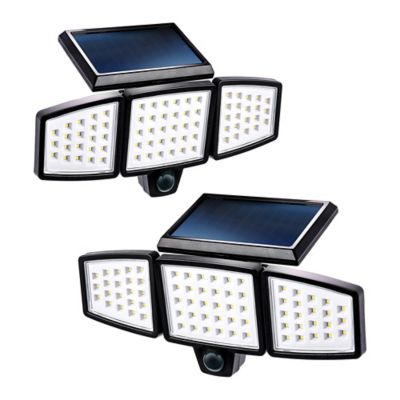
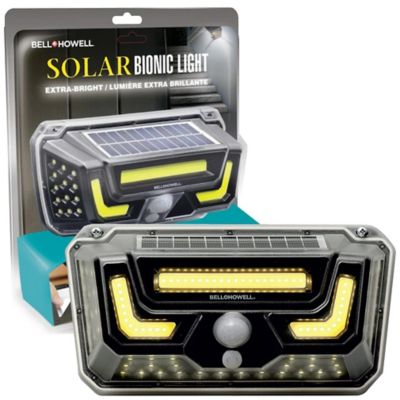
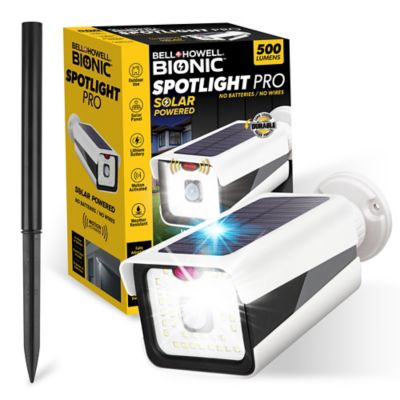
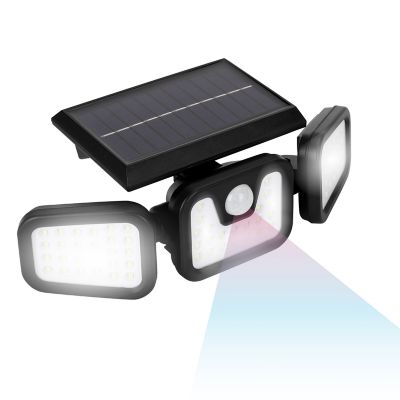
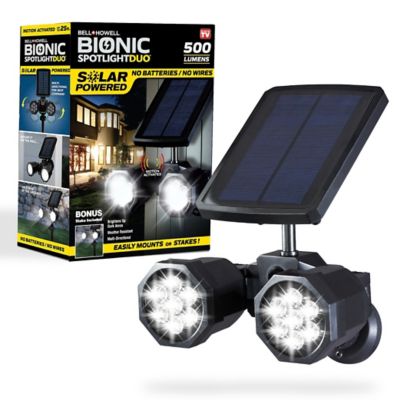
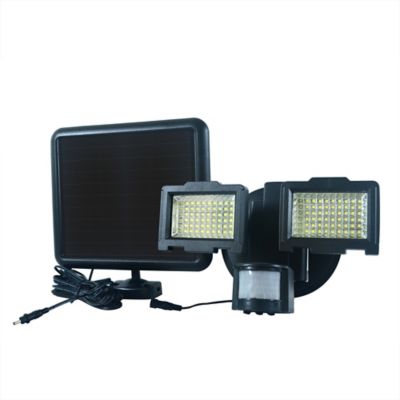
Outdoor Solar Security Lights offer another option to consider, with motion-sensing features varying by fixture. Solar-powered lights need a panel location with sufficient direct sunlight; a deep porch roof may suit the light itself but not the charging panel. Designs with a separate panel can allow more flexibility, within the limits of the connecting cable and mounting instructions. Detection range and angle deserve the same attention as the power source. A sensor looking across the usual walking route may pick up an approach differently from one facing someone walking straight toward it, so the manufacturer’s coverage diagram is helpful. A long detection range is not always an advantage on a porch close to a road, sidewalk or shared driveway. Adjustable sensitivity can help keep the focus on the entrance rather than passing activity beyond the property. Shutoff delays also affect convenience. A short interval may work for a quick walk through the doorway, while a longer setting gives more time to find keys, unload bags or help someone up the steps. Some fixtures include a dusk-to-dawn setting, a manual override or a low-light mode that brightens with motion. Those functions vary, and bulb compatibility can matter when dimming or standby settings are involved. Controls that are easy to reach make occasional adjustments less of a chore.
Materials, mounting details and simple upkeep help a porch light stay useful over the long haul. Metal housings, including aluminum and steel, come in different finishes, and the coating helps protect the surface from corrosion. Molded housings can offer a lighter-weight alternative, with construction and outdoor ratings worth checking rather than judging by appearance alone. Glass shades allow a clear view of the bulb, while impact-resistant plastic lenses may make sense near a busy doorway where bags, tools or long-handled equipment pass close by. A covered porch does not automatically make every fixture suitable for the location. Damp- and wet-location ratings describe different levels of protection, and the mounting spot needs a fixture rated for that exposure. Seals, lens fit and secure mounting hardware matter alongside the visible finish. Black, bronze, white and metal-tone housings can coordinate with door hardware, railings or nearby outbuildings without drawing attention away from the entrance. Fixtures with enclosed bulbs can keep the look tidy, but access still matters when it is time to change a lamp or clean the inside of a shade. Replaceable-bulb designs need the bulb shape, base type and maximum wattage specified for the fixture. Integrated LED designs have a built-in light source, so the expected service life and replacement provisions are useful details to review. Around a working property, dust, cobwebs and insects can collect near lights and sensors. Occasional cleaning with the power off, following the manufacturer’s care directions, helps keep lenses clear and avoids buildup around the sensing area. Abrasive cleaners can harm some finishes or lenses, making a soft cloth and an approved cleaning method the better fit. Placement also affects everyday comfort: light aimed down toward the landing is less likely to shine into a bedroom window, a neighbor’s porch or the eyes of someone coming up the walk. A well-matched motion sensor porch light brings together sensible coverage, manageable upkeep and a style that belongs beside the door, whether that entrance welcomes company or handles muddy boots and daily trips to the barn.