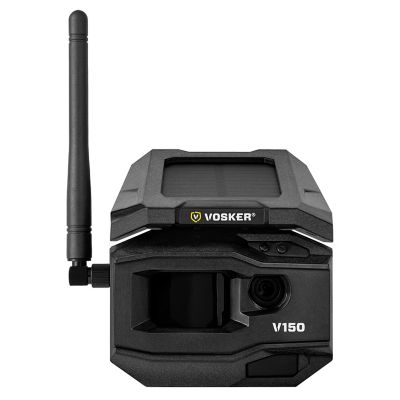
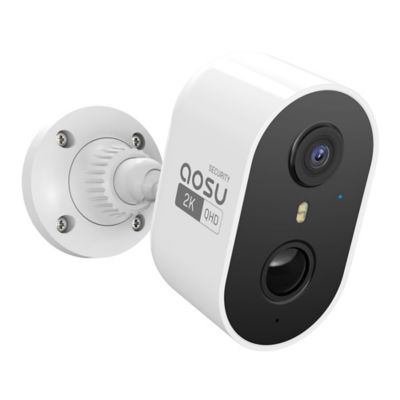
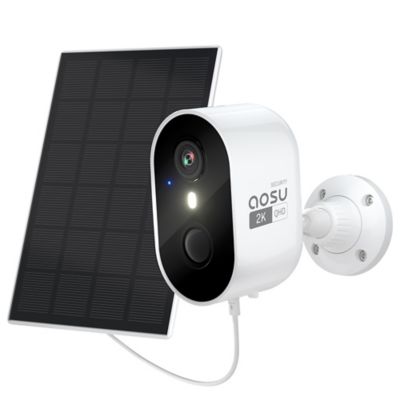
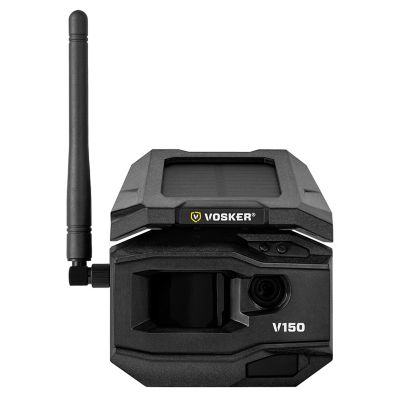
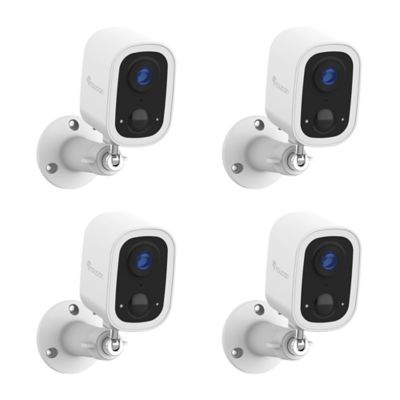
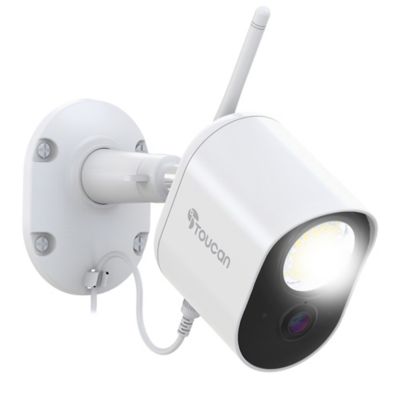
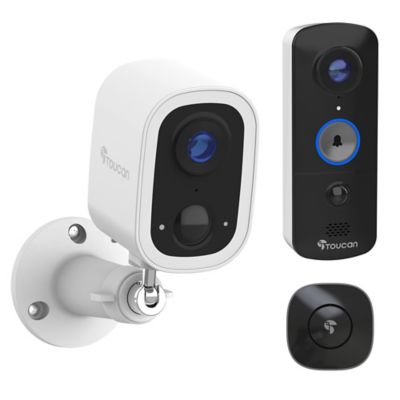
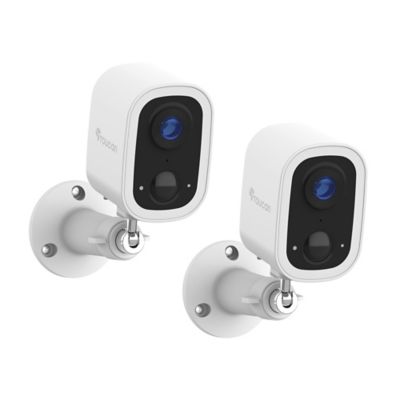
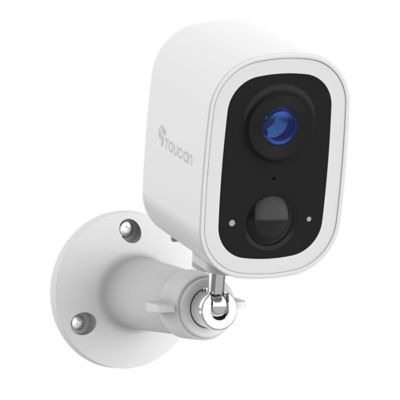
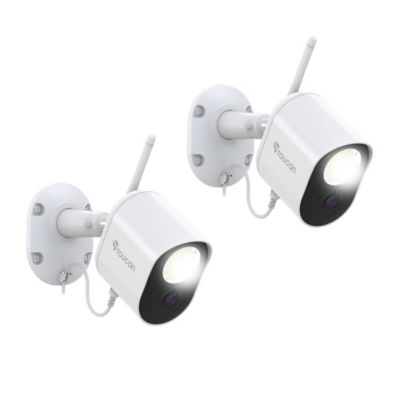
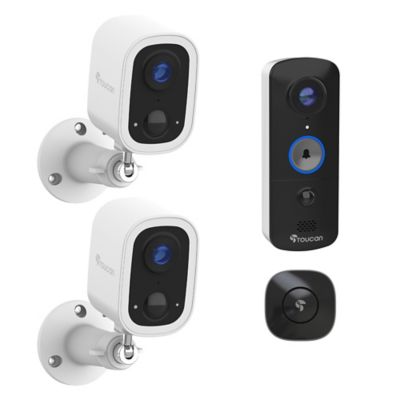
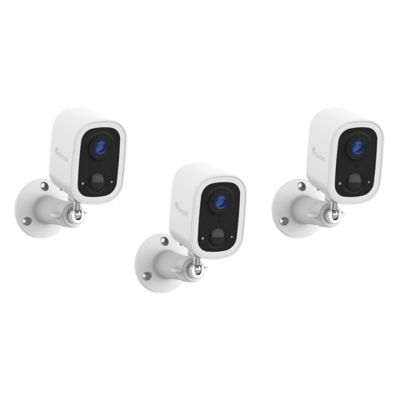
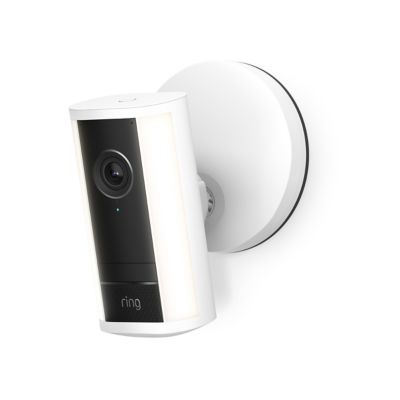
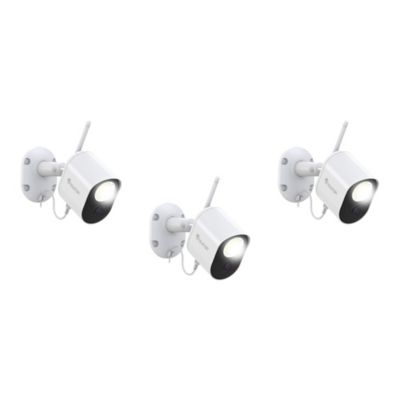
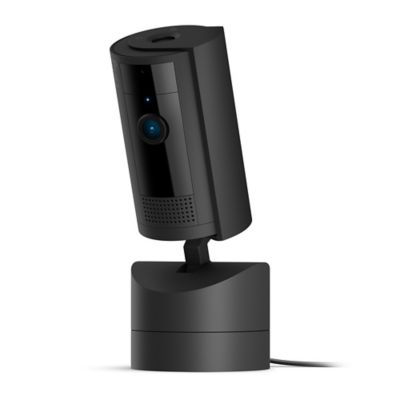
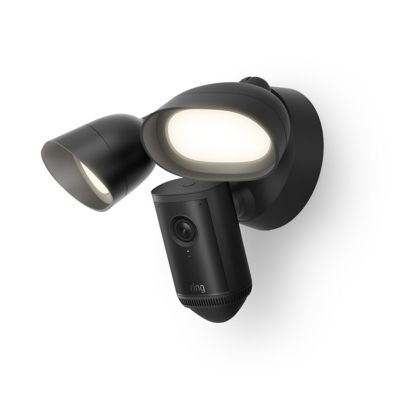
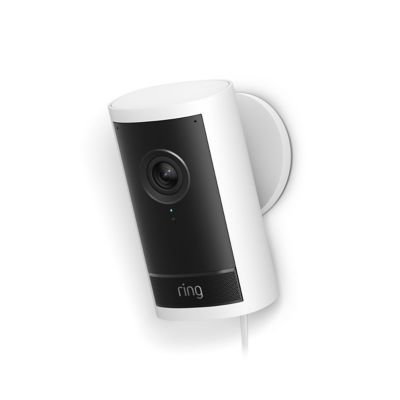
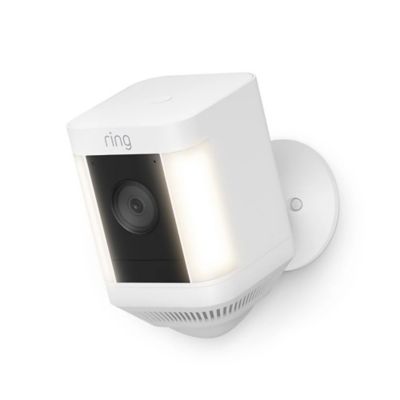
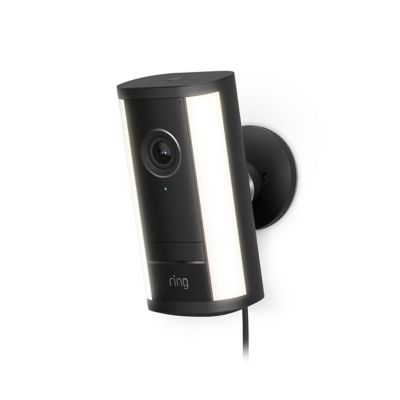
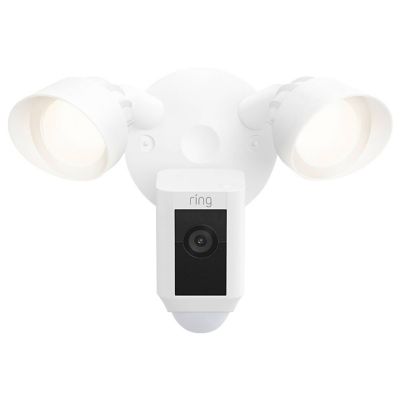
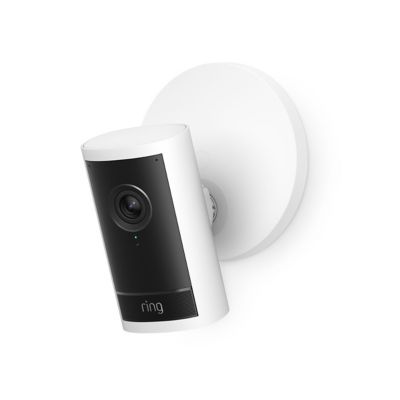
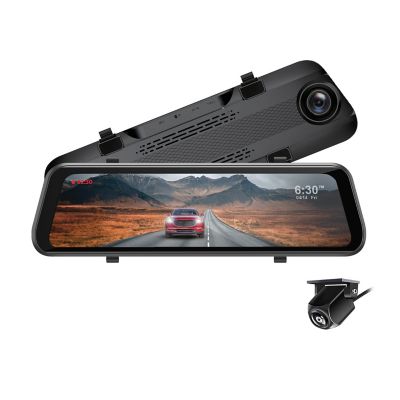
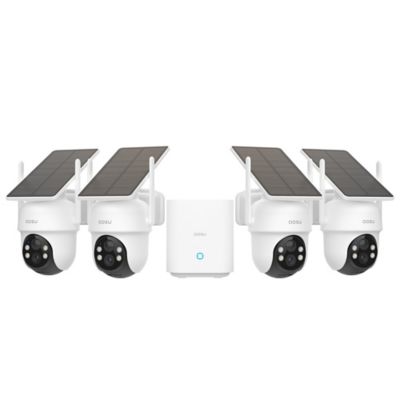
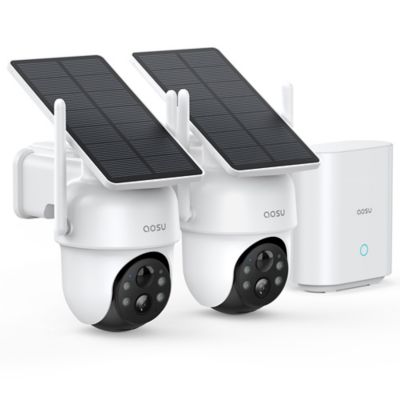
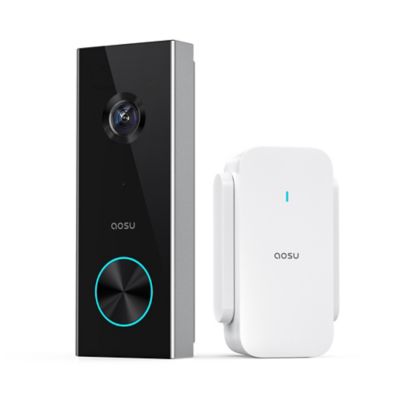
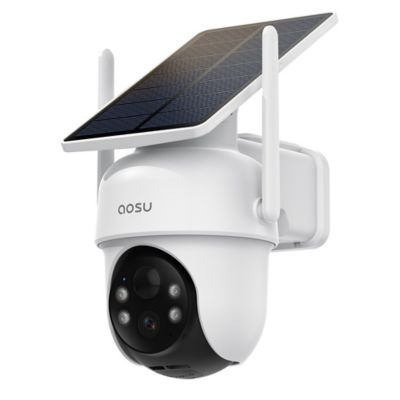
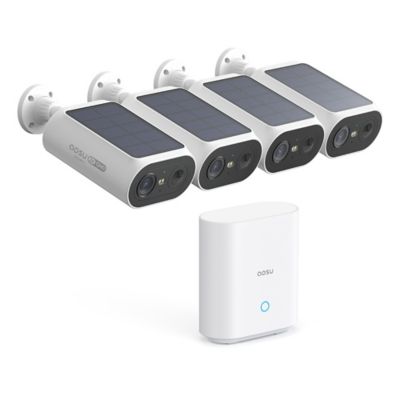
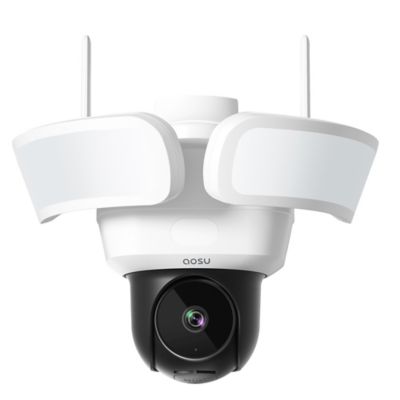
Motion detection security cameras watch for movement within a viewing area and, depending on their settings, record event clips, send alerts, or both. Motion-triggered recording can reduce the amount of footage saved compared with continuous recording, making it easier to find the moment a delivery arrives or someone approaches a shop door. Some cameras also support continuous recording with motion events marked on the timeline, so motion detection does not always mean the camera records only when something moves. Around a home, farm, or small business, these cameras help keep an eye on entrances, driveways, equipment sheds, and other places where activity matters. A view of the front gate can show a visitor pulling in, while a camera near the barn entrance can help explain a notification without a walk across the yard. Detection methods vary: some cameras recognize changes in the video image, while others have passive infrared sensors that respond to changes in infrared energy from people, animals, and other sources. Certain models add person, vehicle, or animal recognition to help sort meaningful activity from background movement. Those features can be handy beside a busy road or near a livestock pen, where every movement does not need the same attention. Image detail matters, too, but resolution alone does not determine what a camera can show. Lens angle, distance, lighting, and the position of a moving subject all affect the footage. A broad view suits an open yard, while a narrower view may provide more detail at a particular doorway. Night vision extends monitoring after dark, with infrared illumination commonly producing black-and-white footage. Cameras with built-in lighting may support color images under suitable conditions. A nearby face and a vehicle far down the lane place very different demands on a camera, so the intended viewing distance matters as much as the number of pixels on the box.
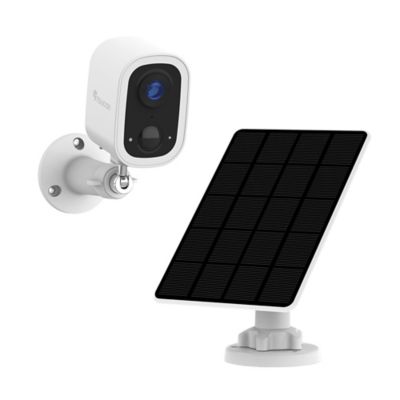
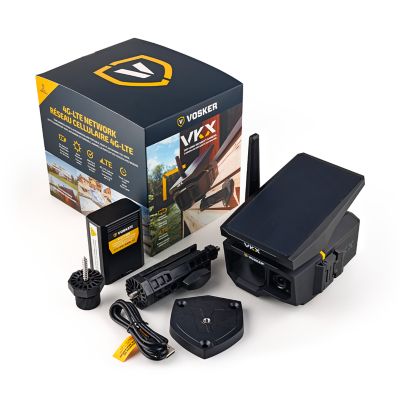
Power, connection, and recording options shape how motion detection security cameras fit into daily life. Wired power can suit a fixed location near an outlet, while battery-powered designs offer more flexibility where running a power cable would be awkward. Battery life depends on activity, recording length, live viewing, signal strength, and other settings; a camera facing a busy entrance generally has more work to do than one watching a seldom-opened storage door. Solar charging is an option for compatible battery cameras, though charging depends on placement and access to sunlight. For locations where a network cable is not practical,
Wireless Security Cameras offer another way to connect, but wireless networking does not necessarily mean battery power or a completely cable-free setup. Distance from the router, metal siding, masonry, and separate outbuildings can all affect the connection. A clear view across the yard does not guarantee that a Wi-Fi signal will reach the same spot. Some systems connect through a hub or recorder, and others communicate directly with a home network. Cellular-connected cameras provide another approach for suitable locations, with service coverage and account requirements affecting operation. Recording storage also deserves attention. Local storage may keep clips on a memory card, hub, or recorder, while cloud storage sends recordings to an online account. Remote viewing, alert delivery, and access to saved footage depend on the camera’s features and connection. Some setups can continue recording locally during an internet interruption, but that capability is not universal. Event history length, supported memory capacity, and whether older clips are overwritten all influence how far back footage remains accessible. For someone checking a feed room between chores or watching an entrance while away from home, convenient playback can matter just as much as a clear live picture. Timestamps, searchable event lists, and straightforward sharing tools help put a recorded moment in context.
The best fit for a property comes down to the camera’s coverage, construction, and everyday upkeep—not just its feature list. Indoor cameras belong in protected spaces, while outdoor-rated housings and properly protected connections suit exposed mounting locations. Metal and molded polymer housings are common, and enclosure ratings help describe protection against dust and moisture. Mounting hardware, bracket adjustment, and access to charging ports or memory cards affect how comfortably a camera fits a porch post, wall, or building corner. A fixed lens keeps attention on one area; pan-and-tilt features can expand the view, though a camera pointed elsewhere may miss activity outside its detection area. Motion zones and sensitivity controls help tailor monitoring to the part of the scene that matters, such as the gate opening rather than the road beyond it. These controls can reduce unwanted alerts, but they do not eliminate every missed event or mistaken notification. Vegetation, insects near the lens, and changing light can still affect detection. Clip length, recording cooldowns, and pre-event footage also vary, so one system may capture more of an approach than another. For care, a clean lens and an unobstructed view make a real difference; dust, fingerprints, and spiderwebs can soften images or reflect infrared light at night. Manufacturer care directions help protect lens coatings and seals during cleaning. Two-way audio can make it easier to speak with a delivery driver or visitor, although clear conversation depends on microphone placement, connection, and surrounding noise. Shared account access can help household members keep tabs on the same entrance without passing around one login. Strong passwords, software updates, and sensible account permissions support camera security, while thoughtful viewing angles respect neighboring spaces. From a front porch to a workshop entrance, motion detection security cameras work best as one part of a broader setup that includes sound locks, suitable lighting, and regular attention to the property.