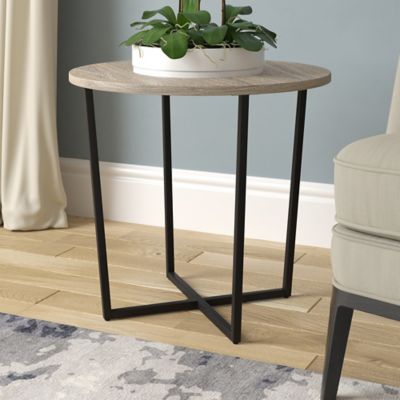
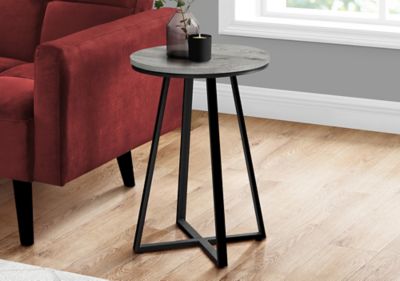
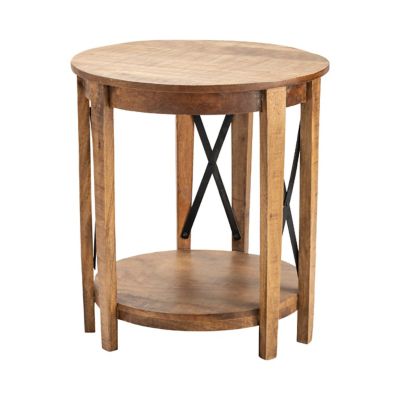
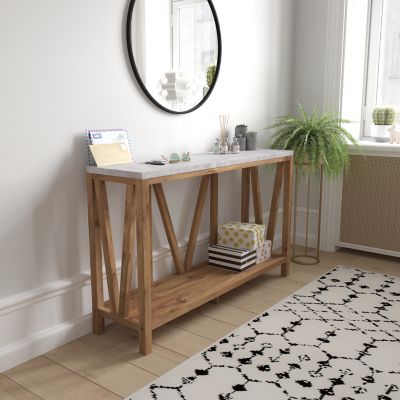
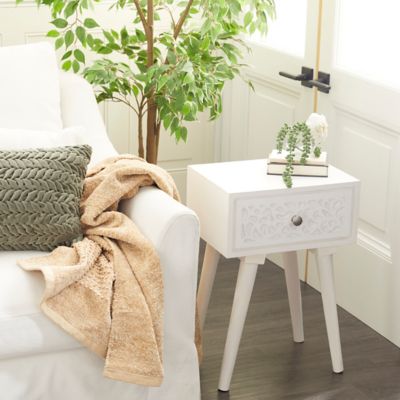
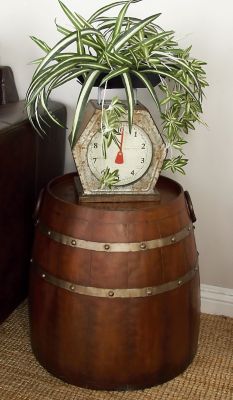
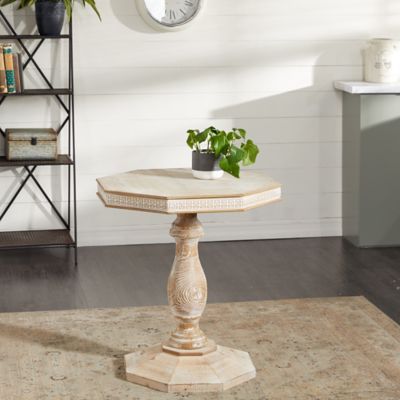
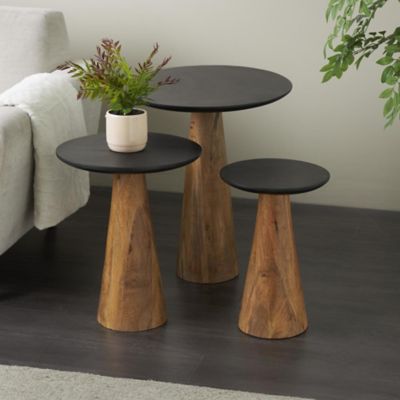
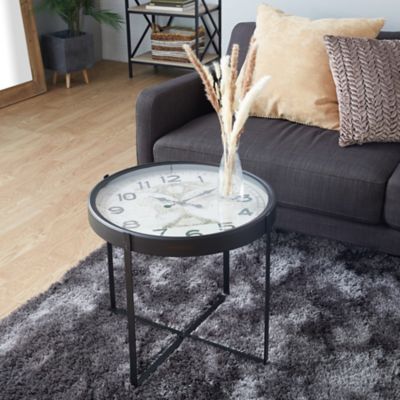
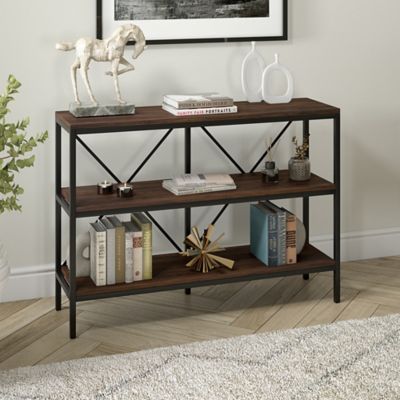
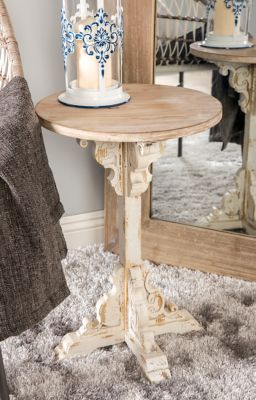
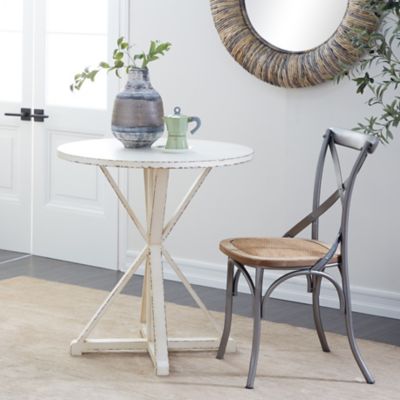
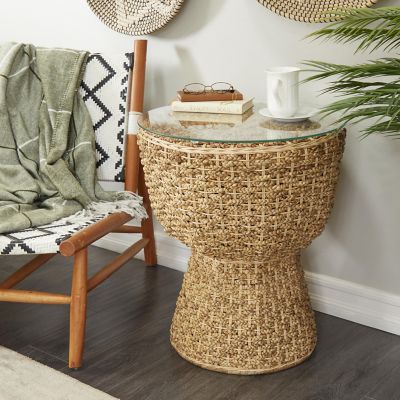
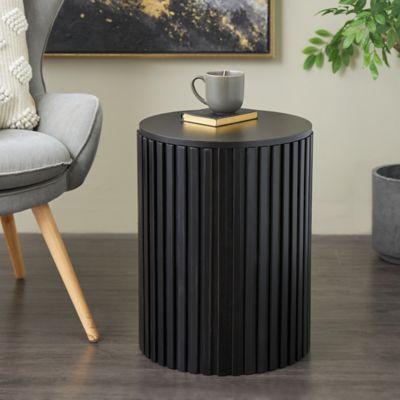
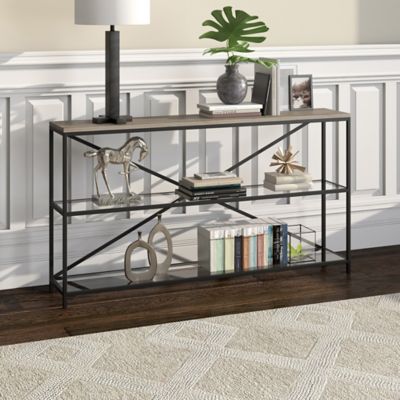
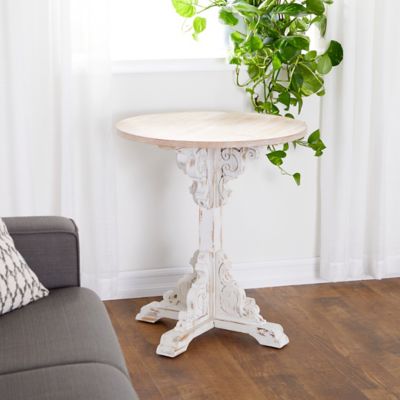
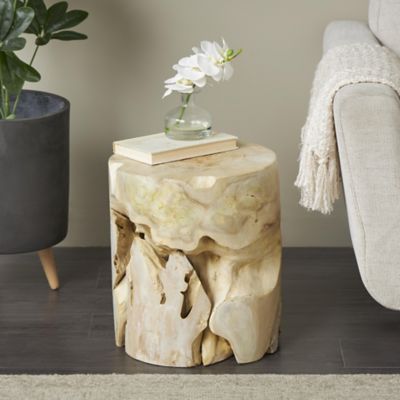
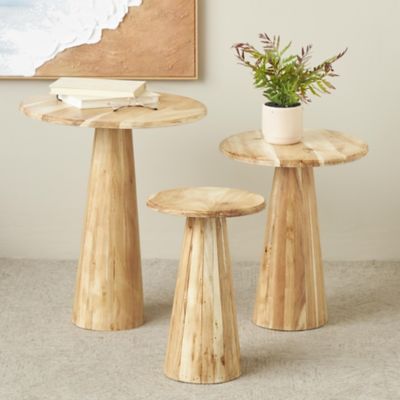
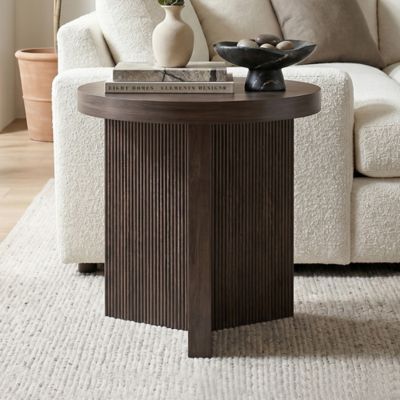
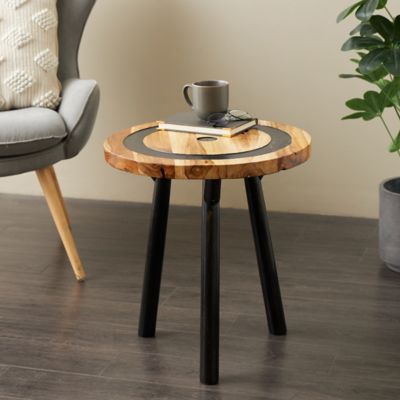
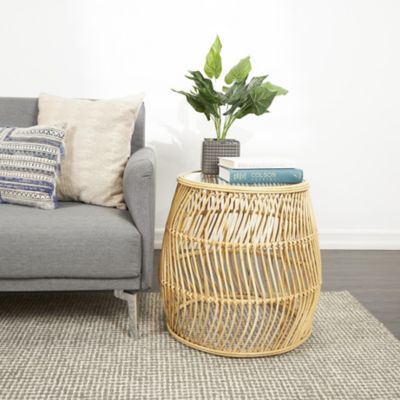
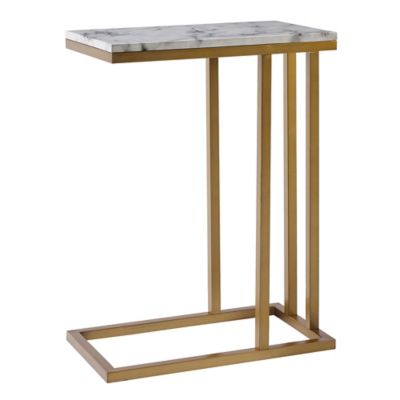
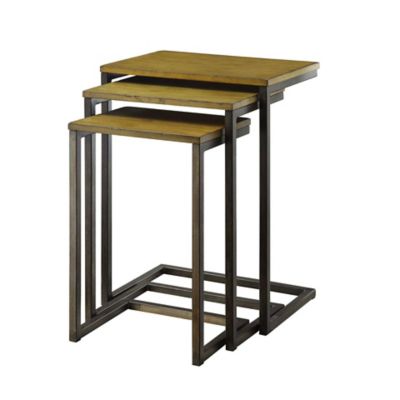
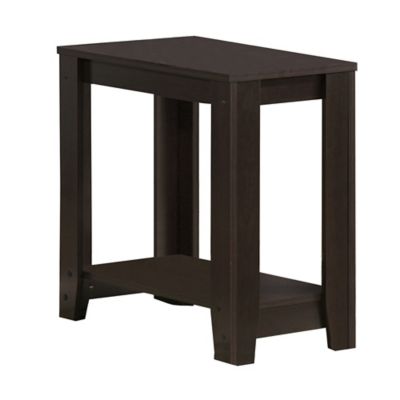
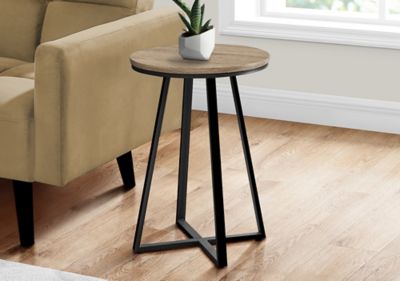
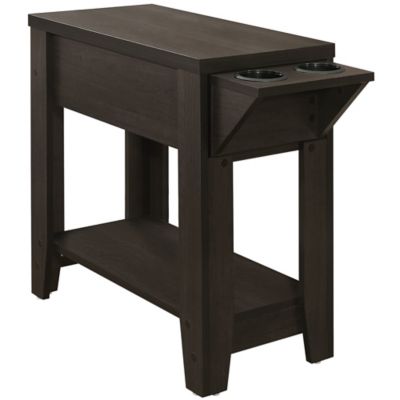
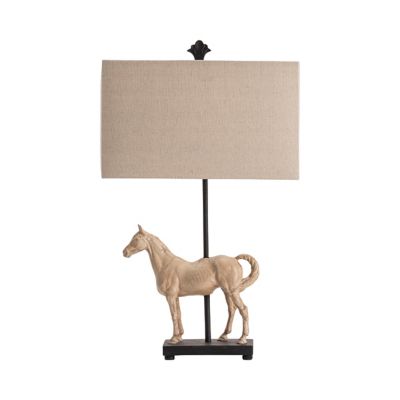
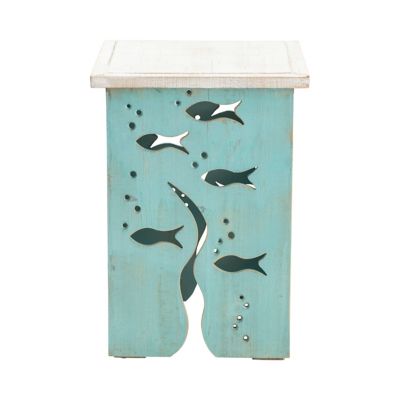
Modern farmhouse end tables bring together wood textures, straightforward shapes, and painted or metal accents for a look that feels comfortable without getting fussy. They give a sofa or armchair a handy landing spot for a coffee mug, reading glasses, or the book that never seems to make it back to the shelf. The farmhouse character often comes from visible grain, plank-style surfaces, cross-braced sides, or softened finishes, while the modern side shows up in cleaner lines and simpler hardware. That balance helps these tables fit into a country living room just as naturally as a smaller home with an open floor plan. Materials make a difference in both appearance and upkeep. Solid wood brings natural grain variation and can develop small marks with everyday life; whether a surface can be refinished depends on its construction and finish. Wood veneer places a thin layer of real wood over a supporting core, giving the surface a wood-grain appearance while requiring care around edges and standing moisture. Engineered wood can provide a smooth base for painted or wood-look finishes, though its care requirements depend on the surface covering. Metal frames add contrast and can keep the base visually open, which helps a table feel less crowded beside an upholstered chair. A light painted base with a wood-tone top creates a softer contrast, while darker legs give the same basic shape a more defined outline. Neither approach has to match every other piece of furniture in the room. Repeating one wood tone, paint color, or hardware finish is often enough to make the space feel pulled together. For a relaxed farmhouse look, let the table’s proportions and materials do most of the work rather than filling every inch of the top. A lamp, a coaster, and a little room to set something down usually serve a busy household better than a crowded arrangement.
Fit matters as much as finish when choosing modern farmhouse end tables. Start with the seat they will sit beside, not just the empty patch of floor. A tabletop close to the height of the sofa or chair arm generally makes a drink or remote easier to reach; a much higher or lower surface can feel awkward even when the table looks right from across the room. Measure the width and depth of the space, then account for nearby doorways, walking paths, recliners, and any drawer that needs room to open. Painter’s tape on the floor can help show whether a square table will crowd the route from the couch to the kitchen. Round tops can soften a seating arrangement and reduce projecting corners along a narrow path, while rectangular shapes often make better use of the space beside a deep sofa. A narrow table may suit a tight spot between seats, but its top still needs enough room for the things that belong there. If a lamp is part of the plan, check its base size and leave space for a mug without either one hanging over the edge. Storage should follow the way the room actually works. A drawer keeps remotes, charging cords, and reading glasses out of sight, while an open lower shelf makes books or a basket easier to grab. Enclosed storage can help contain the little things that otherwise spread across the tabletop, though doors need clearance and baskets need openings wide enough to slide through. Shelf spacing and stated weight limits matter if the table will hold a stack of large books or a substantial lamp. Also check that the feet sit evenly and that fasteners are tightened as directed. For homes with children or pets, rounded edges, steady placement, and cords kept out of walking paths deserve attention alongside the finish and shape. Reclining furniture needs particular care: leave room for moving parts and keep cords clear of the mechanism.
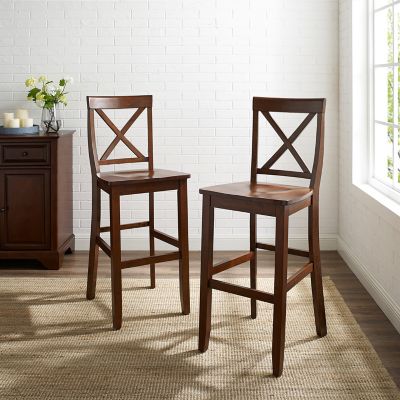
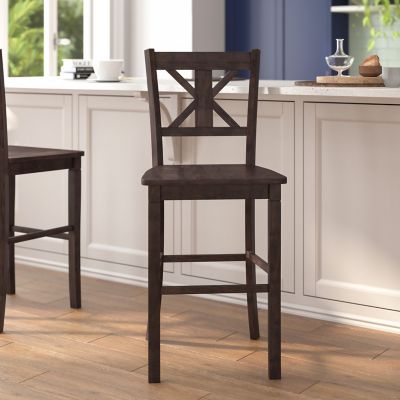
Everyday care helps farmhouse-style furniture keep its good looks through coffee breaks, family visits, and evenings spent with feet up. Follow the care directions for the particular material and finish, since a painted surface, a wood veneer, and a sealed solid-wood top may need different treatment. A soft cloth is a sensible starting point for dusting, and spills should be wiped up promptly rather than left around a glass or along a seam. Coasters protect the surface from drink rings, while a protective pad beneath a planter helps keep dampness and grit away from the top. Felt beneath a lamp or other hard-bottomed accessory can limit scratches when it gets shifted. Avoid dragging a loaded table across the floor; empty it and lift it with help when needed. Hardware may need an occasional check after assembly, especially on furniture that gets moved for cleaning. Strong cleaners, soaking-wet cloths, and abrasive scrubbing can harm some finishes, so more cleaning power is not always the answer. Intended use matters, too: an end table is a place for everyday belongings, not a step stool or an extra seat unless its manufacturer expressly says otherwise. These tables can serve more than the main living room. One beside a reading chair gives a quiet corner a useful surface, and one in a guest room can hold a lamp, a phone, and a glass of water. For a housewarming or wedding gift, a table can be a thoughtful choice when the recipient’s measurements and furniture preferences are known; checking those details first helps avoid a piece that overwhelms the room. In connected living and kitchen spaces, repeating a wood tone or metal finish in
modern farmhouse bar stools can tie the areas together without making everything match. The best fit leaves room for real life: somewhere to set the mail, keep a favorite book close, and settle in comfortably at the end of a full day.