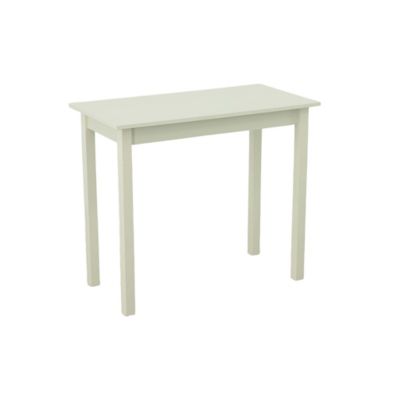
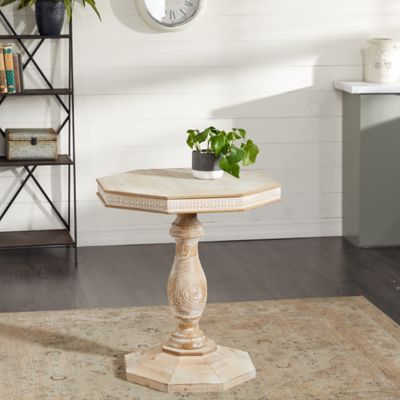
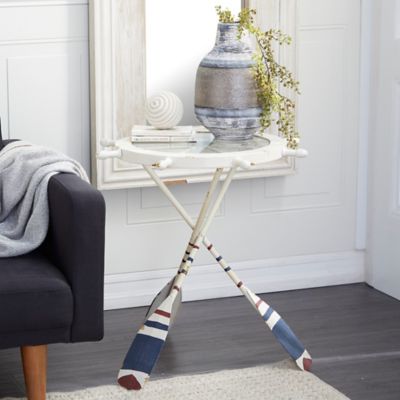
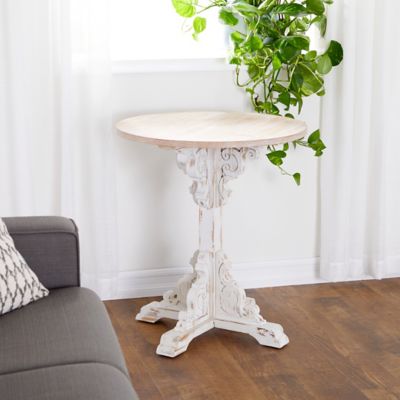
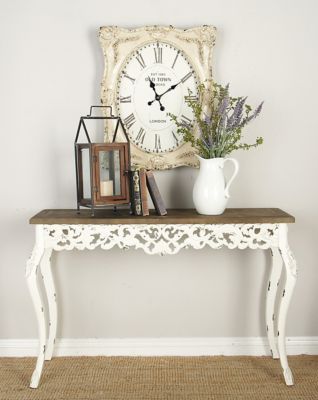
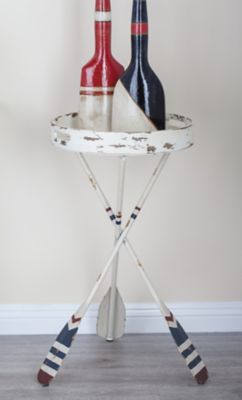
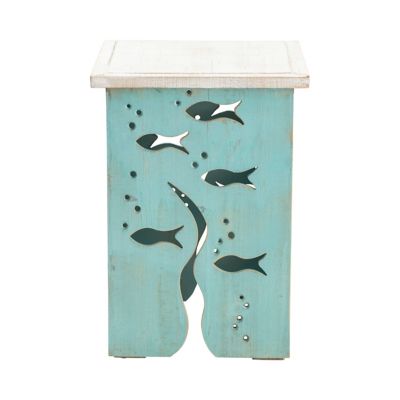
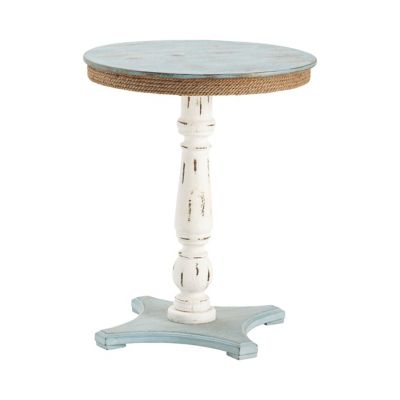
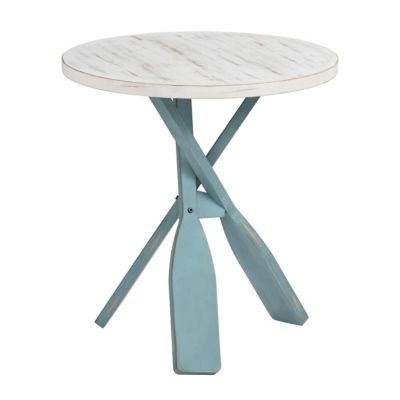
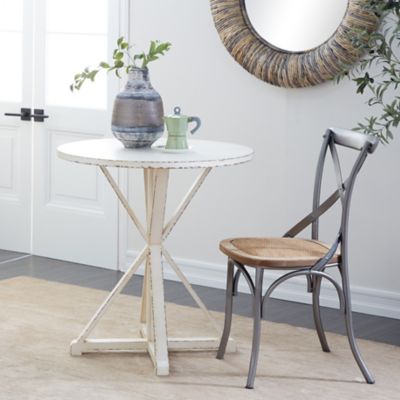
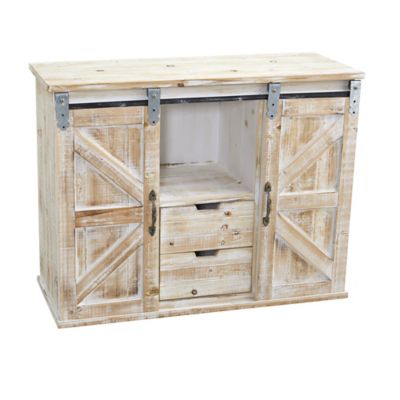
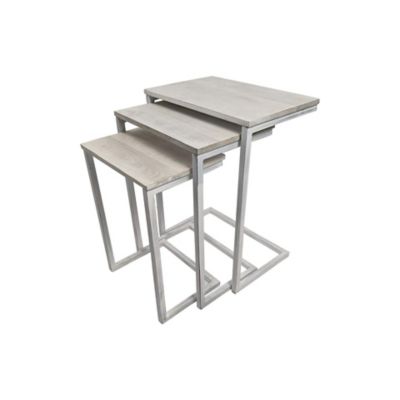
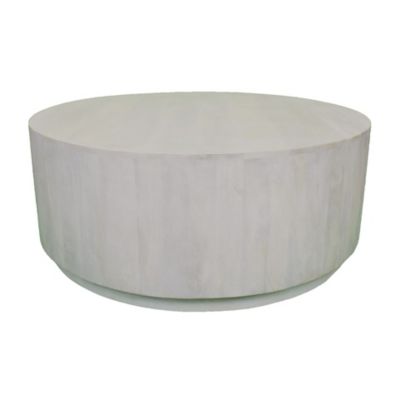
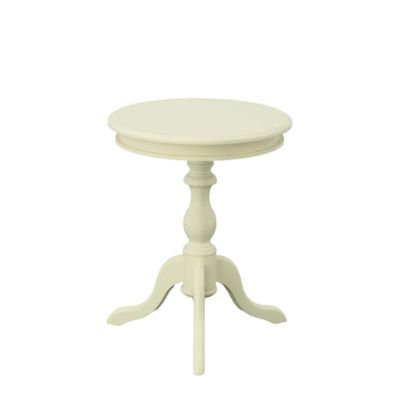
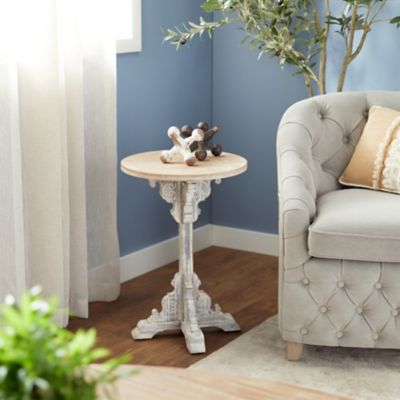
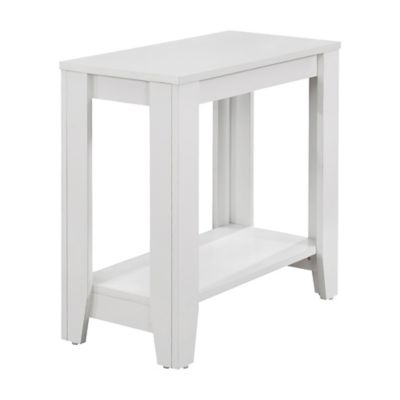
Distressed white end tables bring a light finish and a broken-in look to the spots where a little extra surface makes a room more comfortable. Beside a sofa, next to a reading chair, or tucked alongside a guest bed, they give a lamp, a glass of water, and the evening’s reading somewhere to land. The distressed effect typically comes from intentional finish treatments, such as rubbed edges, exposed wood tones, or subtle variations in the paint. That appearance is different from structural wear: a table can have a timeworn finish while still having firm joints, a level top, and smooth drawer movement. The amount of distressing makes a difference in the overall feel. A lightly rubbed white finish keeps things simple and airy, while stronger contrast around corners and carved details gives a piece more of an old-farmhouse character. White shades also vary, from soft cream to brighter painted tones, so the relationship to nearby trim, upholstery, and cabinets matters more than the color name alone. In a room with brown leather seating or dark plank flooring, a pale end table can break up the heavier colors without looking out of place. Alongside linen-colored cushions, a braided rug, or a well-loved quilt, the same finish feels easygoing and familiar. Common shapes include round, square, and rectangular tables, with details ranging from straight legs and open shelves to turned supports, paneled doors, and scalloped edges. A white base paired with a wood-tone top offers another way to connect light furniture with darker pieces already in the room. For a look that leans more toward visible wood grain,
Rustic Oak End Tables offer a related style to consider alongside painted finishes. Matching every table is not necessary; a shared height, similar leg shape, or repeated wood tone can help different pieces sit comfortably together.
Materials and construction affect how distressed white end tables feel in everyday use, even when their finishes look similar. Solid wood brings natural grain variation and may respond to changes in indoor humidity, while wood veneer provides a thin layer of real wood over a supporting core. Engineered wood can offer an even surface for a painted finish, though its edges and joints need protection from standing water. Material descriptions are worth checking for the top, legs, frame, and shelves separately, since a table may combine several materials. A substantial appearance does not necessarily mean a table can support a heavy object, so the stated weight limits for the top and any lower shelves should suit the intended load. A large ceramic lamp, for example, calls for a steady base and enough tabletop space that its foot sits fully supported. Fit starts with the furniture beside it. An end table close to the height of a sofa or chair arm generally makes a drink or remote easier to reach without an awkward stretch. Overall width and depth matter just as much, especially in a living room where the path from the doorway to the couch passes beside the table. Round tops remove projecting corners, although the legs or pedestal still need enough floor space. Narrow rectangular tables can fit beside a recliner, but clearance should account for the footrest and the chair’s full movement. Square tops work well when there is room for both a lamp and a clear patch for daily essentials. Storage changes the job a table can do, too. A drawer gives reading glasses, charging cords, and remotes a place out of sight, while an open shelf keeps books or a small basket within reach. Cabinet doors provide enclosed storage but need room to swing open. Where built-in charging connections are included, check the connection types, cord length, and access to a wall outlet rather than assuming every table offers the same setup. Any assembly requirements also deserve a look, particularly when the table needs to pass through a narrow doorway or head upstairs.
A distressed finish is meant to look relaxed, but it still benefits from straightforward care. Dusting with a soft cloth helps keep grit from collecting along routed edges, drawer fronts, and shelf corners. For spills, prompt attention with a soft cloth, followed by drying as directed by the maker, helps protect painted surfaces and wood-based components. Coasters under glasses and a protective pad beneath a planter are sensible additions, especially on a table that holds a morning coffee cup or a houseplant. A deliberately rubbed edge is part of the finish; a new water ring, lifted veneer, or peeling patch is not. Abrasive scrubbers and strong cleaners can change the sheen or remove more finish than intended, so cleaning directions for the particular material should take priority. Felt pads beneath lamps and other tabletop objects can reduce scuffing when things get shifted around. For tables with fastened legs or drawer pulls, occasional checks for loosened hardware can help keep everything steady, provided any adjustments follow the assembly instructions. Placement also matters in homes with children or pets: keep cords out of walking paths, set heavier objects away from the edge, and follow any supplied anchoring directions. An end table is a landing spot for belongings, not a seat or a step stool. Around the house, these tables suit more than the main living room. One beside an armchair can hold a reading lamp and a few paperbacks; another in a guest room can give visitors space for a phone, glasses, and a water glass without crowding the bed. A lower shelf is handy for a basket of knitting supplies, while an enclosed compartment can keep the little odds and ends of daily life from taking over the top. For a housewarming gift, knowing the recipient’s measurements and preferred white tone helps make furniture a thoughtful fit. The appeal of distressed white end tables comes down to that balance of character and function: a familiar, easygoing finish paired with the right proportions, practical storage, and a useful place to set things down.