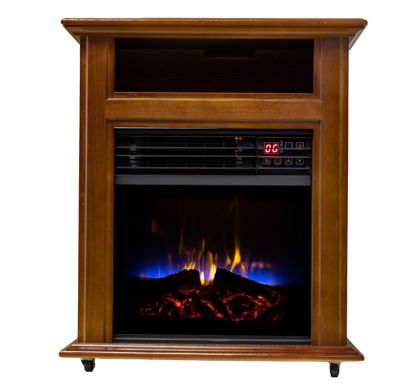
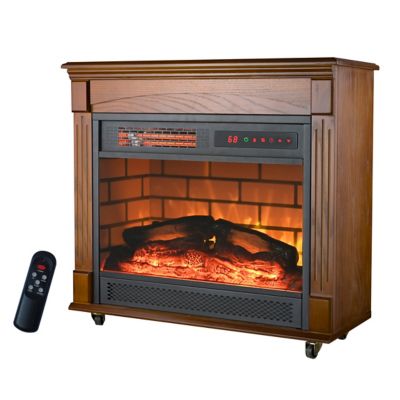
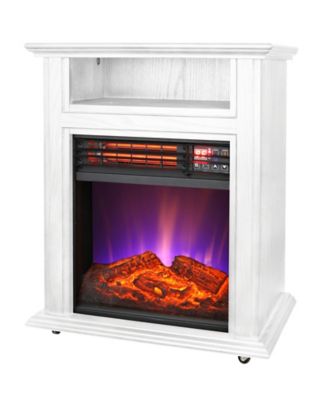
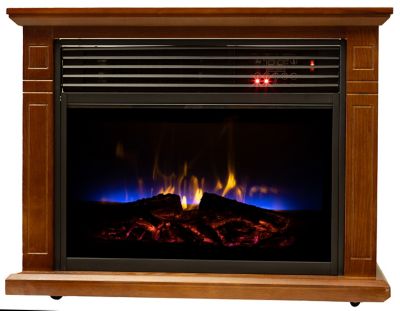
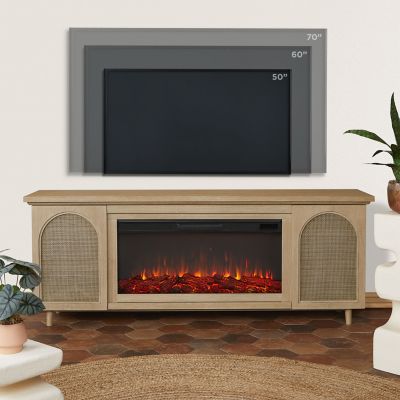
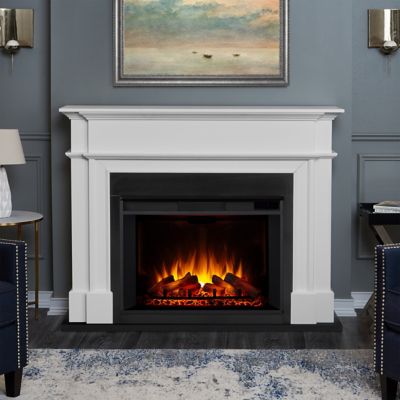
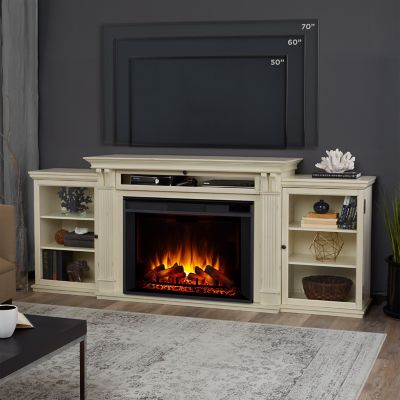
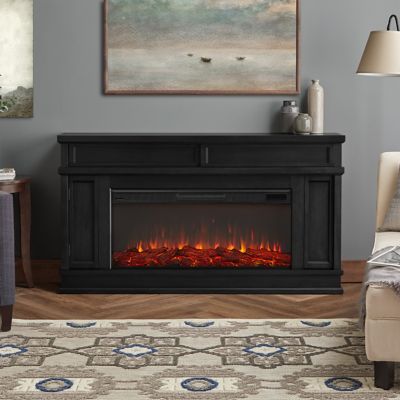
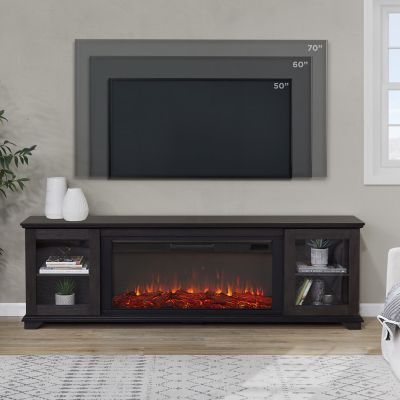
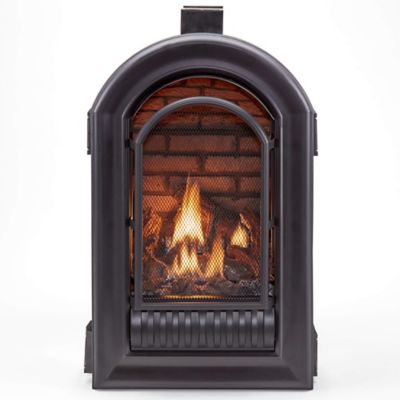
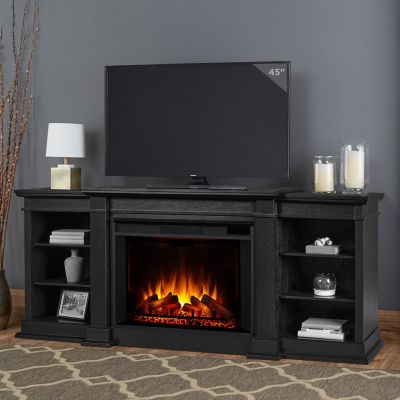
Mobile electric fireplaces with wheels bring the look of a hearth to a room without the work of hauling firewood or building a chimney. Their rolling design makes them a practical option for homes where furniture arrangements change, a favorite chair moves from one corner to another, or a fireplace needs to tuck out of the way between gatherings. In a farmhouse living room, a compact den, or a finished room over the garage, the appeal is much the same: a welcoming flame display with electric heat close to where folks sit. These fireplaces are generally intended to supplement a home’s main heating system, not take its place. Depending on the design, the firebox may sit inside a cabinet-style surround or a freestanding, stove-inspired body. Metal, glass, solid wood, and engineered wood can all play a part in construction, with the exact mix affecting weight, appearance, and care. Wood-look finishes pair easily with plank floors and substantial furniture, while painted cabinets and dark metal bodies can settle into simpler rooms without drawing all the attention. The overall footprint matters just as much as the finish. A narrow space beside a recliner calls for different proportions than an open stretch of living room wall, and the wheelbase may extend beyond the cabinet itself. Height also affects how well the flames show from a couch or dining chair. Room measurements should account for the full fireplace, its required clearances, and a cord route that stays out of walking paths. A rolling model makes sense when flexibility matters, while
Electric Wall Mounted Fireplaces offer another direction for spaces where the fireplace will stay in one spot. Either way, the best fit leaves room for everyday life rather than crowding a doorway, blocking a vent, or squeezing the end of a sofa.
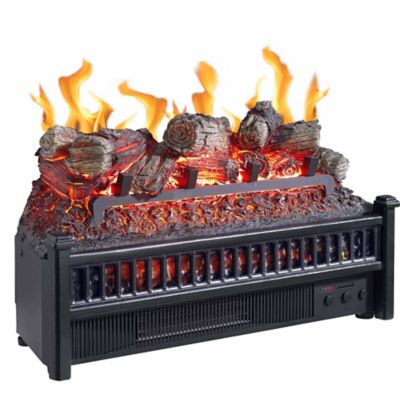
The details inside the firebox shape the experience as much as the cabinet around it. Flame brightness, ember effects, simulated logs, and flame color vary by design, giving these fireplaces anything from a quiet glow to a more noticeable focal point. Some models let the flame display run independently of the heater, which suits an evening of conversation when extra heat is not needed. Adjustable heat settings, thermostats, timers, and remote controls are other features that may be part of the setup. Controls that are easy to see and reach can make a difference beside a reading chair, especially when bending down to the firebox would be awkward. A thermostat helps manage the selected setting, though comfort still depends on room size, ceiling height, insulation, drafts, and open doorways. A fireplace in a small enclosed sitting room faces a different job than one beside a stairwell leading into a large, open living area. Manufacturer heating recommendations and electrical requirements are better reference points than cabinet size alone. A substantial surround does not necessarily mean greater heat output. Electric fireplace heaters also need a suitable wall outlet and a circuit that can support their electrical load. Direct connection to the proper outlet, following the manufacturer’s directions, is important; extension cords and power strips are not a substitute for a suitable setup. The cord should stay uncovered and clear of rugs, furniture legs, and rolling wheels. Air intakes and heat outlets need open space, too, so curtains, bedding, papers, and upholstered furniture belong outside the stated clearance area. Safety features such as overheat protection or tip-over shutoff are worth noting where offered, but they do not replace careful placement or supervision. Glass, trim, and discharge areas may become hot during operation, making separation from children and pets part of a sensible room arrangement. These are indoor household appliances unless the manufacturer expressly states otherwise, not heaters for damp porches, livestock areas, or workspaces with flammable vapors or heavy airborne dust.
Wheels make a fireplace easier to reposition, but the way they work on the floor deserves a close look. Smooth, level flooring is a different setting from thick carpet, uneven boards, or a doorway threshold. Caster size, wheel material, cabinet weight, and the location of any handles all affect how manageable a unit feels. Locking casters, when included, help keep the fireplace in place once it reaches its spot. Before any move, the fireplace should be switched off, unplugged, and allowed to cool according to its instructions. A clear route and a steady grip matter more than trying to roll a heavy cabinet around a tight corner in one pull. Stairs and raised thresholds may call for lifting assistance rather than rolling, and the fireplace should never be pulled along by its cord or glass front. Once it is settled, a level position helps the cabinet stand properly and keeps the wheels from becoming a nuisance. Everyday care is fairly straightforward, but finishes and firebox components need the right treatment. With the appliance unplugged and cool, a soft cloth can remove surface dust, while glass and finished panels should be cleaned only with methods approved for those materials. Abrasive pads and excess moisture can damage surfaces or reach electrical parts. Keeping intake openings clear, checking the cord for damage, and removing hair or grit caught around the casters help support regular operation. A loose wheel or damaged plug calls for attention before the next use. Cabinet tops have limits as well; a mantel-like surface is not automatically rated for a television, heavy keepsakes, or a stack of books. For a gift, a mobile electric fireplace makes the most sense when the recipient has a suitable room, outlet, and place to park it. For everyday living, its real value is simple: the familiar look of a fire, practical supplemental heat, and the option to rearrange the room without making the fireplace a permanent fixture.