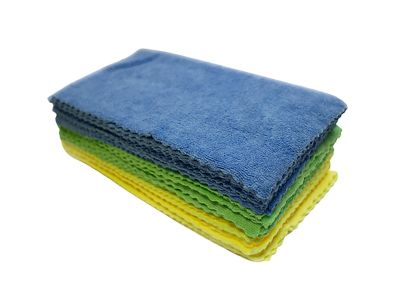
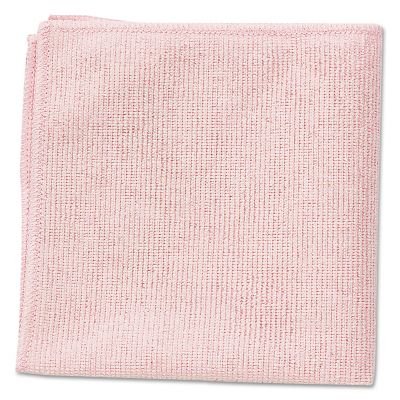
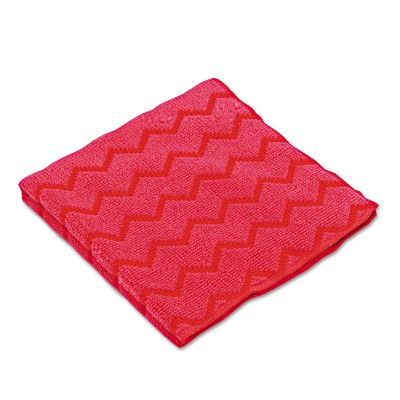
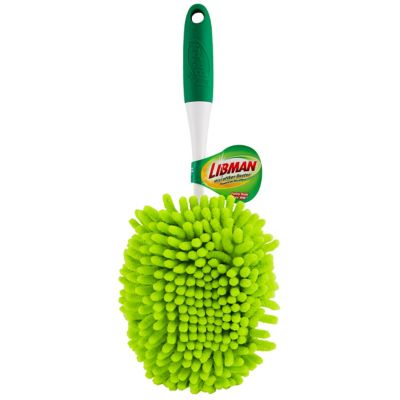
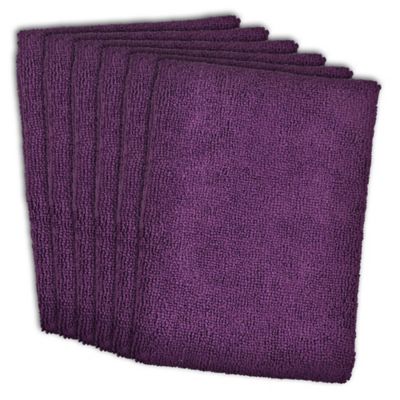
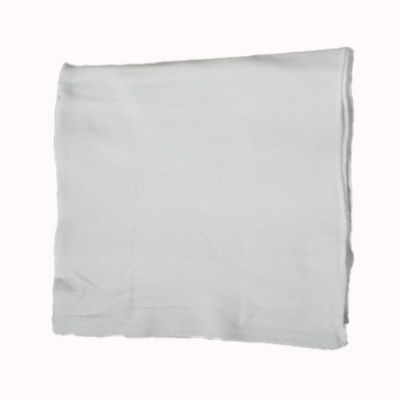
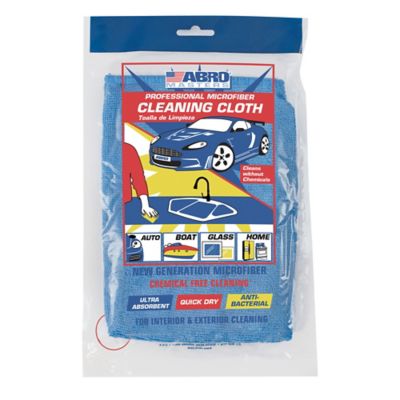
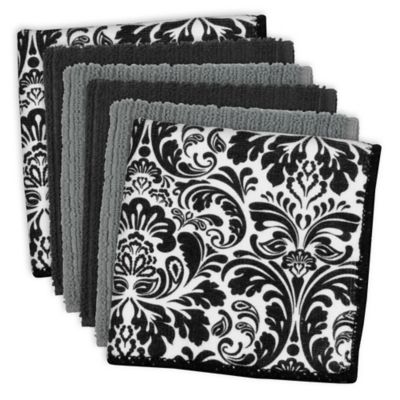
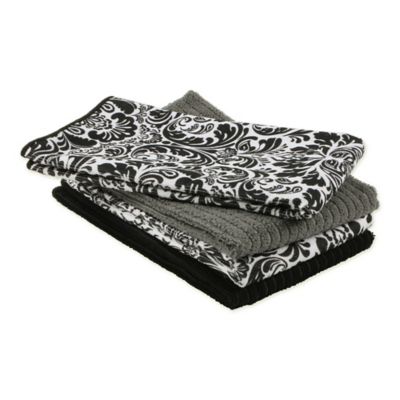
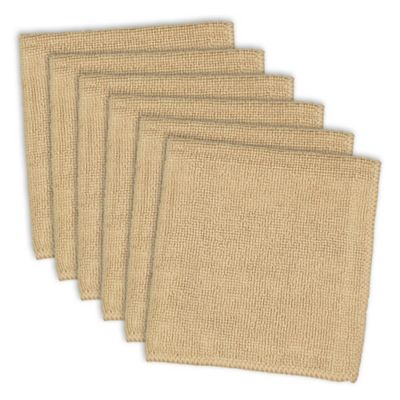
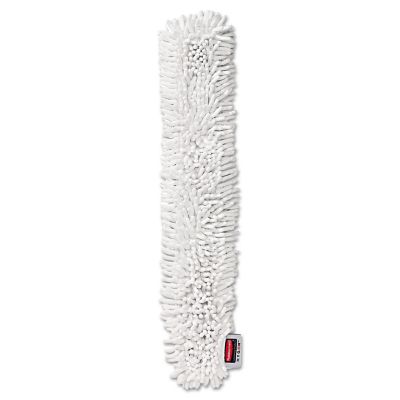
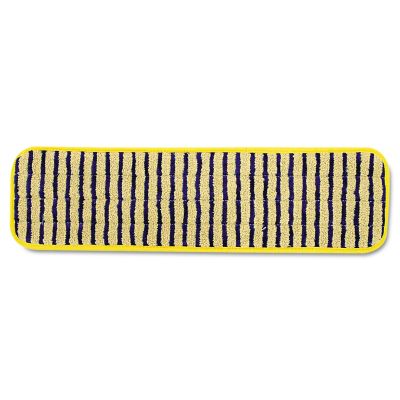
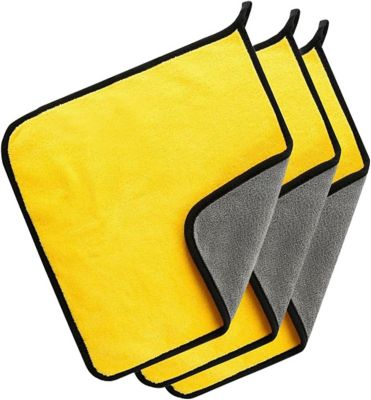
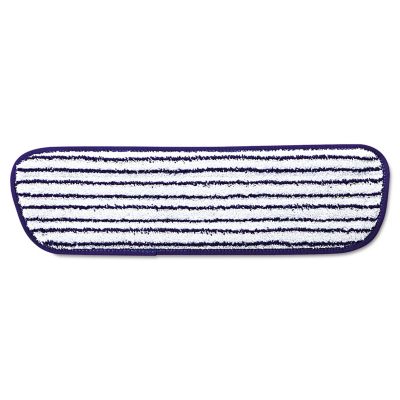
Microfiber cloths for dusting furniture are a handy addition to any home, shop, office or camper cleaning kit. Their fine synthetic fibers are designed to grab and hold dust, pet hair and other loose particles instead of simply pushing them from one side of a tabletop to the other. Used dry, a microfiber cloth can lift the light layer that settles on wood furniture, laminate cabinets, shelves, nightstands, desks and entertainment centers between deeper cleanings. The soft material is also useful around delicate surfaces that can show every scratch, streak or stray lint. When choosing cloths, look at the size, thickness, edge construction and texture. A larger cloth covers more ground across a dining table or dresser, while a smaller cloth is easier to fold around chair spindles, picture frames and narrow shelves. Plush or lightly textured microfiber can work well for general dusting, while a tighter weave may be useful for smooth glass, polished surfaces and final buffing. Cloths with finished edges tend to hold up better through repeated washing, especially when they are used around rough wood trim, hardware or workshop dust. If you have a busy household, pets, rental properties or several rooms with hard furniture, a multipack makes it easier to keep a clean cloth in the kitchen, living room, bedroom and mudroom rather than carrying the same one from place to place. They also make a practical housewarming gift, useful addition to a college care package or thoughtful extra for someone settling into a new home. For folks who spend time caring for wood furniture, antiques or family heirlooms, having separate cloths for dry dusting and damp wiping helps keep the cleaning routine simple and consistent.
For everyday dust, start with a completely dry cloth and fold it into sections so you can turn to a fresh side as particles collect. Work from higher surfaces down, giving shelves, lamp bases and cabinet tops attention before cleaning lower tables and floors. Light, overlapping passes are usually all that is needed; pressing too hard can smear dust into the finish and wear your arm out before the job is done. A dry cloth is especially useful for pet hair and fine dust that gathers along table edges, chair rails and the seams around drawers. For fingerprints, dried spills or a sticky spot from a drink, lightly mist the cloth with water rather than soaking the furniture. The cloth should feel damp, not wet enough to leave puddles or run into joints, cracks and unfinished edges. Wipe a small, out-of-the-way area first, particularly on older wood, painted furniture, veneer or a surface with a special finish. Follow the care directions for the furniture, and use only a cleaner that is recommended for that material. On glass tabletops and smooth laminate, a lightly damp microfiber cloth can help lift smudges, followed by a dry section for a clearer, streak-free finish. For finished wood, buffing with a dry portion of the cloth after damp cleaning can bring back a clean, even appearance without scattering fresh lint. Keep one cloth for dusting and another for messier jobs such as muddy paw prints, greasy fingerprints or workshop residue. In homes with livestock, dogs or cats, these cloths are convenient for the fine layer of dust that comes in through doors and settles on furniture as the weather warms, during rainy stretches or throughout the cooler months when windows stay closed.
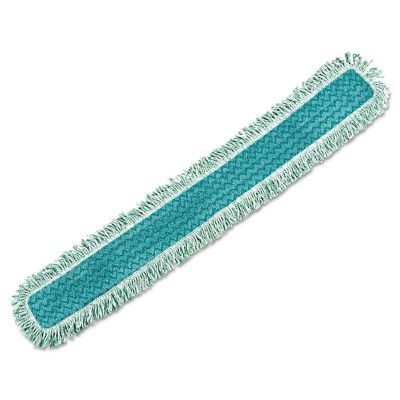
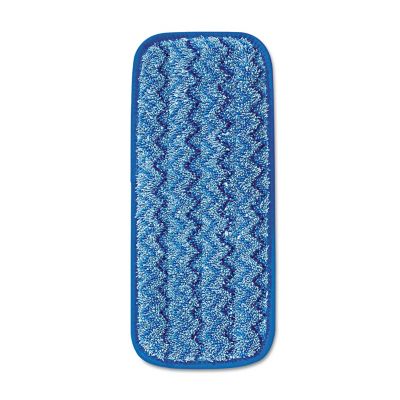
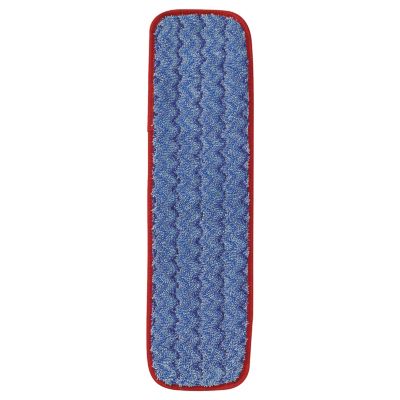
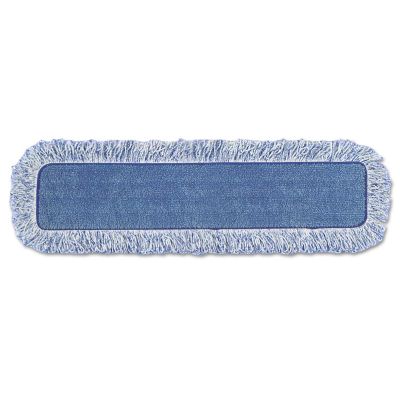
Care and storage make a difference in how well microfiber continues to perform. Shake a used cloth outdoors or over a trash can before laundering, then wash it in cold or warm water according to the care label. Avoid fabric softener, which can coat the fibers and reduce their ability to trap dust, and skip dryer sheets for the same reason. Air drying is gentle and helps preserve the cloth’s texture; if you use a dryer, choose low heat and leave out the dryer sheet. Wash microfiber separately from heavily linting towels, fleece and cotton rags when possible, since stray lint can cling to the fibers. Give the cloths a quick look before putting them away, checking for grit, wood finish residue, metal shavings or other particles that could scratch a delicate surface during the next use. Store clean cloths in a dry cabinet, basket or utility drawer, and keep a few within easy reach near the furniture that needs the most attention. They pair naturally with a broader floor-care routine, including
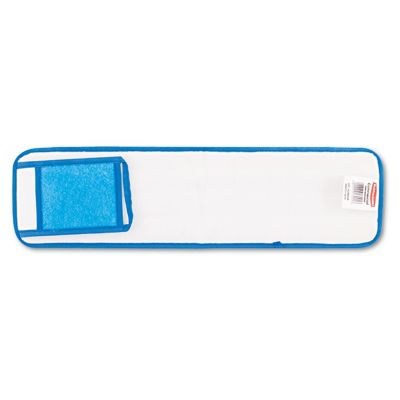
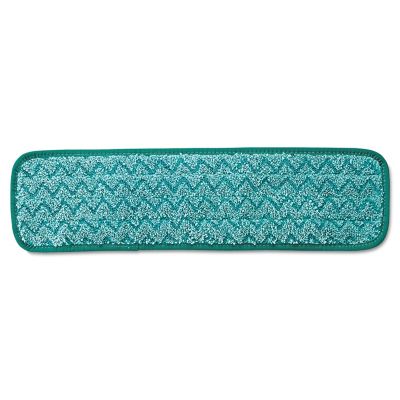
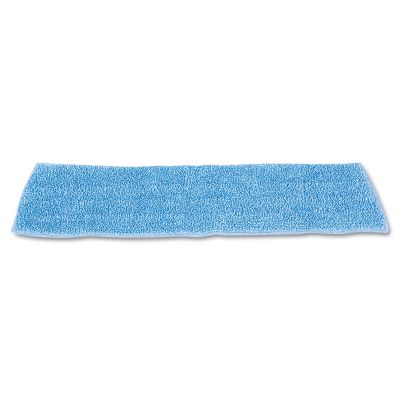
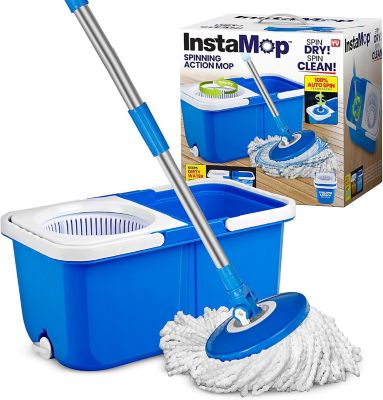
Mops With Washable Pads for hard floors where dust eventually lands. Keeping a small supply on hand can make quick touch-ups less of a chore: a few passes before guests arrive, a gentle wipe after chores in the barn or garage, or a simple Saturday cleanup before settling in for the evening. With the right size, weave and care routine, microfiber dusting cloths offer a reusable way to keep furniture looking neat while cutting down on disposable wipes and paper towels.