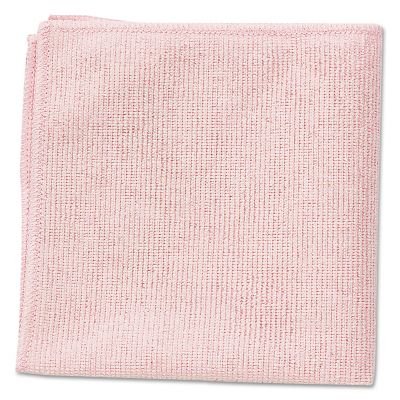
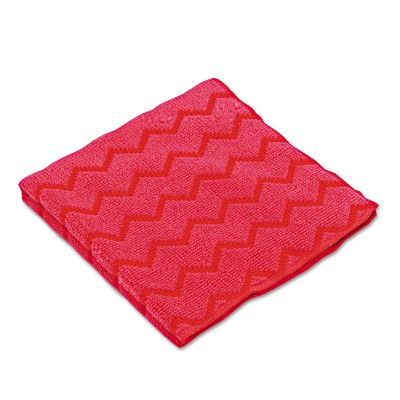
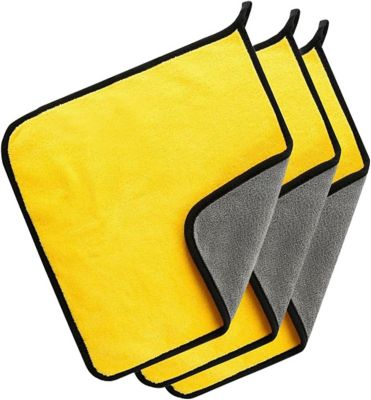
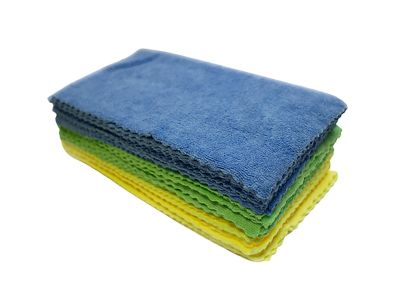
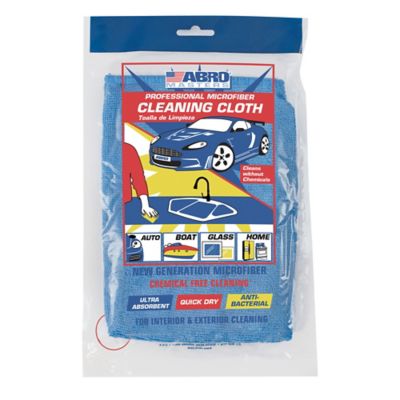
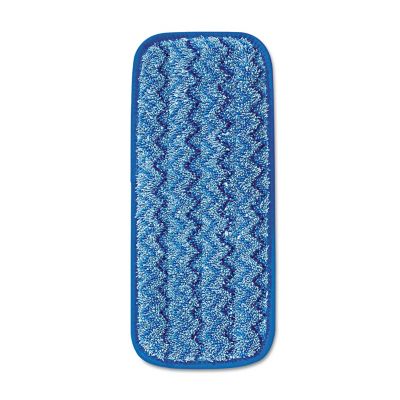
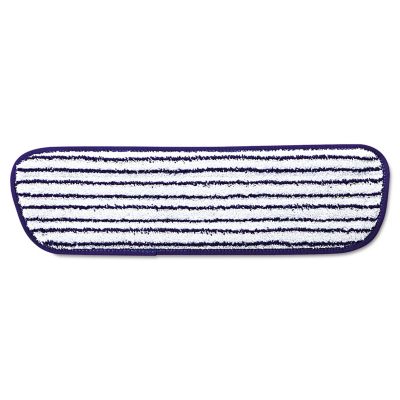
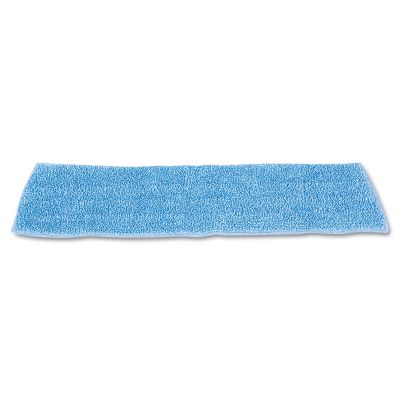
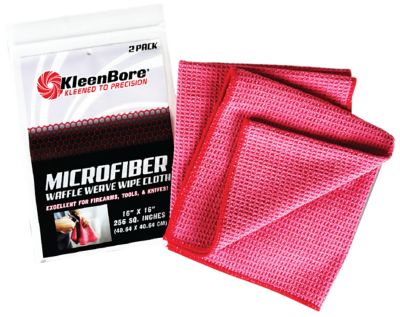
Microfiber cloths are a handy choice for cleaning baseboards, where dust, pet hair, tracked-in grit and everyday scuffs tend to gather in a narrow strip along the wall. The fine fibers catch loose dirt instead of simply pushing it across the trim, making them useful in farmhouses, family homes, cabins, apartments and any space where boots, paws and busy traffic bring extra grime indoors. A good cleaning routine usually starts with a dry microfiber cloth to lift surface dust before moisture is added. That first pass matters because wetting a dusty baseboard can turn loose dirt into a gray paste that takes more effort to remove. Look for cloths that feel soft and tightly woven, with a size that fits comfortably in your hand and an edge that will not leave lint behind. Larger cloths can be folded into several clean sections, while smaller cloths are easy to handle around corners, door trim and the narrow spaces behind furniture. A variety of colors can also help keep cleaning jobs separated, such as using one group for dusty trim and another for kitchen, bathroom or vehicle chores. If your household puts cloths through demanding work, consider browsing
Heavy Duty Cleaning Cloths for other tough cleanup tasks around the house, garage, barn or workshop. During the cooler months, when windows stay closed and heating systems circulate dry indoor dust, microfiber cloths make it easier to keep baseboards looking cared for without hauling out a bucket every time. They are also useful during fall and winter cleanup when muddy footwear, shedding pets and woodstove ash can leave a visible line along the lower walls.
For a deeper clean, use a simple three-cloth setup: one cloth for washing, one for rinsing and one for drying. After dry dusting, dampen the first cloth with warm water and a small amount of mild dish soap for painted baseboards. The cloth should be damp rather than dripping, since excess water can run into flooring seams, loosen paint or soak into trim joints. Work in manageable sections, wiping along the length of the baseboard and folding the cloth as one side picks up dirt. Follow with a second cloth dampened with plain water to remove soap residue, then finish with a dry cloth to catch remaining moisture and bring back a clean, even appearance. Painted wood and painted composite trim generally respond well to gentle wiping, but finishes can vary, so test any cleaning solution in a hidden spot first. For natural wood baseboards, use less water and a cleaner made for wood, following the surface manufacturer’s directions; standing moisture can dull the finish or cause swelling around seams. Avoid rough scrubbers and strong chemicals unless the care instructions specifically allow them. Light black marks from shoes or furniture may come away with careful rubbing, while a small amount of baking soda can help with some painted surfaces when used gently. A melamine sponge may remove stubborn scuffs, but it can also take off paint or sheen if pressed too hard, so use it sparingly and test first. Microfiber cloths are especially useful for homes with children, dogs, cats or livestock chores because they can pick up the fine film left behind by daily activity without requiring a harsh cleaner. They are also convenient for older family members or anyone who prefers a lighter, less cumbersome cleaning routine. A neatly folded stack makes a practical housewarming gift, new-home gift or useful addition to a care package for a college student, renter, first-time homeowner or relative settling into a rural property.
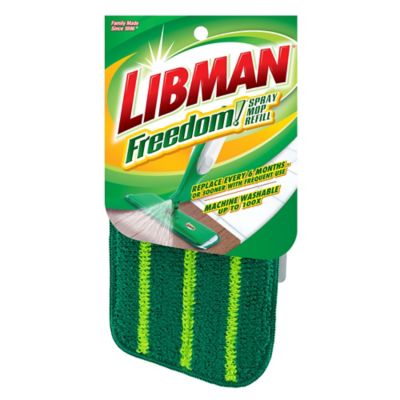
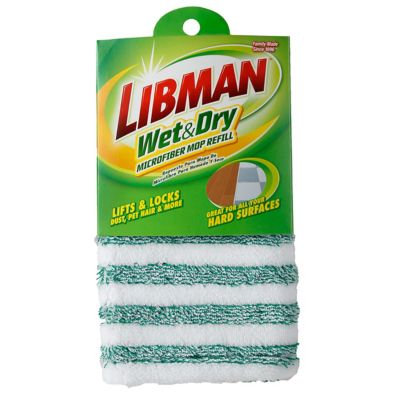
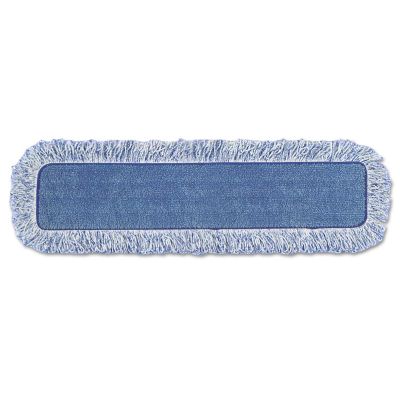
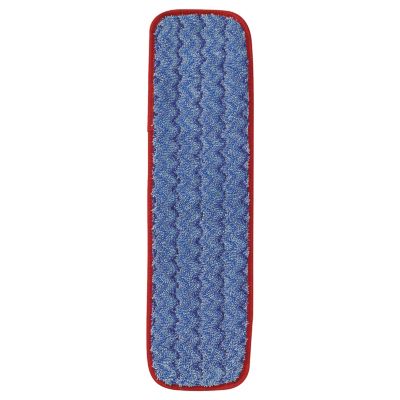
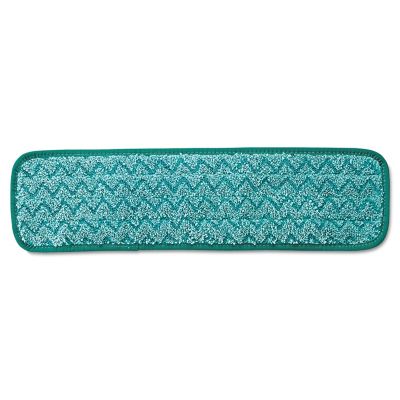
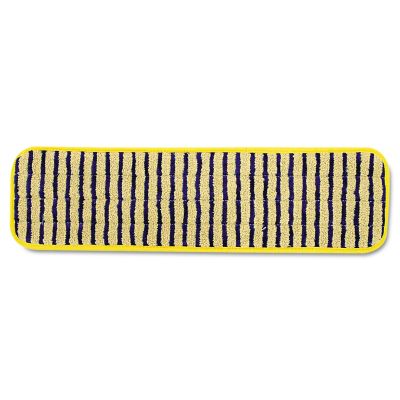
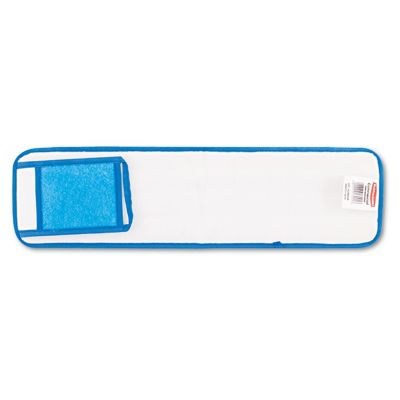
Not every baseboard job needs to happen on your knees. For rooms with long stretches of trim, wrap a microfiber cloth around a broom head and secure it firmly with rubber bands, or attach a compatible microfiber pad to a flat floor-cleaning tool. This approach helps reach behind furniture and along open walls while standing, though the cloth should be fastened tightly so it does not slip and leave dust behind. Use a hand-held cloth for corners, stair edges, around radiator covers and places where the baseboard meets the floor. The best cloths for these jobs are absorbent enough to handle a light wash, quick to wring out, durable enough for repeated laundering and soft enough for painted or finished surfaces. Check care instructions before washing, and avoid fabric softener or dryer sheets when the manufacturer advises against them, since residue can reduce the fibers’ ability to pick up dust and moisture. Wash heavily soiled cloths separately from clothing and inspect them for grit before using them on delicate trim. Keeping a small basket or bin near cleaning supplies makes it easy to collect used cloths until laundry day, while a few clean ones tucked into a utility room, mudroom or laundry area can be ready after muddy chores or a busy weekend. Whether the goal is a quick dusting before company arrives, a full house reset after indoor projects or routine upkeep through the changing seasons, microfiber cloths help turn an often-overlooked chore into a manageable part of home care. Clean baseboards give rooms a finished look, especially when sunlight catches the lower walls and shows every dusty edge, and having the right cloth close at hand makes it easier to keep that detail from piling up.