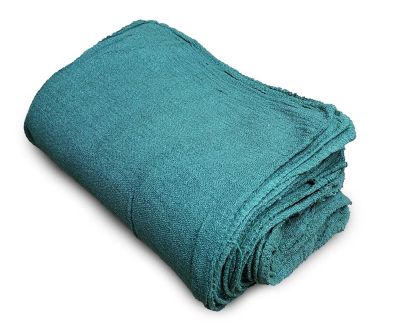
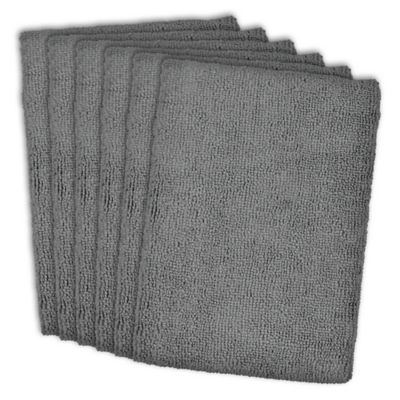
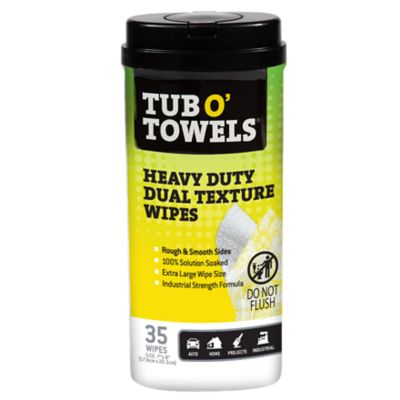
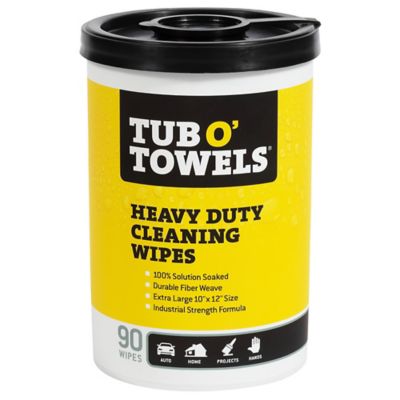
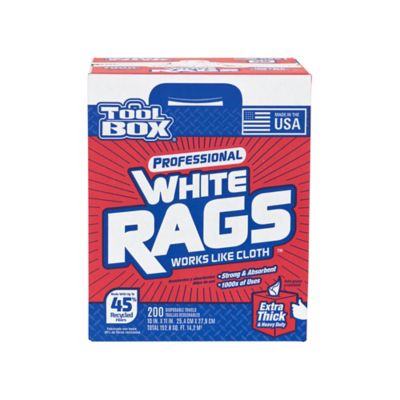
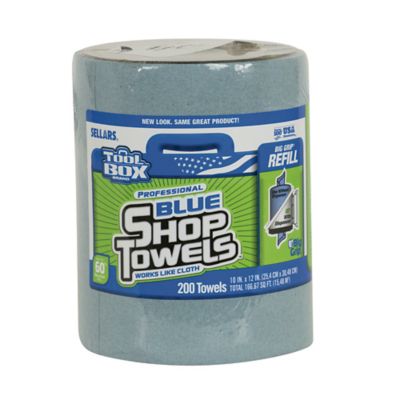
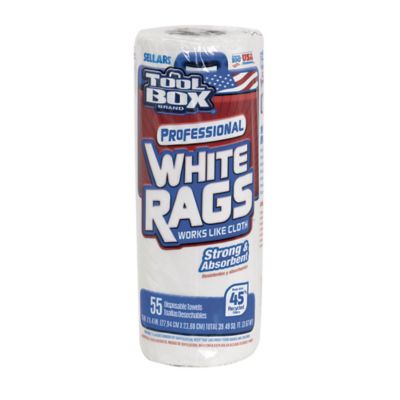
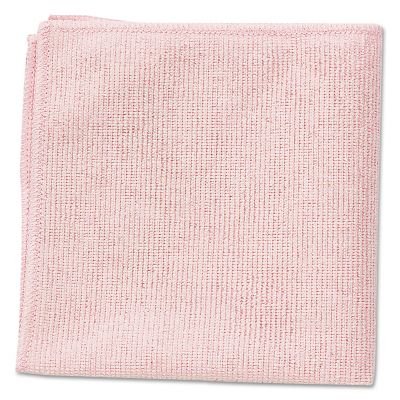
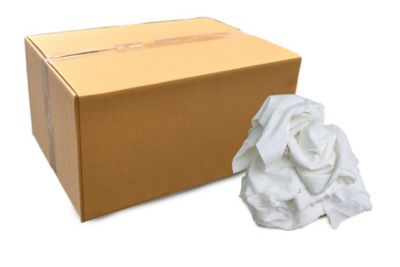
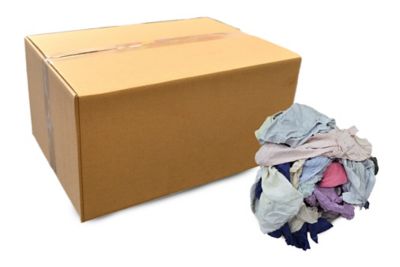
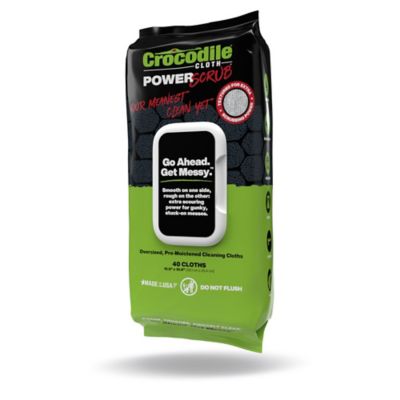
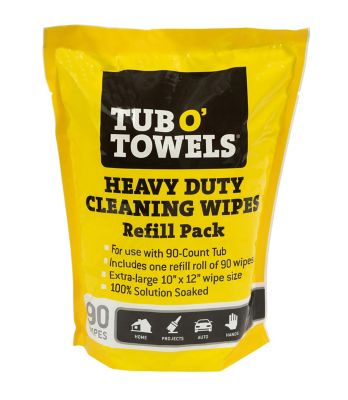
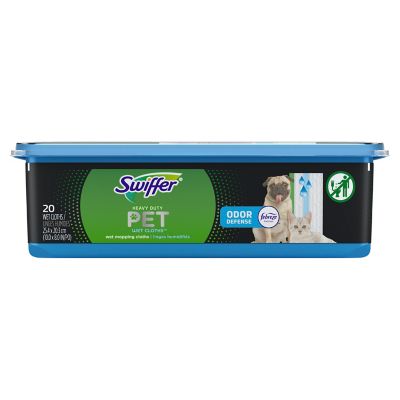
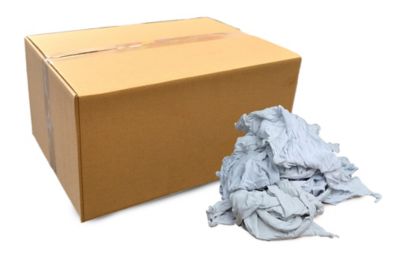
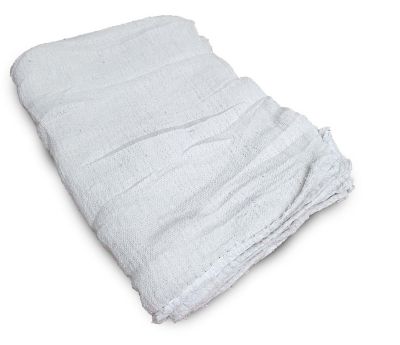
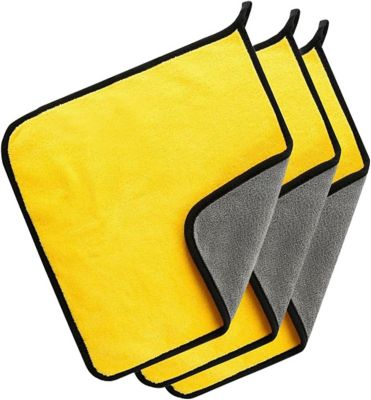
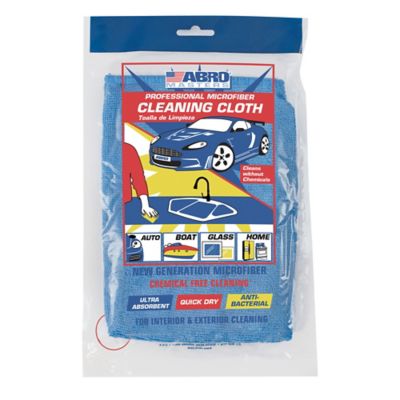
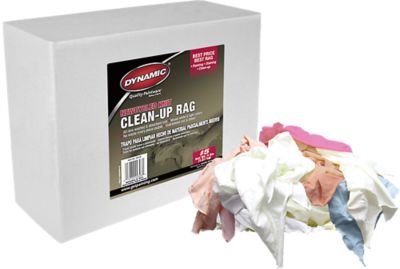
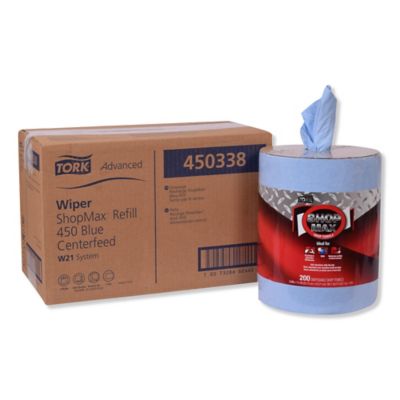
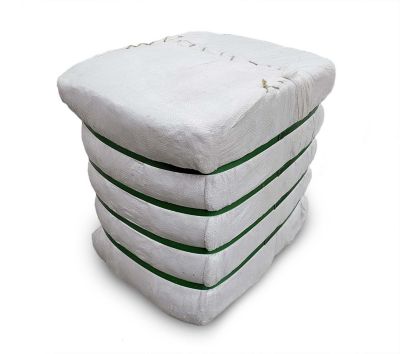
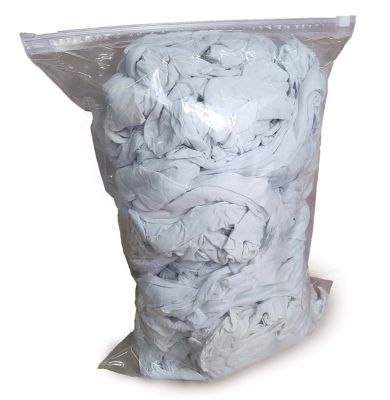
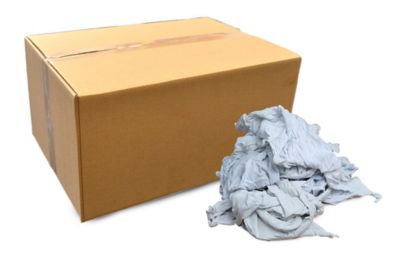
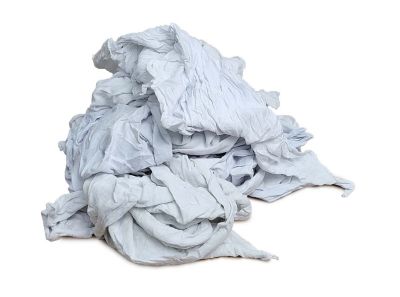
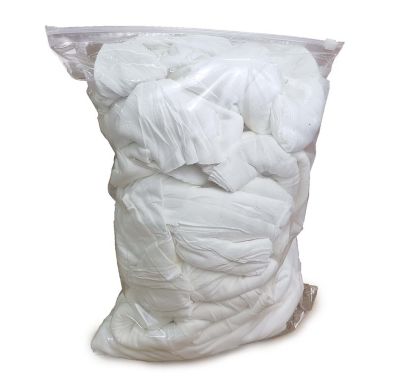
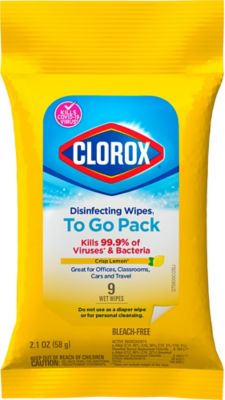
Heavy-duty cleaning cloths tackle the grease, grit, spills, and stubborn residue that come with keeping a shop, barn, garage, or work truck in order. The main types include reusable microfiber cloths, cotton shop rags, dry industrial wiping cloths, and premoistened cleaning wipes. Each has a different role: microfiber helps lift fine dust and wipe away films, cotton absorbs liquids and handles everyday mechanical cleanup, and industrial wiping cloths offer strength for demanding wiping jobs. Premoistened wipes combine a cloth with a cleaning solution, making them handy for messes away from a sink when their formula suits the surface. A tractor owner wiping an oily wrench needs something different from a homeowner cleaning fingerprints off a finished cabinet, even though both jobs call for a cloth that holds together. Material, absorbency, lint level, and compatibility with the cleaning agent matter more than thickness alone. A substantial cloth can hold more liquid and give your hand some cushioning, but a thinner, tightly constructed wipe may reach narrow spaces more easily. Heavy-duty construction also does not automatically mean abrasive; some cloths have a soft wiping face, while others have a textured surface intended to loosen stuck-on grime. Around equipment, a cloth needs enough strength to withstand repeated passes over rough metal without falling apart at the first snag. Around glass, painted panels, and polished surfaces, a clean, low-lint cloth with an appropriate texture matters more than aggressive scrubbing. Size makes a practical difference, too. Larger cloths fold into several working faces for broad surfaces, while smaller cloths fit around handles, brackets, and tight corners. For folks moving between a workbench and a parked piece of equipment, a manageable cloth that stays folded in the hand can be easier to control than an oversized rag. Matching the cloth to the mess helps keep cleanup straightforward, whether the job is a quick wipe before putting tools away or a more involved cleanup after maintenance.
The fibers and construction behind heavy-duty cleaning cloths explain much of how they feel and perform. Microfiber typically contains polyester and polyamide, with fine fibers that help collect dust and lift residue. It works well for many general cleaning tasks, either dry for dust pickup or damp for wiping, depending on the cloth and surface directions. A longer pile can hold loose particles within the fabric, while a shorter pile offers close contact for wiping smoother surfaces. Fabric weight, sometimes listed in grams per square meter, describes how much material is present, but that number alone does not establish absorbency, lint performance, or resistance to tearing. Cotton shop rags have a familiar, absorbent feel and suit many tasks around greasy tools, metal parts, and work surfaces. Their weave, edges, and condition affect how much lint they leave behind, so they are not automatically the right match for glass or precision components. Dry industrial wiping cloths may combine cellulose with synthetic fibers to balance liquid pickup and wet strength. Some are intended for a single task, while others can withstand additional wiping or rinsing when the manufacturer allows it. Premoistened heavy-duty wipes bring another consideration: the cleaning formula. A wipe intended for grease removal may not suit unfinished wood, sensitive plastics, upholstery, or every painted finish. Likewise, a surface-cleaning wipe is not necessarily suitable for hands, and cleaning claims do not establish disinfecting performance. Label directions identify appropriate surfaces, handling precautions, and any rinsing requirements. For painted tractor panels or a truck interior, testing an inconspicuous spot helps avoid an unwanted mark. On a bench covered with metal filings, lifting away loose debris before wiping helps prevent scratches. No cloth stays gentle once grit is caught in its fibers. Edge construction matters on delicate finishes as well, since a stiff seam or attached tag can drag across the surface even when the main fabric feels soft.
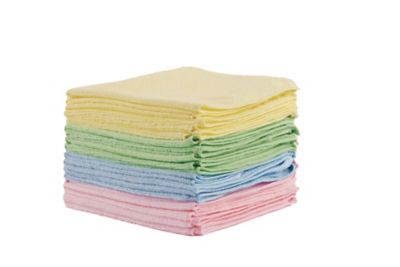
Day-to-day fit comes down to how cleaning cloths work with the chores already on your list. Farm operators, mechanics, contractors, and homeowners may all need them, but their cleanup routines can look quite different. A cloth for wiping dust from shelving does not face the same wear or contamination as one handling axle grease. Keeping separate cloths for oily mechanical work, household surfaces, and animal-care areas helps limit the transfer of residue between jobs. Different cloth colors can make those assignments easier to recognize at a glance, especially when several people share a shop. Reusable cleaning cloths make sense where laundering is practical and the mess is suitable for washing; disposable wiping cloths suit tasks where retaining a heavily soiled rag would complicate cleanup. Neither approach replaces proper handling of the substance being removed. Cloths carrying solvents, certain finishes, or other hazardous residues need disposal or storage that follows the chemical label and local requirements. Rags containing drying oils can generate heat as they oxidize and should never sit crumpled in a pile. Ordinary washable cloths also benefit from care that matches their material. Microfiber generally calls for washing without fabric softener, which can coat the fibers and reduce performance, along with drying settings permitted by the care label. Cotton cloths may shrink or shed lint, and dyed fabrics may release color, particularly during early washes. Separating suitable cleaning laundry from clothing helps keep grime from moving into the household wash. Between tasks, clean cloths belong somewhere dry and protected from grinding dust, spilled chemicals, and loose hardware. Premoistened wipe containers need a properly closed lid to keep the remaining sheets from drying out. Cloths handle the close work on benches, tools, and equipment, while
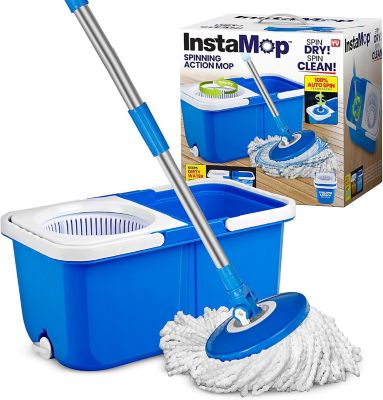
Heavy Duty Mop Heads serve the broader floor-cleaning side of shop and utility-room upkeep. Together, the right wiping and floor-cleaning supplies support a workspace where a fresh spill can be addressed promptly, tools go back without a coating of grime, and the next job starts on a cleaner surface.