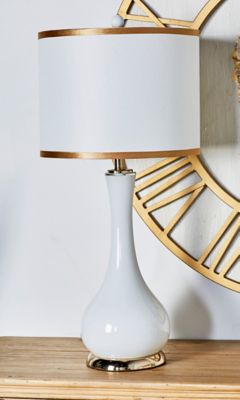
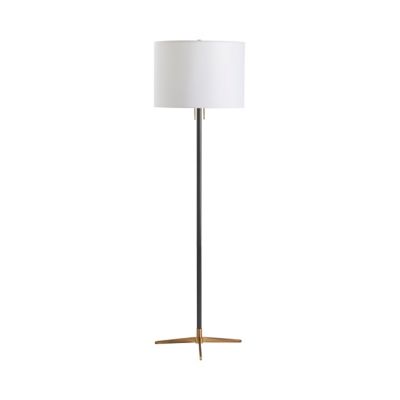
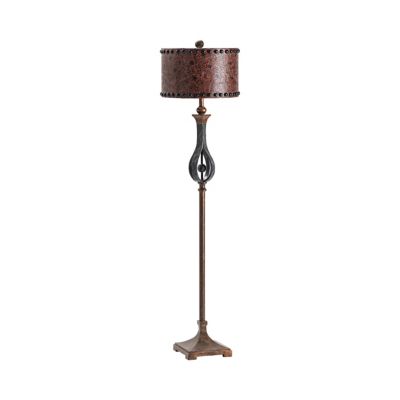
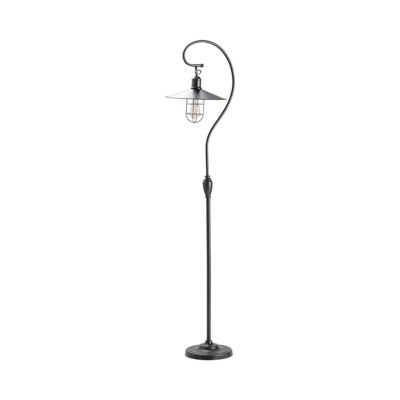
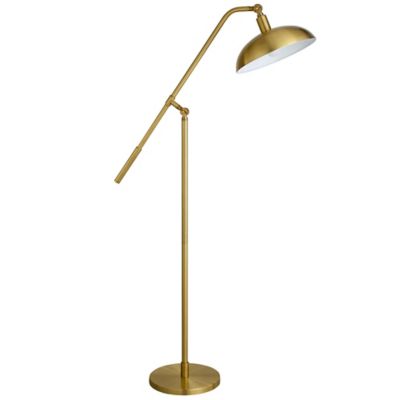
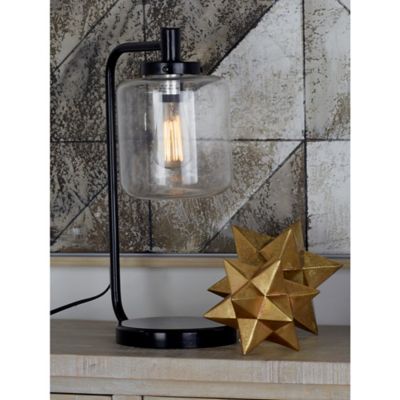
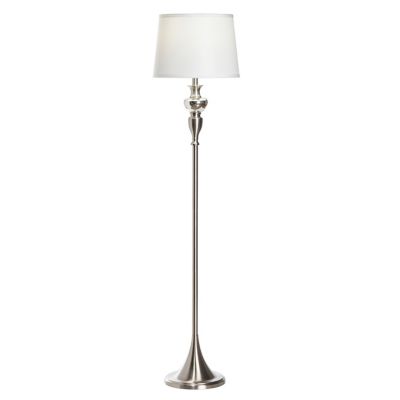
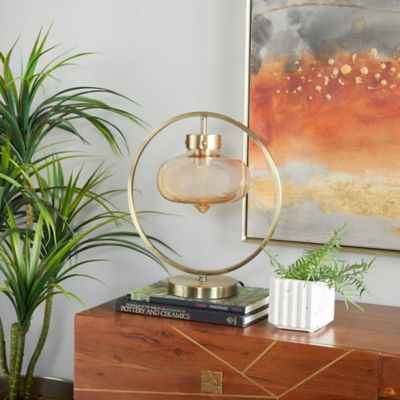
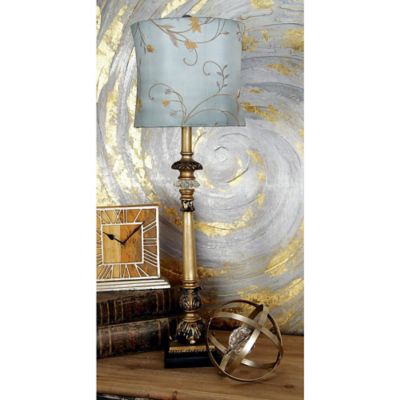
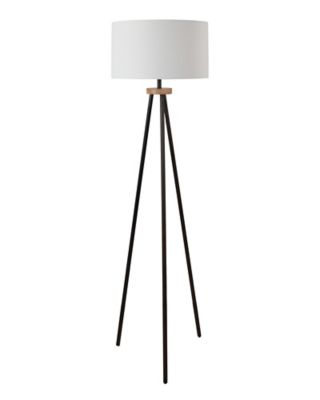
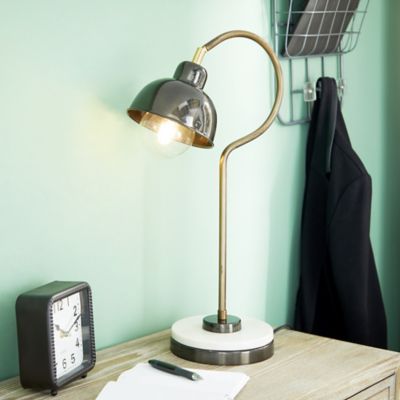
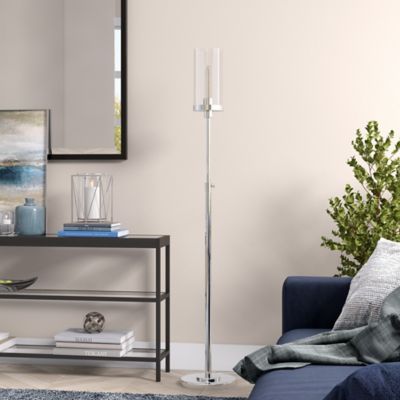
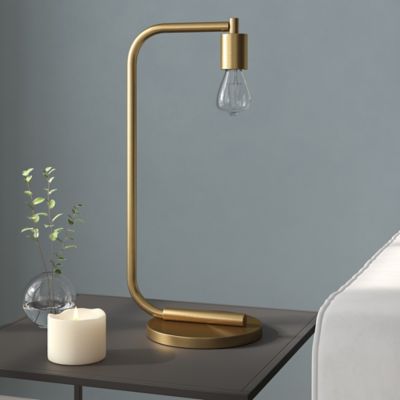
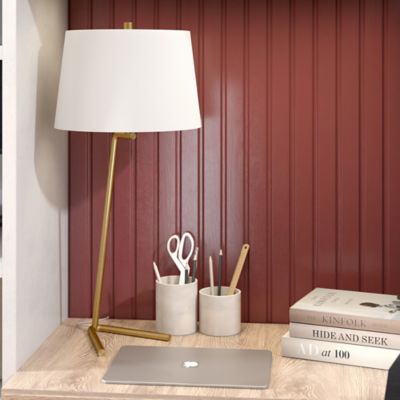
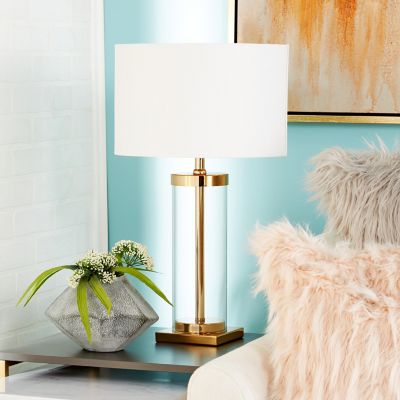
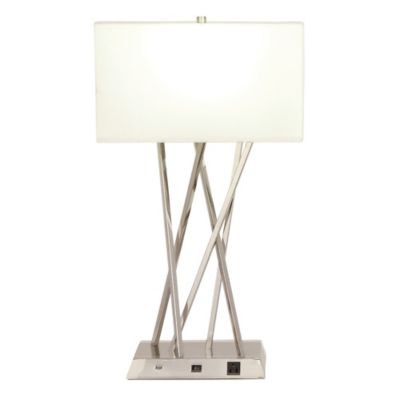
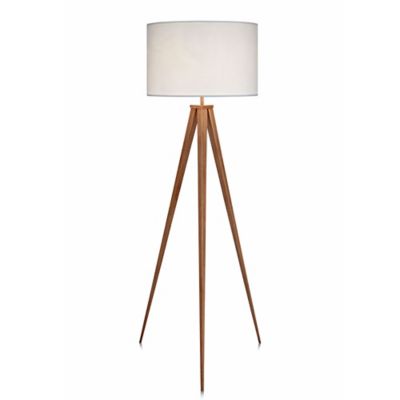
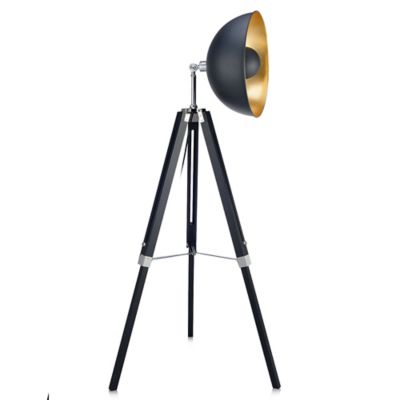
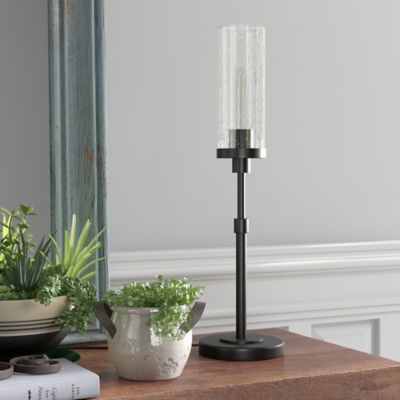
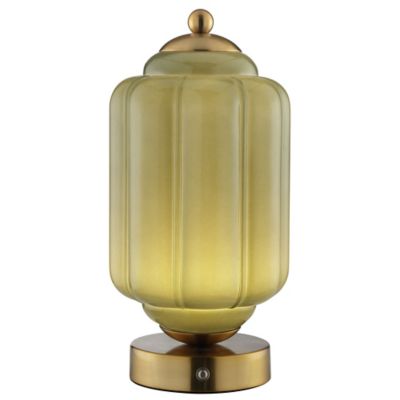
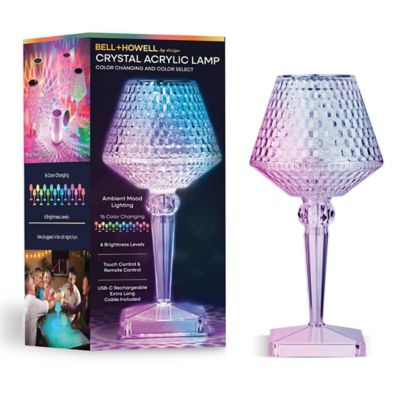
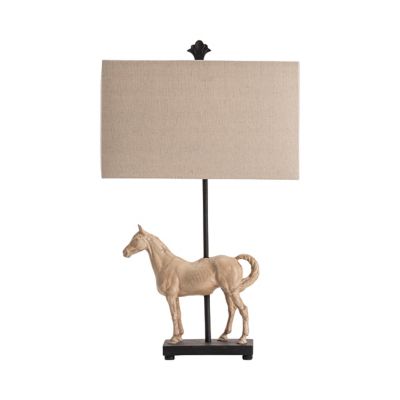
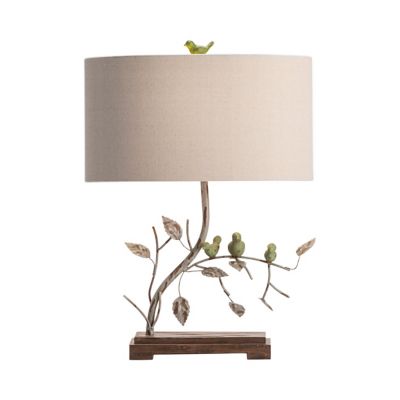
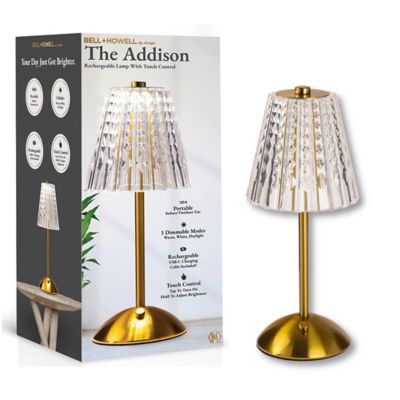
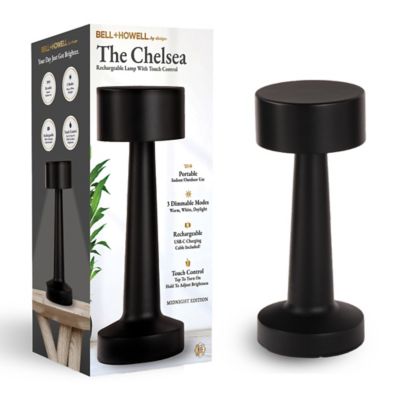
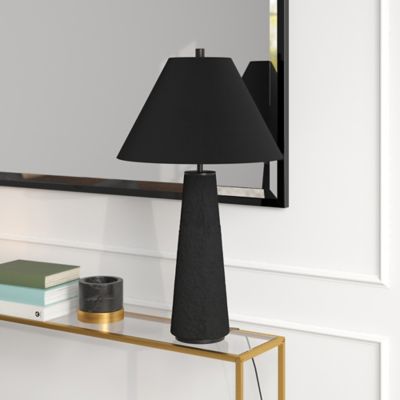
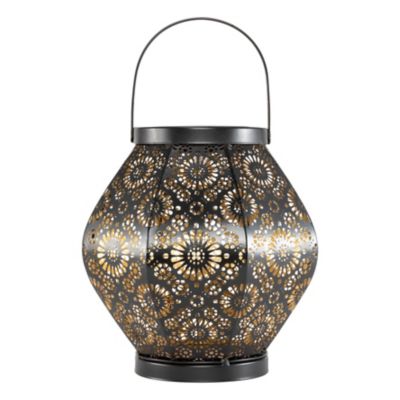
Metal lamps bring a grounded, practical look to a room, with enough variety to suit a farmhouse living room, a small-town apartment, or a quiet office off the kitchen. Their appeal comes partly from the material itself: steel can form slim stems and crisp edges, iron lends itself to substantial bases and open frames, and aluminum makes lighter designs possible. Brass brings a warmer tone, whether its surface is bright and polished or softly brushed. The finish matters just as much as the shape. Matte black stands out against pale walls and looks right at home beside wood shelving, while brushed silver tones blend easily with nearby hardware and appliances. A bronze-colored finish can pick up the brown tones in a leather chair or an oak end table without matching every piece in the room. Some lamps pair a metal body with a fabric shade for softer light; others carry the metal through the shade, directing illumination toward a book, a desktop, or a favorite chair. A simple turned base feels different from an angular arm or a wide dome, even when both lamps share the same color. That range makes metal lighting a natural fit for homes where furniture has come together over time rather than as a matching set. Alongside painted cabinets, woven baskets, and a well-worn wooden table, a metal lamp adds contrast without making the room feel fussy. Cleaner silhouettes also sit comfortably with
modern lamps, especially in spaces with straightforward furniture and fewer accents. For a reading corner beside the family bookshelf or a console near the front door, the right shape gives the light a clear place and purpose. Metal can look rugged or refined, but a lamp still needs to feel at home among the things people reach for every day.
Size and light direction have a lot to do with how comfortably a metal lamp fits into daily life. A table lamp needs enough room for its base and shade without crowding a coffee cup, a stack of mail, or the book waiting on the nightstand. Shade width deserves attention along with base width, particularly on narrow shelves and small side tables. A tall lamp on a low table may put an exposed bulb directly in a seated reader’s line of sight, while a shade that sits too low can leave a work surface dim. Beside a chair, a useful arrangement places the light near the reading area while keeping glare out of the reader’s eyes. Floor lamps bring light to places without spare tabletop space, though their bases and cords still need to sit clear of walking paths. An arched arm may reach over a chair, while a straight stem takes up less visual space in a tight corner. On a desk where household bills share space with seed catalogs and a notebook, an adjustable arm can help direct light where it is needed. Adjustment points should hold their position securely, and switches should be within easy reach from the usual seat. Shade construction changes the effect, too. An opaque metal shade generally concentrates light through its opening, whereas a fabric shade lets more light spread around the room. Open shades and exposed bulbs create a different look but can also make bulb brightness more noticeable. Bulb base, maximum wattage, and any dimmer requirements depend on the lamp’s specifications. LED compatibility is worth checking rather than assuming, especially when a dimming control is involved. Light color also affects the setting: warmer tones tend to feel relaxed beside a sofa, while a more neutral tone can suit paperwork or detailed hobbies. Metal finishes reflect nearby light differently, so a shiny surface may catch bright highlights where a matte surface looks quieter.
Everyday care helps metal lamps keep their appearance, and the best approach depends on both the finish and any other materials in the design. Painted, plated, lacquered, and bare metal surfaces do not all respond the same way to cleaners. A soft, dry cloth is often enough for routine dusting, with the manufacturer’s care directions taking priority for anything more involved. Abrasive pads and harsh cleaners can scratch a coating or change its sheen, and metal polish is not appropriate for every metal-looking finish. A brass-colored lamp, for instance, may have a plated or painted surface rather than a solid brass body. Lamps should be unplugged and allowed to cool before cleaning, with moisture kept away from sockets, switches, and electrical connections. Fabric shades, glass sections, and joints may need separate attention so dust does not settle into seams and edges. Construction matters over the long haul as well. A steady base, secure fittings, and smooth adjustment points help a lamp stand up to ordinary household handling. Weight alone does not tell the whole story; the balance between the base, stem, and shade affects stability, especially with an extended arm. Felt or other protective material beneath the base can help guard a finished tabletop against marks. In homes with children or pets, placement matters as much as the lamp itself, with cords tucked away from busy routes and lamps set where they are less likely to be knocked over. Indoor lighting belongs in the setting it is rated for; a metal body does not make a lamp suitable for a damp porch or a dusty work area. As a housewarming gift or a useful addition to a first apartment, a metal lamp offers something that can earn its place every evening. A manageable footprint, an easy-to-reach switch, and a finish that works with existing furniture make it easier to settle into someone’s home, whether it ends up beside a favorite recliner or on the desk where the day’s loose ends get tied up.