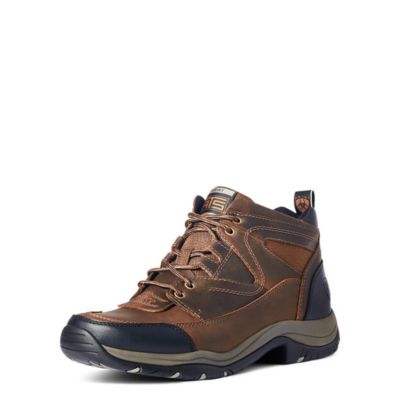
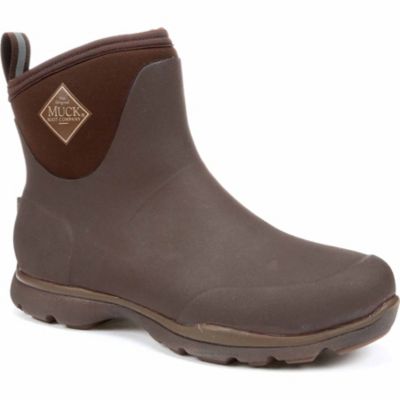
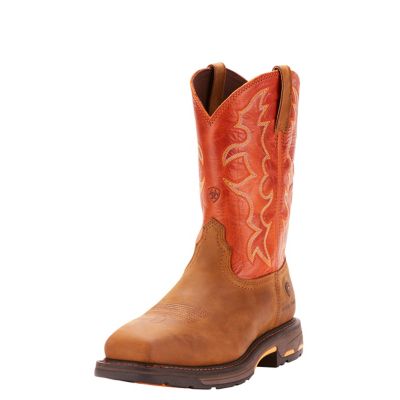
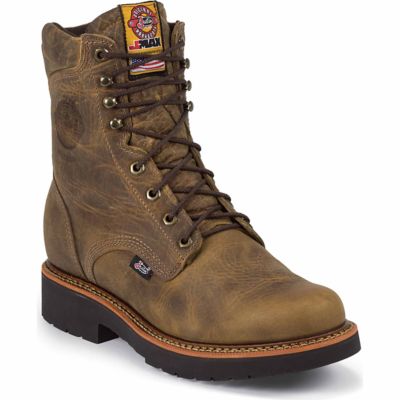
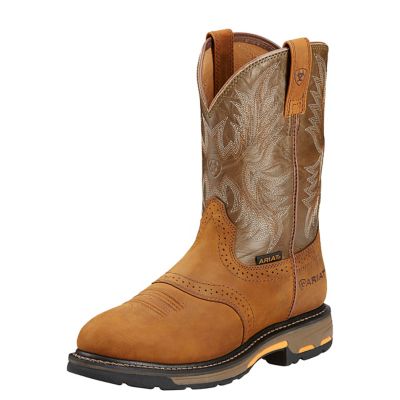
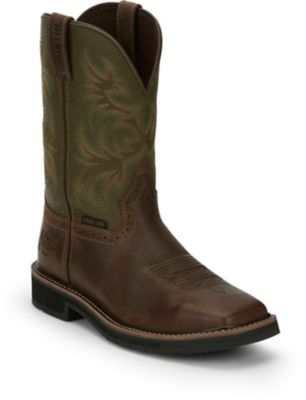
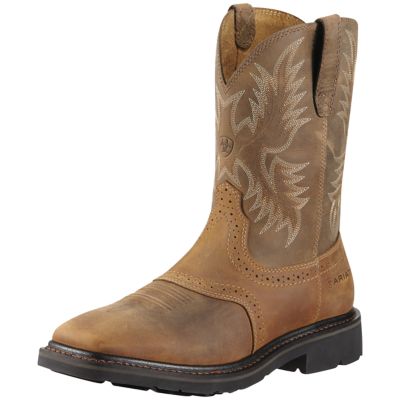
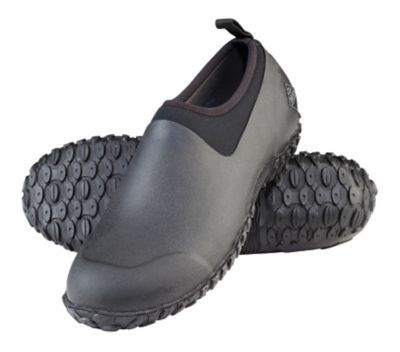
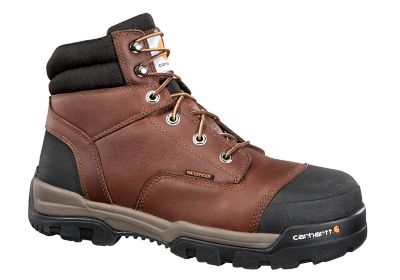
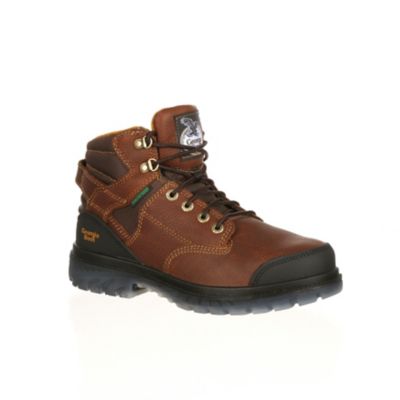
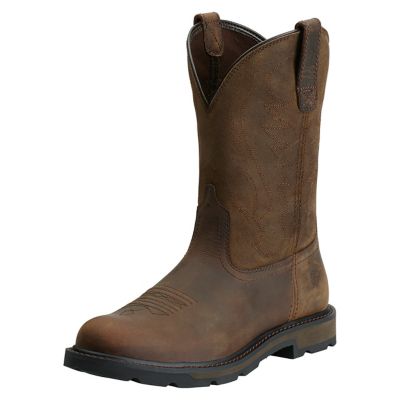
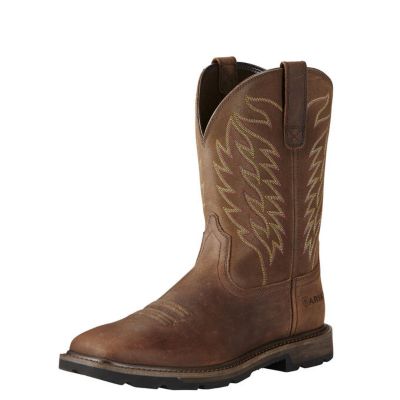
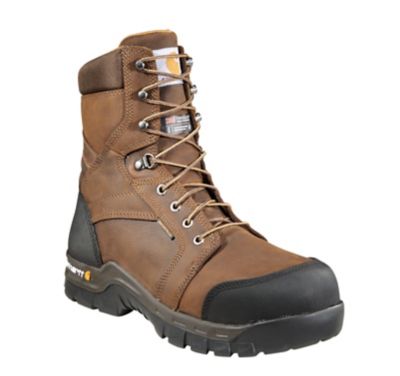
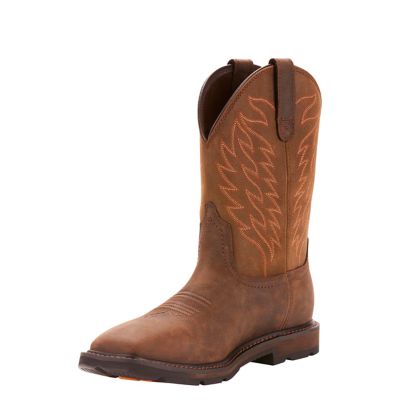
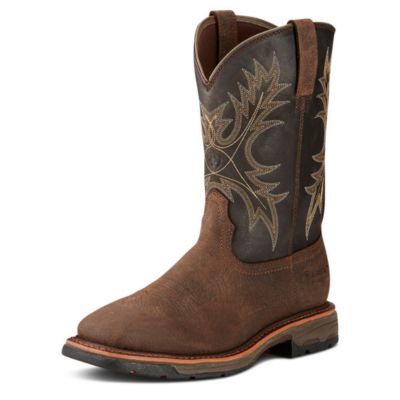
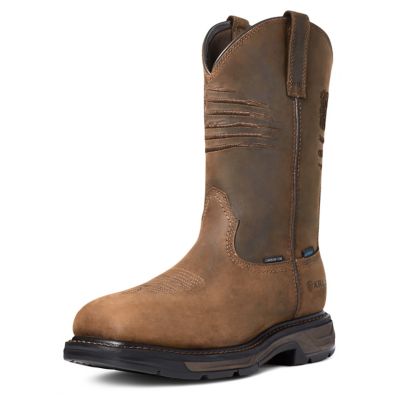
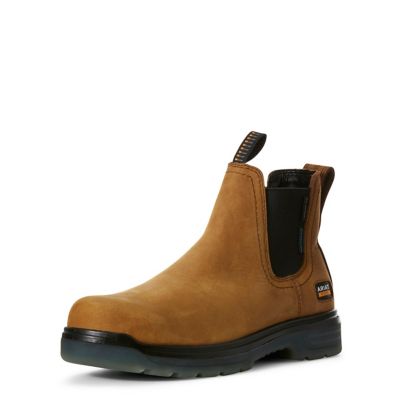
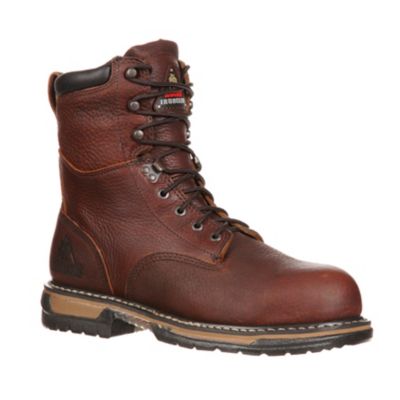
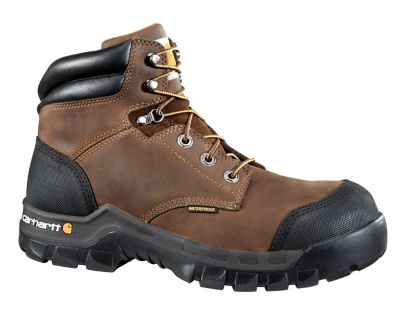
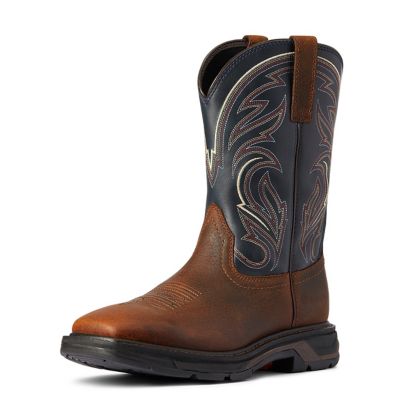
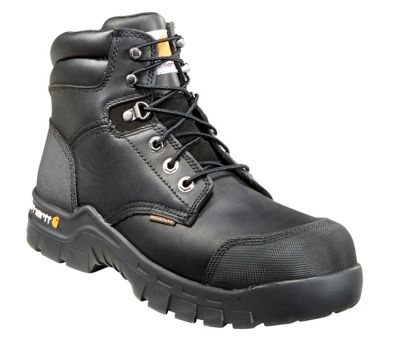
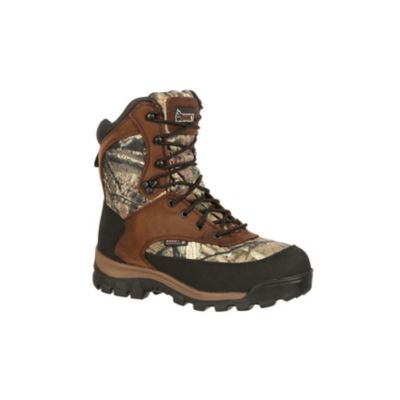
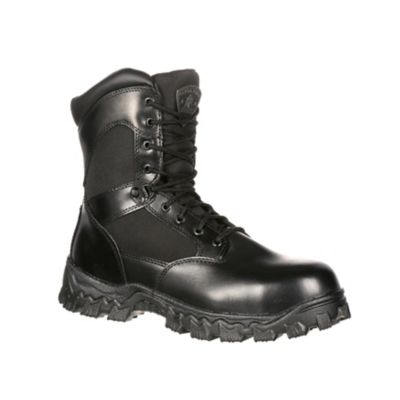
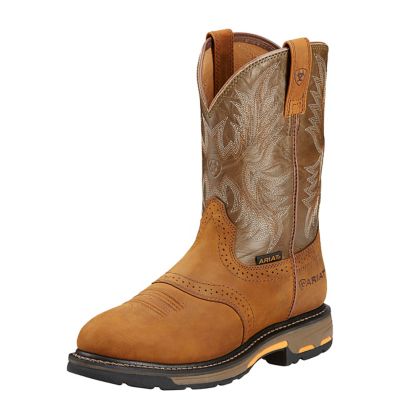
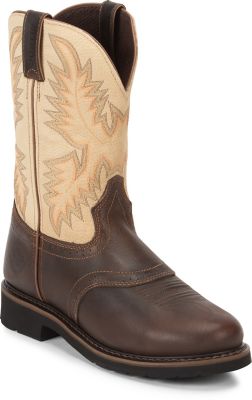
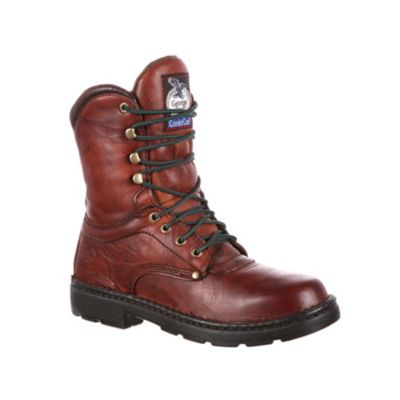
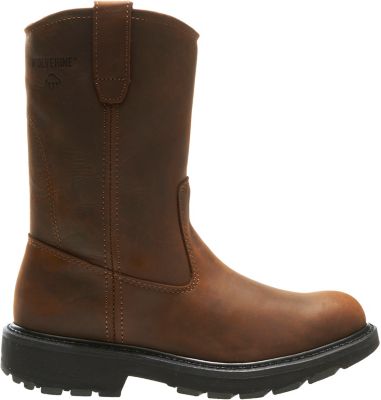
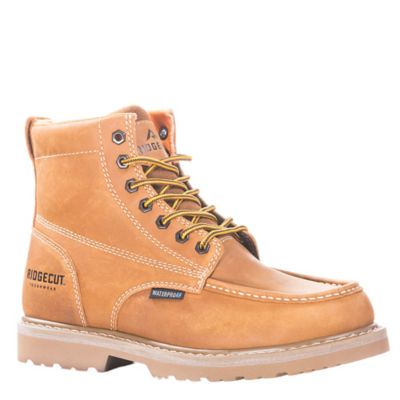
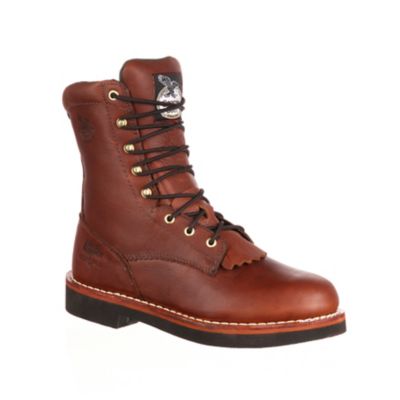
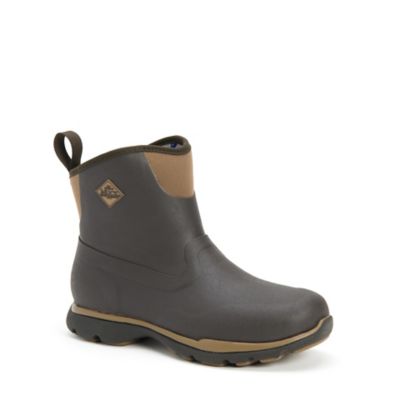
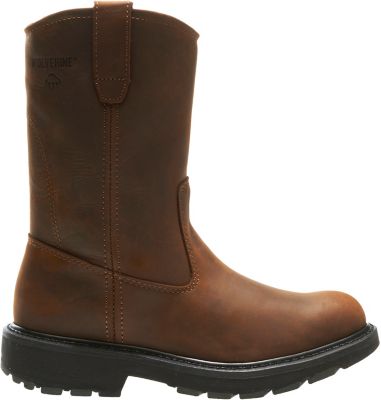
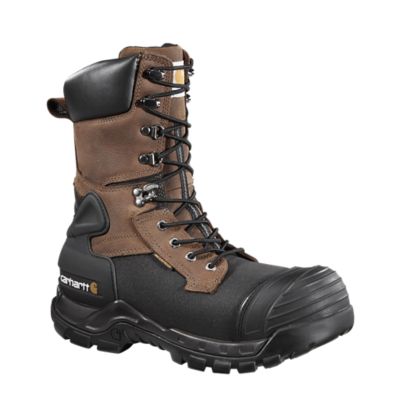
Men’s work boots with ankle support bring together a secure fit, structure around the ankle, and a steady base underfoot for jobs that keep a person moving. Whether the day involves carrying feed across a gravel lot, checking fence lines, or walking between a shop floor and a loading area, the whole boot matters—not just how high it reaches up the leg. Many supportive work boots have shafts around 6 to 8 inches tall, giving the upper room to wrap above the ankle bone. That extra coverage can help create a more supported feel, but height alone does not determine stability. A firm heel counter, which is the shaped section surrounding the back of the heel, helps limit unwanted heel movement. Laces running through sturdy eyelets or speed hooks allow the fit to be adjusted across the instep and around the ankle, while a padded collar cushions contact with the leg. The collar should feel snug without digging in when bending down to latch a gate or stepping onto a tractor platform. Leather uppers offer substantial structure and resistance to everyday scuffs, with full-grain leather often feeling firmer at first before gradually conforming to the foot. Boots combining leather with textile panels may offer more flexibility and a lighter feel, depending on their construction. Neither a tall shaft nor thick padding makes a boot an ankle brace, and work footwear cannot guarantee protection against a rolled ankle. Instead, ankle support comes from several parts working together: a well-fitting upper, a secure heel, and a sole suited to the ground beneath it. That combination matters to ranch hands, equipment operators, construction crews, and anyone whose chores involve uneven footing or frequent changes in direction. For someone moving from packed dirt to concrete throughout the day, a supportive boot needs enough structure to feel steady without making every crouch, step, or climb a struggle.
Fit makes a big difference in how men’s ankle-support work boots feel through a full day. A boot that is too roomy can let the foot slide even when the laces are tight, while an overly narrow shape can pinch the forefoot and encourage an awkward stride. The heel should sit securely, the toes need room to move, and the widest part of the foot should line up with the widest part of the boot. Trying boots with the same work socks worn on the job gives a better sense of that fit. Both feet deserve attention, especially when one is slightly larger, and walking, bending, and stepping onto a low platform can reveal pressure points that standing still misses. Some leather stiffness may soften with wear, but toe crowding, numbness, or a collar rubbing directly against the ankle bone should not be treated as normal break-in discomfort. Underfoot, cushioning and support serve different purposes. Cushioning softens the feel of each step, while a shaped footbed and supportive midsole help maintain a stable platform. A shank, positioned between layers of the sole in some boot constructions, can add structure through the midfoot and reduce excessive bending. Outsole shape matters, too. Deeper lugs can find purchase on loose ground, while flatter tread patterns may provide more contact on smooth work surfaces; traction still depends on the surface and any material covering it. Slip-resistance claims should be checked against the actual job conditions rather than taken as a promise against falls. Toe protection is another separate consideration. Steel and composite safety toes address impact and compression hazards when they meet the required standards, while soft-toe boots suit tasks without that requirement. Neither toe type establishes how much ankle support a boot provides. Employer requirements, including any electrical-hazard rating, belong alongside fit and traction in the selection—not as an afterthought once the boots reach the jobsite. A safety label describes a particular tested feature, not protection from every workplace hazard.
Construction and care help determine how well supportive work boots hold their shape through repeated wear. Reinforced stitching, secure lace hardware, and substantial material around the heel are worth attention because those areas handle repeated pulling, flexing, and abrasion. Welted construction joins the upper and sole through a stitched welt and may allow resoling, depending on the boot and repair service. Cemented construction bonds the sole to the upper and often allows a more flexible feel, though it is generally less suited to sole replacement. Neither method tells the whole story; the boot’s materials, design, and daily workload all affect its service life. A pair worn mainly on concrete faces different demands from one regularly dragged against brush, gravel, and equipment steps. Knocking loose dirt from the tread and brushing debris from seams keeps grit from building up in places that flex. Leather care should follow the manufacturer’s directions, with a suitable cleaner and conditioner rather than a heavy application of an unrelated household oil. Boots need time to dry after cleaning or exposure to water, away from direct heat that can affect leather and bonded components. Removable footbeds can be taken out for airing when the care instructions allow it. Frayed laces, bent hooks, worn-down tread, separating soles, and a heel counter that no longer holds its shape are signs that attention or replacement may be needed. For feet that also need more underfoot structure,
Men's Boots With Arch Support offers a related footwear category, though arch support and ankle support are not interchangeable. Replacing a footbed can change interior space and heel position, so any added insert needs to work with the boot’s fit. As a practical gift for someone starting a trade or spending long days tending property, work boots are best matched to that person’s size, preferred width, and job requirements. The right match feels secure through ordinary movements and makes sense for the work waiting outside the door.