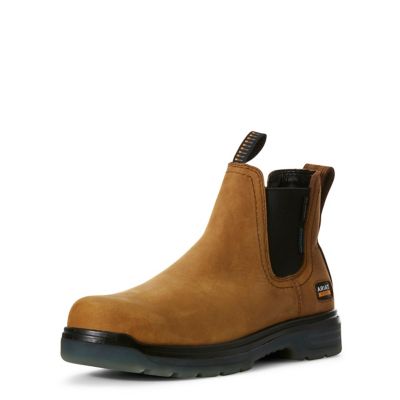
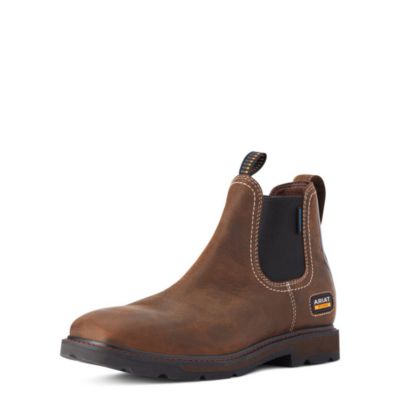
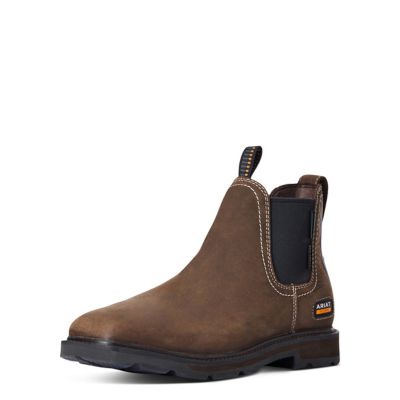
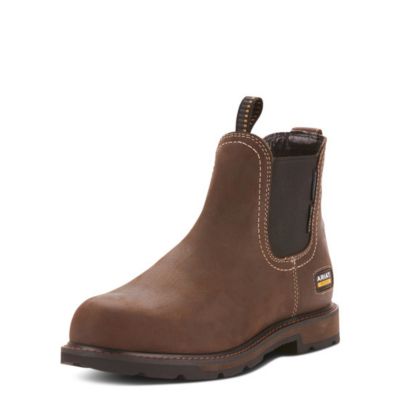
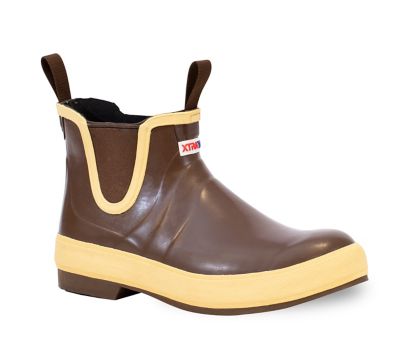
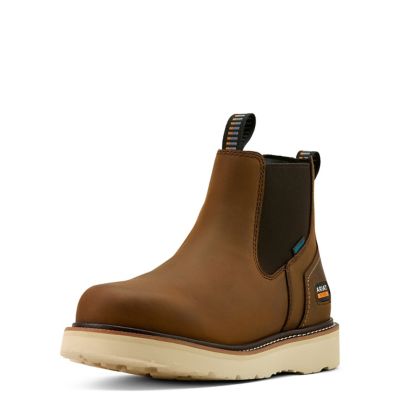
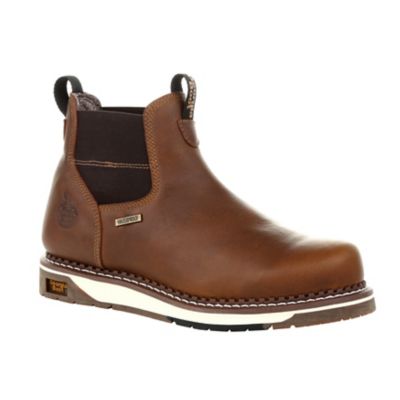
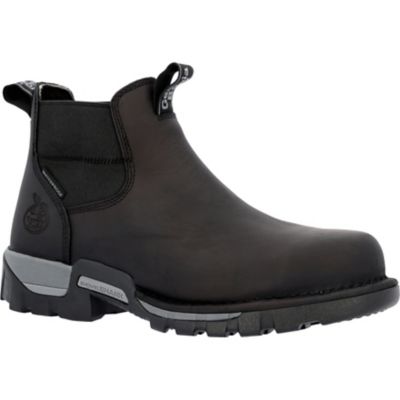
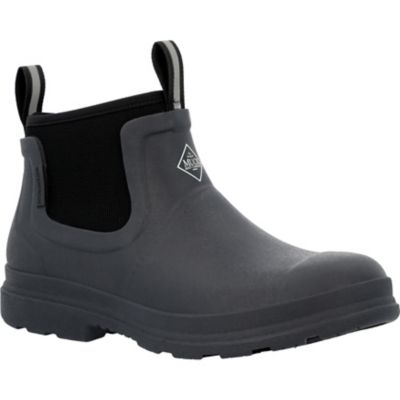
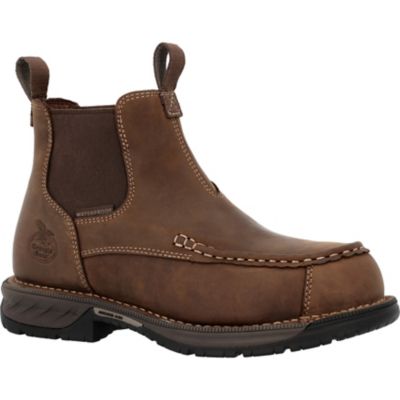
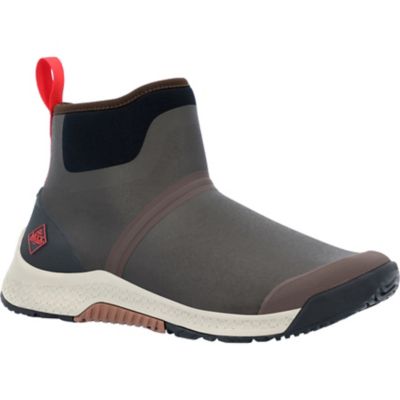
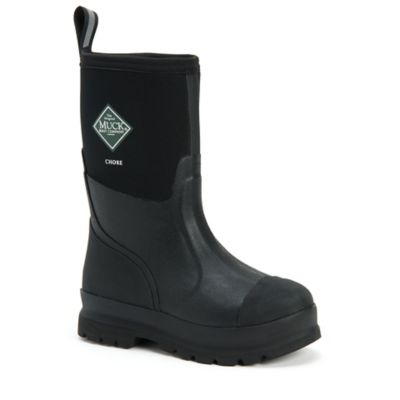
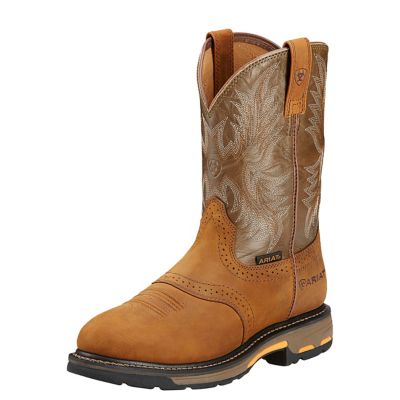
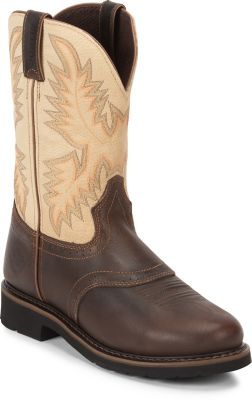
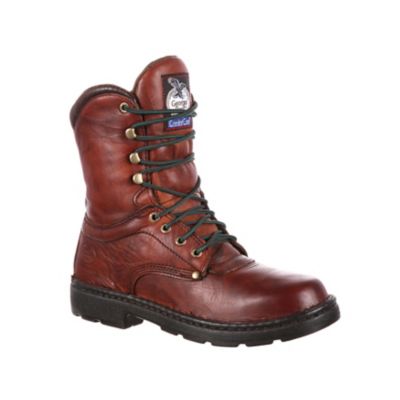
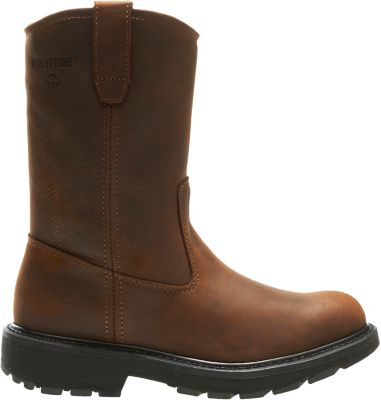
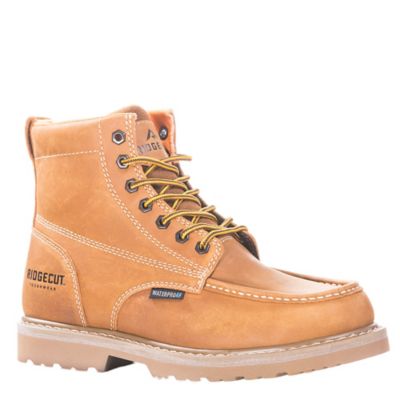
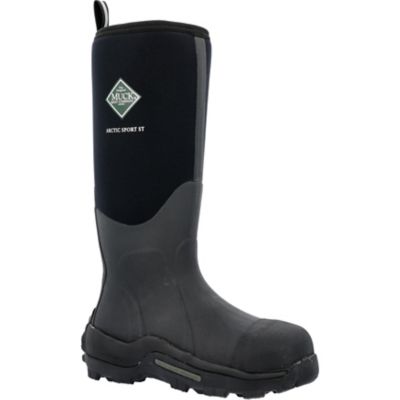
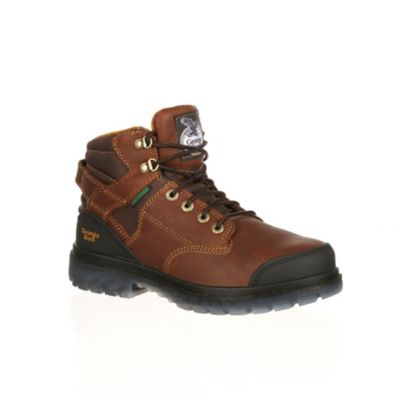
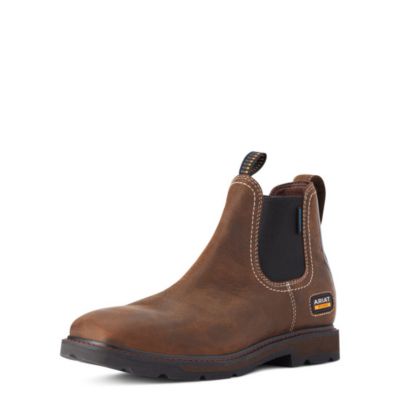
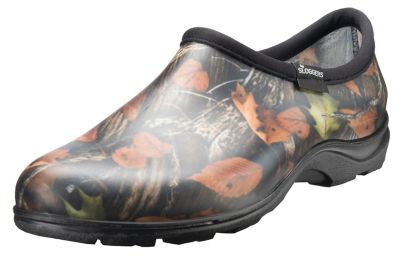
Men's waterproof Chelsea boots bring an easy pull-on shape to the everyday jobs that don't stop at the edge of a puddle. Their ankle-height profile, elastic side panels and lack of laces make them a practical match for trips between the house, barn, shop and truck. There's no knot to retie before carrying a feed sack or heading out to check a gate, and the close-fitting shape sits neatly under a straight-leg pair of work pants. Waterproof construction adds protection where wet grass, rain and muddy paths are part of the routine, though the boot's opening still matters: water that comes over the top can get inside. Materials give this footwear category several different personalities. Leather uppers offer a familiar work-boot feel and can soften with wear, while rubber uppers suit chores that involve frequent splashes and a lot of rinsing afterward. Some designs pair a leather exterior with a waterproof membrane; others rely on waterproof upper materials and sealed construction. Elastic panels, seams and the connection between the upper and sole all play a part in keeping moisture out, so a waterproof designation matters more than appearance alone. A leather boot isn't automatically waterproof, and a water-resistant finish doesn't offer the same protection as a waterproof design. The Chelsea shape can work well for property owners, tradespeople and anyone who wants practical footwear that moves from outdoor errands to everyday wear without much fuss. For a broader look at pull-on shapes beyond the Chelsea profile,
Men's Slip On Waterproof Boots brings that same easy-entry approach to other waterproof boot styles. Within the Chelsea category, the best match depends on the job: a lower-profile sole can feel less cumbersome around town, while a deeper tread may make more sense along muddy paths and uneven ground. Keeping those everyday routes in mind helps narrow the choice without treating every waterproof boot as if it does the same work.
Fit deserves as much attention as water protection, especially in a boot without laces to adjust across the top of the foot. A Chelsea boot needs enough room for toes to move naturally, a secure feel through the instep and a heel that doesn't rub or slide excessively with each step. A little movement at the heel can occur in some new pull-on boots, but pronounced slipping or a foot that shifts around inside can make a long walk across the property uncomfortable. Elastic panels help the foot pass through the opening, then hold the boot close around the ankle; they shouldn't create pinching or make getting the boots on a wrestling match. Trying them with the socks intended for daily wear gives a better sense of the fit than a thin pair worn only for fitting. Thicker socks take up space, and an added footbed can change both the toe room and the way the heel sits. Removable footbeds may offer flexibility for people who wear their own inserts, provided the boot has enough depth to accommodate them. Underfoot cushioning can take some of the edge off standing on concrete in a workshop, while a supportive midsole or shank may help the boot feel steadier over gravel and uneven ground. Outsole design also deserves a close look. Open tread patterns can release mud more readily, whereas closely spaced grooves may hold debris that needs cleaning out. Slip-resistant soles can be useful on damp surfaces, but no outsole makes wet boards, greasy concrete or slick mud risk-free. Waterproof protection is separate from workplace safety features, too. Jobs that call for a protective toe, electrical hazard protection or other rated features require footwear with the appropriate markings. For everyday chores that don't require specialized safety footwear, the appeal is simpler: a boot that feels comfortable at the gate, stays manageable behind the wheel and doesn't weigh down every trip back to the house.
Care depends on the upper material and construction, but mud left packed around seams and soles makes any pair harder to maintain. A soft brush or damp cloth can lift everyday dirt from leather, while rubber uppers generally suit a gentle rinse when the manufacturer's directions allow it. Harsh cleaners, stiff scrubbing and long soaks can harm finishes or other components, so the care label is worth following rather than treating all waterproof footwear alike. Leather may need a compatible conditioner to keep it supple, and any treatment should suit the boot's waterproof construction. Too much oil or the wrong dressing can change the leather's appearance and affect certain materials. After a wet chore, room-temperature drying with good airflow is kinder to boots than setting them beside a stove, heater or other strong heat source. Removing the footbeds, when the design allows it, can help moisture escape from the inside. Waterproof boots can still feel damp from perspiration, particularly after active work, and their ability to release that moisture varies with the materials. Letting each pair dry fully between wears helps keep the inside fresher and gives leather a chance to recover its shape. Checking the sole edges, seams and elastic panels occasionally can reveal wear before the next muddy walk turns into wet socks. Comfort and service life also depend on matching the boot to its task. An ankle-height Chelsea can handle plenty of routine wet-ground wear, but deeper water or prolonged work in heavy muck may call for a taller waterproof boot. For a gift, this style can make sense for a man who spends time tending acreage, walking the fence line or moving between outdoor chores and town errands. Knowing his usual size, sock preference and workplace requirements matters more than guessing from looks alone. The right pair earns its place by fitting the foot, fitting the work and making those everyday trips a little easier.