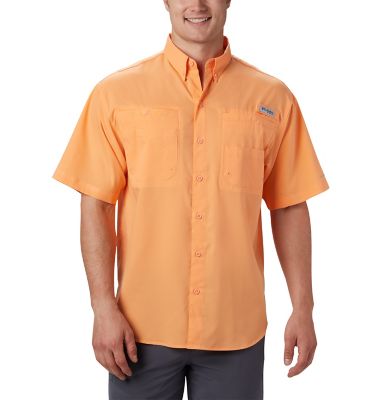
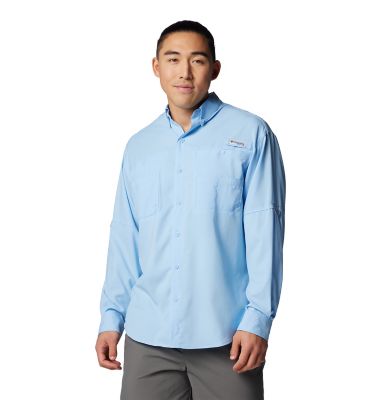
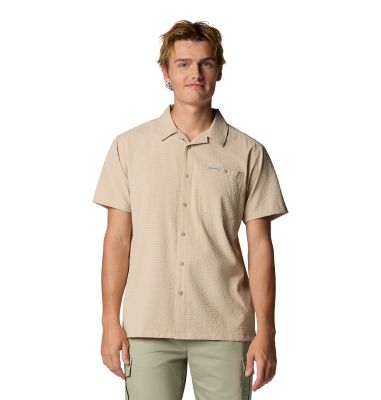
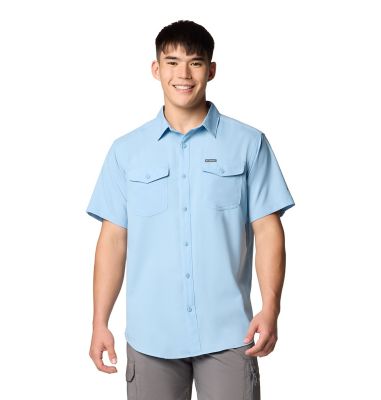
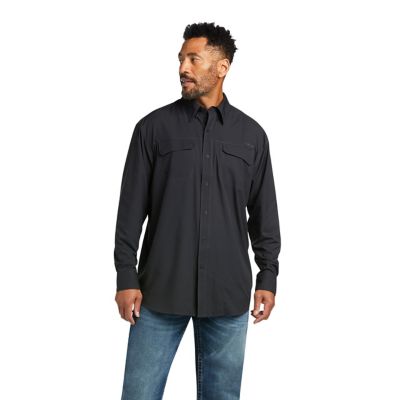
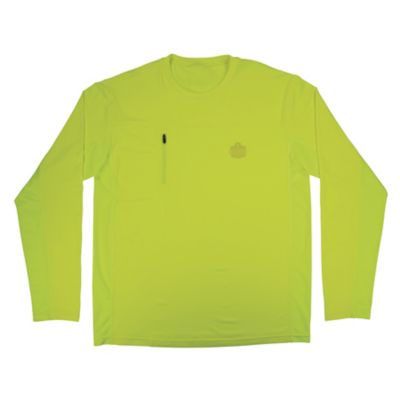
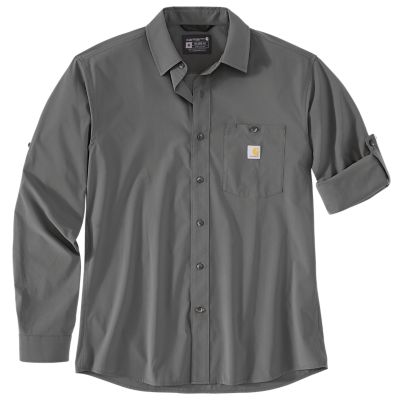
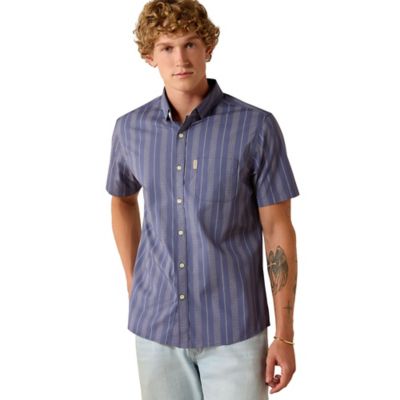
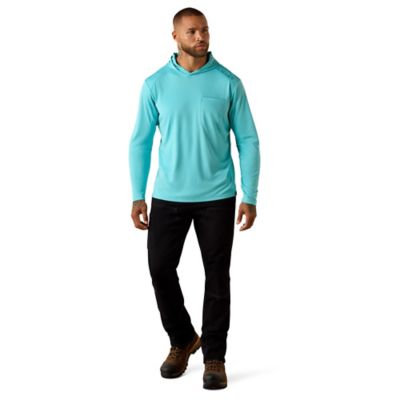
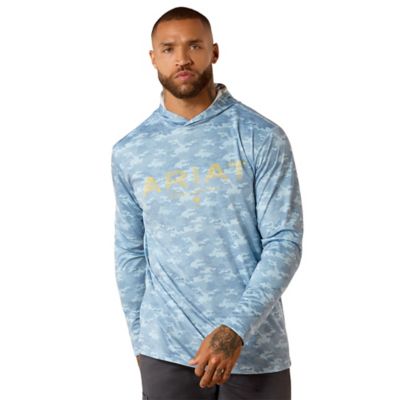
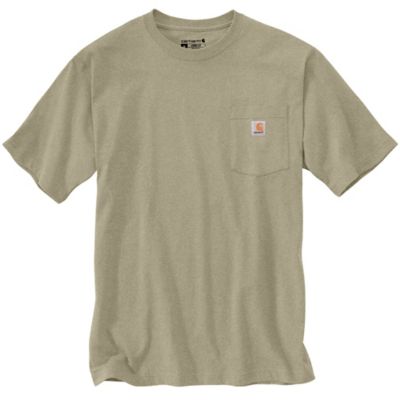
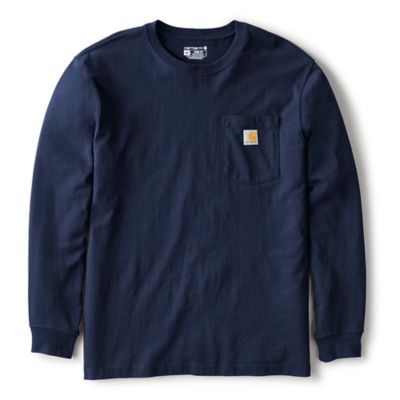
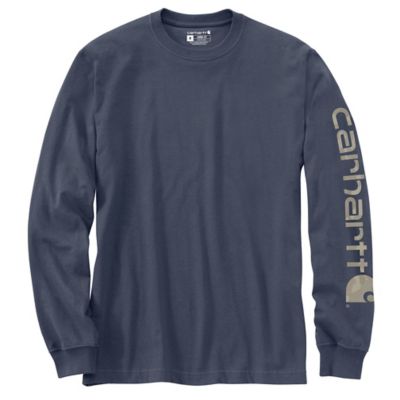
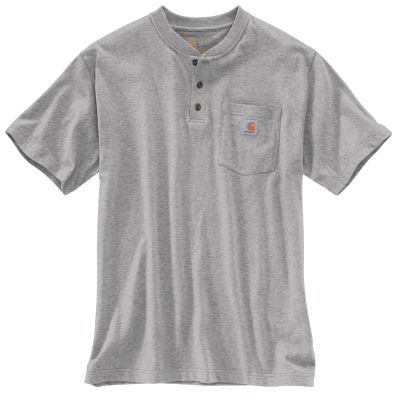
Men's UV shirts are shirts made with fabrics designed to reduce the amount of ultraviolet radiation reaching the skin beneath them. Also called sun shirts or UPF shirts, they bring sun protection into everyday clothing for fence work, fishing, mowing, trail walking and other jobs that keep a man outside. UPF stands for Ultraviolet Protection Factor, a measure of how much UV radiation passes through a fabric. A fabric rated UPF 50 allows about one-fiftieth of that radiation through under test conditions, blocking approximately 98%. That protection applies to the skin the fabric covers, so sleeve length, neckline and overall coverage matter alongside the rating. UPF describes fabric protection, while SPF is the rating associated with sunscreen; the two terms aren't interchangeable. Many men's sun shirts feature polyester, nylon or blends that combine these fibers with stretch materials. Fiber choice, fabric construction, color and protective treatments can all influence UV performance, but the garment's stated UPF rating is more useful than judging protection by appearance alone. A thin-looking fabric can have a tested rating, while an ordinary shirt without a rating shouldn't be assumed to provide the same protection. Tightly constructed fabrics can help limit UV transmission, and moisture-wicking fabrics move perspiration away from the skin to support comfort during active work. Breathability and drying speed matter when a morning of checking livestock turns into an afternoon of hauling supplies or tending a garden. Some fabrics feel smooth and slick against the skin, while others have a softer, more familiar T-shirt feel. Neither feel alone establishes sun protection. The practical appeal is straightforward: a shirt that fits the day's work while helping keep covered skin shielded from UV exposure. Sun-protective clothing works best as one part of a broader routine that includes shade, a brimmed hat, sunglasses and sunscreen on exposed skin, rather than as a reason to overlook the ears, face, hands or other uncovered areas.
Fit makes a real difference in how a men's UV shirt feels through a full day outside. A relaxed cut leaves room across the chest and back for reaching into a truck bed, carrying feed sacks or casting from the bank. A closer athletic fit can sit neatly beneath another layer, although excessive stretching may affect the protection of some fabrics. Enough sleeve length to cover the wrists while reaching forward helps prevent gaps, and a longer hem can keep the lower back covered when bending over a raised bed or hitching a trailer. Stretch panels, raglan sleeves and gusseted underarms are construction details that can make movement easier without leaving excess fabric hanging around tools. Around moving machinery, close-fitting cuffs and secure clothing remain important, and ordinary UV apparel is not a substitute for task-specific protective workwear. Crewneck sun shirts offer a familiar everyday shape, while collars and higher necklines provide additional coverage around the base of the neck. Hooded designs can extend coverage, though the fit of the hood and any openings still determine which areas remain exposed. Zippers and button fronts allow adjustments at the neckline, with the trade-off that an open front leaves more skin uncovered. Vent panels can help air circulate, but mesh sections and openings may not provide the same protection as the main fabric, so garment labeling matters. Pockets offer a spot for small essentials, provided their placement doesn't interfere with a seat belt, shoulder strap or a full casting motion.
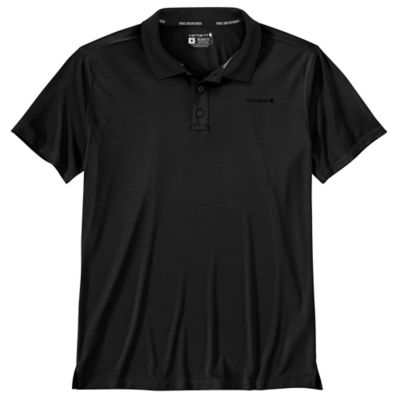
Men's Golf Shirts offer another option for a collared look that works on the course or at a casual get-together; any UV protection still depends on the individual garment's stated rating. Across these styles, the most useful fit is one that lets a man move naturally while keeping the intended areas covered, whether the day involves running equipment, walking a property line or spending several hours beside the water.
Care and construction help determine how a sun shirt holds up to repeated wear. Smooth seams can reduce rubbing beneath backpack straps, while secure stitching at cuffs, hems and pocket edges helps those frequently handled areas stay intact. Fabric weight also changes the feel: lighter shirts pack easily and can be comfortable during steady activity, while more substantial fabrics may feel better suited to brushy paths or chores involving frequent contact with rough surfaces. Sun protection doesn't automatically mean resistance to thorns, abrasion, sparks or chemicals, so the shirt still needs to match the task. Washing instructions deserve attention because heat, bleach and other treatments can affect certain fibers, finishes or stretch components. Some garments call for machine washing and low-heat drying, while others need a different routine; the care label provides the details for that particular fabric. Prompt cleaning after heavy perspiration, dirt or contact with pond water helps keep a shirt ready for its next outing. Tears, worn-thin areas and stretched-out sections can leave gaps in coverage or affect performance, and a wet garment may protect differently than a dry one unless its rating accounts for those conditions. A printed UPF rating doesn't eliminate the need to check the shirt's condition over time. For men who fish, garden, manage acreage or spend long stretches at outdoor sporting events, easy care and a comfortable cut can matter just as much as the number on the label. These shirts can also make practical gifts for a dad who spends weekends on the lake, a brother who walks the trails or a friend who's always tackling another project outside. Familiar sizing, preferred necklines and sleeve lengths make the gift more personal without guessing at specialized equipment. The strongest everyday match brings together stated UV protection, suitable coverage, freedom of movement and a care routine that fits into regular laundry day.