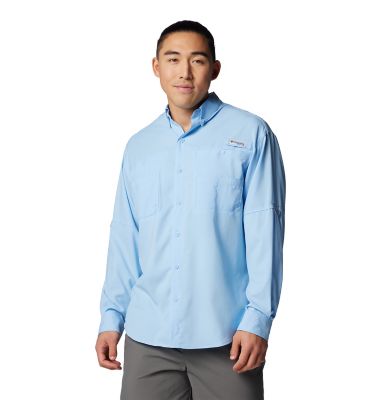
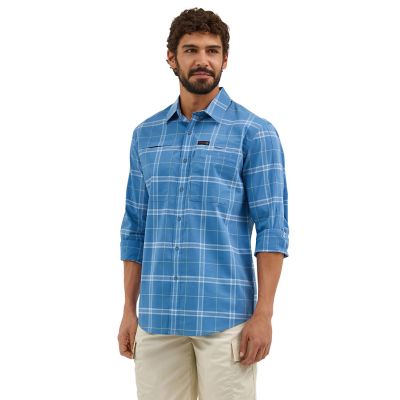
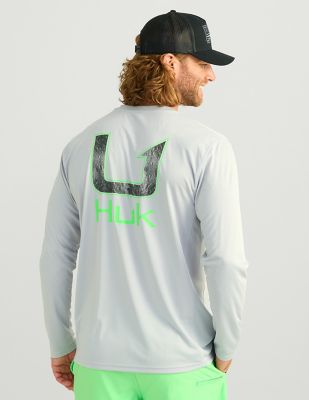
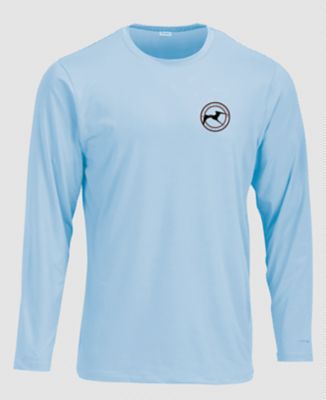
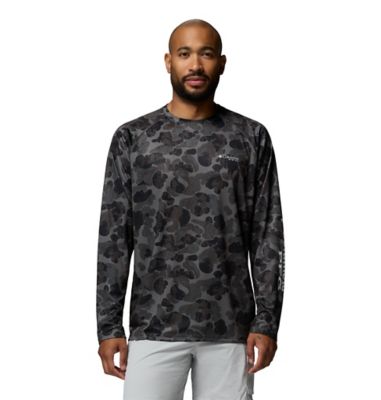
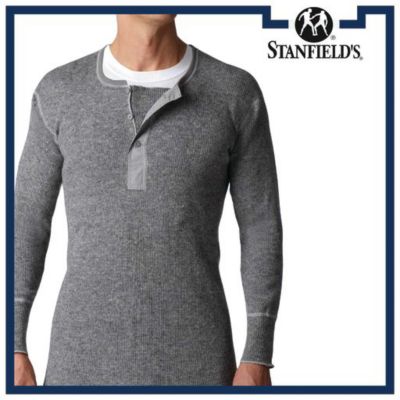
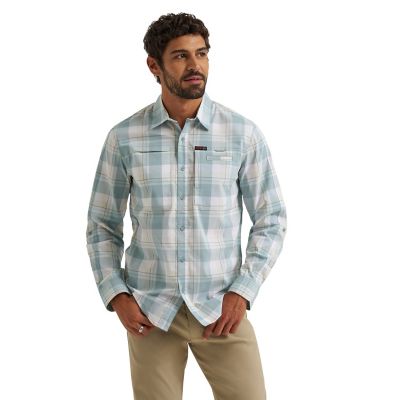
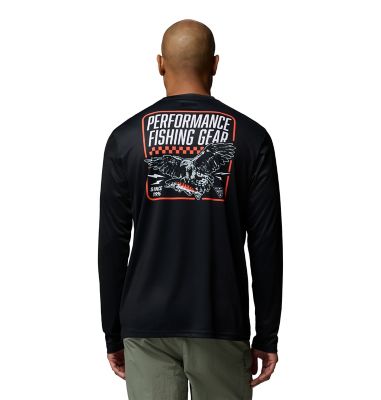
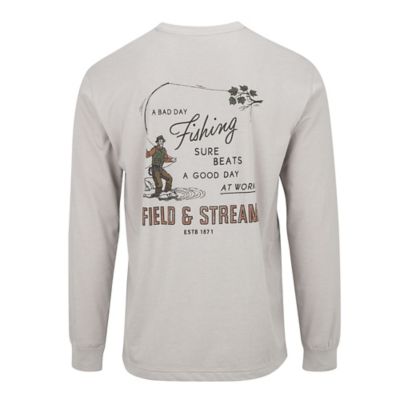
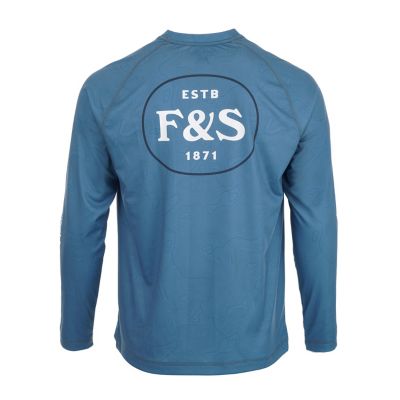
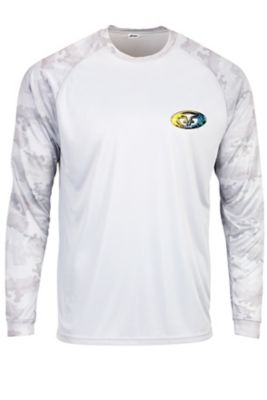
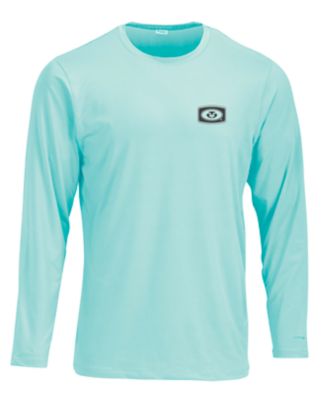
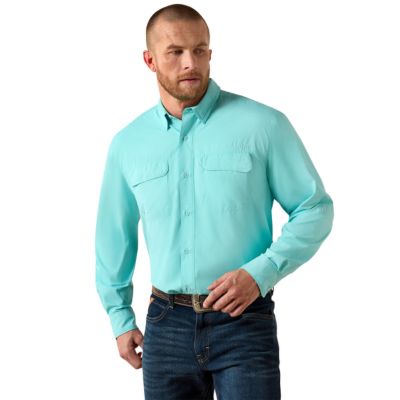
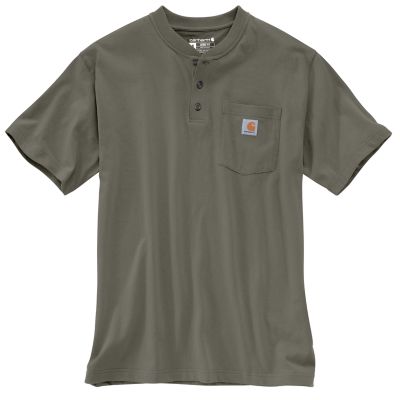
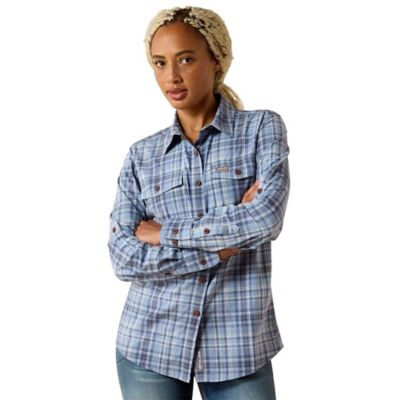
Men’s long sleeve fishing shirts bring arm coverage, easy movement, and fishing-minded details to time spent along a pond bank, on a dock, or out in a boat. The main styles include lightweight button-down fishing shirts, moisture-wicking crewnecks, and hooded fishing shirts, sometimes called sun hoodies. Each has a different feel without changing the basic job: keeping sleeves comfortable through repeated casts, reaching for tackle, and handling a landing net. Button-down styles offer a collar, an adjustable front opening, and often chest pockets for small essentials. Crewnecks have a simpler shape that slips on easily and leaves less fabric around the front of a spinning reel. Hooded styles add coverage around the neck and head, with the fit of the hood making a difference when looking over a shoulder or tracking a line. Fabric matters just as much as the shape. Polyester is common in performance fishing shirts because it is lightweight, absorbs relatively little water, and dries readily. Nylon can provide a smooth feel and resistance to abrasion, while a little elastane adds stretch for reaching and casting. Cotton and cotton blends offer a familiar, soft feel for casual fishing and everyday wear, though they generally hold more moisture and take longer to dry than lightweight synthetic fabrics. Moisture-wicking construction helps move perspiration away from the skin so it can spread across the fabric and evaporate. Mesh panels and vented back openings can also encourage airflow without requiring a loose, billowing fit. For shirts with a stated ultraviolet protection factor, the UPF rating describes how much ultraviolet radiation the fabric allows through under test conditions. A UPF 50 fabric allows about one-fiftieth of that radiation through. Long sleeves alone do not establish a UPF rating, and coverage depends on how the garment fits and where it sits on the body. A fishing shirt with a labeled rating makes that feature easier to compare, while sunscreen remains important for exposed areas such as hands and the face.
The right fit leaves room for the motions that happen all day around fishing gear. Shoulders should allow an easy reach across the body, and the upper back should not pull tight when both arms extend toward the water. A little stretch or a roomier cut can make that reach feel more natural, especially when lifting a net over the side of a boat. Sleeves need enough length to keep the wrists covered with arms outstretched, but extra fabric hanging past the hands can get in the way of knots, hooks, and reel handles. Raglan sleeves, underarm gussets, and shaped seams are construction details that can help a shirt move without requiring an oversized fit. A relaxed button-down may suit someone who likes a T-shirt underneath, while a closer-fitting knit crew can feel less cumbersome when leaning over a tackle box. Shirt length matters, too: a longer hem helps maintain coverage when bending down to pick up a rod or stepping from a dock into a boat. For anyone wearing a personal flotation device, a smooth fit through the chest and shoulders can reduce bunching beneath the straps. Pockets deserve a close look beyond their number. A chest pocket can keep a small item within reach, and a closure helps hold it in place when bending forward. Heavy or sharp tackle belongs in a tackle container rather than against the body. Some fishing shirt designs include a small loop or tab for sunglasses, along with sleeve tabs that hold rolled cuffs in place. Those details are handy for anglers who prefer an adjustable shirt rather than a plain pullover. Adjustable cuffs can sit neatly at the wrist, while thumbholes on some knit styles help keep sleeves extended. Smooth seams and an unobtrusive neckline are worth considering for long stretches of wear. When standing on a bank with a rod tucked under one arm, small details such as a rubbing collar or a bulky pocket become much more noticeable.
A fishing shirt also earns its place through the way it holds up to regular wear and washing. Repeated casting, contact with boat seats, and brushing past the edge of a dock put stress on seams, cuffs, and the lower hem. Even stitching, neatly finished seams, and fabric that suits the job are useful things to look for, whether the shirt is meant for frequent outings or an occasional afternoon at the farm pond. Lightweight fabric is not automatically fragile, and thicker fabric is not automatically the better choice; construction and fiber content both affect how a shirt wears. Care starts with the garment label, particularly for shirts with stretch fibers, printed designs, or a UPF rating. Washing with similar fabrics and fastening buttons or zippers can help limit snagging. Hooks, exposed hook-and-loop fasteners, and other rough gear should stay out of the wash load. Fish residue, bait, and saltwater are best addressed promptly rather than left in the fabric between trips. Many performance garments call for a mild detergent and limited heat, and fabric softener can interfere with moisture management on certain fabrics. Following the stated drying directions helps protect the shirt’s shape and any special finishes. Beyond the water, these shirts fit easily into days that include loading the truck, stopping for supplies, or heading home after checking a trotline. A plain crewneck keeps things simple, while a collared fishing shirt offers a more put-together look without feeling out of place beside a bait bucket. They also make practical gifts for dads, brothers, partners, and friends who spend their spare time with a rod in hand. Matching the recipient’s usual shirt size, preferred sleeve fit, and favorite fishing setup is more helpful than choosing by appearance alone. For another angler in the family,
Womens Long Sleeve Fishing Shirts offer a related place to browse. The most useful choice is a shirt that feels easy to wear, stays out of the way of the tackle, and fits the fishing someone actually does.