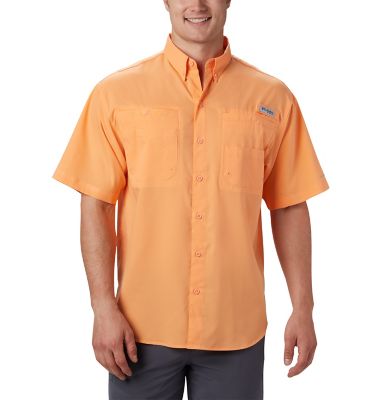
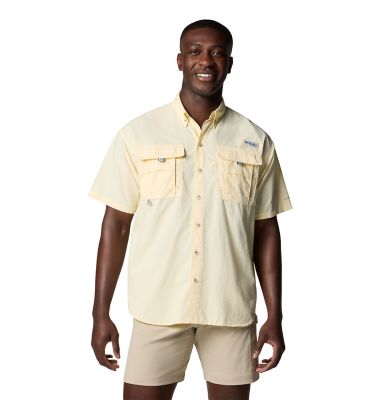
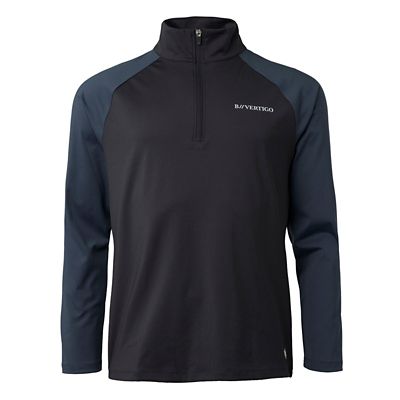
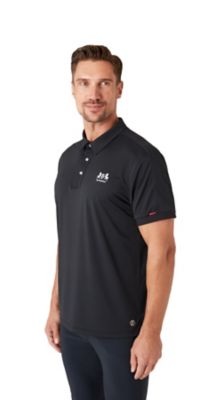
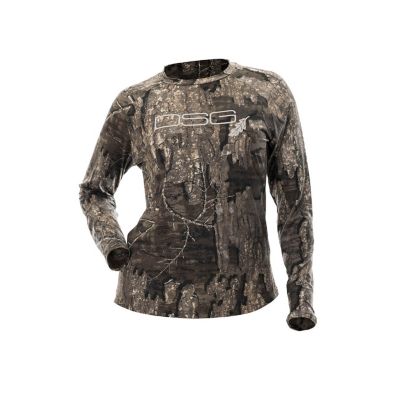
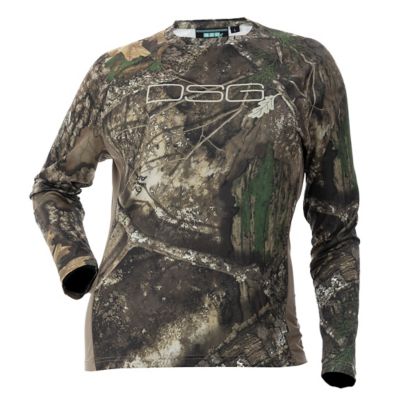
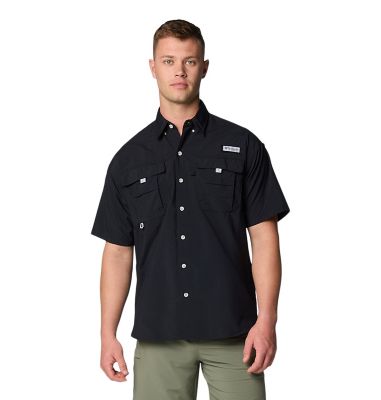
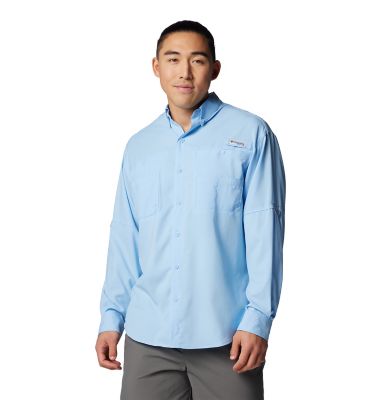
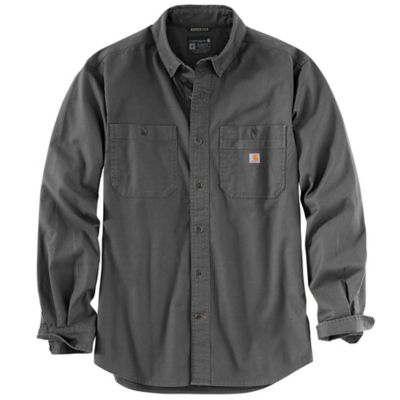
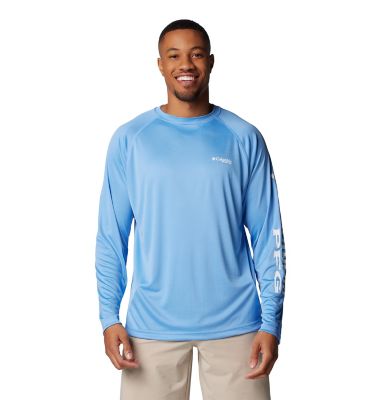
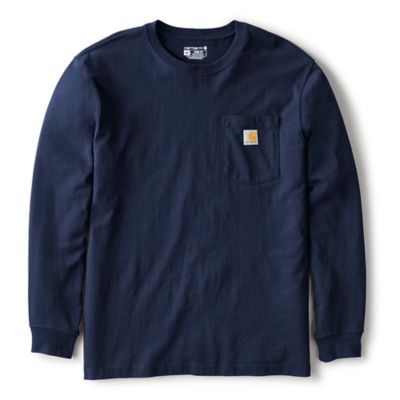
Men's quick-dry shirts are made to release moisture and dry more readily than fabrics that hold onto it, helping keep a damp shirt from tagging along through the rest of the day. Polyester and nylon are common choices because their fibers absorb relatively little water, while fabric weight, knit or weave, and airflow also affect drying time. That makes these shirts a practical fit for hauling feed, walking fence lines, fishing, hiking, and other activities that work up a sweat. Quick-drying and moisture-wicking describe different jobs: moisture-wicking fabric moves sweat away from the skin and spreads it across a larger surface, while quick-drying fabric lets that moisture evaporate readily. Many
men's moisture wicking shirts combine both features, though one claim does not automatically guarantee the other. A lightweight polyester knit may feel smooth and flexible, while a woven nylon shirt may have a crisper feel and more structure. Small amounts of spandex or elastane can add stretch for reaching overhead, climbing a gate, or bending to fill a water bowl. Cotton blends offer a familiar feel, but their drying performance depends on the amount of cotton and the overall construction; a blend with more cotton generally holds more moisture than a similar all-synthetic fabric. Fabric thickness matters, too. A thin shirt and a heavier shirt made from the same fiber will not necessarily dry at the same pace. No single drying time applies to every quick-dry shirt, since the amount of moisture, surrounding airflow, and fabric construction all play a part. The useful distinction is how the shirt handles everyday sweat and washing, not a promise that it will stay dry through every task. Quick-dry fabric is not automatically waterproof, either. It can take on moisture and still be designed to release it efficiently afterward.
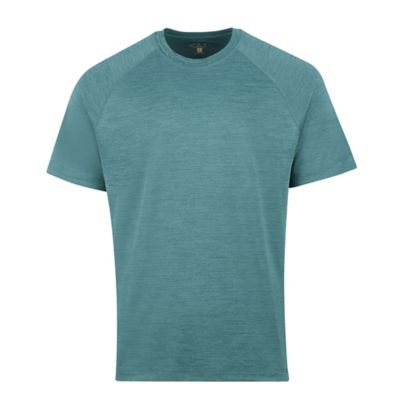
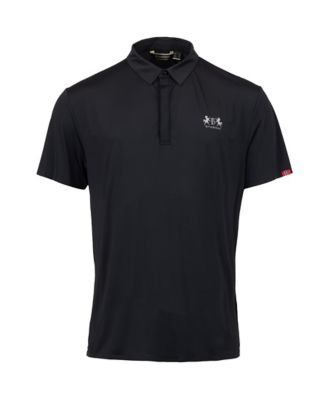
The right shirt shape depends on how the day is likely to go. A short-sleeve crewneck keeps things simple for chores, trail walks, and wearing beneath a work shirt, while a polo offers a collar without much fuss for days split between hands-on tasks and stops around town. Button-front styles bring a different set of practical details, including chest pockets, adjustable cuffs, and, on some designs, back vents or mesh panels that encourage airflow. A pocket can keep a small notebook within reach, but its placement and closure matter when leaning over a trough or reaching into a truck bed. Roll-up sleeve tabs can help hold fabric out of the way, while a longer back hem gives extra coverage when crouching or stretching. These details are worth weighing against the job rather than treating every added feature as a benefit. Someone carrying a backpack may appreciate smooth shoulder seams and fewer bulky details beneath the straps. Someone who spends a lot of time driving may prefer a shirt that sits comfortably across the back without pulling at the shoulders. Fit should leave enough room to reach, twist, and bend without excess fabric bunching at the waist or catching on nearby equipment. A close-fitting stretch shirt and a relaxed woven shirt can both allow movement, just in different ways. Shoulder seams, armhole shape, and sleeve width often make as much difference as the size printed on the tag. For a shirt worn tucked in, enough body length helps it stay put while lifting or reaching. For an untucked fit, a hem that clears the hips without hanging too low can feel less cumbersome. Men's quick-dry shirts also work well as part of a layering setup, provided the layers above them allow moisture to move outward. For work around machinery or tasks with specific clothing requirements, fit and fabric need to follow workplace safety rules; everyday performance shirts do not replace required protective clothing.
Care and construction have a lot to do with how a quick-dry shirt holds up over repeated wear. A lightweight, open knit may feel easy to move in, but it can be more vulnerable to snags from rough lumber, brush, hook-and-loop fasteners, or an exposed zipper in the wash. A tighter weave may offer better resistance to that kind of contact, although fabric weight alone does not tell the whole story. Even stitching, securely attached buttons, and neatly finished seams are useful details to look for in a shirt headed for regular chores. Following the care label helps protect both the fabric and any performance finish. Many synthetic shirts can go through a regular machine-wash routine, but wash settings and drying instructions vary. Fabric softener can leave residue that interferes with moisture movement, so checking the garment's directions before adding it is worthwhile. Washing shirts with similar fabrics and closing zippers on other garments can help limit abrasion and snags. Sweat-soaked shirts benefit from being washed promptly or allowed to air out before laundry day rather than sitting damp in a packed gym bag or truck cab. Quick drying does not mean odor resistance, and shirts with odor-control treatments still need regular washing. Excessive dryer heat can affect stretch fibers and certain finishes; low heat or air drying may be appropriate when the label allows it. For travel, a shirt that washes easily and dries readily can make a small bag more practical, though it should be fully dry before being packed away. As a gift, men's quick-dry shirts make sense for someone who spends time tending animals, working around the property, heading to the lake, or staying active between chores. A familiar fit, a preferred neckline, and care requirements that suit the recipient's routine matter more than a long list of features. The best match is a shirt that feels comfortable from the first feed run through the last errand and fits naturally into the work and recreation already filling the day.