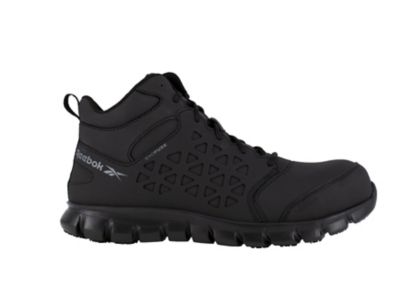
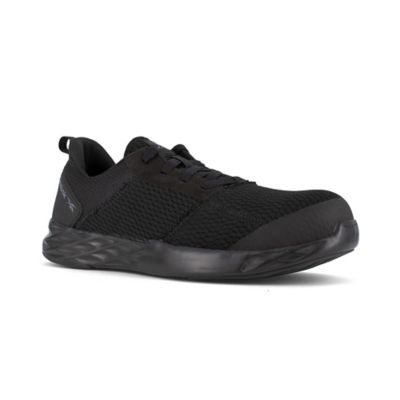
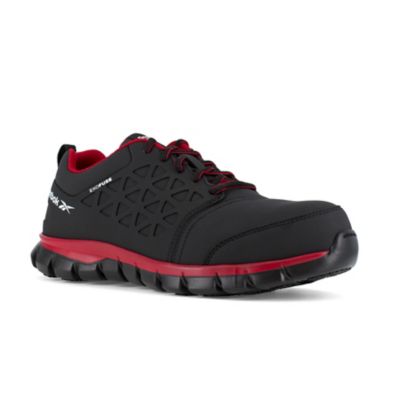
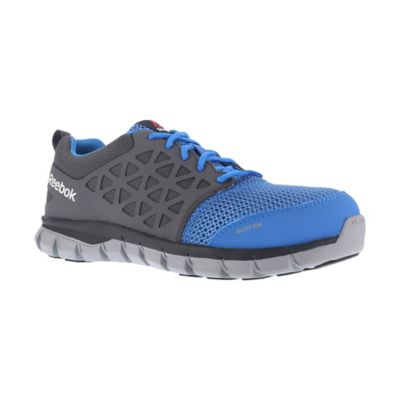
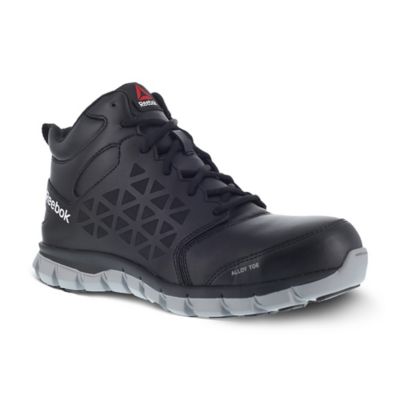
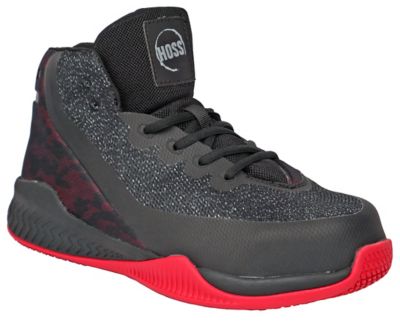
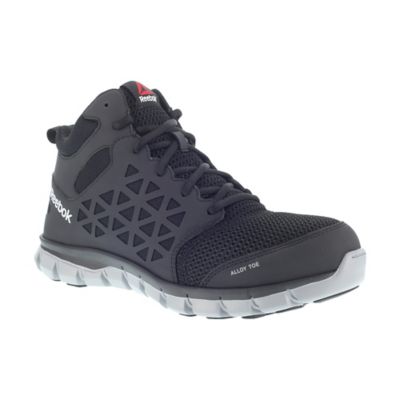
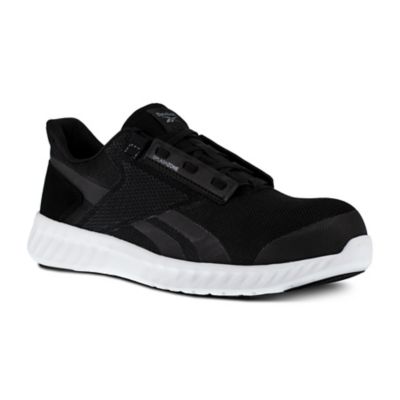
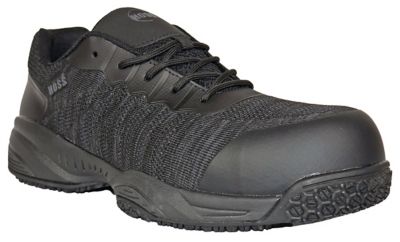
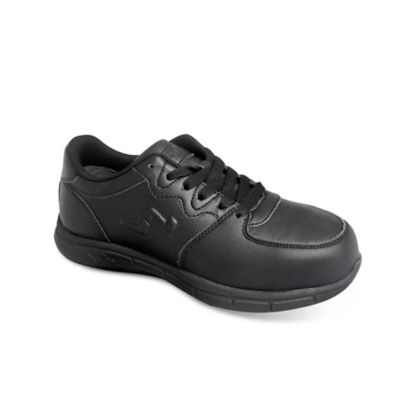
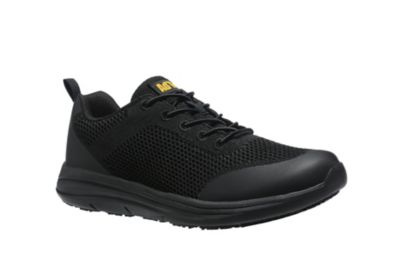
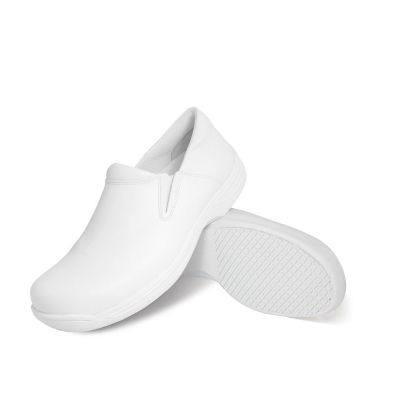
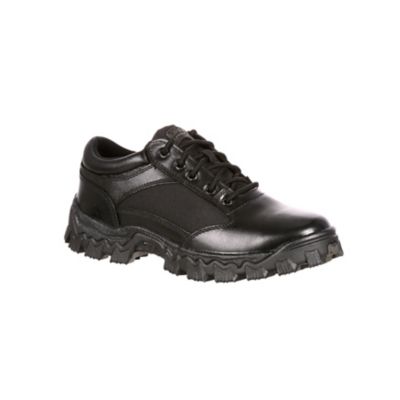
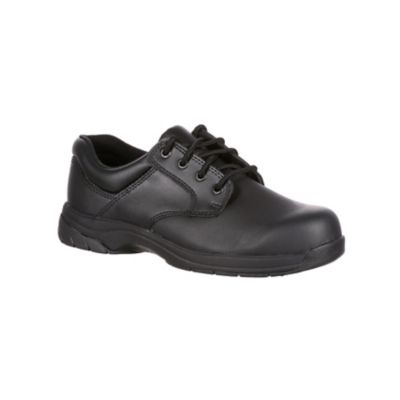
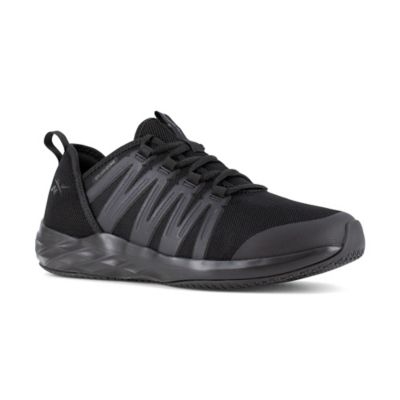
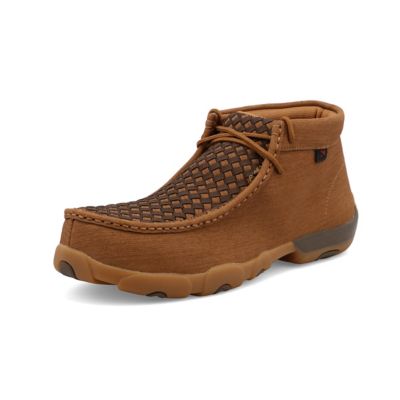
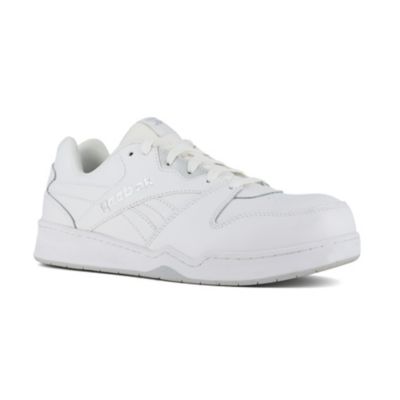
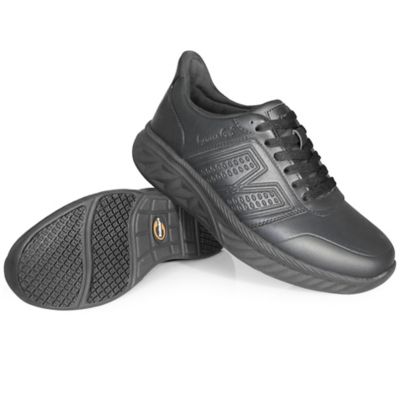
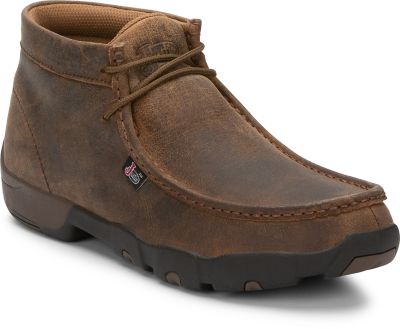
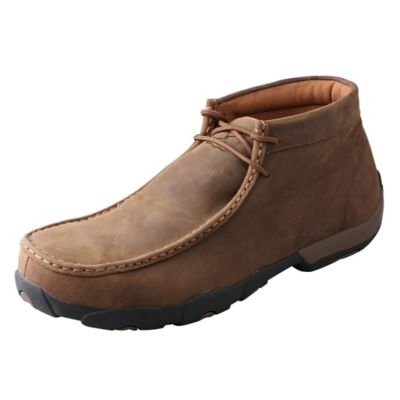
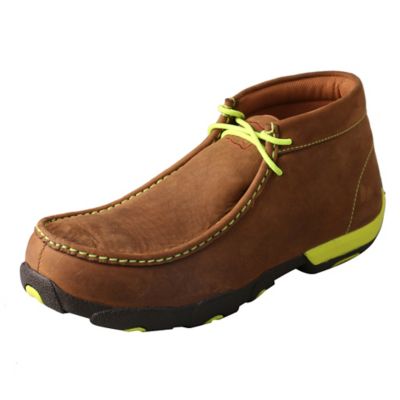
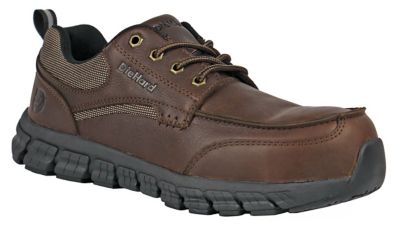
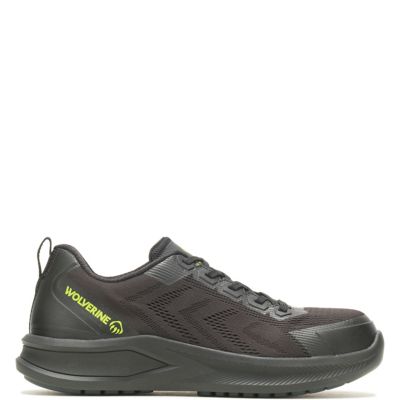
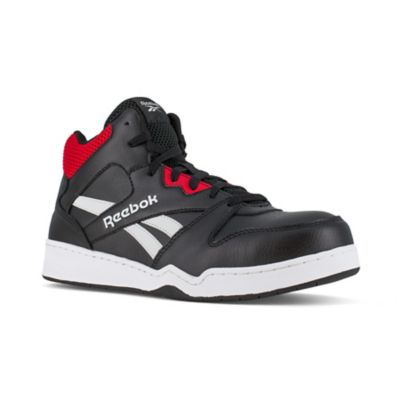
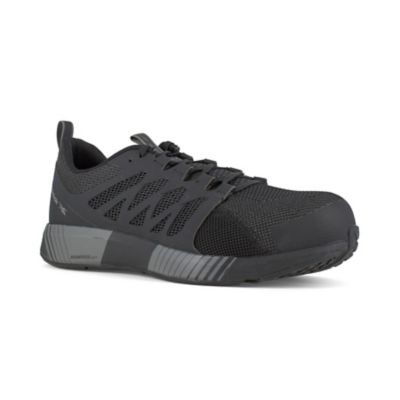
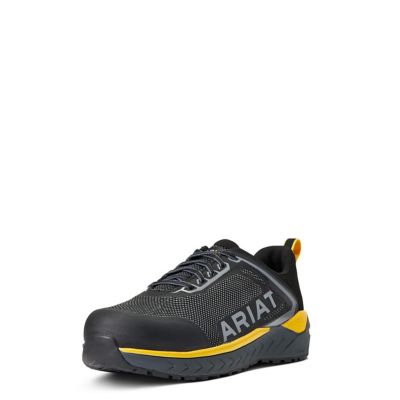
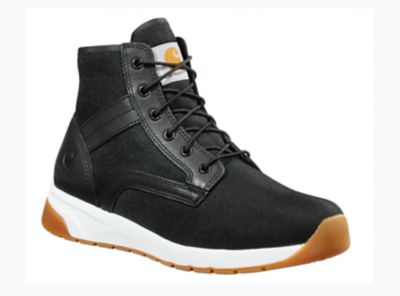
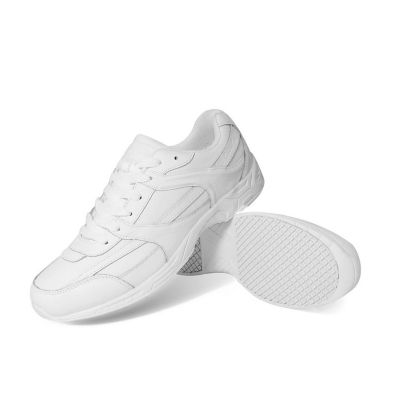
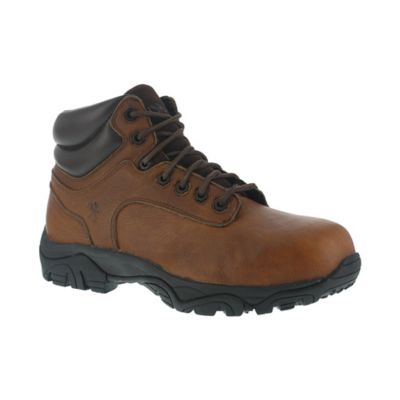
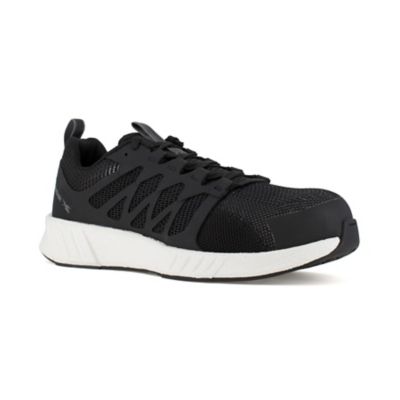
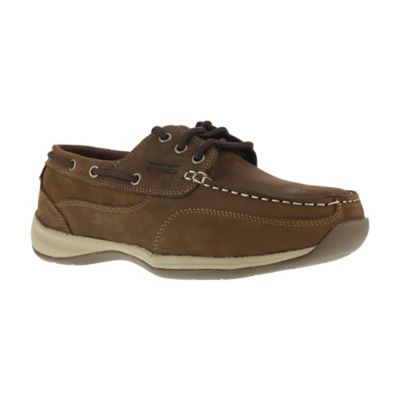
Men's summer work shoes are built around the demands of getting things done when heat, hard ground and long hours come together. From feeding livestock and moving irrigation pipe to stocking a feed room or working at a bench, different chores call for different combinations of airflow, coverage and underfoot support. A lower-cut shoe leaves the ankle less covered than a tall work boot, while work-focused construction can provide cushioning and traction suited to the task. Breathable mesh and textile panels let air move through the upper, making them worth considering for dry jobs where ventilation matters more than protection from water or debris. Leather offers more coverage against scuffs and contact with rough surfaces, though its weight and breathability vary with thickness, lining and construction. For chores that involve brushing against lumber, kneeling beside equipment or walking through gritty barn aisles,
men's leather work shoes bring another material option into the mix. Reinforced toe areas and sturdy stitching can help shoes stand up to repeated contact with the ground and work surfaces. Mesh-heavy construction may feel airy, but open fabric also gives dust, chaff and moisture an easier way inside. Water-resistant treatments can help with light splashes, while waterproof construction adds a barrier for wetter conditions; neither feature guarantees that feet will stay cool. Linings matter, too, especially when perspiration has nowhere to go during a long stretch of work. The right balance depends on whether the day involves mostly shaded shop floors, sunbaked gravel, damp grass or a little of everything. Summer work footwear also differs from casual sneakers in ways that are not always obvious at a glance. Toe protection, outsole construction and workplace ratings deserve attention alongside weight and appearance, particularly around heavy materials, rolling equipment or machinery. A shoe that feels comfortable by the back door still needs to match the hazards waiting beyond it.
Fit makes a difference when a short morning chore turns into an afternoon on your feet. Men's summer work shoes should hold the heel securely without pinching across the ball of the foot, and the toe box needs enough room for toes to spread without sliding forward on a slope. Feet can swell over the course of a workday, so checking fit later in the day, with the socks intended for work, gives a better sense of how a shoe will feel after several hours. Work socks that move moisture away from the skin can help manage sweat, while thick seams, bunching fabric or a cramped fit can create rubbing. Wide sizes and different shoe shapes matter as much as the size printed on the label. A broad forefoot, narrow heel or high instep may need a different fit rather than simply a longer shoe. Laces allow adjustments across the top of the foot, and a padded collar can soften contact around the ankle without replacing a secure fit. Underfoot, cushioning helps take the edge off repeated steps on concrete, but softness alone is not the whole story. A stable platform, suitable arch support and a flex point that follows the foot can make standing, walking and crouching feel more natural. Removable footbeds leave room for compatible inserts when the shoe has enough interior space. Outsoles deserve just as much attention: deeper tread can help bite into loose ground, while some flatter tread patterns put more surface area against smooth floors. Mud packed into tread reduces its ability to grip, and slip-resistant footwear still requires care around wet boards, grease or algae. Oil resistance and slip resistance describe different features, so labels and specifications matter. Safety-toe shoes need the protection rating required for the job, whether the toe cap is metal or nonmetal. Electrical-hazard and puncture-resistance claims also depend on specific testing and construction; they should never be assumed from a shoe's shape or rugged appearance. Workplace requirements come first, even when keeping weight down is a priority.
Summer chores can be hard on footwear long before the soles look worn through. Fine dirt works into seams, sweat builds up inside, and repeated bending puts stress across the forefoot. Construction details such as reinforced high-contact areas, protected stitching and a firmly attached outsole can make a difference over many trips between the shed and the field. A lighter shoe may feel easier to move in, while heavier materials can offer more coverage; the better choice depends on how much walking, kneeling and contact with rough ground the work involves. Care should match those materials. Brushing off dry soil before it gets ground into the upper helps keep grit from lingering around seams and lace holes. A damp cloth can handle many surface marks, but leather, textiles and waterproof membranes have different cleaning needs, making the manufacturer's care directions important. Leather may need an appropriate conditioner to help keep it supple, while fabric uppers generally call for cleaning methods that will not damage adhesives or linings. Shoes that get soaked need time to dry with good airflow, away from heaters, open flames and other concentrated heat that can stiffen leather or weaken bonds. Loosening the laces and taking out removable footbeds helps moisture escape from the inside. Rotating between pairs gives each pair more drying time when chores leave shoes damp day after day. Fresh socks also matter, particularly after a sweaty stretch of mowing, hauling or walking fence lines. Regular checks can catch worn tread, separated soles, torn linings and frayed laces before they interrupt a job. A hard impact to a safety toe calls for following the manufacturer's replacement guidance, even when damage is not visible. For a practical gift, work shoes make the most sense when the recipient's size, preferred fit and job requirements are already known. Whether the work happens around a small acreage, in a repair shop or across a farmyard, men's summer work shoes should suit the ground underfoot and the way the day gets done.