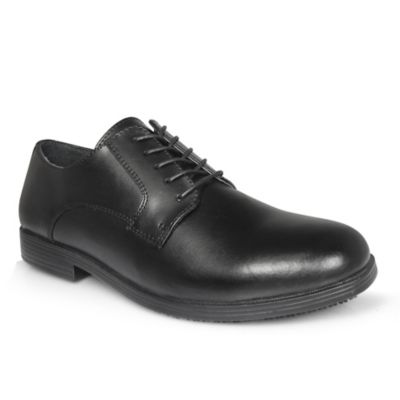
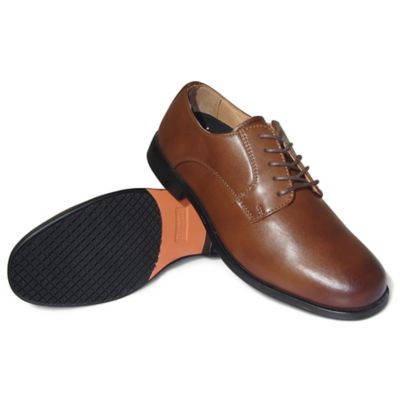
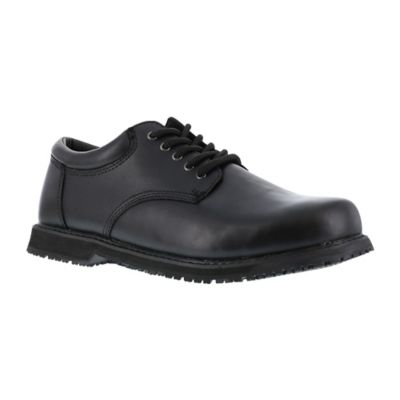
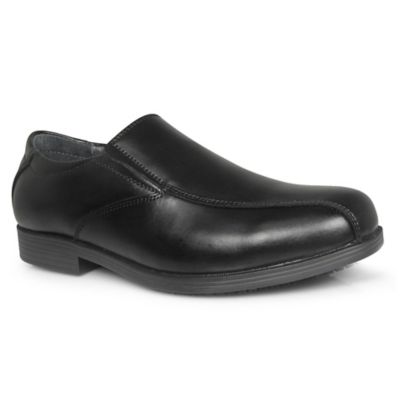
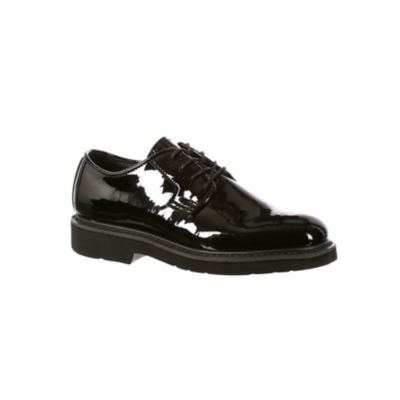
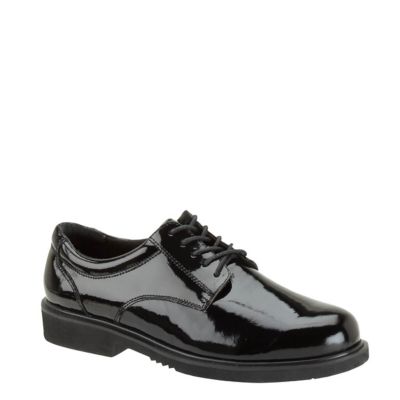
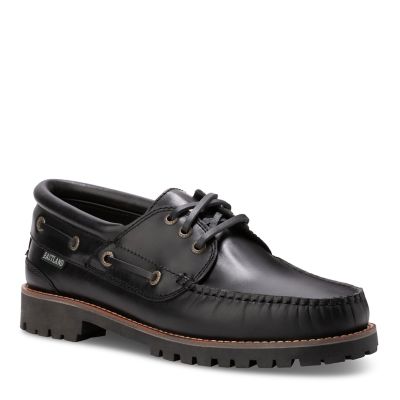
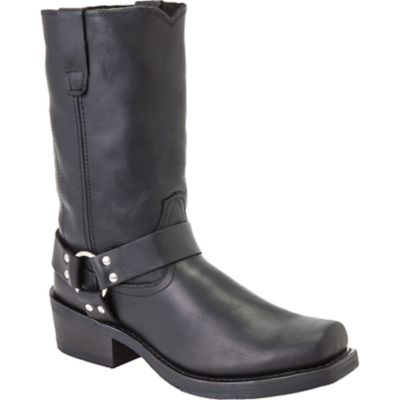
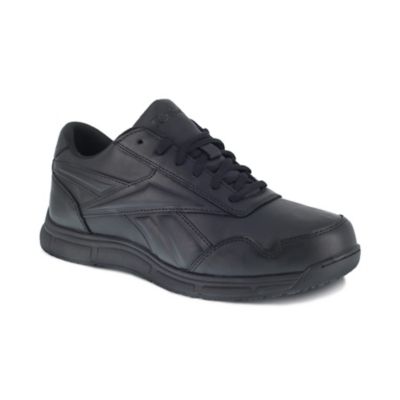
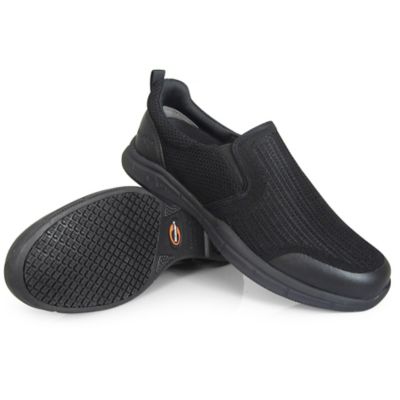
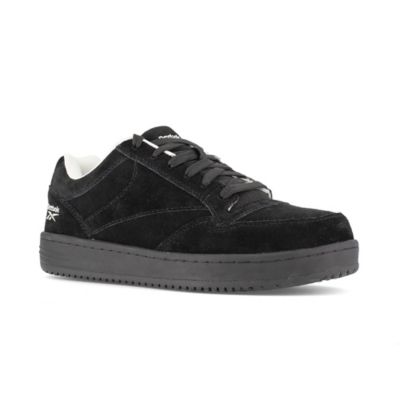
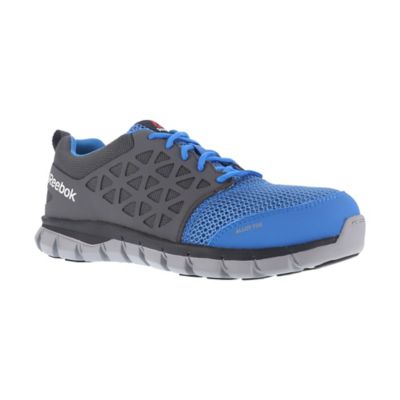
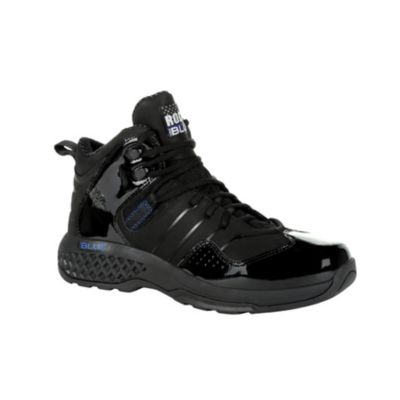
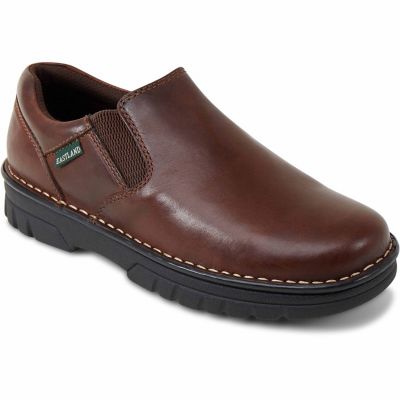
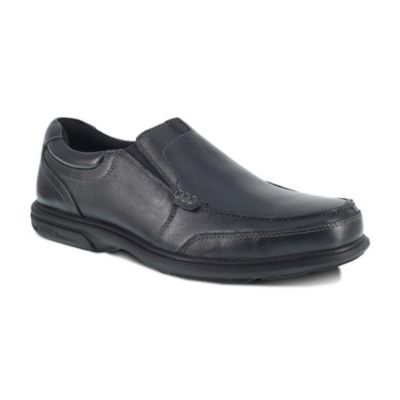
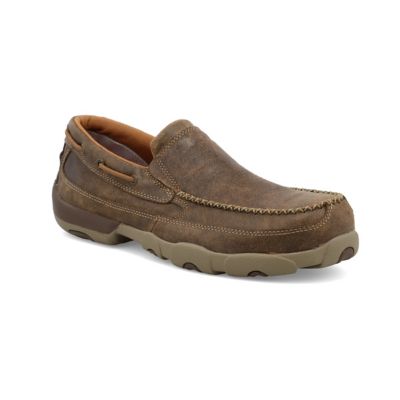
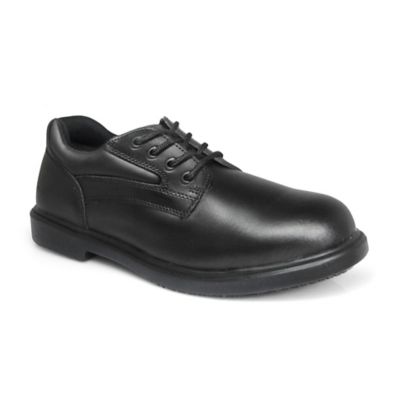
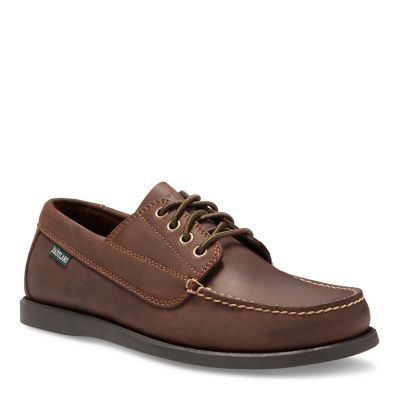
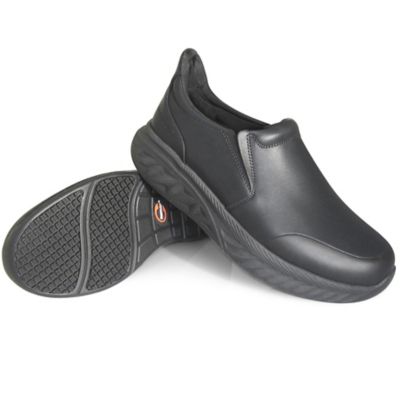
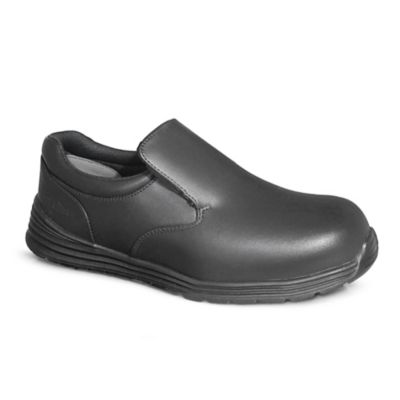
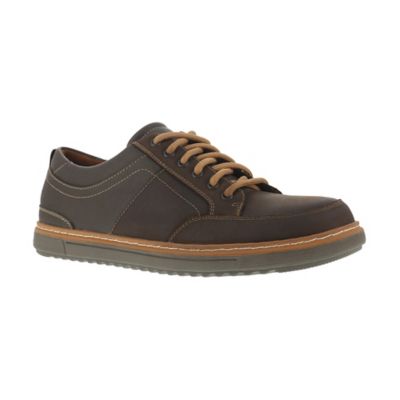
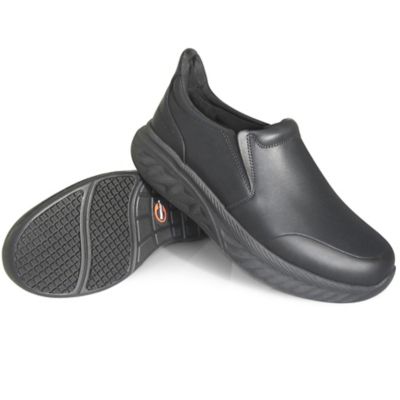
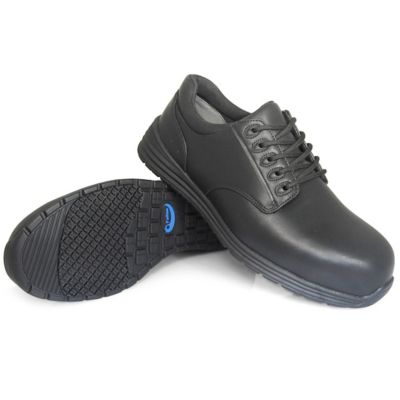
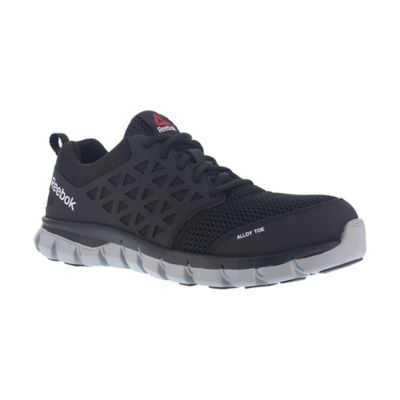
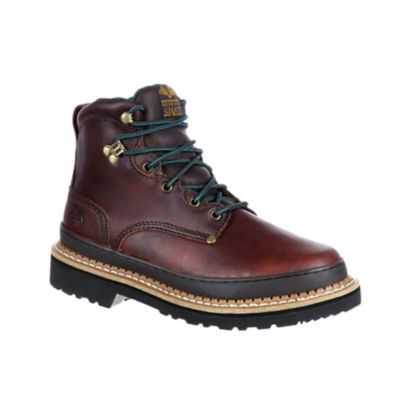
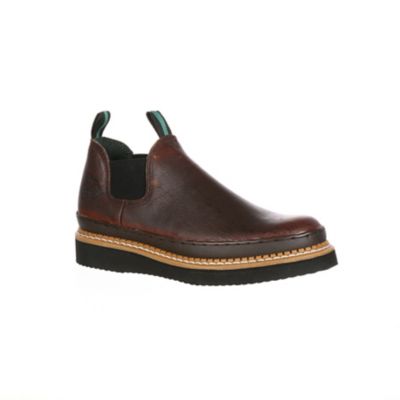
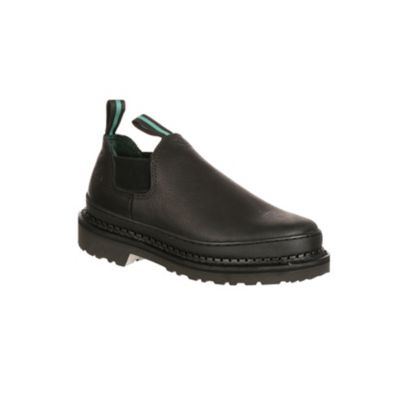
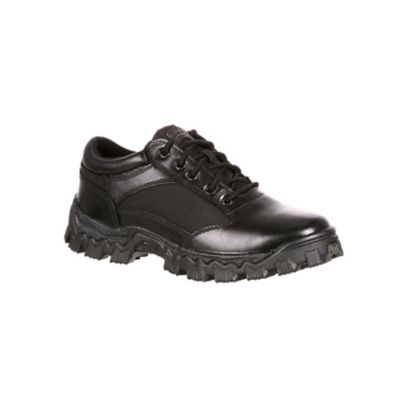
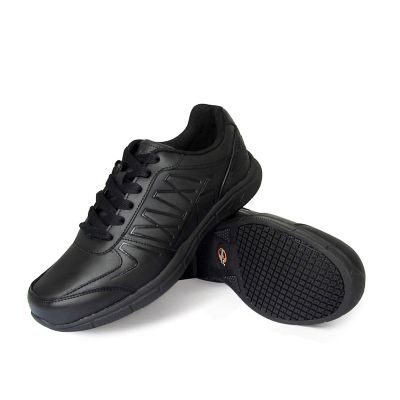
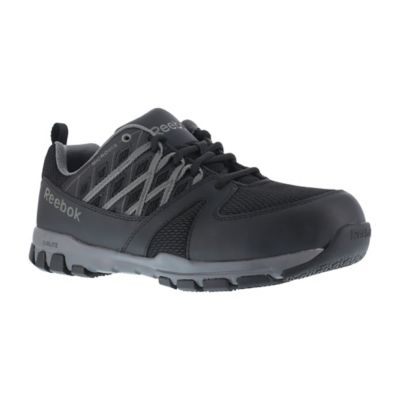
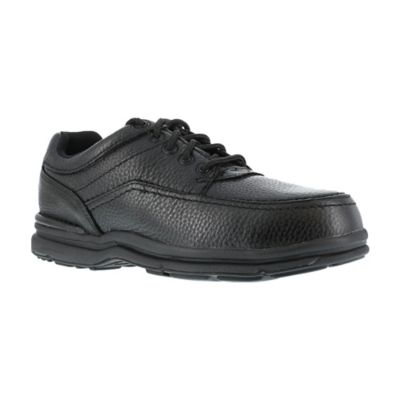
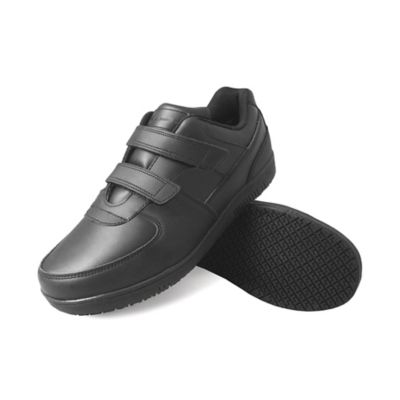
Men’s slip-resistant dress shoes bring a polished look to days that call for more than a pair of lace-up work boots. They fit the space between a formal shoe and everyday work footwear, with neat uppers and traction-focused soles that can suit a front office, dining room or service counter. For a restaurant manager moving between tables and the kitchen entrance, or a funeral home attendant spending hours on his feet, that combination serves a real purpose. A clean leather upper looks right with dress pants, while a carefully designed outsole can help improve footing on certain slick indoor surfaces. Slip resistance depends on the shoe, the flooring and what is on the floor, though; no sole eliminates the chance of slipping. Water, grease, cleaning residue and worn tread can all change how a shoe grips, so the manufacturer’s stated performance and intended use matter more than appearance alone. Traditional lace-up shapes offer a familiar business look, while loafers and other slip-on silhouettes keep the profile simple. Black pairs readily with charcoal trousers and a dark belt, and brown works well with navy pants, khakis or a sport coat. A plain toe tends to look understated, while stitched panels or a cap toe add a little definition without drawing too much attention. The right level of shine depends on the setting: a smooth finish may suit a courthouse appointment or church service, while a softer finish can feel more at home at an office beside the feed store. These shoes also make sense for someone who handles meetings and walk-throughs in the same day, provided the workplace permits that type of footwear. Dress styling does not automatically mean a protective toe, electrical hazard protection or approval for every jobsite. Where those features are required, the shoe’s markings and workplace footwear rules take priority over the shape of the upper.
Comfort in a dress shoe comes from how its parts work together, not just how soft it feels during the first few steps. Leather uppers can gradually conform to the foot and take well to regular conditioning, though the feel varies with the leather and finish. Synthetic uppers may offer straightforward wipe-down care and a consistent appearance, with flexibility and breathability depending on their construction. Linings help determine how the inside feels against socks, and seams around the heel or across the toes deserve attention during a fitting. A secure heel, enough space for the toes to lie naturally and a bend that lines up with the ball of the foot all contribute to an easier stride. Shoes that pinch at the widest part of the foot should not be expected to become the right size through wear. Width matters just as much as length, especially for someone standing through a long reception or making repeated trips from a desk to a showroom floor. Lace-up closures allow some adjustment across the instep, while slip-on designs depend more closely on the shape of the opening and the fit through the middle of the foot. Cushioning can soften the feel of hard floors, but support and stability matter too; an overly loose fit can leave the foot shifting inside the shoe. Removable footbeds can be helpful for men who wear prescribed orthotics, as long as the replacement leaves adequate room and does not lift the heel out of place. Trying shoes with the socks intended for work gives a more useful sense of fit than trying them with a much thinner pair. Several steps, a turn and a brief stretch of standing can reveal heel movement or pressure that is easy to miss while seated. For men who spend much of the day walking, a flexible forefoot and a stable heel can matter more than a heavily padded collar or a thick-looking sole.
Regular care helps men’s slip-resistant dress shoes keep their presentable look and their footing features in working order. Dust and grit can be lifted from the upper with a soft brush or cloth, followed by a cleaner suited to the material. Smooth leather may benefit from conditioning and a matching polish, while suede, nubuck and synthetic finishes call for their own care methods. A leather conditioner is not a catch-all treatment for every upper, and too much product can leave buildup around stitching and creases. The outsole deserves attention as well: packed-in debris can interfere with tread contact, and residue should be removed according to the maker’s directions. Shoes need time to air out between wears, away from direct heat that can affect leather, adhesives or other components. A shoehorn can help protect the heel counter during dressing, and suitable shoe trees can help maintain the shape of leather uppers between outings. Over time, flattened tread, uneven heel wear, loose stitching or separation between the upper and sole are signs that the footwear needs a closer look. A tidy shine cannot restore traction to a worn outsole. For a man whose day involves more frequent spills, extended walking or tasks beyond a dress setting,
Men's Slip Resistant Work Shoes offers a related category to consider alongside workplace requirements. Dress-focused footwear is often a better match for roles where a neat appearance remains part of the job, rather than work that calls for heavier protection. It can also be a thoughtful gift for a husband, dad or son starting an office position, taking on a management role or dressing up more often for community events. Knowing his usual size, width, preferred closure and any footbed needs makes that choice more personal and practical. The goal is straightforward: shoes that look right with the clothes he wears, fit without crowding his feet and offer traction features suited to the places his day takes him.