Cowboy Rodeo Outfits For Men
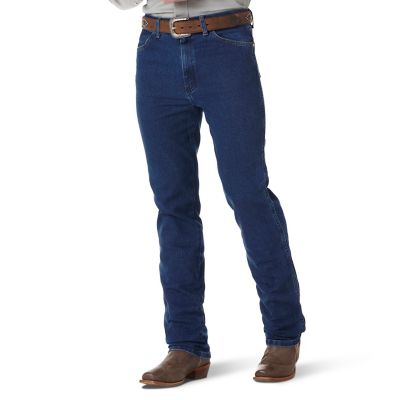
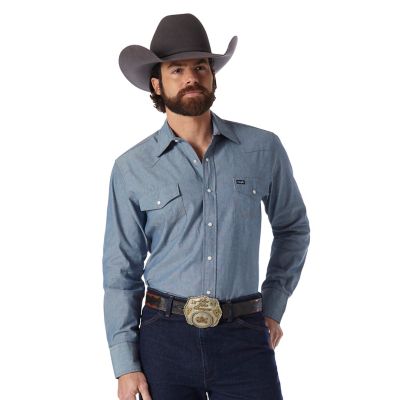
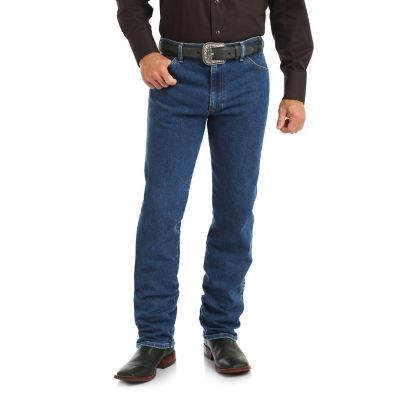
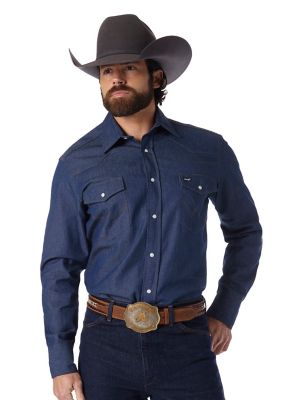
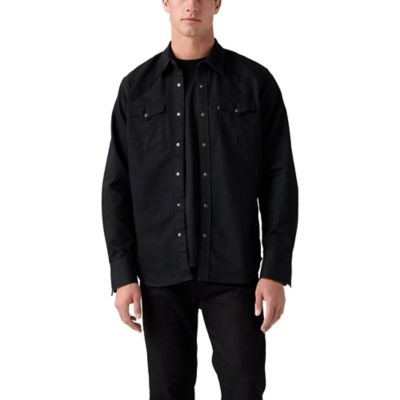
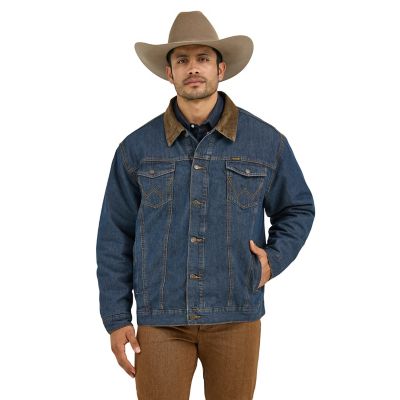
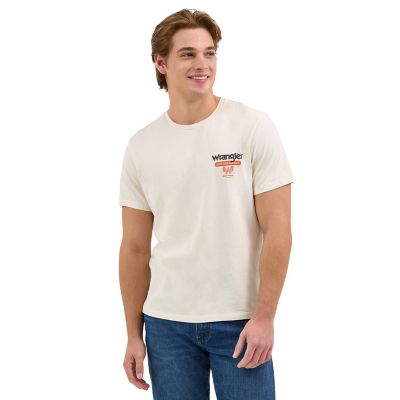
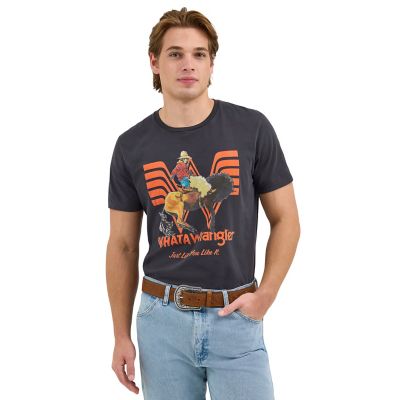
Cowboy Rodeo Outfits For Men bring together rugged style and classic western spirit, perfect for anyone ready to hit the arena or just wanting to look the part. Whether you’re gearing up for rodeo season or heading out for a night on the town, these outfits have you covered from sunup to sundown. Find everything you need to show off your cowboy pride and stay comfortable no matter where the trail takes you.
$24
.74
Sale Was $32.99 Save $8.25 (25%)
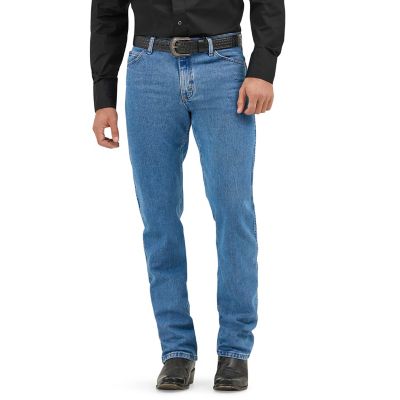
$43
.99
Sale Was $54.99 Save $11.00 (20%)
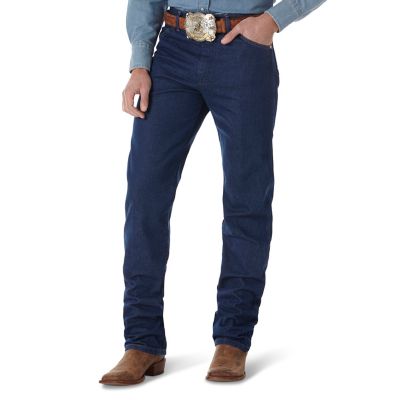
$35
.99
Sale Was $44.99 Save $9.00 (20%)
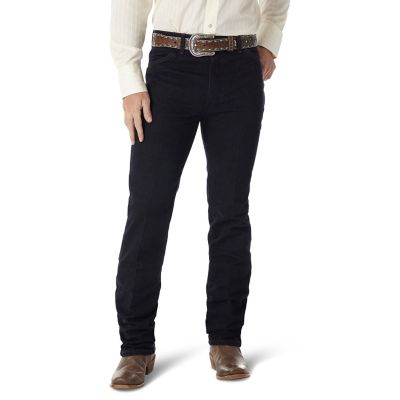
$37
.49
Sale Was $49.99 Save $12.50 (25%)
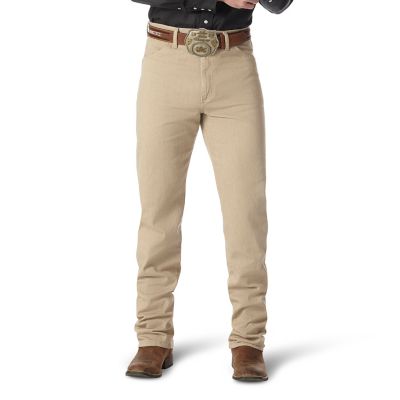
$33
.74
Sale Was $44.99 Save $11.25 (25%)
$37
.49
Sale Was $49.99 Save $12.50 (25%)
$28
.49
Sale Was $37.99 Save $9.50 (25%)
$41
.24
Sale Was $54.99 Save $13.75 (25%)
$28
.49
Sale Was $37.99 Save $9.50 (25%)
$67
.49
Sale Was $89.99 Save $22.50 (25%)
$20
.99
Sale Was $34.99 Save $14.00 (40%)
$17
.49
Sale Was $34.99 Save $17.50 (50%)
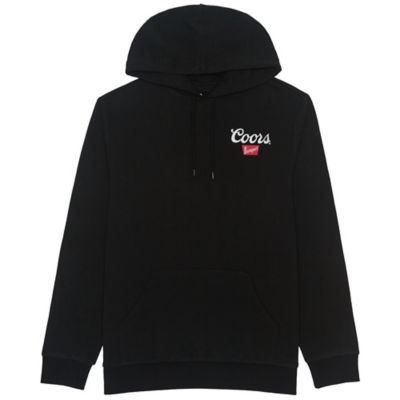
$29
.99
Sale Was $39.99 Save $10.00 (25%)
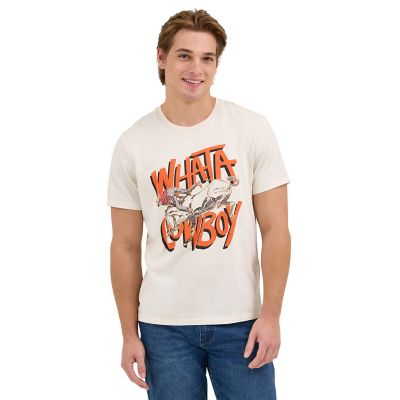
$20
.99
Sale Was $34.99 Save $14.00 (40%)
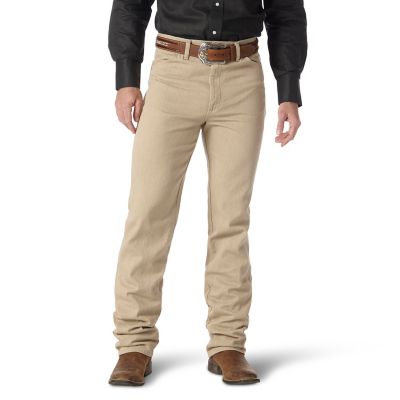
$33
.74
Sale Was $44.99 Save $11.25 (25%)
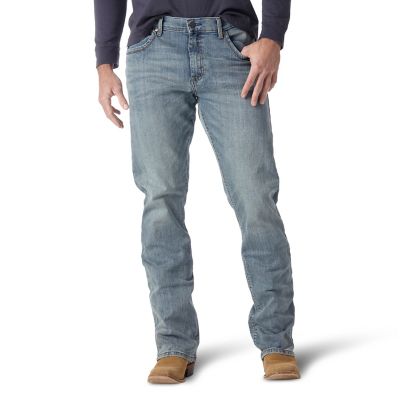
$48
.74
Sale Was $64.99 Save $16.25 (25%)
$33
.74
Sale Was $44.99 Save $11.25 (25%)
$43
.99
Sale Was $54.99 Save $11.00 (20%)
$59
.96
Sale Was $74.99 Save $15.03 (20%)
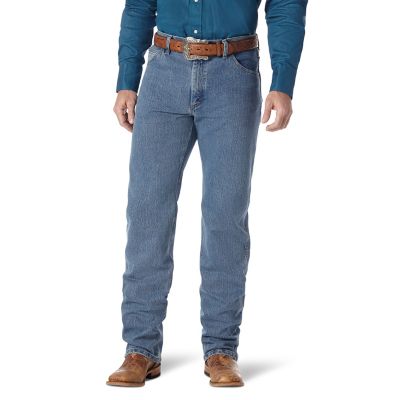
$44
.99
Sale Was $59.99 Save $15.00 (25%)
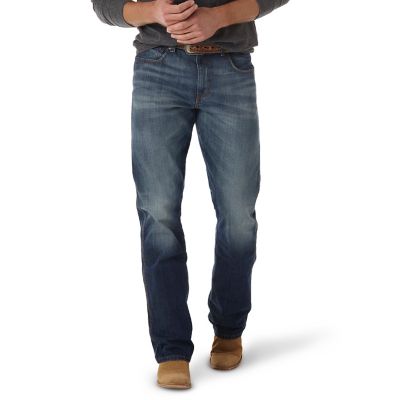
$52
.49
Sale Was $69.99 Save $17.50 (25%)
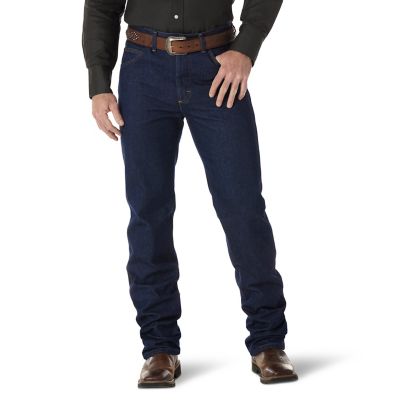
$41
.24
Sale Was $54.99 Save $13.75 (25%)
Best Of FAQ
What are the essential components of a men's cowboy rodeo outfit?
A typical men's cowboy rodeo outfit includes a western shirt, sturdy jeans, a cowboy hat, a belt with a western buckle, cowboy boots, and often a bandana or neckerchief. Some outfits may also feature vests or chaps for added authenticity and protection.
What materials are common in cowboy rodeo clothing for men?
Cowboy rodeo outfits for men are typically made from strong fabrics like denim, cotton, leather, and sometimes wool. These fabrics are chosen for their strength, comfort, and ability to handle the demands of rodeo activities.
How do I choose the right cowboy hat for a rodeo outfit?
When selecting a cowboy hat for a rodeo outfit, consider the material (such as felt or straw), the shape of the brim and crown, and how it complements your overall look. Felt hats are popular for cooler weather and formal events, while straw hats are ideal for warmer conditions.
Are there specific styles of jeans recommended for rodeo events?
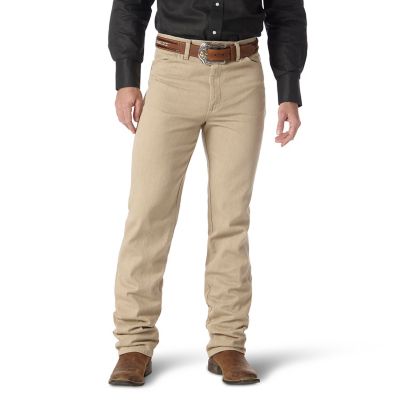
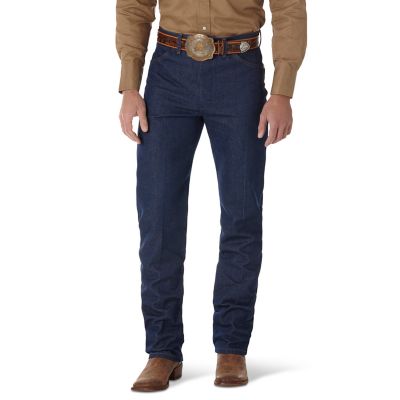
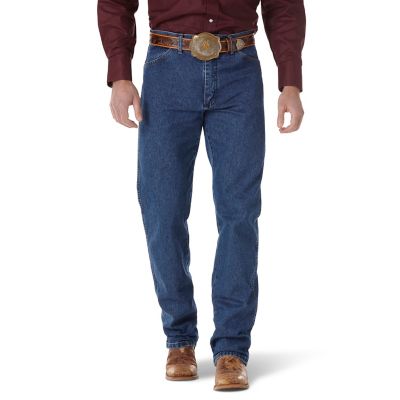
Yes, classic boot-cut or straight-leg jeans made from heavyweight denim are preferred for rodeo events. These styles fit comfortably over cowboy boots and provide both flexibility and protection during riding or other activities.
What accessories can enhance a men's cowboy rodeo outfit?
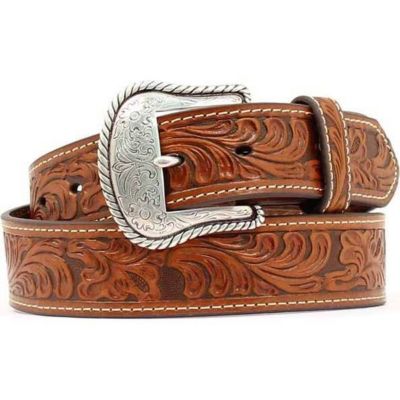
Popular accessories include western-style belts with eye-catching buckles, bolo ties or bandanas, leather gloves, spurs (for riders), and even conchos on hats or vests. These elements add authenticity and personal flair to any cowboy rodeo ensemble.
Best Sellers
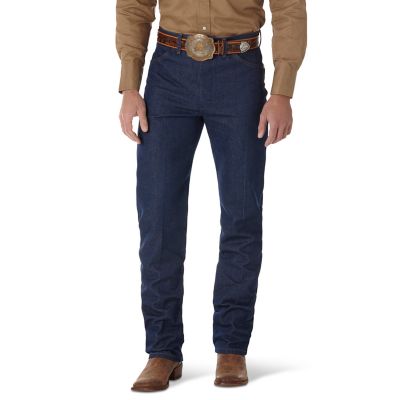
-
"great for price. The quality is very good, and it looks great"
-
"The jeans are a great fit. The color is awesome. The best quality, Wrangler"
-
"These are the best jeans that fit like a glove or second skin. Very comfortable as well"
-
"These are the best jeans that fit like a glove or second skin. Very comfortable as well"
-
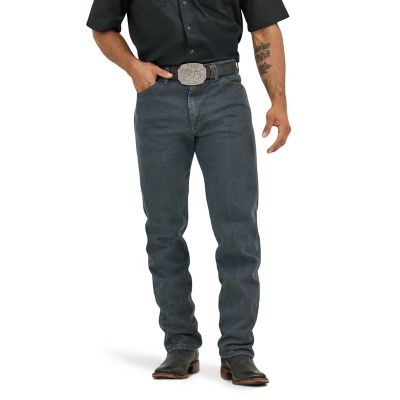
"I was skeptical of the color, but I love it. Very comfortable, perfect size XL"