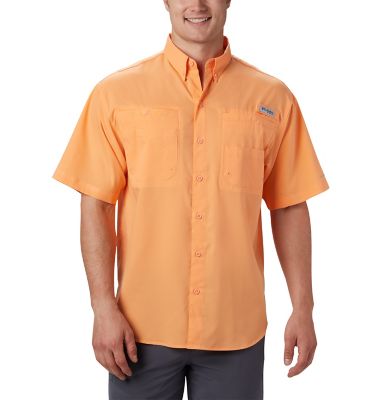
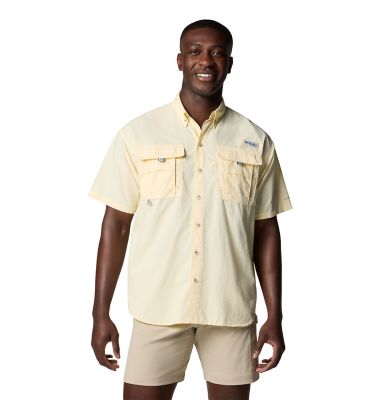
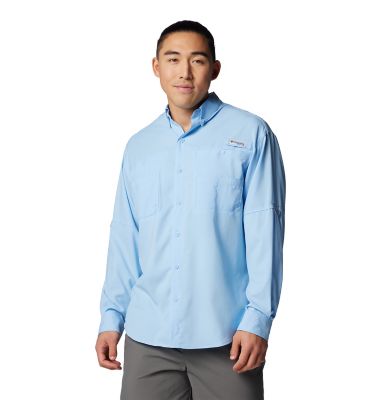
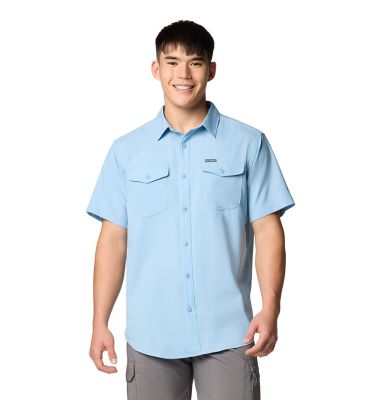
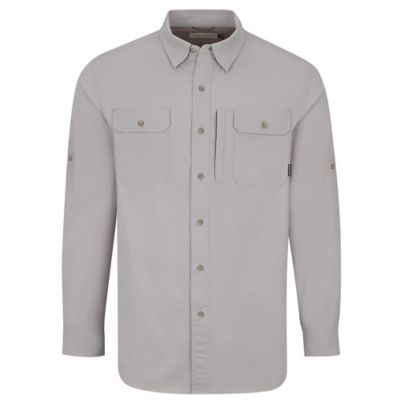
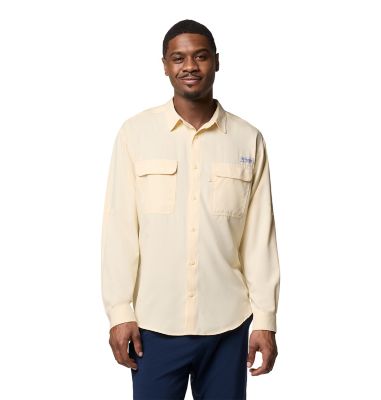
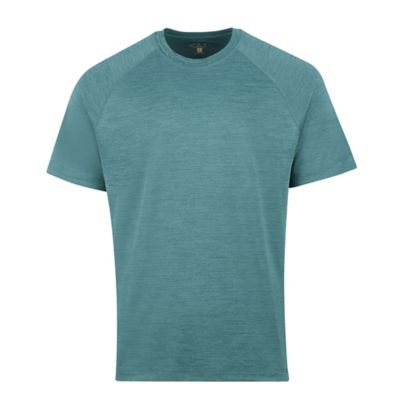
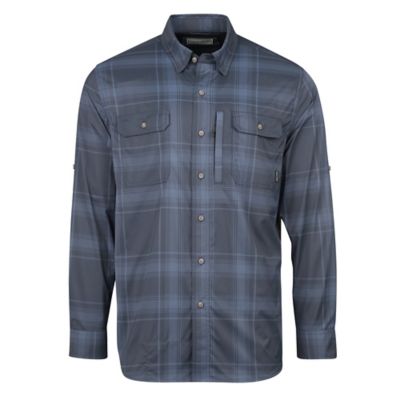
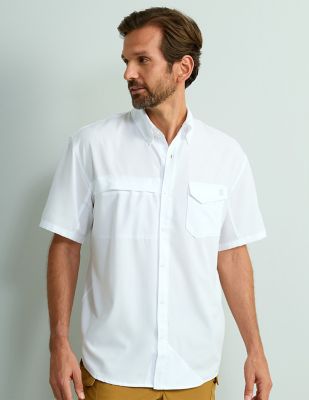
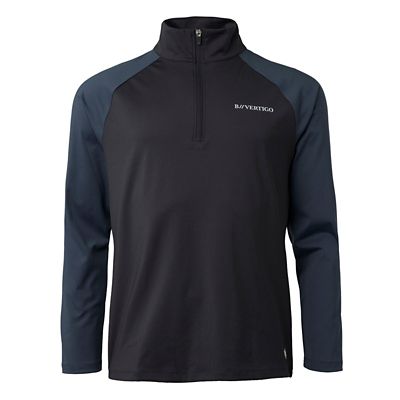
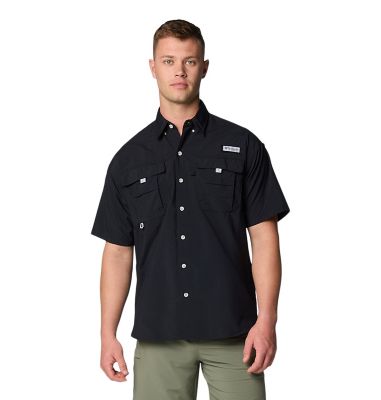
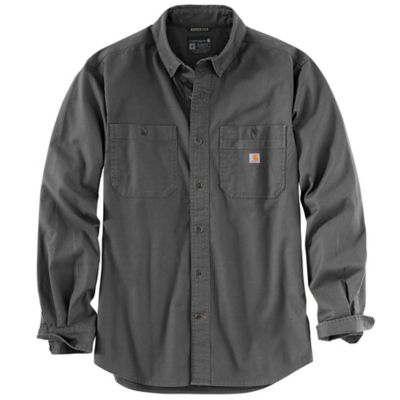
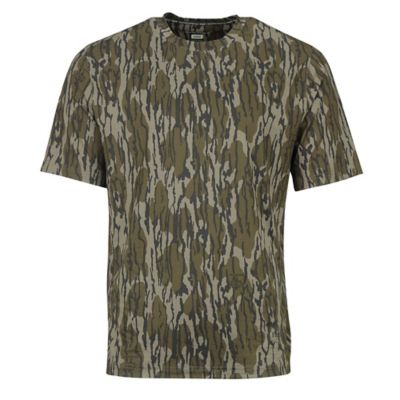
Quick dry shirts are designed to release moisture readily, helping fabric dry faster after sweating, washing or getting splashed. Many are made from polyester, nylon or synthetic blends that absorb relatively little water within the fibers themselves. Fabric construction matters, too: a lightweight knit or woven fabric generally has less moisture to shed than a thick, heavy material. Moisture-wicking and quick-drying features often go together, but they describe different jobs. Wicking moves moisture along the fabric and away from the skin, while drying is the process of that moisture evaporating. A shirt can offer both benefits, making it a practical choice for hauling feed, checking fence lines, walking trails or spending a day on the water. Neither feature makes a shirt waterproof, and drying time still depends on the fabric’s weight, how wet it gets and the airflow around it. For everyday wear, the appeal is straightforward: less time in a shirt that feels heavy, damp or stuck to the back after a stretch of hard work. Polyester is common in these shirts because it holds little moisture and generally keeps its shape well. Nylon can provide a smooth feel and good resistance to abrasion, while a small amount of spandex adds stretch for reaching, bending and climbing. Cotton blends may feel familiar against the skin, though a higher cotton content can mean more water retention and a longer drying time. Some fabrics have a soft, brushed surface; others feel slicker or have a textured weave that sits lightly against the body. Those differences can matter as much as the fiber name when a shirt stays on from the first round of chores through an afternoon of errands. Fabric weight, stretch and surface feel help distinguish a shirt meant for active movement from one better suited to a slower-paced day, even when both carry a quick-drying description.
Fit and construction help a quick dry shirt earn its place in a regular clothing rotation. A close-fitting cut can sit neatly beneath another layer, while a relaxed cut leaves more room through the chest, shoulders and waist. Neither needs to bind when arms reach overhead or pull tight across the back while lifting a feed sack. Shoulder seams, sleeve openings and shirt length all affect how comfortably a top moves through those ordinary tasks. A longer hem provides more coverage when bending over a water trough, while side vents can give the fabric room to move at the hips. Stretch panels, gusseted underarms and raglan sleeves are features that can support a fuller range of motion without requiring an oversized fit. Short-sleeve styles keep the arms clear for active work, while long sleeves provide more skin coverage. Sleeve tabs and adjustable cuffs offer ways to manage sleeve length, though loose fabric should stay clear of moving machinery. Crew necks offer a simple pull-on design, polos add a collar without much fuss and button-front shirts allow more adjustment through the front. A chest pocket can keep a small notepad close during fence checks, while a secure closure is handy when leaning over a boat rail or reaching into a truck bed. Mesh panels and vented back sections can encourage airflow, but their placement may affect comfort beneath backpack straps or a shoulder harness. Flat seams and smooth neck finishes are worth considering for long stretches of wear, especially where straps rub. Quick dry styles fall within the broader category of
Performance Shirts, with fabric and design features intended to support active days. The best match depends on the job: freedom through the shoulders for barn work, easy movement for hiking or a straightforward cut that looks at home around town after chores are done.
Care habits also affect how a quick dry shirt feels and performs over time. The garment’s care label is the starting point because fiber blends, stretch content and fabric treatments can call for different handling. Many synthetic shirts tolerate machine washing, but heavily soiled work clothing may need separate attention from lightly worn everyday tops. Fastening closures before washing helps limit snagging, and keeping shirts away from exposed hook-and-loop tabs can protect fine knits from pulled threads. Fabric softeners can leave a coating that interferes with moisture movement in some performance fabrics, so label directions matter more than a familiar laundry routine. Prompt washing after sweaty work helps prevent lingering odors, while allowing a shirt to dry fully before it goes into a drawer or gear bag keeps trapped dampness from becoming a problem. Air drying or a low-heat dryer setting may suit many fabrics, depending on the care instructions; excessive dryer heat can affect stretch fibers and certain finishes. Resistance to snags and abrasion deserves attention alongside drying speed, especially for anyone who brushes against fence wire, carries rough materials or works around unfinished wood. A tightly constructed fabric may handle that contact better than a very fine, open knit, though no everyday shirt replaces protective clothing required for a particular task. Reinforced seams, sound stitching and a neckline that holds its shape can help a frequently worn shirt stay in the rotation. Quick dry shirts also make practical gifts for hikers, anglers, livestock owners and family members whose days involve plenty of moving around. Familiar sleeve lengths, a comfortable cut and a color that fits the recipient’s everyday wardrobe usually matter more than a long list of features. Whether it is headed into a tackle bag, packed for an overnight trip or worn through another round of chores, a well-matched shirt offers easy movement, manageable care and less waiting around for damp fabric to dry.