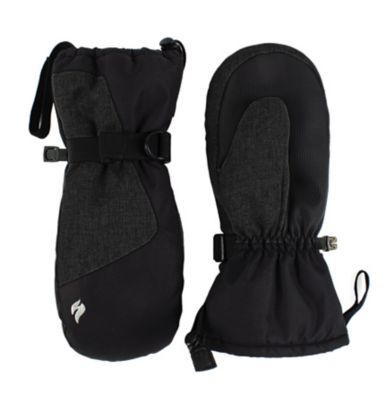
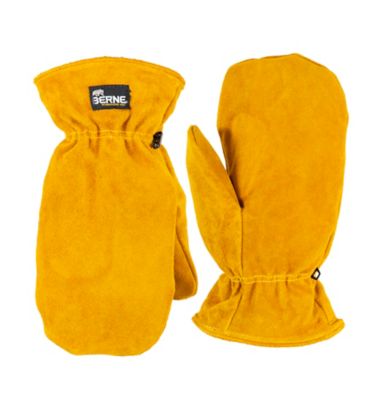
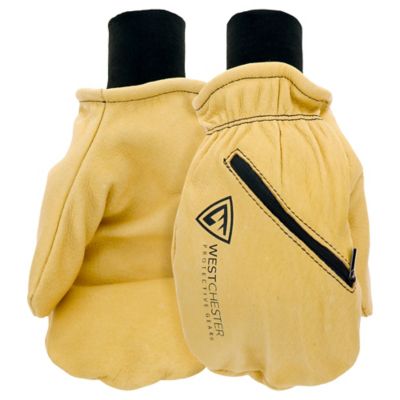
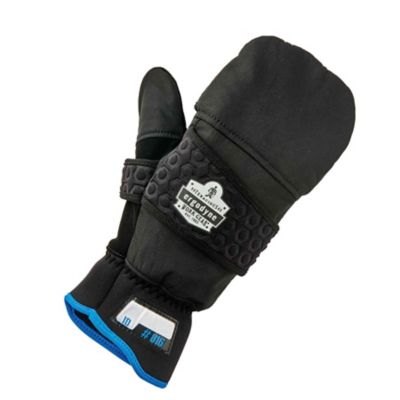
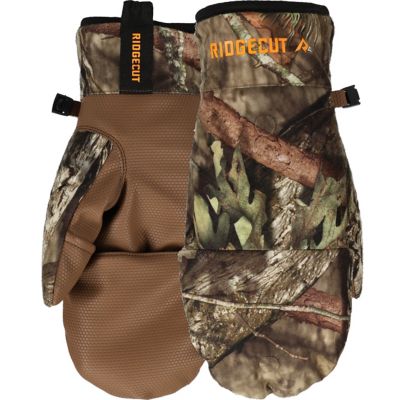
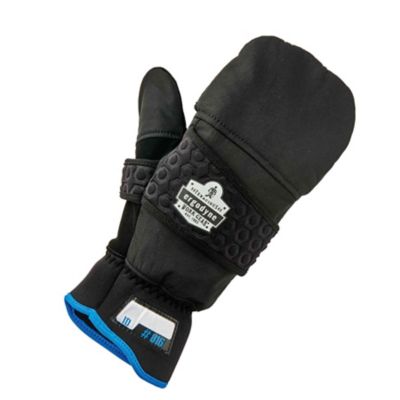
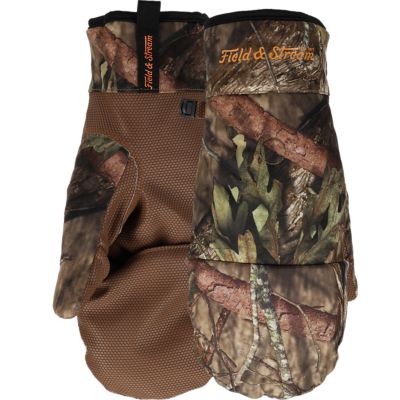
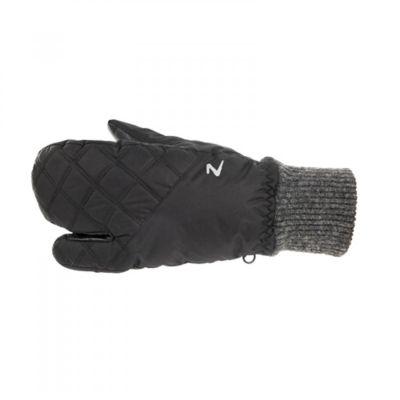
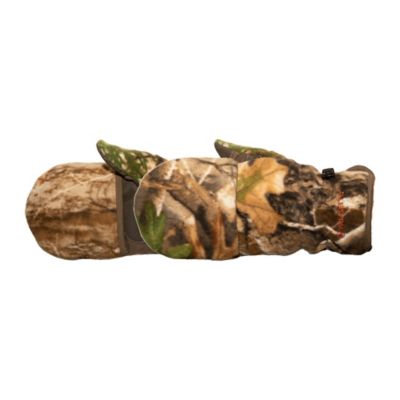
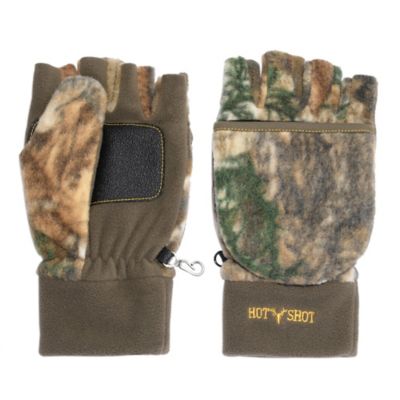
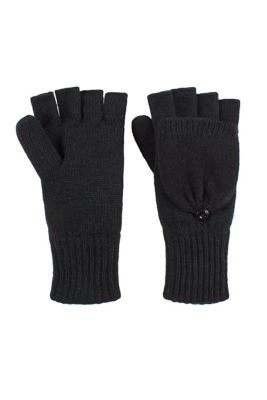
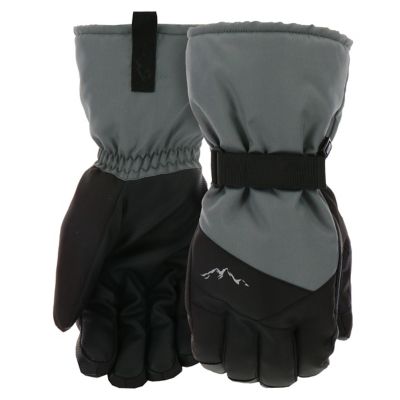
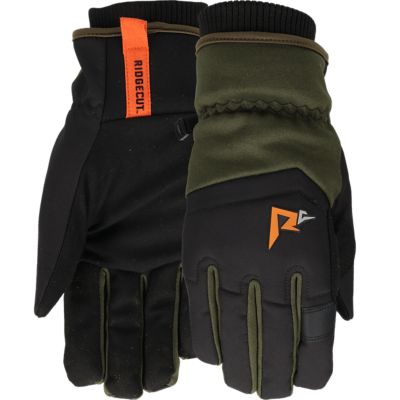
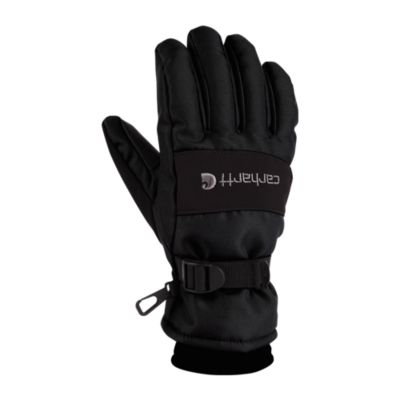
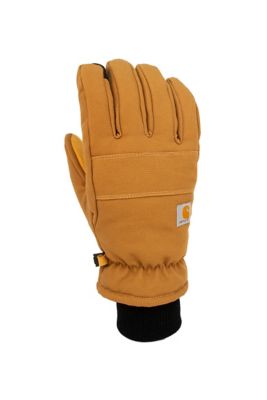
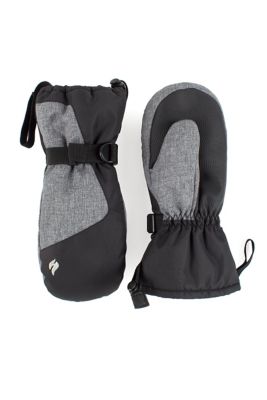
Men's mitts are mittens that keep the fingers together in one compartment, with a separate space for the thumb. That shared finger space helps hold warmth, making insulated mitts a practical choice for cold-weather chores and outdoor time that does not demand constant fingertip work. For a man hauling feed to the barn, walking a fence line or riding along on an open wagon, warmth and coverage can matter more than the ability to handle a tiny fastener. Compared with gloves of similar construction and insulation, mittens generally favor heat retention over dexterity, though shell materials, fit and moisture all affect comfort. Men's work mittens often pair an outer shell built to handle friction with a soft lining and insulation inside. Leather palms can provide grip and abrasion resistance when carrying firewood or holding a shovel, while flexible fabric panels can make bending the hand easier. Synthetic shells may offer wind resistance, water resistance or a waterproof barrier, depending on their construction. Those features are not interchangeable: a water-resistant surface can shed light moisture, while a waterproof design needs a suitable barrier and construction to help keep water out. Neither description means moisture cannot enter through an open cuff. Inside, fleece feels soft against the skin, wool can help manage moisture, and synthetic insulation adds warmth without necessarily requiring a thick, heavy shape. The amount and placement of insulation matter, especially around the fingertips and thumb, where a poor fit can leave uncomfortable pressure points. A soft lining alone does not tell the whole story about warmth. For clearing a snowy walkway or spending a long stretch outdoors, the combination of insulation, wind protection and room for natural hand movement makes the difference. For harder physical work, a less heavily insulated mitten may feel more comfortable than an oversized, heavily padded style that traps too much heat and leaves the lining damp.
Fit deserves just as much attention as the outer material. Men's mitten sizing generally considers hand circumference, hand length or both, so the size chart for the particular style is a better starting point than guessing from a shirt size. The fingers should have a little room to settle naturally without pressing firmly against the end, and the thumb should reach its compartment without stretching the fabric between the thumb and palm. Too tight a fit can compress insulation and restrict comfortable movement; too loose a fit can make a shovel handle feel harder to control. A mitten should stay in place when the hand opens, closes and wraps around a handle. Trying that motion with a light liner underneath is helpful when a liner will be part of the setup. Removable liners can make drying easier, while a sewn-in lining stays attached when the mitten comes off. Either arrangement should feel smooth rather than bunched beneath the fingers. Cuffs also change how mitts work with a coat. A long gauntlet can extend over a jacket sleeve to help keep loose snow from dropping inside, while a shorter cuff may tuck beneath the sleeve for a less crowded wrist. An adjustable wrist closure can help keep the mitten seated, provided it does not feel tight. Reinforced palms, thumb patches and well-finished seams are worth considering for repeated contact with rough wood, rope or tool handles. Thick seams across a gripping surface may feel awkward even when the mitten seems comfortable with an open hand. For chores that need more individual finger movement,
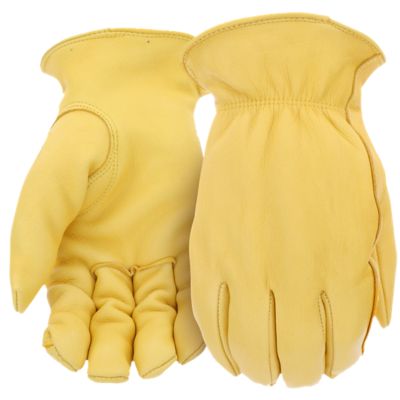
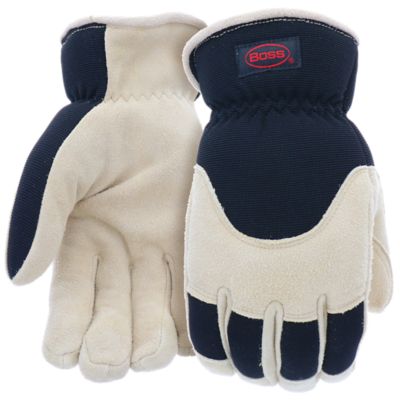
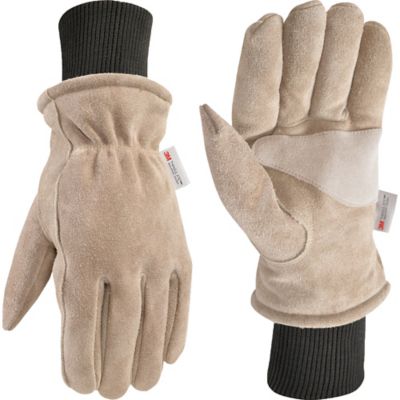
Men's Gloves For Winter offer another handwear option to consider. Mittens are better suited to broad gripping motions than tying knots, fastening small clips or operating tiny controls. Around powered equipment, follow the equipment maker's hand-protection guidance and keep loose cuffs away from moving parts. Everyday insulated mittens should not be treated as protection against blades, chemicals, electrical hazards or high heat unless they carry the appropriate rating for that task.
A little attention after a long day outside helps men's mitts stay comfortable and ready for the next round of chores. Snow on the shell, sweat in the lining and grit along the seams each call for a slightly different approach, so the care label should lead the way. Shake off loose snow and brush away dry dirt before putting mittens aside. If the lining feels damp, open the cuffs fully and remove separate liners when the design allows. Let everything dry thoroughly in a ventilated spot rather than leaving a wet pair balled up in a coat pocket or truck console. Direct heat from a stove, heater or radiator can damage leather, affect some adhesives and harm certain fabrics, so drying methods should match the manufacturer's directions. Leather may need a suitable cleaner or conditioner, but treatments should be compatible with any waterproof membrane and the leather finish. Fabric shells and liners may have different washing requirements, and wool needs particular care to avoid shrinking or felting. Machine washing is not a safe assumption just because a mitten has a fabric exterior. After cleaning, check palm seams, thumb joints and cuff closures for loosened stitching or wear. A thin spot across the palm or a torn lining can make a familiar pair less comfortable and less suited to the work ahead. Between outings, store mitts clean and dry, away from sharp tools and oily rags. A spare liner, where the mitten is designed for one, can be handy for a full day split between barn chores and time farther from the house. Mittens also make a useful gift for someone who spends time outdoors, especially when the giver knows the recipient's hand size, usual chores and preference for a long or short cuff. The best match is not necessarily the thickest pair. It is the pair that balances warmth, grip, easy movement and straightforward care for the way the wearer spends the day.