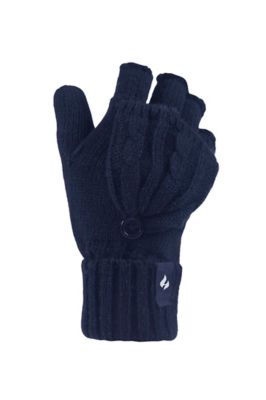
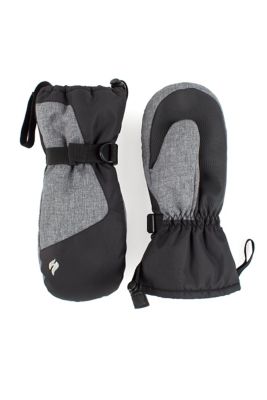
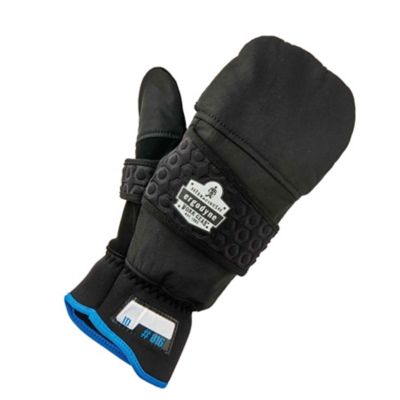
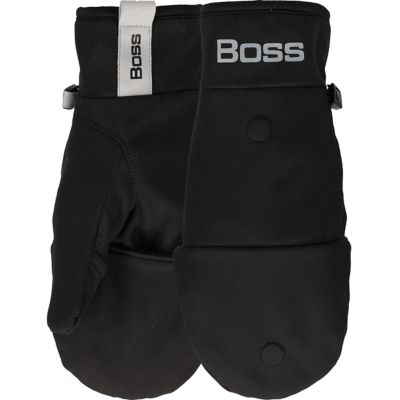
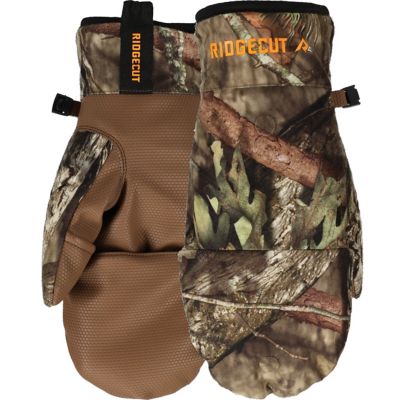
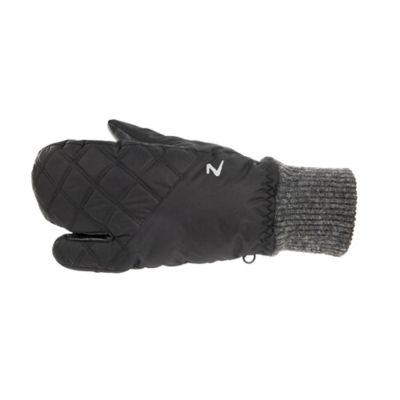
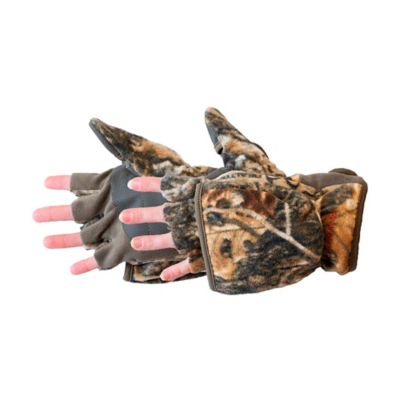
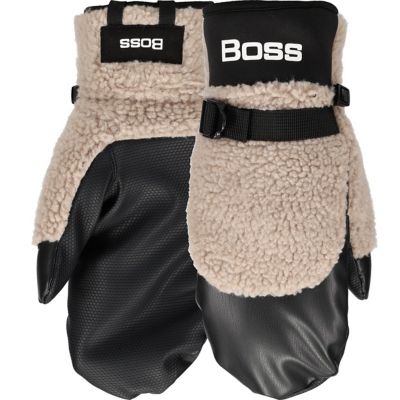
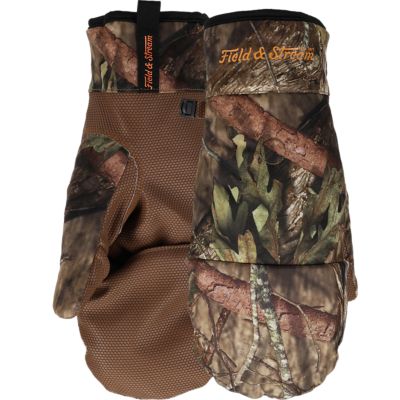
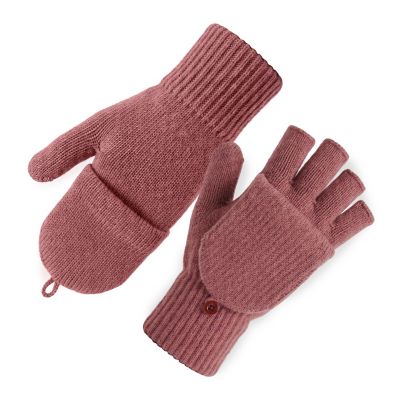
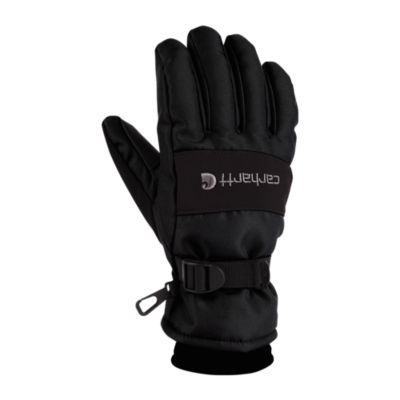
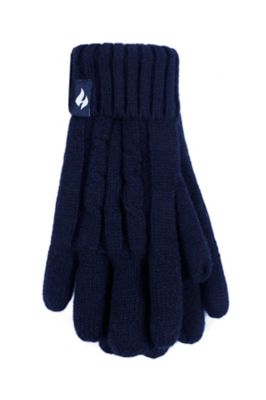
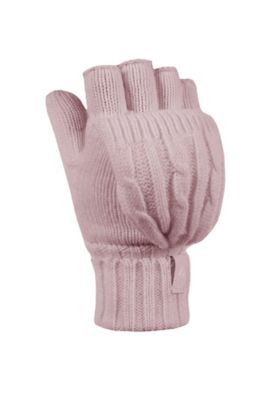
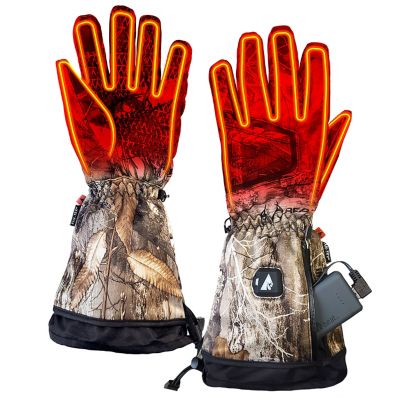
Women’s mitts are cold-weather hand coverings that keep four fingers together in one compartment, with a separate space for the thumb. That shared space helps fingers retain warmth, making mittens a comfortable choice for brisk walks, trips across the yard, and time spent watching outdoor games. Compared with gloves of similar construction, mittens generally offer more warmth but less freedom for individual finger movements. The right balance depends on what the day holds, whether that means walking a country lane with the dog or standing along a windy fence line while the kids ride. Materials make a noticeable difference in how a pair feels and handles the weather. Wool offers natural insulation and can retain some warmth when damp, while wool blends combine that familiar feel with fibers that help the fabric keep its shape. Acrylic knits provide a soft, wool-like texture, and fleece brings lightweight warmth without the heavier feel of some lined leather styles. A close-knit fabric helps limit drafts, though knit mittens alone generally do not block wind or moisture as well as a shell designed for those conditions. Leather adds a supple outer surface that can stand up to regular handling, while reinforced palms help limit wear where hands grip frequently. Shearling and fleece linings create a soft layer against the skin, and synthetic insulation traps warm air without requiring a thick, heavy construction. For longer stretches outdoors, the whole mitten matters more than any single material: the outer shell, insulation, lining, and cuff all work together. During the cooler months, a lightly lined pair may feel just right on the walk from the house to the mailbox, while a more insulated style is better suited to lingering outside in the wind. Personal comfort, activity level, and exposure all affect warmth, so a thick-looking mitten is not automatically the best match for every outing.
Fit is especially important with women’s mittens because warmth depends partly on leaving enough room for the insulation to loft around the hand. Fingers should rest comfortably without pressing against the end, and the thumb should move without tugging at the seam between it and the palm. A snug wrist can help keep drafts out, but a tight palm or cuff can feel restrictive and reduce comfort. Women’s sizing varies by maker, so hand circumference and hand length are more useful than assuming the same size will fit across every style. Anyone planning to wear thin liners underneath needs enough extra room to avoid compressing both layers. Liners can also make brief mitten removal more comfortable when fastening a coat or finding a key, although warmth will drop once the outer covering comes off. Cuff length changes how mitts work with the rest of an outfit. Ribbed cuffs often fit neatly beneath a jacket sleeve, while longer cuffs can overlap outerwear to help keep wind and loose snow from reaching the wrist. Adjustable closures help fine-tune that overlap, especially when a coat has roomy sleeves. For damp conditions, water-resistant and waterproof constructions serve different purposes. A water-resistant surface can shed light moisture, but it may let water through during extended contact with wet snow. A waterproof design offers a stronger barrier, though seams, openings, and the condition of the materials still affect protection. Breathability matters, too, because perspiration can leave the lining damp during a fast walk or other active outing. Palm texture can make holding a leash or carrying a tote feel more secure, but mittens still limit fine hand control. Tasks involving small latches, tools, or equipment may call for a different type of hand protection. For outings where separate finger movement matters more,
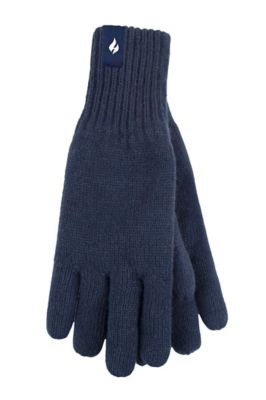
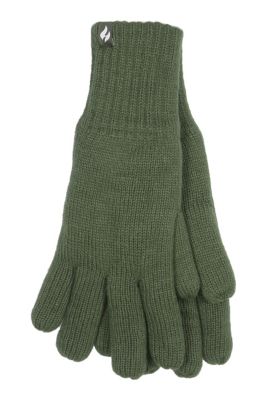
Warm Gloves For Women offer another cold-weather option. Neither everyday mittens nor ordinary winter gloves should be treated as a substitute for task-specific protective gear around machinery, sharp edges, chemicals, or high heat.
A pair of women’s winter mitts earns its place through the small, repeated moments of a cold day: carrying a chair to the sidelines, walking down a gravel drive, or taking a quiet lap around the property before supper. Soft knit and fleece styles suit casual outings and everyday layers, while insulated shells are a better match for stronger wind or more time in wintry weather. Smooth linings can make mittens easier to pull on and off, and carefully finished interior seams matter for hands that are sensitive to rubbing. For regular outdoor wear, reinforced contact areas, firmly attached cuffs, and even stitching are worth a close look. These details help a pair hold up where repeated gripping and pulling put the most strain on the fabric. Care plays a part in that wear life as well. Each material has its own needs, and the care label takes priority over a one-method-fits-all approach. Some fleece and synthetic styles tolerate machine washing on a gentle setting, while wool may need cool water, mild detergent intended for the fiber, and drying flat to help preserve its shape. Leather usually calls for cleaning and conditioning methods intended for leather rather than a trip through the washer. After a damp outing, mittens need time to dry fully before being tucked into a coat pocket or storage bin. Room-temperature airflow is generally gentler than resting them on a radiator or close to a stove, where strong heat can shrink fibers, stiffen leather, or affect other components. Removable liners, when part of the design, can be taken out for separate drying according to their care directions. Clean, dry storage between outings helps keep the lining pleasant against the skin. Mittens also make a practical gift for someone who spends time outdoors, especially when the choice reflects her routine rather than appearance alone. A soft lining, a comfortable cuff, and the right level of insulation can matter far more than extra trim. For a daily walker, a sideline regular, or someone who simply likes warm hands on the way into town, a well-fitting pair adds comfort without making cold-weather dressing complicated.