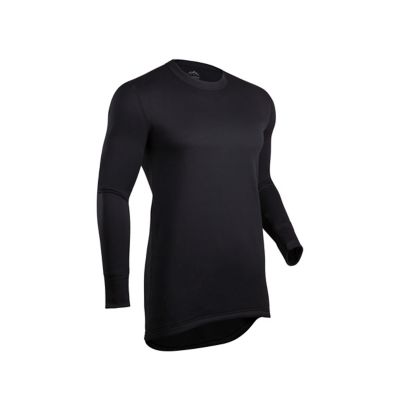
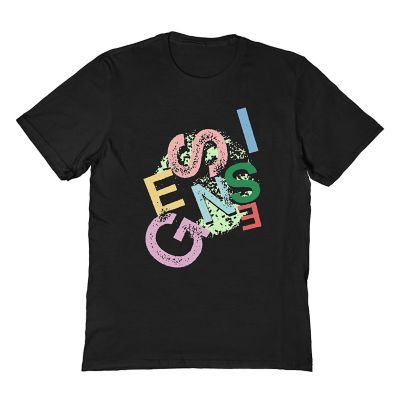
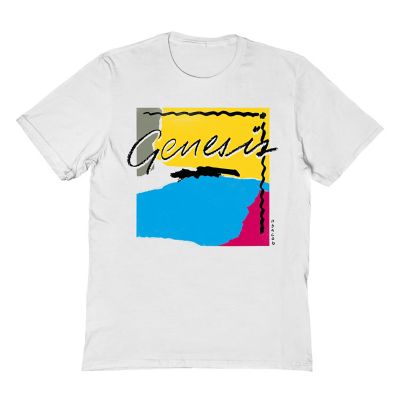
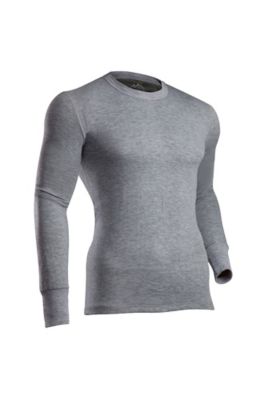
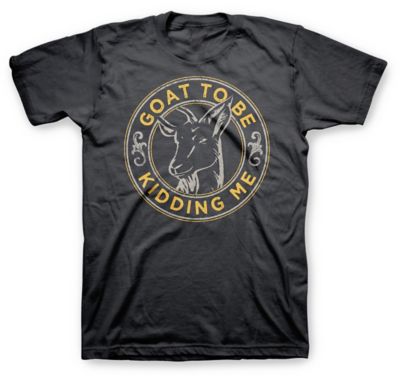
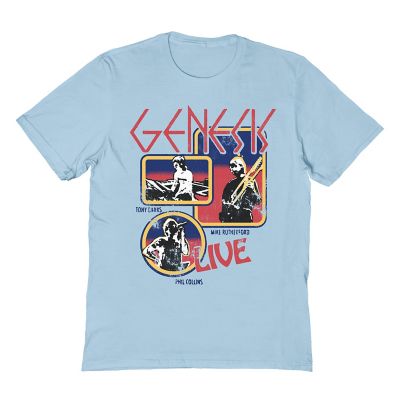
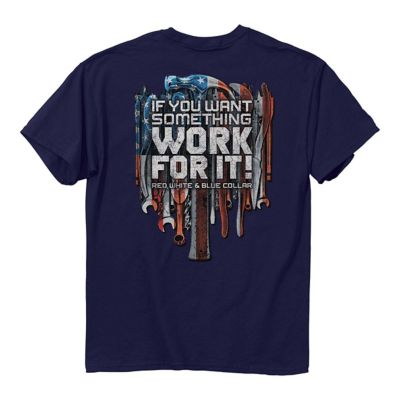
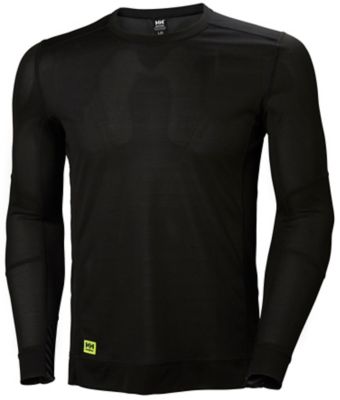
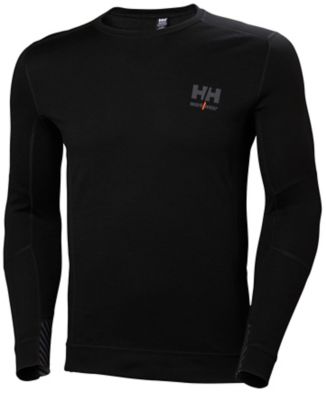
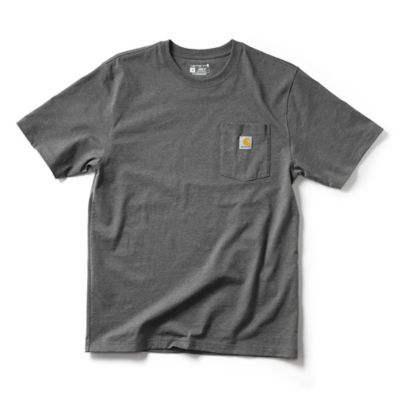
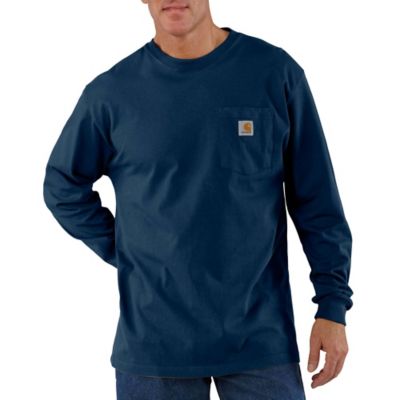
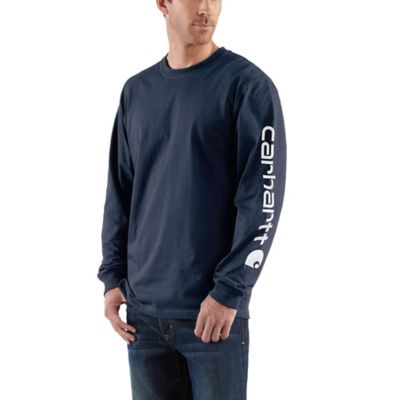
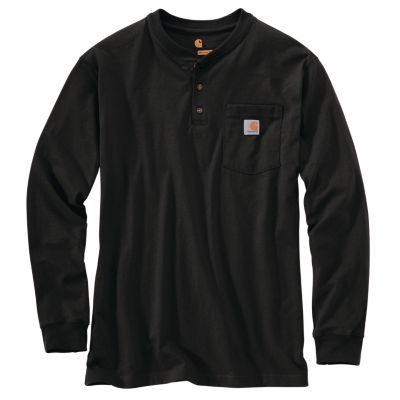
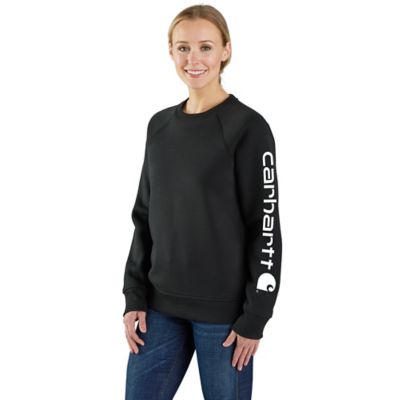
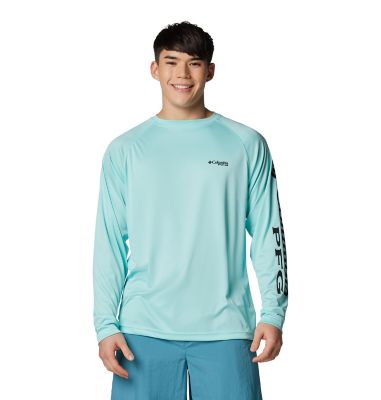
Men’s crew shirts are everyday shirts with a round neckline that sits near the base of the neck, offering a straightforward fit for chores, errands and time off. The familiar crew neck has no collar, buttons or deep opening, so it pairs easily with jeans, work pants and bib overalls. Short-sleeve crew shirts leave the forearms free for tasks around the house or shop, while long-sleeve styles add coverage without changing that simple neckline. For a man who goes from checking fence lines to picking up supplies in town, a crew-neck T-shirt fits naturally into the day. Solid colors keep the look understated, and graphic prints give an everyday shirt a little personality. A chest pocket adds another practical detail, with room for a folded note or another small, lightweight essential, though an open pocket may not hold its contents when bending over. Fabric makes a noticeable difference in how these shirts feel. Cotton is a familiar choice for softness and breathability, with a feel that ranges from light and smooth to substantial and structured. Cotton-polyester blends combine cotton’s familiar feel with fibers that can help a shirt dry faster and hold its shape, depending on the construction. Polyester-rich performance fabrics may offer moisture-wicking properties when identified on the label, making them worth considering for active work. Shirts with a little elastane or spandex add stretch, which can make reaching across a workbench or climbing into a truck more comfortable. Fabric weight matters, too: a lighter knit usually drapes closer to the body and slips easily beneath another shirt, while a heavier knit tends to have more body. Neither weight tells the whole story about how a shirt will wear. The yarn, knit, seams and finishing all contribute to its feel and ability to stand up to repeated wear. For everyday rotation, the best match comes down to the balance of softness, structure and freedom of movement that suits the wearer’s routine.
Fit gives men’s crew-neck shirts much of their everyday usefulness. A relaxed cut leaves more room through the chest and waist, which can feel comfortable during a long stretch of walking, lifting or sitting behind the wheel. A closer cut creates a neater outline beneath a button-front work shirt, but it should still allow an easy reach without pulling tightly across the shoulders. Fit names vary between manufacturers, so chest measurements and size charts tell more than a familiar size letter alone. On a conventional set-in sleeve, the shoulder seam generally rests near the edge of the shoulder; dropped-shoulder designs intentionally sit farther down the arm. Sleeve openings also affect comfort. A sleeve that grips the upper arm may feel restrictive when carrying feed or stacking supplies, while an overly wide opening can bunch beneath another layer. Body length deserves the same attention. A shirt worn untucked should provide enough coverage when bending or reaching without hanging so low that it gets in the way. Men who tuck their shirts into work pants may prefer extra length to help the hem stay put through a full day of movement. Tall sizing, where specified, can add body and sleeve length without requiring a wider fit. The collar is another small feature with a big effect: a rib-knit neckband should sit comfortably without pressing against the throat or looking stretched out. Reinforcement at the neck and shoulders can help those areas hold their shape, while smooth interior seams and tag-free or soft-label designs may reduce rubbing. Crew shirts also make straightforward base layers beneath overalls, overshirts and
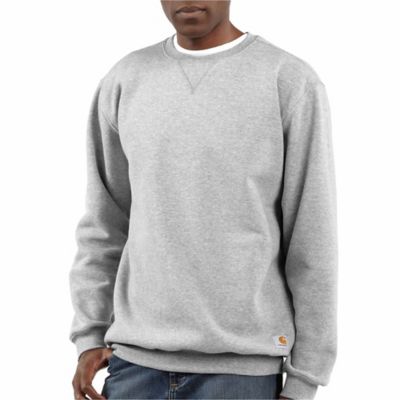
Crew Neck Work Sweatshirts. A relatively smooth, less bulky shirt makes that combination easier to move in. For jobs around moving equipment, clothing needs to follow workplace rules, and loose fabric should stay clear of machinery. An ordinary crew shirt is everyday clothing, not a substitute for required protective apparel.
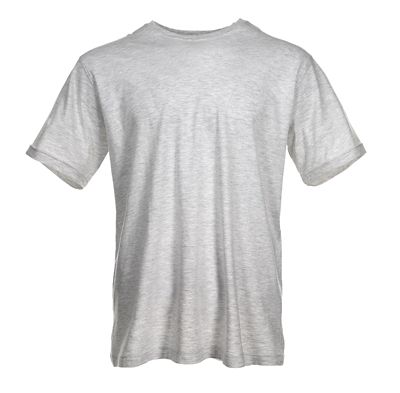
A shirt that earns a regular place in the laundry basket needs more than a comfortable first try-on. Consistent stitching, securely finished hems and a neckline that lies flat are useful details to look for in men’s crew shirts intended for repeat wear. Reinforced shoulder seams can help manage strain from regular movement, and neatly finished seams are less likely to feel rough against the skin. Cotton may shrink depending on its treatment and how it is washed and dried; even preshrunk fabric can change somewhat with care. Blended fabrics may resist shrinking or wrinkling better than some all-cotton fabrics, but the care label remains the best starting point. Washing with similar colors helps protect the appearance of light and dark shirts, and turning printed shirts inside out can help limit abrasion against the design. High dryer heat can contribute to shrinkage and take a toll on stretch fibers or prints, so the recommended drying method matters. Prompt attention to a grass mark or a splash from a shop project also helps, since drying can set some stains. Fabric softener may interfere with moisture management in certain performance shirts, making the garment’s care directions especially important. Color and finish play a part in everyday practicality as well. Pale shirts tend to show dark smudges, while very dark shirts can make lint and light-colored dust more noticeable. Heathered fabrics offer a mixed-tone appearance that can make minor marks less conspicuous, though they still need regular cleaning. For men who prefer getting dressed without much fuss, several crew shirts in familiar colors make an easy foundation for workday and weekend outfits. They can also be thoughtful gifts for a dad, brother, partner or friend when the giver knows the recipient’s preferred fit, fabric and sleeve length. A shirt similar in measurements to one he already reaches for is a sensible starting point. Whether it is worn for everyday chores, a drive into town or an afternoon at home, a well-fitting crew shirt keeps comfort simple and lets the day’s plans take the lead.