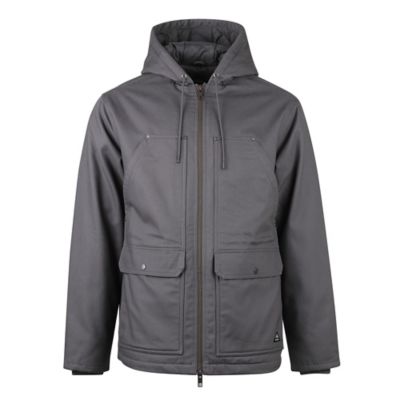
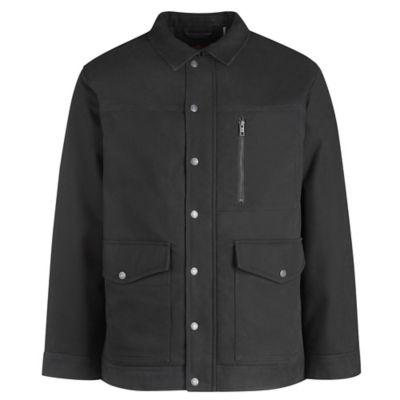
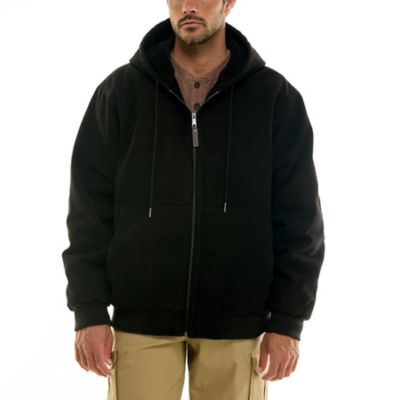
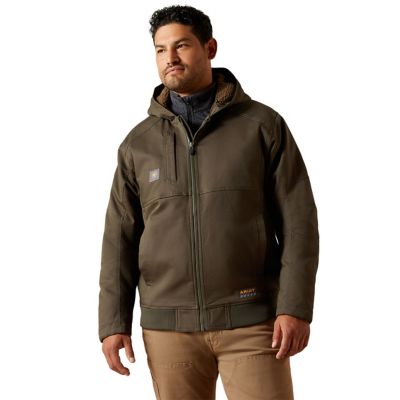
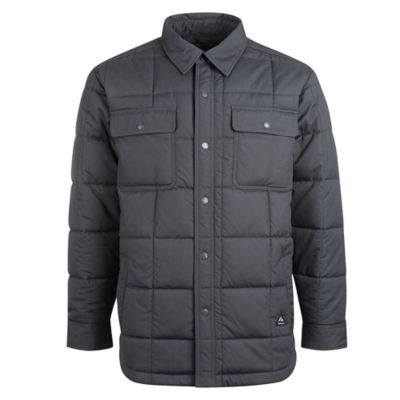
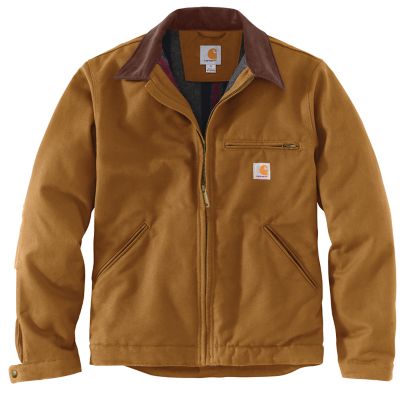
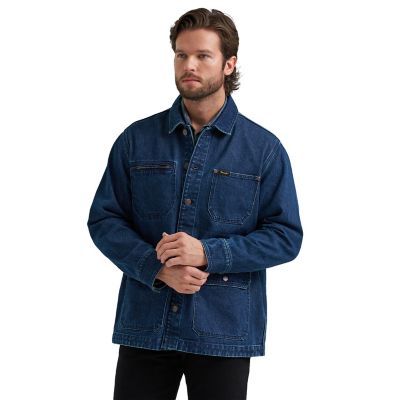
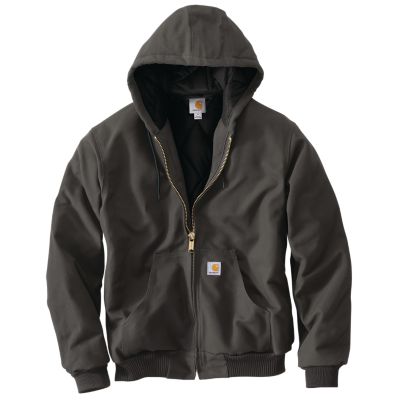
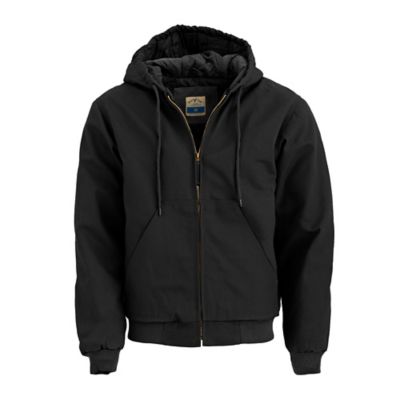
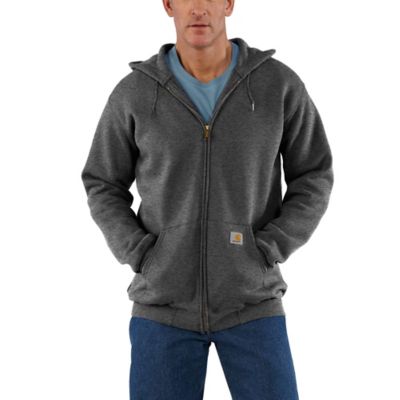
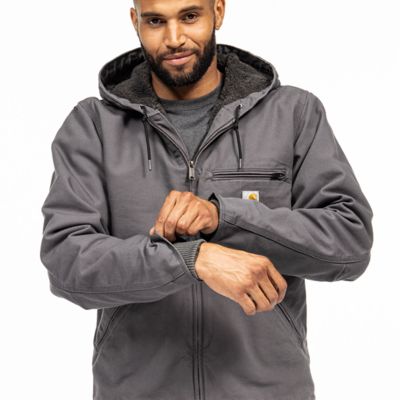
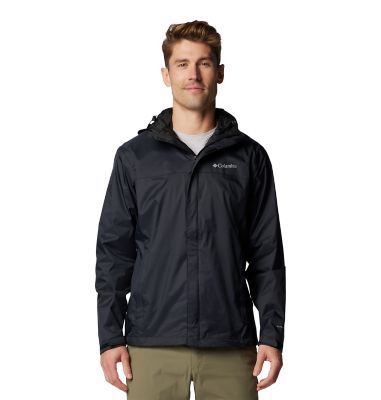
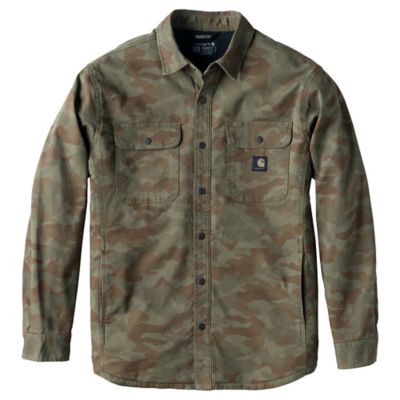
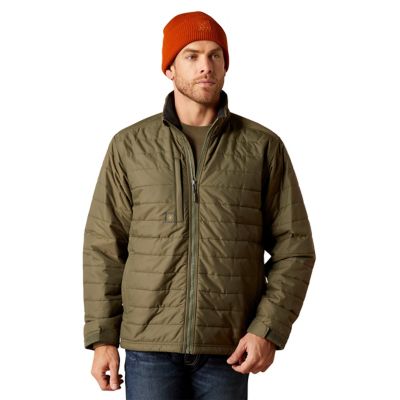
A men's canvas work jacket earns its place by handling the everyday jobs that can be hard on clothing: carrying feed sacks, leaning across a fence rail, loading lumber, or reaching into the bed of a pickup. Canvas has a substantial feel without needing a lot of fuss, and its closely woven construction makes it well suited to work that involves rubbing against rough surfaces. Cotton canvas often starts out fairly firm and gradually softens with wear, while cotton blends may offer a different balance of flexibility, weight, and ease of care. Duck canvas is another familiar workwear fabric, recognized for its tight plain weave and solid feel. Fabric weight matters, but it is only part of the picture. A heavier shell can feel substantial across the shoulders and arms, while a lighter canvas construction may be less cumbersome for work that involves plenty of walking, bending, and lifting. Strong stitching, well-finished seams, and reinforcement at pocket corners also contribute to how a jacket handles repeated wear. Those details deserve attention around the elbows, cuffs, and front pockets, where contact with benches, tools, and equipment tends to leave its mark first. A simple canvas shell keeps the construction straightforward, while a lined jacket adds another layer between the outer fabric and the shirt underneath. Smooth sleeve linings can help the jacket slide over a long-sleeve work shirt without bunching it up. The best match depends on the work itself, whether that means tending livestock, keeping a property in shape, repairing equipment, or spending a full day at a building site. A jacket that feels right for checking fences on foot may have a different cut from one intended for frequent driving. Canvas workwear also fits naturally into everyday routines beyond the job, from a stop at the feed store to a trip into town, especially when the design keeps its lines simple and its hardware out of the way.
Fit makes a noticeable difference when a men's canvas work jacket is part of a full day's routine. Enough room through the chest and shoulders lets a shirt sit comfortably underneath, but an overly loose body can bunch against a seat or get in the way while carrying something close. Sleeve length matters just as much: cuffs should cover the wrists without slipping over the hands when handling small hardware or fastening a gate latch. Articulated elbows, pleated backs, and underarm gussets are construction details that can provide extra room for reaching without making the whole jacket oversized. A little stretch in the fabric may also help with movement, though the amount and placement vary by design. Shorter work jackets tend to leave the hips freer for sitting and stepping up, while longer cuts provide more coverage and may overlap a tool belt or belt-mounted pouch. Pocket layout changes how a jacket works in practice. A chest pocket can keep a pencil within reach, deep lower pockets give gloves somewhere to land between tasks, and an inside pocket can separate personal belongings from the things carried for work. Secure closures matter when bending over an engine bay or climbing in and out of a truck. Zippers offer a straightforward front closure, while snaps and buttons have their own feel and handling, especially with gloves on. Adjustable cuffs and hems help manage the fit around wrists and the waist without relying on extra fabric. Collars should sit comfortably at the neck, and hooded designs add another consideration around the shoulders and back. For tasks around moving equipment, loose cords and hanging fabric deserve particular attention, along with any clothing requirements for the job. Everyday canvas clothing is not a substitute for task-specific protective apparel. The
Men's Canvas Jackets collection offers a broader way to consider canvas outerwear, with work-focused details worth weighing alongside overall fit, fabric feel, and how easily the jacket moves through a normal day.
Care is another part of getting good service from a canvas work jacket, particularly when dust, hay, grease, and contact with rough materials are part of the routine. The care label takes priority because shell fabrics, linings, finishes, and hardware do not all call for the same treatment. Some canvas jackets allow machine washing, while others need a different approach, especially when a special finish or leather trim is involved. Brushing off loose dirt before cleaning can keep grit from working farther into the fabric, and emptying pockets prevents a forgotten screw, nail, or pencil from causing trouble in the wash. Fastening closures before laundering can help limit snagging, while following the listed drying directions helps protect the jacket's fit and construction. Cotton canvas can shrink, and excessive dryer heat can affect both sizing and certain finishes. Spot cleaning may be enough for a small mark when the garment's care directions allow it; grinding away at a stain with a stiff brush can be harder on the fabric than the stain itself. Between cleanings, letting the jacket dry fully before hanging it away helps keep damp fabric from sitting folded against itself. Checking a loose cuff seam or a worn pocket corner early gives a small repair a chance before the damage spreads. A canvas work jacket can also make a thoughtful gift for someone who spends time in a shop, tends acreage, raises animals, or simply prefers practical clothing. Knowing the recipient's usual jacket size is a start, but their preferred sleeve length, layering habits, and pocket needs make the choice more personal. Familiar colors and a straightforward cut often fit easily alongside work pants, jeans, and boots. For a working jacket, the most useful details are often the least flashy: shoulders that let the wearer reach, pockets that hold what they need, closures that are easy to handle, and fabric that suits the work ahead.