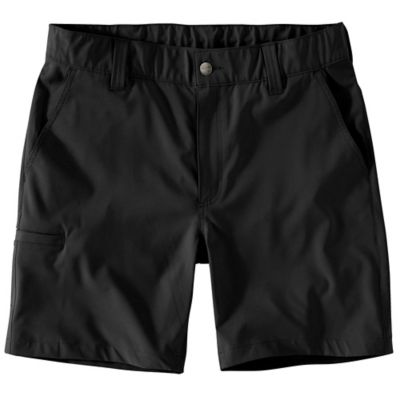
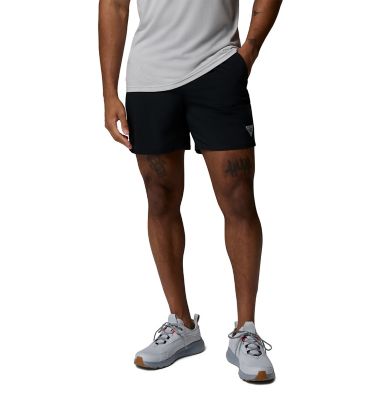
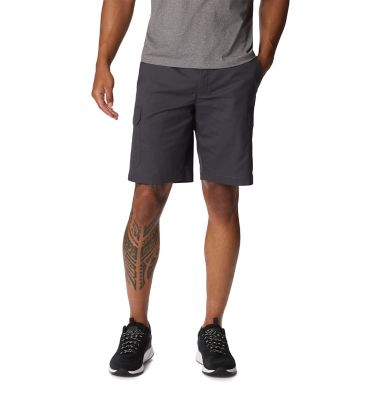
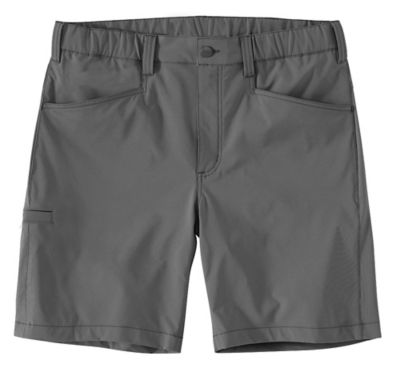
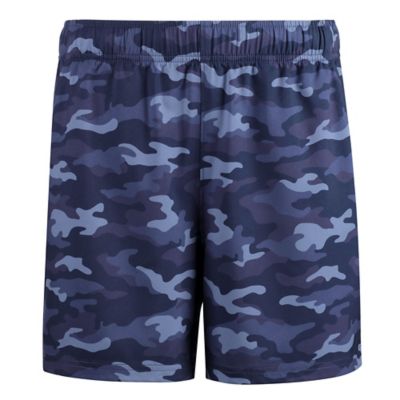
Men's black running shorts are athletic bottoms made for easy movement on a run, at the gym or along a familiar walking route. Common features include lightweight fabric, an elastic waistband, an adjustable drawcord and pockets, with lined and unlined styles serving different preferences. Black keeps the look simple and pairs easily with a favorite workout shirt, a plain tee or a sweatshirt pulled on after a session. For someone logging miles down a gravel lane or fitting in a treadmill workout after work, the fabric and cut matter more than a complicated design. Polyester and nylon are common materials because they can create light, smooth fabrics that dry readily after exercise. Moisture-wicking construction helps move perspiration away from the skin, while mesh panels or small perforations provide places for air to pass through. Blends containing elastane or spandex add stretch, which can make a difference when climbing a hill, stepping into a lunge or settling into a longer stride. Fabric weight also affects the feel: a thin woven shell tends to move freely, while a knit construction may feel softer and have more give. Inseam length is another clear distinction among men's running shorts. A 5-inch inseam generally leaves more of the thigh uncovered, a 7-inch inseam offers a middle ground, and a 9-inch inseam provides more leg coverage, though the exact position of the hem depends on height and proportions. The best fit leaves enough room through the seat and thighs without excess fabric flapping with each step. Side vents and shaped hems can give the legs room to move without requiring a wider cut throughout. A waistband should sit comfortably and stay put without digging in, and a drawcord allows small adjustments beyond the stretch of the elastic. Waist measurements and garment sizing are worth matching to the wearer's usual fit, since the same size label can feel different across cuts. For men who alternate running with squats, stretching or walking, room through the hips is just as important as the length.
The liner changes how men's black running shorts feel against the body and what needs to go underneath. A built-in brief liner provides support with relatively little fabric down the leg, while a boxer-brief or compression-style liner extends along the thighs. That longer inner layer may help limit skin-to-skin rubbing, especially on a steady run where the same motion repeats for miles. A close-fitting liner should feel secure rather than restrictive, with leg openings that stay comfortable as the wearer bends and strides. Linerless shorts leave the choice of underwear or a separate base layer to the wearer, making them a practical option for men who already have a preferred setup. Neither construction suits everyone, and comfort often comes down to the placement of seams, the feel of the fabric and how well the inner and outer layers move together. Flat seams and smooth edges can reduce friction, but even a soft-looking seam may become noticeable if it lands at a pressure point. Pockets deserve the same attention because carrying a phone, truck key or small wallet changes how shorts behave in motion. Open side pockets are convenient for standing around or walking, while zippered compartments provide more security during a run. A pocket placed close to the waistband can keep a small object from swinging as much as one carried lower on the leg. Some liner pockets hold a phone close to the thigh; the pocket opening and dimensions still need to suit the device. Loading both side pockets can pull on the waistband and interrupt an otherwise comfortable fit, so a lighter carry often feels better over several miles. For runners who share roads with traffic, black clothing needs an extra visibility consideration. Reflective details may help catch headlights, but they do not replace suitable lights, visibility gear or attention to the route. On a track, treadmill or quiet path, the main priorities remain freedom of movement, manageable pocket storage and a waistband that does not need constant adjusting.
Everyday wear and care influence how running shorts hold their shape and feel over time. Strong stitching at pocket openings, neatly finished seams and a waistband that returns to shape after stretching are useful construction details, especially for shorts that go through frequent workouts and laundry cycles. Lightweight running fabric is intended for athletic movement, not protection from brush, sharp edges or rough work surfaces. A pair that feels comfortable for a jog past the fence line is not a substitute for workwear when the job calls for more coverage. After exercise, giving damp shorts room to air out before they sit in a laundry pile helps keep moisture from lingering. Washing instructions vary by fabric, liner and finish, so the sewn-in care label is the starting point. Cold water and mild detergent are common choices for athletic clothing, while fabric softener can interfere with certain moisture-wicking finishes. High dryer settings can be hard on elastic, stretch fibers and some printed details; air drying or a lower setting may be appropriate when the label allows it. Turning black shorts inside out and washing them with similar dark colors can help limit rubbing on the outer surface and color transfer. Emptying pockets before washing also keeps a forgotten key from knocking against fabric or catching a seam. Between workouts, these shorts fit easily into an off-the-clock routine, whether that means walking the property, stretching on the porch or heading to a community recreation center. They can also make a practical gift for a man who runs, walks for exercise or spends time at the gym, particularly when his preferred inseam and liner style are already known. For a walking partner or another athlete in the household,
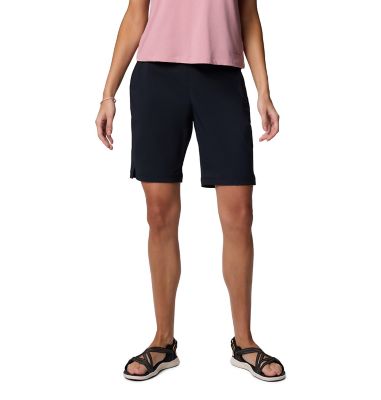
Women's Black Athletic Shorts provide a related category to explore. Comfortable fit, sensible pocket placement and straightforward care make black running shorts an easy part of a regular exercise routine.