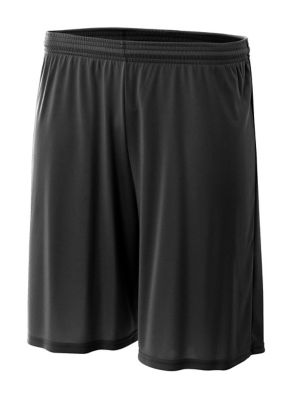
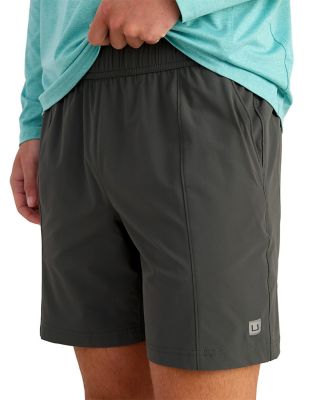
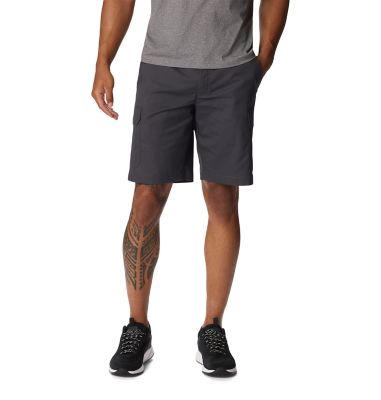
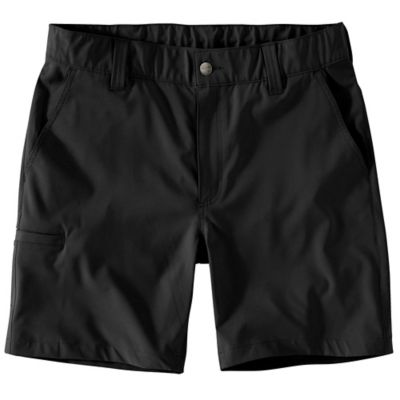
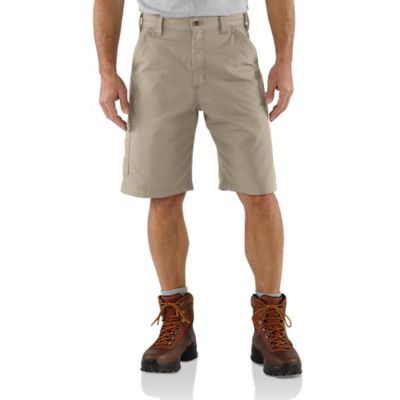
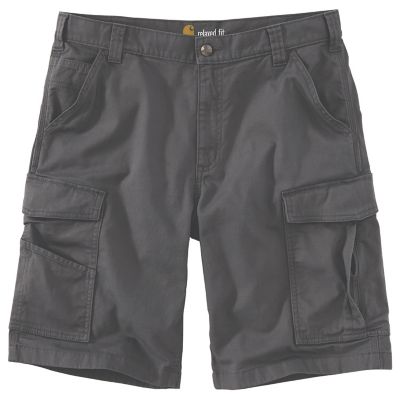
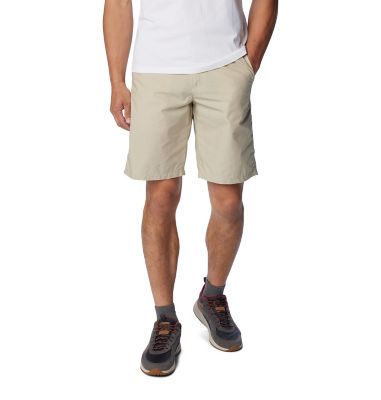
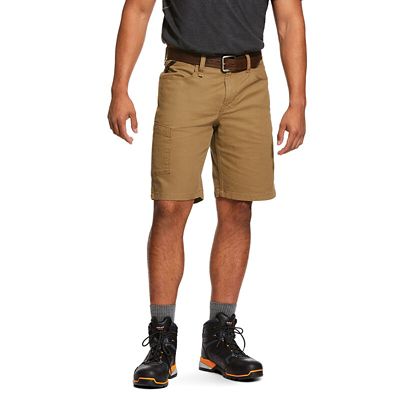
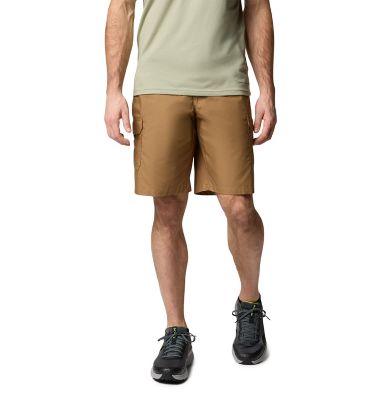
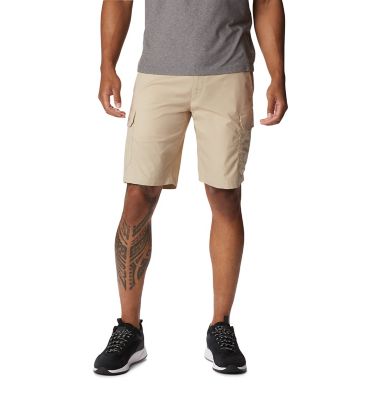
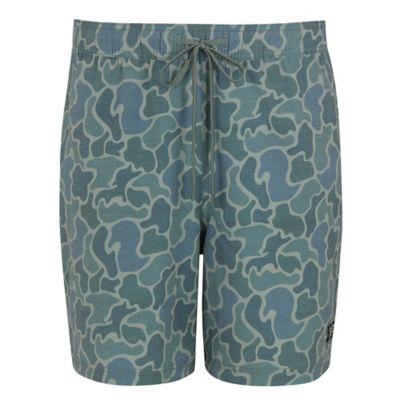
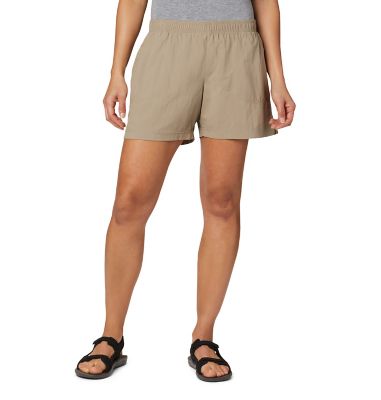
Men's 7-inch gym shorts have a 7-inch inseam, measured along the inside of the leg from the crotch seam to the hem. That length often sits above the knee, though the exact position depends on height, leg length, rise, and how the waistband sits. It gives many men a middle ground between shorter training shorts and longer basketball styles, with coverage through the upper thigh and room to get moving. For squats, lunges, step-ups, and stretches, the important details are how the legs open and how the seat fits, not just the number on the label. A straight or gently tapered leg can stay clear of the knee during a deep bend, while small side vents give the hem more room to spread. Athletic cuts tend to sit closer through the hips and thighs; relaxed cuts leave more space without needing to size up at the waist. Men with bigger thighs may appreciate a roomier leg opening, especially when sitting on a bench or working through a full squat. A waistband that lies flat and a comfortable rise can matter just as much as inseam length during a long session. An elastic waist allows some give, and an adjustable drawcord helps keep the shorts in place through a jog, a set of burpees, or a few trips up the bleachers. A snug waist should not mean a tight seat or fabric pulling across the front. Seven-inch workout shorts suit weight training, walking, circuit workouts, recreational sports, and downtime after the gym. They also make sense for a quick session in the garage before chores, when extra fabric hanging around the knees can get in the way. The same inseam can feel different from one cut to another, so waist, hip, and thigh measurements help explain fit more clearly than length alone.
Fabric makes a noticeable difference in how men's 7-inch athletic shorts feel once a workout gets going. Polyester is common in training clothing because it can be lightweight and quick to dry, while nylon often brings a smooth feel and resistance to abrasion. Blends containing spandex or elastane add stretch for bending, reaching, and changing direction. Four-way stretch fabric moves both lengthwise and crosswise, which can be helpful when a workout moves from a rowing machine to walking lunges and then to floor exercises. Mesh panels or an open-knit construction allow airflow, while tightly woven fabrics generally have a smoother surface and a less open appearance. Moisture-wicking fabric is designed to move sweat away from the skin toward the fabric's outer surface; drying speed still depends on the material, fabric weight, and workout conditions. Cotton-rich shorts offer a familiar, soft feel for easy movement and casual wear, although they generally hold moisture longer than lightweight synthetic training fabrics. Fabric weight matters, too: a lighter pair may feel less noticeable during repeated strides, while a more substantial knit can feel comfortable for lifting and lounging. Reinforced pocket openings, neatly finished seams, and secure stitching at stress points contribute to how well shorts hold up to regular wear. Pocket placement deserves attention because a phone resting against the front of the thigh can interfere with a deep lunge, and loose keys can bounce with every step. Zippered pockets help contain small essentials, while open side pockets make it easier to reach them between sets. A separate pocket fitted closely to a phone can limit movement, though pocket dimensions vary. Dark, straightforward colors pair easily with a faded training tee or a plain performance shirt. The simple look of
Men's Black Running Shorts also fits a wardrobe that needs to move between steady miles, gym sessions, and everyday errands without much fuss.
Liner construction is another difference among men's 7-inch gym shorts. Linerless shorts leave the choice of underwear or a separate base layer up to the wearer, which suits men who already have a setup they like. A built-in brief liner offers lightweight coverage, while a boxer-style liner extends farther down the thigh. Two-in-one shorts combine an outer shell with an inner layer that may fit closely against the legs. That close fit can help reduce skin-on-skin rubbing, but a snug liner is not automatically the same as a compression garment. Comfort depends on the liner's stretch, seam placement, and fit through the seat and thighs. Flat seams and smooth fabric can be welcome during repetitive movements, especially on a rowing machine or exercise bike. For lifting, an outer layer that does not bunch beneath the hips makes bench work more comfortable; for jogging, a stable waistband and a liner that stays put can mean fewer interruptions. Care habits also affect how training shorts hold their shape and feel. The garment's care label takes priority, particularly when stretch fibers, mesh, or bonded details are involved. Many synthetic workout fabrics call for a gentle wash and low heat or air drying, since high heat can affect elastic components. Fabric softener may interfere with moisture management on some performance fabrics, so label directions matter there as well. Empty pockets, fastened zippers, and prompt washing after sweaty sessions help prevent avoidable snags and lingering odors. Keeping rough hook-and-loop closures away from lightweight fabric can also reduce pulls. For men who train regularly, having a consistent inseam makes it easier to settle into a comfortable routine. Seven-inch gym shorts can also be a useful gift for a dad, brother, or workout partner when his waist size, preferred fit, and liner preference are known. The most practical pair is one that feels right through the whole routine, from tying shoes to the last stretch.