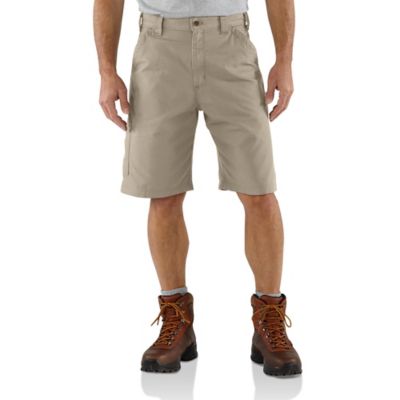
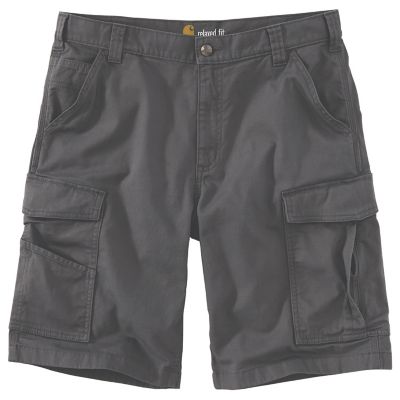
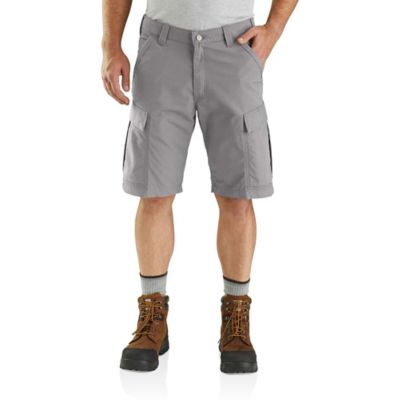
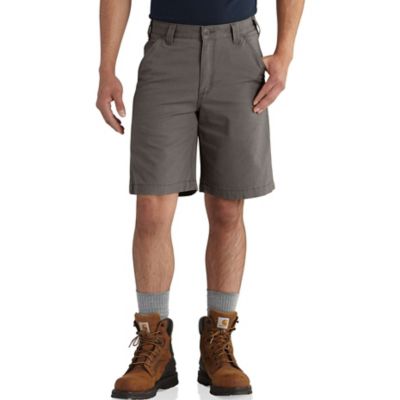
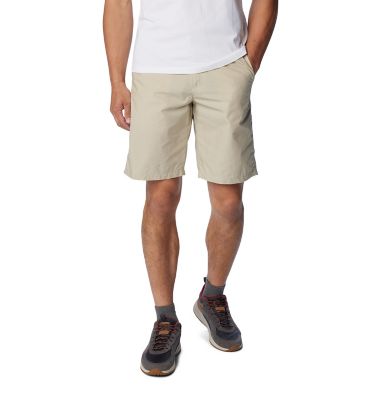
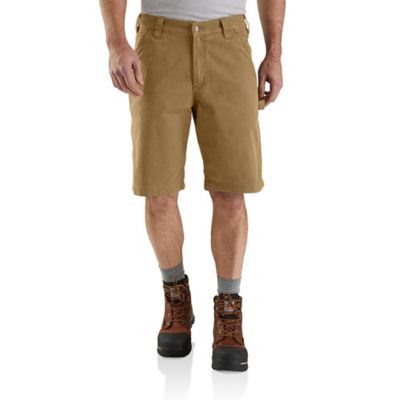
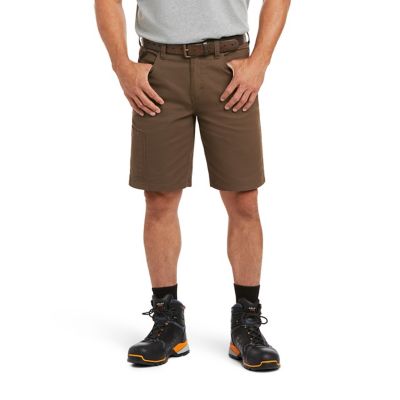
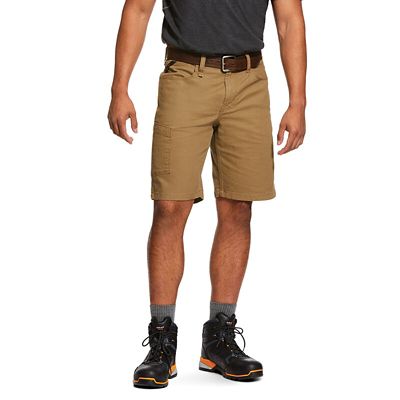
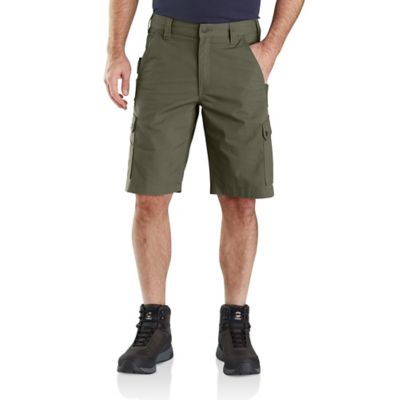
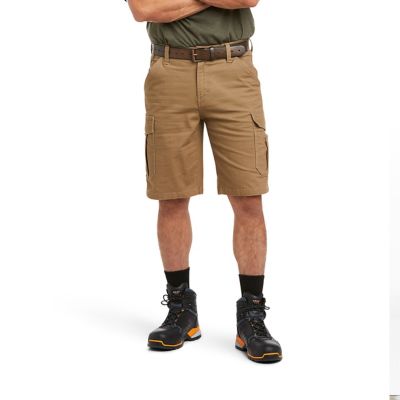
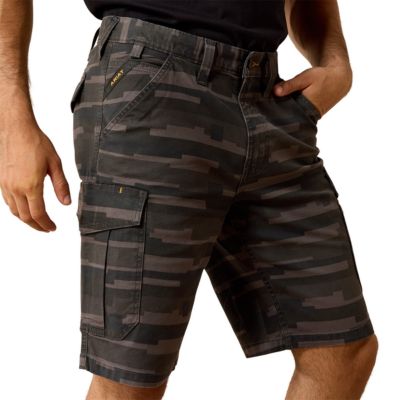
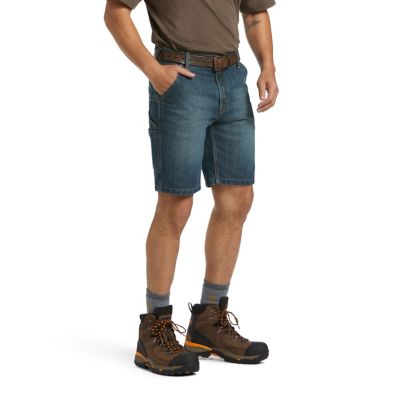
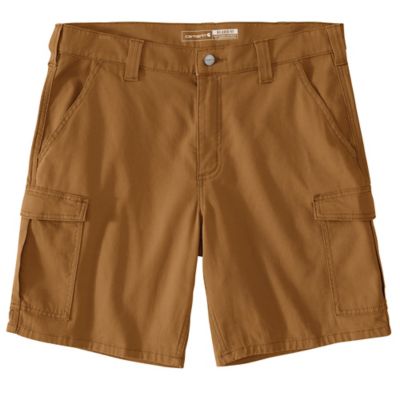
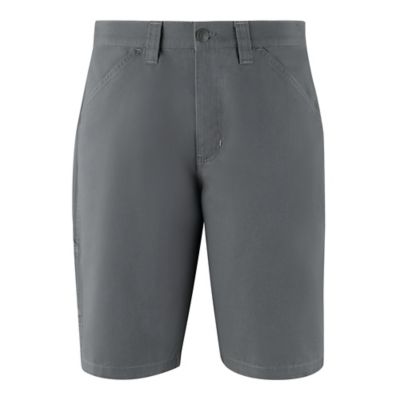
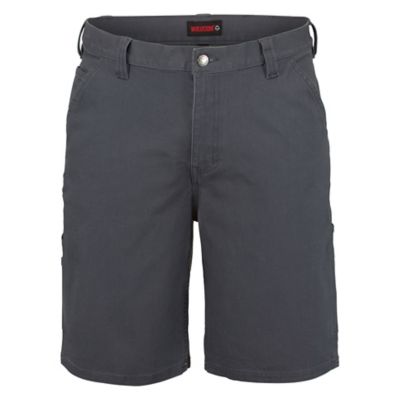
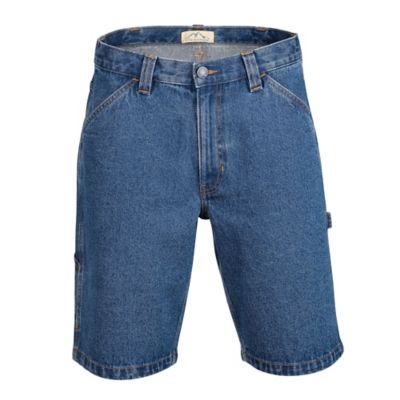
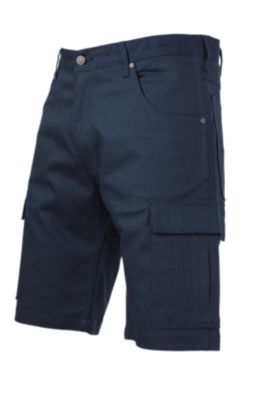
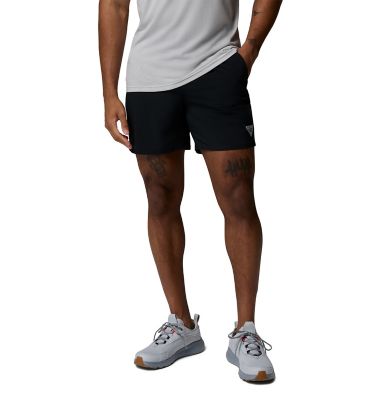
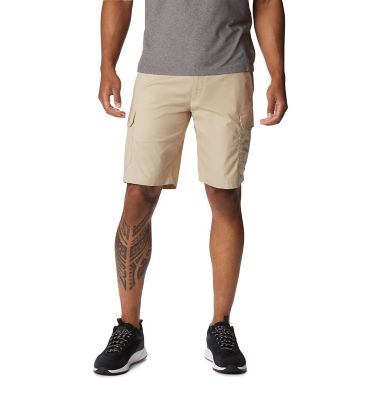
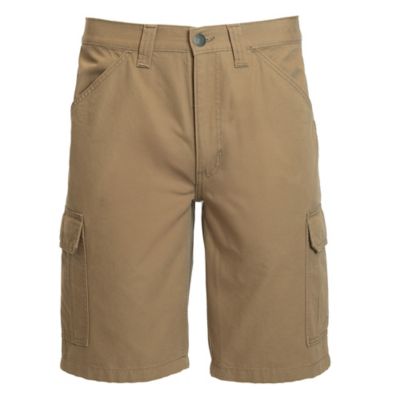
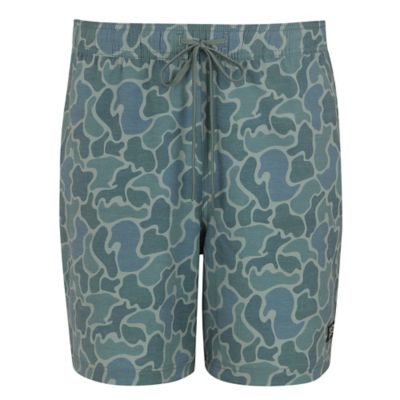
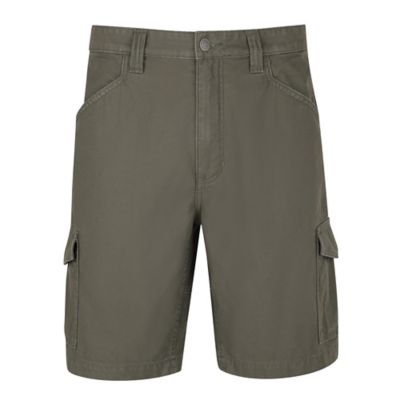
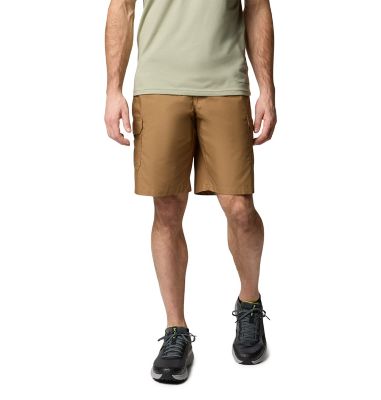
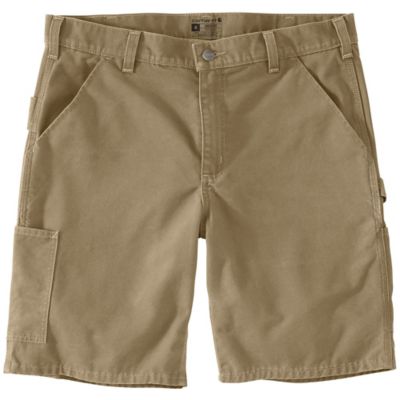
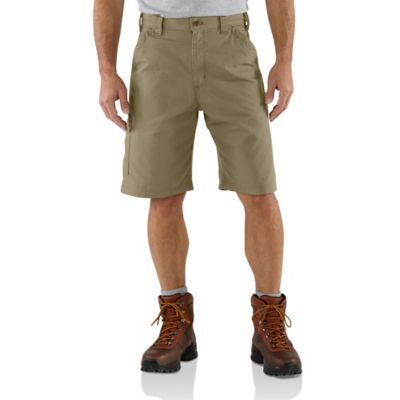
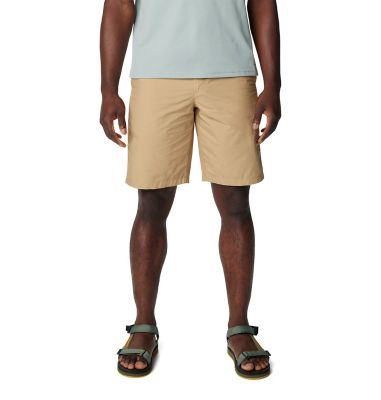
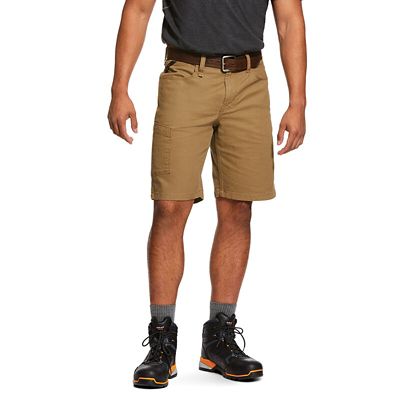
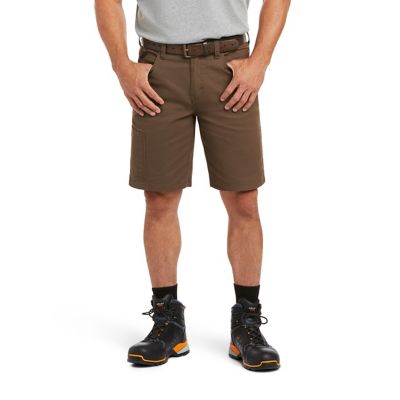
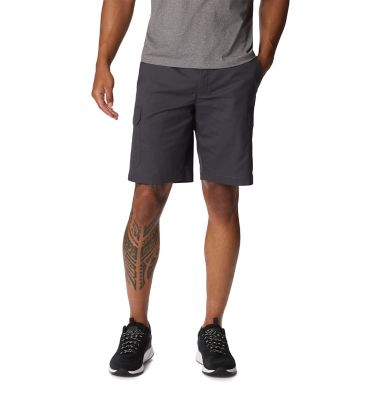
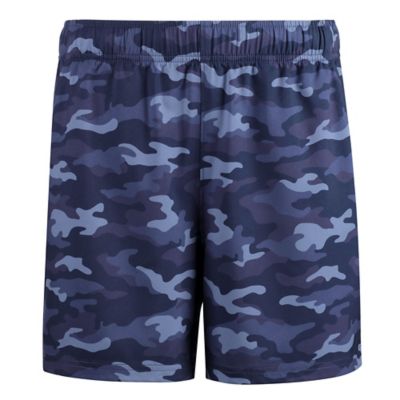
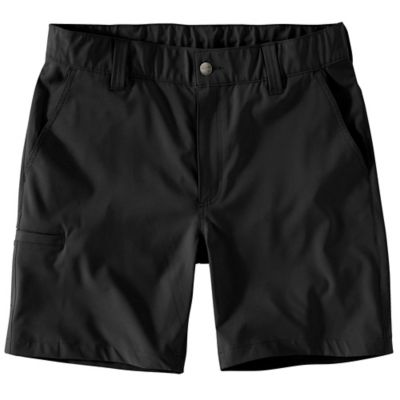
Men’s 10-inch inseam shorts offer a longer cut that generally falls just above or near the knee, depending on height, leg length, and how the waistband sits. The inseam measures 10 inches from the crotch seam down the inside of the leg to the hem; it does not describe the shorts’ total length from the waist. That distinction matters because two pairs with the same inseam can sit a little differently when their rises and cuts differ. For men who prefer more thigh coverage without moving into pants, this length strikes a comfortable middle ground for everyday wear. Taller men may appreciate the extra length, while men with shorter legs may find the hem reaches the knee or slightly below it. Neither result tells the whole fit story: room through the seat, thighs, and leg openings makes just as much difference when sitting on the porch, climbing into a pickup, or bending to fill a watering can. A straight cut gives the shorts a familiar shape without much narrowing through the leg, while a relaxed cut generally leaves more space where movement counts. A slimmer cut sits closer to the body and can look neat with a polo or button-front shirt, provided the fabric does not pull across the thighs. Men’s knee-length shorts fit naturally into days that move between light chores, errands, and time with family. Their longer profile pairs easily with T-shirts, flannels worn open over a tee, and casual pullovers when mornings turn cool but afternoons stay mild. Sneakers and slip-on shoes keep the outfit easygoing, while the choice of footwear for outdoor tasks should match the footing and the job. Shorts make sense for mild conditions and activities that allow exposed legs, rather than brush clearing, welding, or other work that calls for protective clothing. The appeal is straightforward: comfortable coverage, familiar proportions, and enough freedom to get on with the day.
Fabric and construction give men’s 10-inch inseam shorts much of their character. Cotton twill has a woven texture and enough structure to hold a clean outline, making it a natural match for casual outings and everyday tasks. Denim offers a more substantial feel, with weight and stiffness varying from one fabric to another. Canvas can feel sturdy and firm, which may appeal to men who prefer shorts that do not drape loosely around the legs. Those heavier fabrics can also feel warmer and take longer to dry than lightweight alternatives, especially after a spill or an unexpected shower. Cotton blends with a little stretch can make bending, stepping up, and sitting more comfortable without requiring a loose fit everywhere. Nylon and polyester blends often bring a lighter feel, and fabrics specifically made to dry quickly can be helpful for walks, travel, and active afternoons. Moisture-wicking performance depends on the fabric and its stated features, so fiber content alone does not tell the full story. Knit and fleece shorts lean toward relaxed comfort for stretching, indoor exercise, or settling in after a day outside. Pocket layout makes another practical difference. Flat-front shorts with simple side and back pockets keep the shape uncluttered, while cargo shorts add storage along the thighs. A phone carried in a low cargo pocket can swing against the leg during a long walk, so pocket placement matters as much as pocket count. Closures can help keep small belongings from slipping out, though overfilled pockets still add weight and pull on the waistband. Belt loops offer flexibility with tucked-in shirts, and an elastic waist or drawcord can allow an easier fit for downtime and movement. Well-finished seams, secure pocket attachments, and reinforcement at high-stress areas contribute to how well shorts hold up through repeated wear. For a man who spends plenty of time crouching in the garden or carrying groceries up the steps, those small construction details can matter more than an extra pocket that rarely carries anything.
A good fit in 10-inch inseam shorts leaves enough room to sit without the waistband digging in and to take a full stride without the hem catching around the knees. Waist measurements are a useful starting point, but the rise and thigh measurements help explain why the same labeled size can feel different across cuts. Men with fuller thighs may prefer a relaxed shape or stretch fabric rather than a larger waist that needs constant tightening with a belt. For walking and casual recreation, lighter material and easy movement often take priority; for a family cookout or a trip into town, a smooth woven fabric and straightforward pocket design may suit the occasion better. Neutral shades such as navy, tan, gray, and olive pair readily with workday tees and weekend shirts, while darker colors may show dust and lint more readily than expected. Care needs also deserve a place in the decision. The garment’s care label should take priority, since cotton, stretch blends, and performance fabrics do not always respond the same way to washing and drying. Prompt attention to dirt and spills can keep marks from settling into the fabric, and emptying pockets before washing helps prevent a forgotten tissue or pen from making a mess. Excessive dryer heat can affect fit or elastic fibers, so the recommended heat setting matters for keeping the original feel and shape. Letting shorts dry fully before putting them away is especially helpful after damp outdoor wear. As the weather turns cooler, knee-length shorts can still earn their place during indoor workouts, around the house, or on mild afternoons, with long pants taking over when conditions call for more coverage. They can also make a practical gift for a husband, dad, brother, or friend whose preferred waist size, fabric, and fit are already known. For another activewear option in the family,
women’s 5-inch inseam running shorts offer a shorter inseam for running and exercise. For men who favor a longer silhouette, a 10-inch inseam keeps the focus on easy movement and everyday comfort.