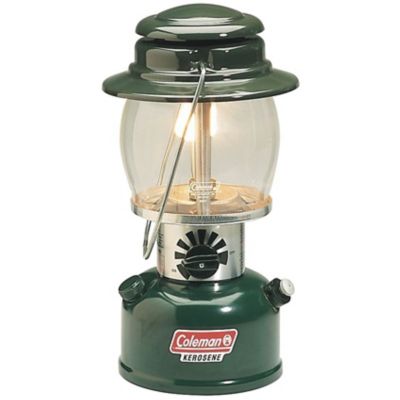
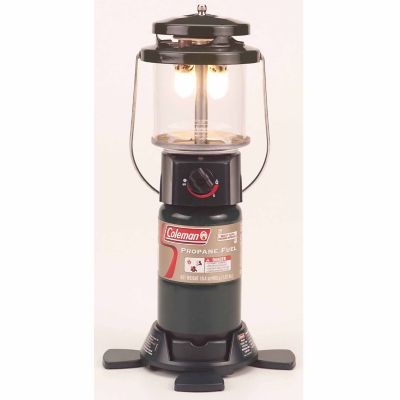
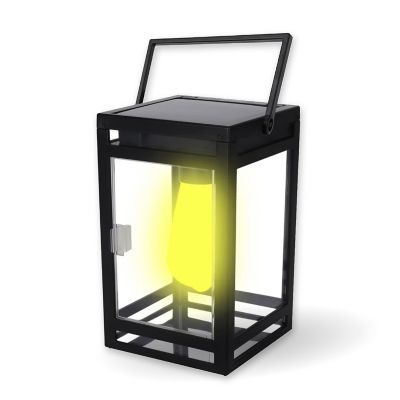
Mantle lanterns bring a bright, steady glow to camp tables, porches, barns, hunting cabins, and work areas when the sun drops early and the air turns cool. In a fueled lantern, the mantle is the small mesh pouch fitted around the burner tube. Before it is lit for the first time, the fabric is burned away, leaving behind a delicate ceramic ash framework made from metal oxides. Once the lantern is running, the flame heats that framework until it glows with a strong white light. The mantle does not burn like a wick; instead, it helps turn the burner’s heat into a broad, useful beam that reaches across a picnic table or lights the path from the shed to the house. This is why the right replacement mantle matters when a lantern starts producing a weak, uneven glow or when its existing mantle has been damaged. Mantles are commonly available in tie-on and slip-on styles. A tie-on mantle is secured around the burner tube with a small knot, while a clip-on or Insta-Clip style slides or snaps into place. The fit depends on the lantern’s burner assembly, so check the owner’s manual, model information, and the shape of the original mantle before placing an order. If the lantern runs on propane, liquid fuel, or another fuel source, confirm that the replacement part is made for that type of lantern. A close match in size and attachment style helps the mantle sit evenly around the burner and lets the flame heat it as intended. Keeping an extra mantle on hand can also be useful for a camp box, hunting gear tote, farm truck, or emergency supply shelf, since the ceramic structure becomes very fragile after the first burn.
Installing a new mantle takes a light touch and a little patience. Begin with the lantern completely cool, turned off, and set in a clear, well-ventilated spot away from dry grass, fuel containers, livestock bedding, and other items that can catch fire. Remove the globe if the lantern design calls for it, then take off the damaged mantle and inspect the burner tube for soot, rust, or anything that might keep the new mantle from sitting straight. With a tie-on style, position the narrow opening around the burner tube and secure the string without pulling so tightly that the fabric bunches. For a slip-on style, guide the opening over the tube and make certain the clip or elastic section rests in its intended groove. During the first burn-in, let a match or lighter flame move around the fabric until the entire mantle has burned away and the remaining structure turns white. Follow the lantern maker’s directions for lighting and keep your hands, sleeves, and face clear of the flame. The first burn may look uneven as the fabric shrinks and the ceramic frame forms; that is normal, but the lantern should remain attended throughout the process. After the mantle has cooled, reinstall the globe and check that it is seated properly before regular operation. Never touch a mantle once it has been burned in, even if it appears firm. A bump from a glove, a brush against a coat sleeve, or a jolt in the back of a truck can break the fine structure. A mantle with a hole, tear, or collapsed section should be replaced before the lantern is lit again. A damaged mantle can create a concentrated hot spot, which may crack the glass globe and create a more serious safety concern. Store spare mantles in their original packaging or another firm container where they will not be crushed beneath tools, feed supplies, or camping gear. The small parts are easy to overlook, yet keeping them protected can make the difference between a lantern ready for the evening and one that needs attention when the wind is already picking up.
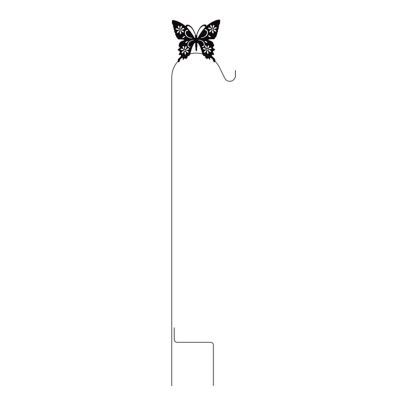
The right mantle lantern supplies fit a wide range of routines. Campers may keep them with a stove, cooler, and folding chairs for late meals outdoors, while hunters and anglers may appreciate a bright light for sorting gear, checking a blind, or finding the way back to camp. Around a farm or rural property, a fueled lantern can help during a power outage, shed cleanup, fence work, or a walk between buildings after dark, provided it is operated in a suitable open or well-ventilated area and kept away from flammable materials. A mantle and related lantern accessories can also make a practical gift for someone who spends weekends at a cabin, maintains a hunting camp, travels by trailer, or enjoys gathering family around a fire ring during the cooler months. For hanging a lantern where a table is not available, consider
Shepherd Hooks for Lanterns as a way to raise the light above a walkway, seating area, or outdoor work space; always place the lantern where it cannot be bumped and follow the lantern’s clearance instructions. When comparing mantle options, look at attachment style, lantern fuel type, package count, mantle dimensions, and care instructions rather than choosing by appearance alone. It helps to keep the lantern model information nearby, especially when several lanterns in the garage look similar but take different replacement parts. Inspect the globe, burner, fuel connections, and vent openings along with the mantle, and clean away soot only after the lantern has cooled completely. Keep children and animals away from a lit lantern, never leave a burning lantern unattended, and allow every part to cool before packing it away. With the proper fit and careful handling, a mantle lantern can provide a clear, welcoming light for evening chores, camp cooking, storm preparation, and quiet time outside when daylight fades early.