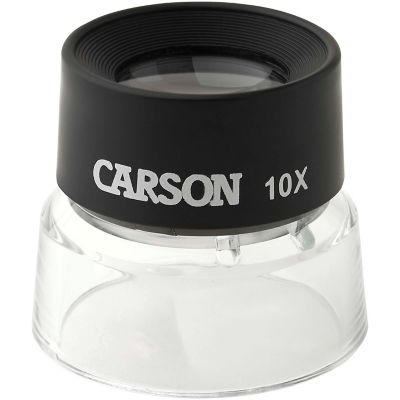
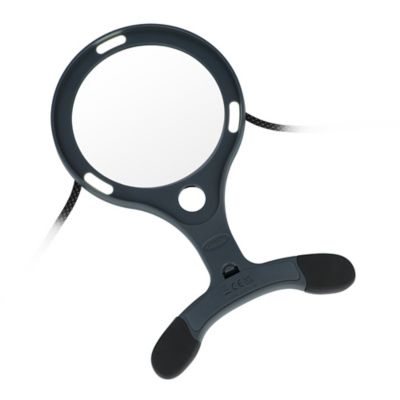
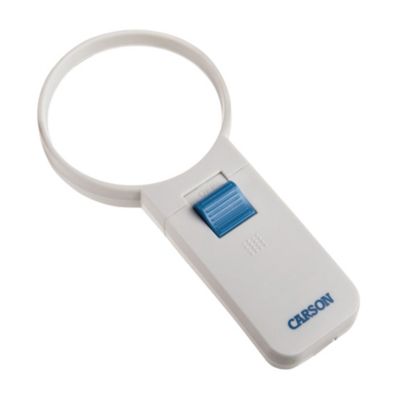
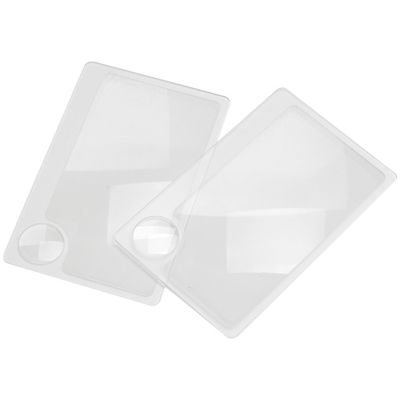
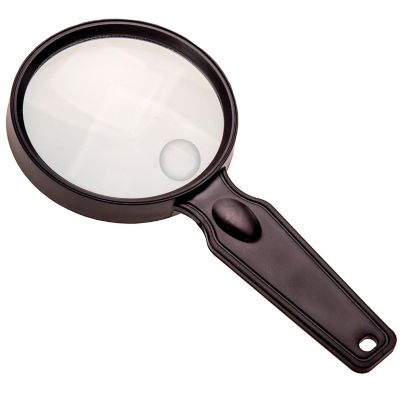
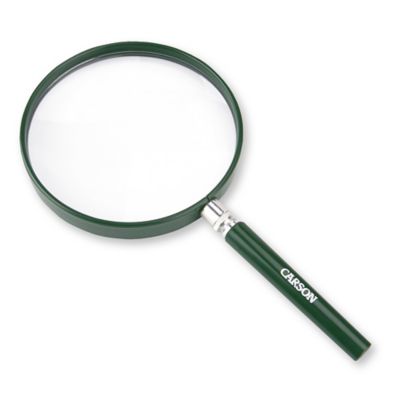
Magnifiers for rock collecting bring small details into view, from the glassy faces of quartz crystals to the fine grains in a creek-bed pebble. A closer look can reveal crystal shapes, tiny pits, cleavage surfaces, and fossil textures that are hard to make out with the naked eye. For many rockhounds, a 10x triplet hand lens is a practical all-around choice for examining minerals and rocks in the field. That power offers a workable balance of detail, viewing area, and ease of handling. Triplet loupes combine three lens elements to reduce optical distortion and color fringing, helping mineral edges and grain boundaries look clearer. A 10x to 15x triplet loupe suits close inspection, while the best magnification for any collection depends on the size of the features being examined. Lower powers, around 5x to 7x, offer a broader view for scanning a broken rock face or comparing grains across a specimen. Powers of 15x to 20x can reveal smaller crystals and finer surface details, but generally bring a narrower viewing area, shallower depth of field, and shorter working distance. Higher magnification alone does not guarantee a better view; clear optics, steady handling, and good light matter just as much. Doublet loupes contain two lens elements and can reduce some distortion, though their correction depends on the optical design. Simple handheld magnifying glasses offer another format for looking over larger surfaces without bringing the specimen quite so close to the eye. Lens diameter also matters: a larger opening can make a specimen easier to locate, although diameter and magnification describe different features. A loupe can support mineral identification by showing crystal habit, grain size, and visible inclusions, but appearance alone cannot confirm every mineral. Hardness, streak, and other appropriate observations may still be needed. Whether the collection holds roadside finds, fossil fragments, or carefully labeled mineral specimens, a magnifier adds detail without requiring a full microscope setup.
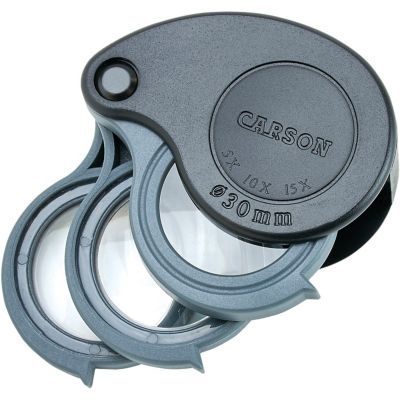
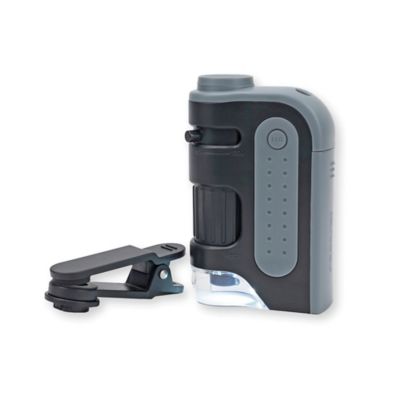
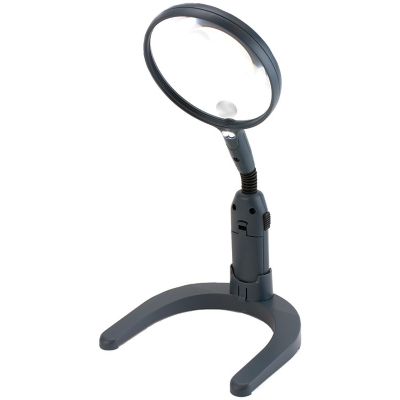
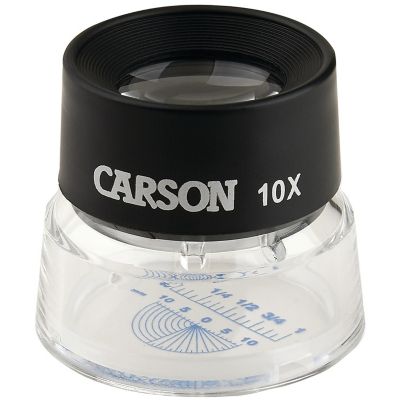
The way a magnifier fits the hand and travels with the collection matters nearly as much as its power. Folding pocket loupes tuck the lens inside a protective housing, making them handy for a shirt pocket, field bag, or collecting pouch. Metal housings can offer protection against knocks, while molded polymer housings keep weight down; hinge construction and how securely the lens closes deserve a look with either material. Glass lenses generally resist scratching better than basic acrylic lenses, while acrylic can offer lighter weight and greater resistance to shattering. Neither material is immune to damage from grit, drops, or rough handling. For someone examining gravel beside a pasture gate or checking a promising specimen along a walking trail, a compact loupe with a comfortable grip can be easier to manage than a larger magnifying glass. A lanyard attachment provides another carrying option, especially when both hands are busy with specimen containers or a notebook. Working distance is worth considering, too. Many higher-power loupes focus only when the specimen is very close to the lens, leaving less room between the housing and jagged crystal points. Eyeglass wearers may prefer a design that lets them see a useful portion of the image without pressing the lens against their frames. At a sorting table, a stand magnifier or focusing loupe can hold the viewing position steadier for comparing tiny crystals, examining fossil ridges, or looking over a tray of small finds. Clear bases admit surrounding light, while adjustable focus helps accommodate specimens of different heights. Built-in LED lighting can brighten recesses and grain boundaries, but its placement matters: strong glare can hide details on polished stones or reflective mineral faces. Light directed from the side often makes surface texture easier to see. Battery type, switch access, and the ease of replacing batteries are practical considerations for illuminated designs. A stable base and enough clearance for the specimen help make bench examination less fussy, especially when several rocks need a closer look.
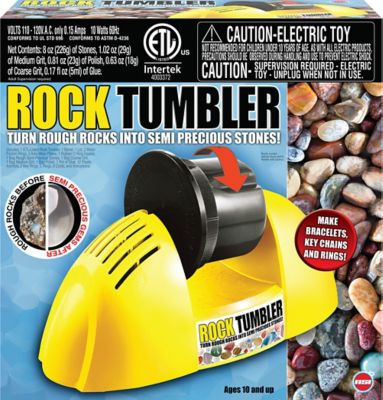
A rock collecting magnifier benefits from simple care that keeps abrasive dust away from the viewing surface. Grit can scratch a lens when rubbed across it, so loose particles should come off with a suitable blower or soft lens brush before wiping. A clean lens cloth and a cleaner approved for the lens material and coatings help protect the view; a dusty shirt tail can carry enough fine sand to leave marks. Folding housings, lens caps, and padded pouches help keep optics separated from loose rocks during transport. Hinges and focusing threads also work better when grit stays out of them. Specimen care matters alongside lens care, since some minerals soften, dissolve, flake, or react to cleaning chemicals. A magnifier can help reveal delicate crystal growth or a fragile fossil surface before a rock goes through any cleaning or finishing process. For collectors interested in smoothing suitable stones,
Rock Tumblers for Beginners offers a related direction to explore. Close inspection helps reveal existing cracks, crumbly areas, and mixed textures, though a lens alone cannot determine whether a stone will tumble well. Magnifiers also make thoughtful gifts for rockhounds, geology students, fossil enthusiasts, and youngsters building a first collection with an adult nearby. A comfortable, straightforward design can matter more to a beginner than the highest stated power, while someone sorting tiny mineral specimens may appreciate stronger optics and a steady tabletop setup. Small specimens and compact accessories need supervision around young children, and magnifiers should never be directed at the sun or left where they can concentrate sunlight onto flammable material. Clear labels and separate specimen compartments pair well with close examination, keeping a favorite find connected to its location and notes. From checking sparkling grains in a rough stone to revisiting the details of a familiar shelf specimen, the right magnifier makes the small features of a rock collection easier to see and enjoy.