Microscopes Under $100
Browse microscopes under $100 for at-home learning and a closer look at specimens. Compare the magnification, lighting and setup requirements listed for each model to help find one that fits your space and what you want to examine.

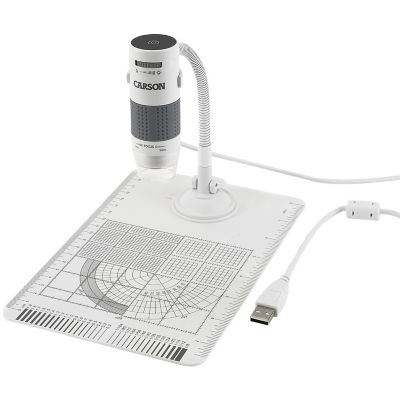
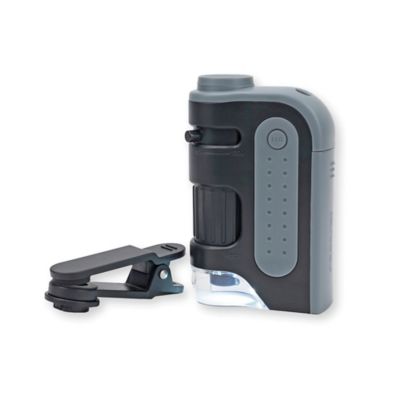
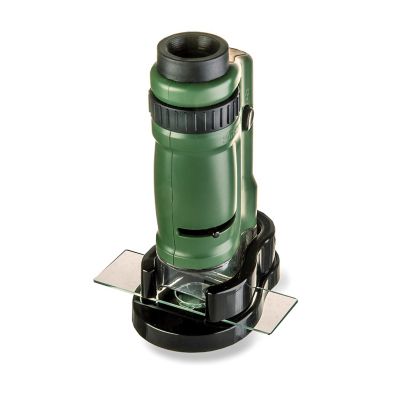
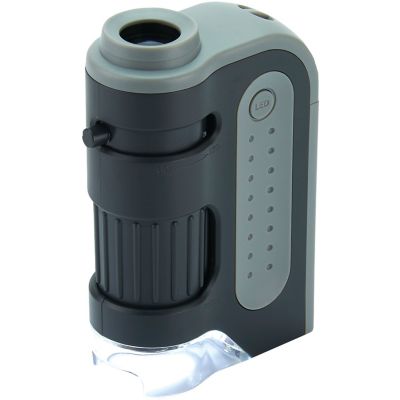
Best Of FAQ
What’s the difference between a compound microscope and a stereo microscope?
A compound microscope shines light through thin specimens on slides, such as plant tissue or a drop of pond water. A stereo microscope gives a three-dimensional view of surfaces, making it a good match for exploring seeds, rocks and leaves.
What’s the difference between prepared slides and blank slides?
Prepared slides have specimens already mounted and labeled, so you can get straight to exploring. Blank slides let you mount your own samples, such as onion skin or pond water. A cover slip helps hold many wet specimens in place.
What do monocular and binocular mean on a microscope?
Monocular means the microscope has one eyepiece, while binocular means it has two. These terms describe the viewing setup, not the magnification. A binocular compound microscope still shows the same image to both eyes, unlike a stereo microscope’s separate viewing paths.
What’s the difference between top and bottom lighting on a microscope?
Top lighting shines onto a specimen’s surface, such as a seed or a piece of bark. Bottom lighting shines through a specimen on a slide. The lighting setup depends on the microscope type, so check its specifications for the options it offers.
How should I clean and store a microscope?
Follow the microscope’s care instructions, and clean optical surfaces with lens paper and a lens cleaner approved for that instrument. Skip household cleaners and paper towels on lenses. When you’re done, remove the slide, cover the microscope and store it in a dry spot away from dust.
Best Sellers
-
-
"Great kit at a great price. For the money, best kit you could buy"
-
"We just love this little guy! Surprisingly it holds a lot. The most we've put on is 100 pounds"
-
"The best of the best heat lamps. Very easy to set up"
-
"Love these shoes. Great to use in all outdoor activities"