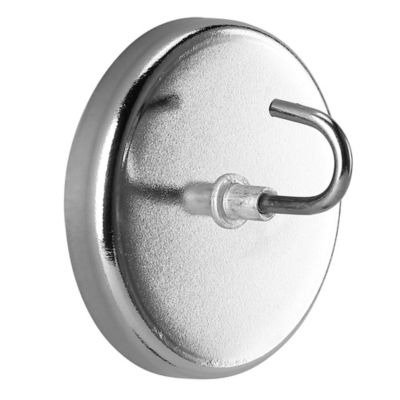
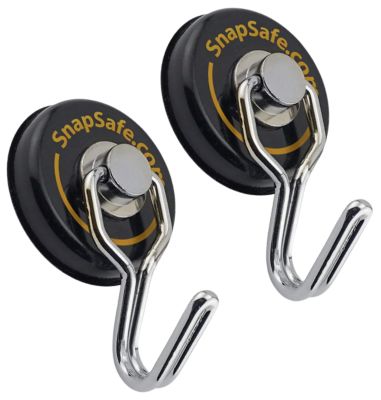
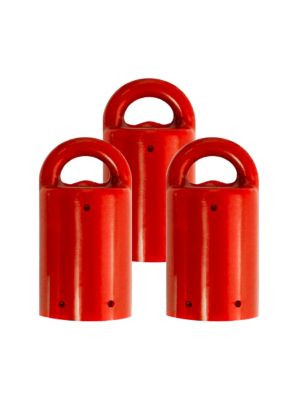
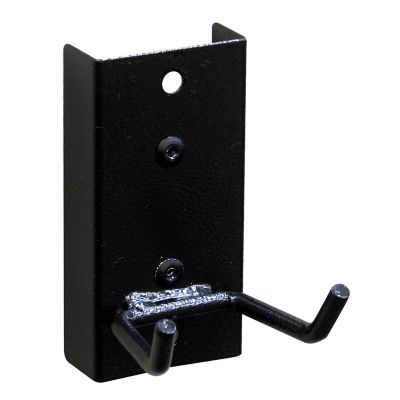
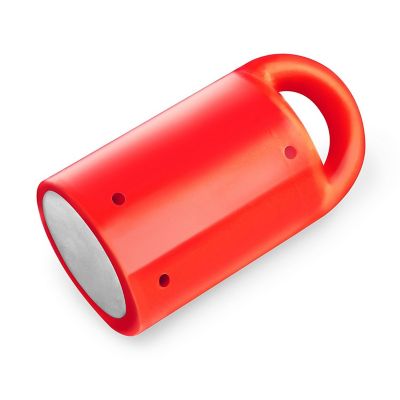
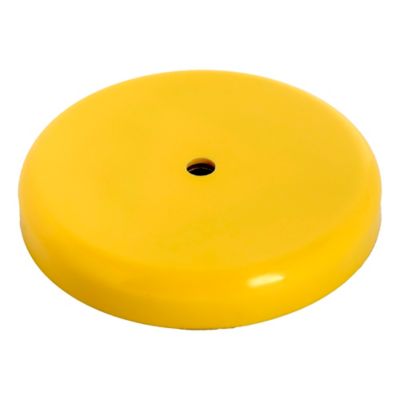
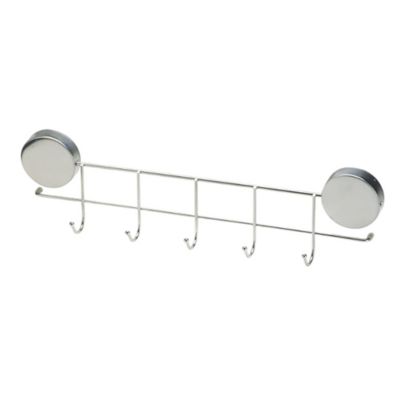
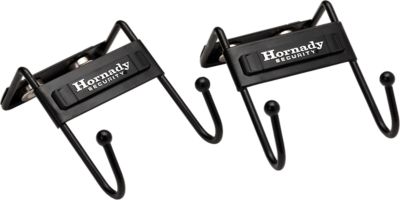
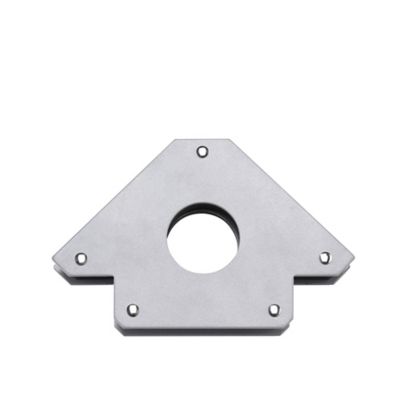
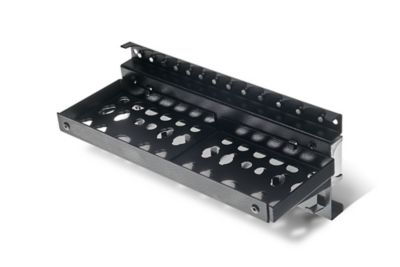
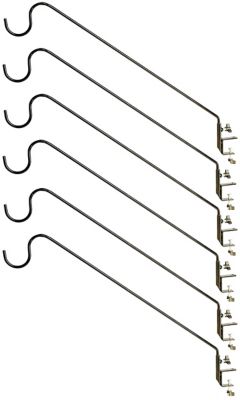
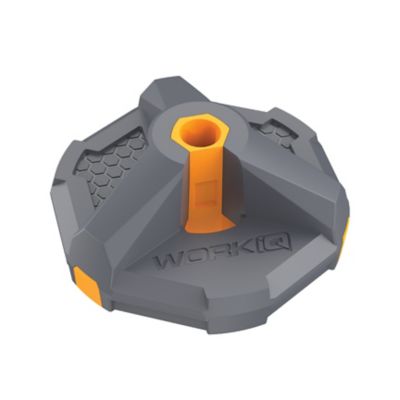
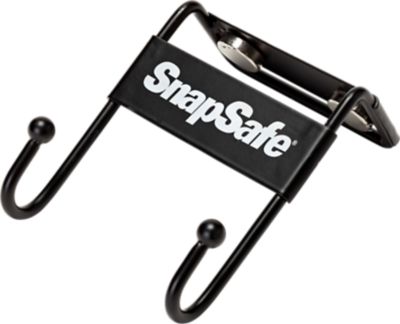
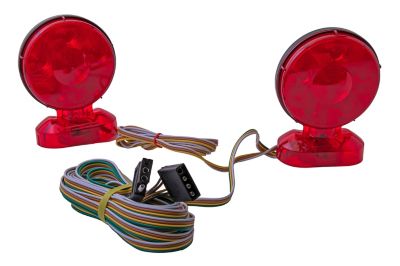
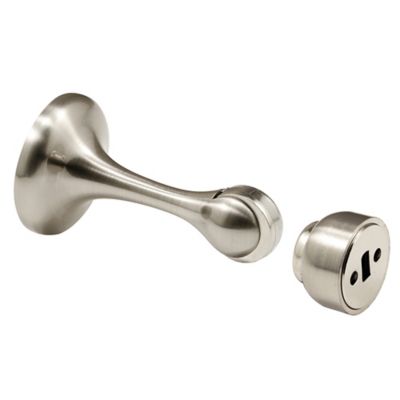
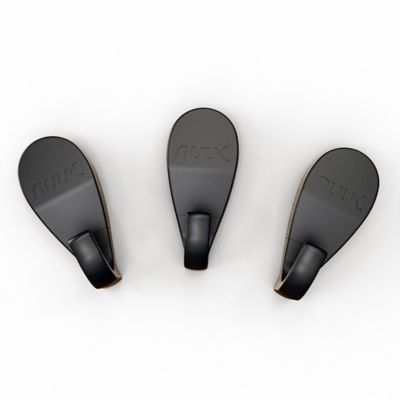
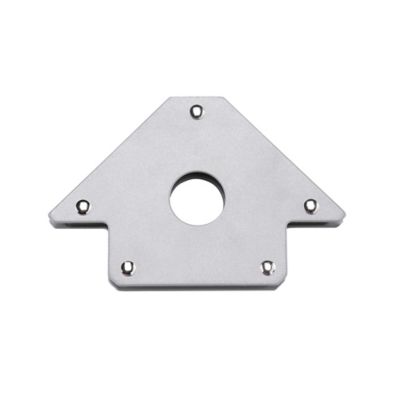
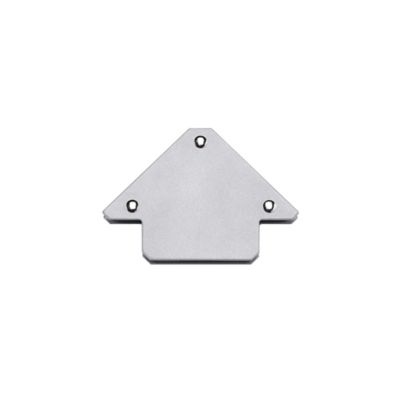
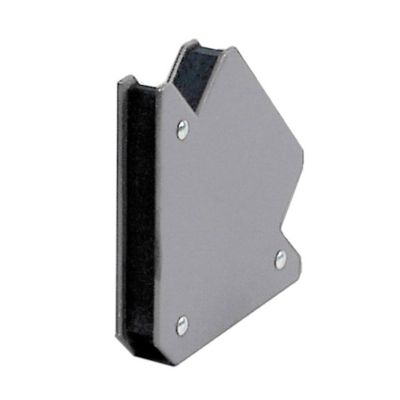
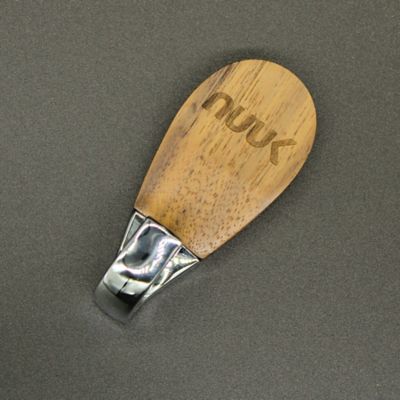
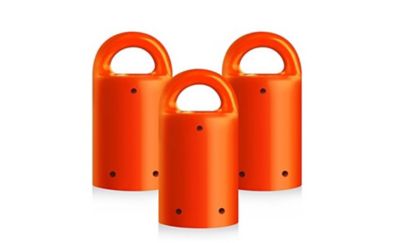
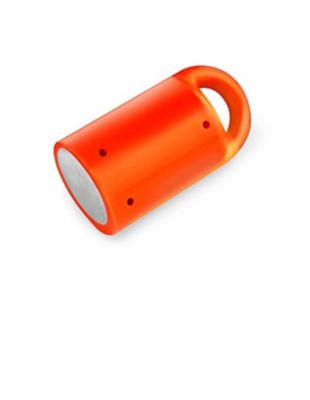
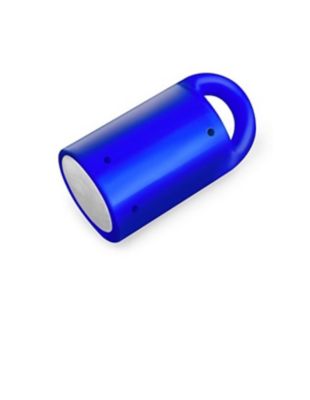
Heavy duty magnetic hooks give you a handy way to hang, sort, and keep things within reach without drilling holes or driving screws into a wall. They work especially well anywhere with a solid steel surface, such as a tool chest, metal cabinet, shop door, farm gate, steel shelving unit, trailer, or the side of a tractor or utility vehicle. A strong magnet sits behind or inside the hook and holds fast to the metal, while the hook provides a place for cords, work gloves, hats, keys, light tools, extension cables, tack, and other everyday gear. In a busy barn or workshop, that can make a real difference. Instead of leaving a lead rope in a dusty corner or tossing a pair of gloves on a workbench, you can hang each item where it is easy to spot and grab. Magnetic hooks are also useful when you need flexible storage. Move one to a different spot as your routine changes, then use the open space for something else. Since most attach without permanent hardware, they are a good fit for renters, temporary work areas, seasonal storage, and equipment that gets rearranged from one job to the next. They can also help make the most of narrow spaces, including the inside of a metal cabinet door, the wall of a stock trailer, or the side panel of a shed. When you are shopping, start with the item you plan to hang and choose a hook with a rated capacity that gives you some breathing room. A hook rated for a certain amount of pull force may not hold that same amount in every real-world setup. The magnet’s strength depends on the thickness and condition of the steel, the shape of the surface, and whether the magnet sits flat with full contact. A thick, clean, smooth steel plate generally provides a better hold than thin sheet metal, painted metal, a curved surface, or a panel with seams and ridges. The way the weight hangs matters, too. A load pulling straight down may be supported differently than one tugging outward or swinging as a door opens. For that reason, use the manufacturer’s stated capacity as a starting point, keep heavy or valuable items within a comfortable safety margin, and avoid placing anything overhead where a dropped item could cause injury.
The best heavy duty magnetic hook depends on the job as much as the weight rating. An open hook is convenient for items that need to come off quickly, such as a coiled air hose, a lead line, a shop apron, or a bundle of rope. A closed eye, loop, or more secure hook shape may be preferable when an item could bounce, sway, or get bumped while a trailer or vehicle is moving. Look at the hook opening and the diameter of the items you want to hang, since a narrow opening can be frustrating when you are working with thick cords or bulky handles. A swiveling design can help with changing angles, while a low-profile style may be better inside a cabinet or along a crowded tool wall. Some magnetic hooks include a protective coating, rubberized contact area, or covered magnet to help reduce scuffs on painted steel. Even with that added protection, clean both surfaces before attaching the hook. Grit, metal shavings, rust flakes, and old grease can keep the magnet from sitting flat and may scratch the finish when the hook is moved. Set the hook down rather than sliding it across a painted panel, and check the connection before hanging anything important. In a damp barn, wash bay, greenhouse, or unheated shed, pay attention to rust-resistant materials and keep an eye on moisture around the magnet and hardware. Magnetic hooks are not a substitute for permanent anchors on drywall, wood, concrete, aluminum, or other nonmagnetic surfaces, and they should not be used to support people, livestock, safety equipment, or loads that could create a hazard if they fall. For organized storage, group similar items together and leave enough room to lift each one off without knocking the neighboring hooks loose. One hook by the workbench can hold hearing protection, another near the entry can keep a hat handy, and a row along a steel shelf can turn a cluttered corner into a simple grab-and-go station. During the warmer part of the year, they can help keep garden tools, hoses, and outdoor work gear in order; during the cooler months, they are useful for coats, lanterns, extension cords, and winter chores.
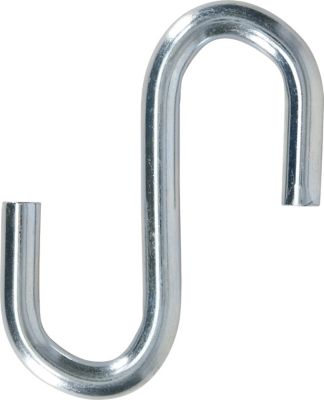
These hooks suit homeowners, farmers, ranchers, mechanics, maintenance crews, campers, crafters, and anyone who likes a tidy workspace without a complicated installation. They can be especially useful in a garage where every inch of wall space is already spoken for, or in a shop where tools need to stay visible while a project is underway. A magnetic hook can hold a shop towel beside a grinder, keep a tape measure near a cutting table, or provide a quick place for a battery charger cord when it is not in use. In a barn, use them on suitable steel surfaces for lightweight grooming supplies, twine, buckets, or work gloves, while keeping feed, medicines, and animal-care equipment stored according to their specific safety needs. They also travel well for camping, tailgating, trade work, and road trips when there is a clean metal surface available. A few compact hooks can help organize a temporary cooking area, hold a flashlight inside a trailer, or keep keys and small gear from disappearing into a duffel bag. They make a practical gift for someone setting up a first workshop, fixing up an old barn, outfitting a service truck, or trying to bring order to a crowded garage. For projects that call for a simple hook with no magnetic base, you can also browse
Heavy Duty S Hooks for another way to hang and arrange equipment. Before making a purchase, compare the listed holding strength, hook style, overall size, surface protection, and the type of steel where the hook will be used. Choose a capacity suited to the full load rather than just the item itself, including any tools, cords, containers, or hardware that may be added later. With the right match and a little care, heavy duty magnetic hooks can turn unused steel surfaces into dependable storage and help keep the things you use every day close at hand.