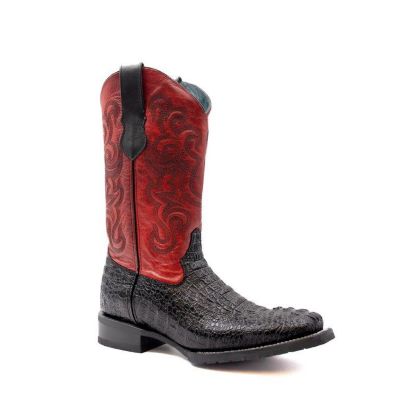
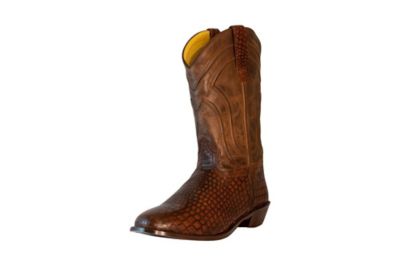
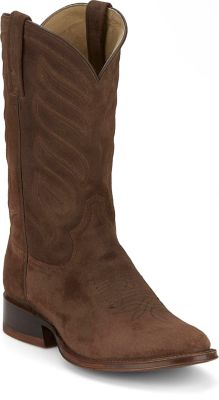
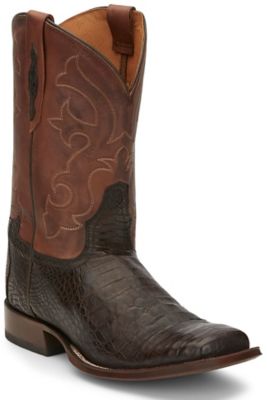
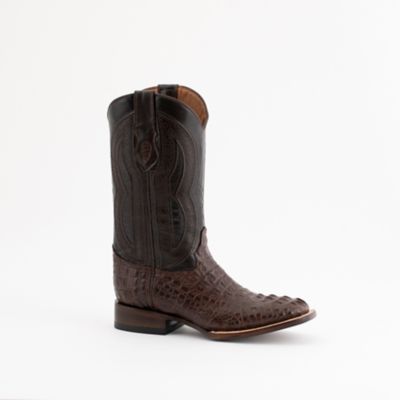
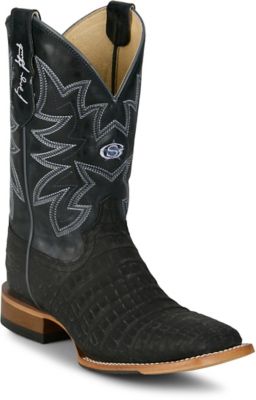
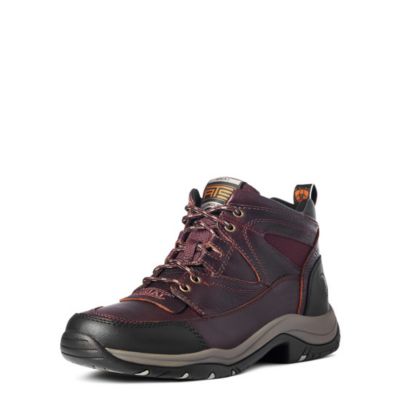
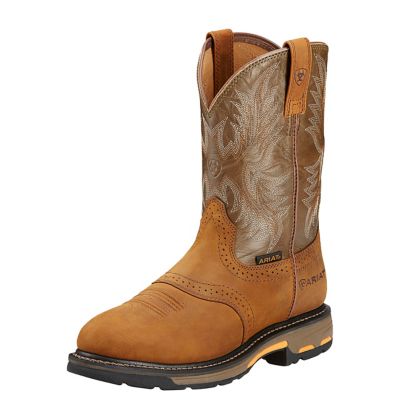
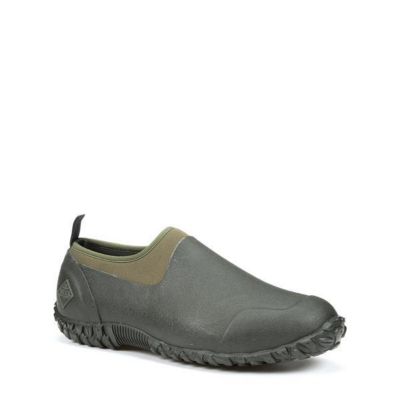
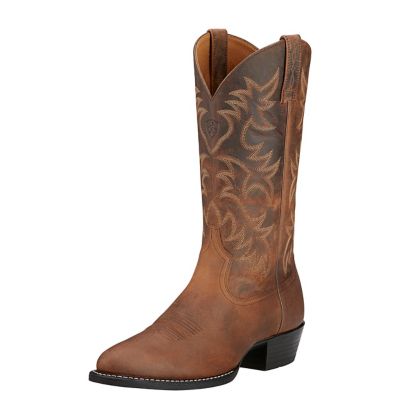
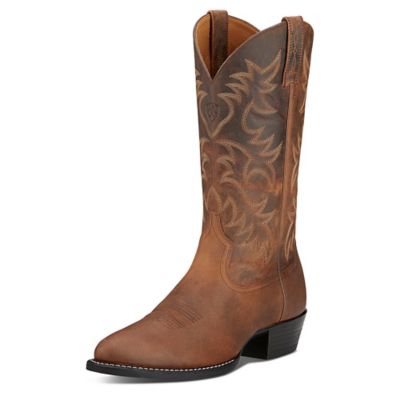
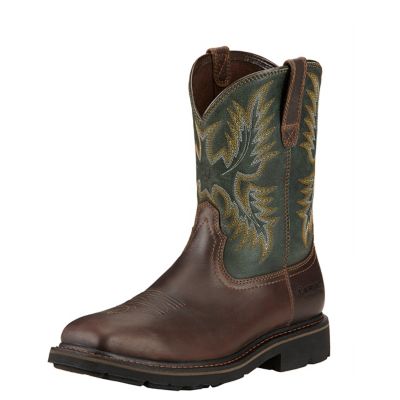
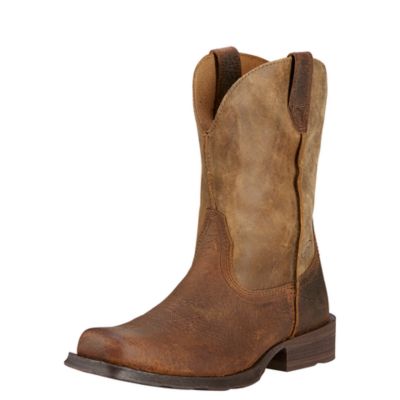
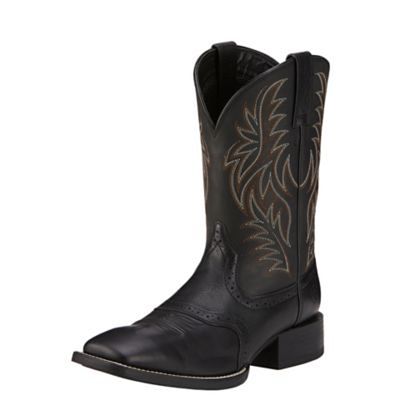
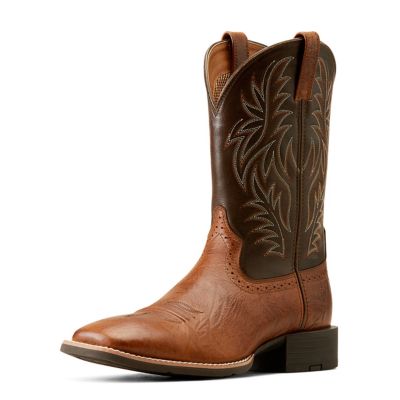
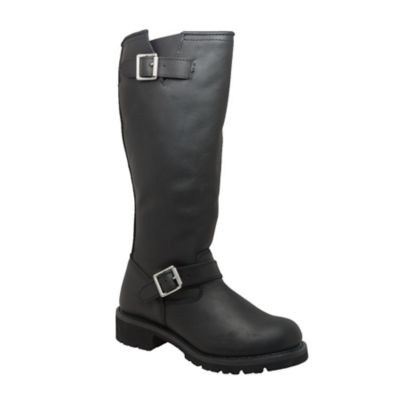
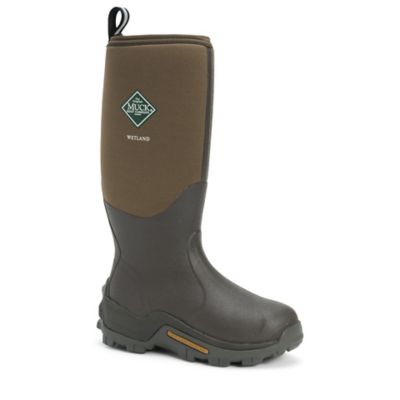
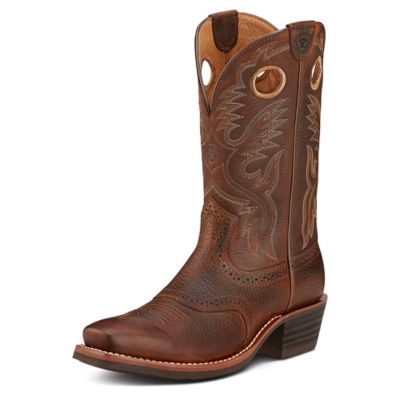
Luxury men's boots bring together fine leather, thoughtful construction, and a fit that feels as good as the boots look. Their appeal comes from details that hold up to a closer look: even stitching, neatly finished edges, balanced proportions, and leather with depth rather than a flat, painted-on appearance. Full-grain leather retains the hide's natural grain and can develop a rich patina through regular wear and proper care. Top-grain leather has a refined surface, while suede brings a soft, textured finish that pairs easily with denim or wool trousers. Calfskin often feels supple and has a finer grain; heavier cowhide can give a boot a more substantial feel. The leather's thickness, tanning, and finish all influence how it bends, feels, and takes on character. Inside, a smooth lining, well-finished seams, and a supportive footbed matter just as much as the outside appearance, especially when an evening includes plenty of standing. A well-shaped heel and a sole that flexes where the foot bends help round out the feel. Black leather keeps the look crisp with dark trousers, while brown, chestnut, and deep tan shades sit naturally alongside blue jeans, canvas jackets, and a tucked-in button-down. A little contrast stitching or a shaped western heel can add character without taking over the whole outfit. These are boots for the man who wants to look put together at a wedding, a business dinner, or a night in town without feeling dressed like somebody else. A clean silhouette can move comfortably between a country wedding venue and a downtown restaurant, with the same familiar jeans or dress pants doing the rest. Luxury in this category is less about a loud label and more about how the materials, construction, and proportions work together over years of wear.
Different boot shapes bring that same attention to detail to different wardrobes. For a streamlined pull-on style,
Chelsea Boots For Men have elastic side panels and a close ankle profile that works with straight or tapered pants. Lace-up boots offer more adjustment across the instep, which can help when one foot needs a little more room than the other. Zip boots offer easy entry with an uninterrupted front, while western boots bring a taller shaft, shaped toe, and riding-inspired lines. Shaft height matters when considering how a pant leg will fall; a narrow opening may catch on a taller boot instead of settling neatly over it. Toe shape changes the appearance, too, but a pointed or tapered outline should still leave the toes room to rest naturally. Construction also affects the experience underfoot and the possibilities for future repairs. Welted boots connect the upper and outsole through a strip called a welt, and many can be resoled when their construction and condition allow. Blake-stitched boots join the sole more directly to the upper, often creating a slimmer profile, though repair needs depend on the design. Leather outsoles offer a traditional dress appearance, while rubber outsoles can bring more cushioning or grip, depending on the compound and tread. Neither material alone tells the whole story about comfort or traction. Fit starts with a heel that stays reasonably secure, an instep that feels held rather than squeezed, and a flex point that lines up with the ball of the foot. Trying boots with the socks intended for regular wear gives a better sense of that fit. Leather can soften and settle, but break-in should not be expected to fix cramped toes, sharp pressure, or the wrong length. For chores or jobsite wear, a polished appearance is no substitute for required safety features; protective toes, electrical hazard ratings, and slip-resistance claims need to be confirmed in the boot's stated specifications.
The lasting appeal of men's luxury boots depends on everyday care as much as the first impression. Fine leather benefits from having dust and grit brushed away before they work into creases or seams. For smooth leather, a soft cloth and a cleaner suited to the finish help lift surface soil without stripping away more than necessary. Conditioner belongs in a light, even application according to the maker's directions, not a heavy coating that leaves the leather saturated. Cream polish can refresh color, while wax polish can build a brighter shine on suitable smooth finishes; neither belongs on suede unless the care instructions specifically allow it. Suede calls for its own brush and appropriate cleaning products to keep the nap from becoming flattened or stained. Any new care product is best tested on a hidden area first, particularly with lighter colors or burnished finishes. After a long day, giving boots time to air out helps the lining dry between wears. Cedar boot trees can help maintain the foot shape and absorb some interior moisture, provided they fit without stretching the leather. Storage away from direct heat and strong sunlight helps protect the finish, and a boot bag can keep hardware or soles from rubbing against clothing during travel. Worn heel edges, loose stitching, and thinning soles are worth addressing before damage spreads; a cobbler can assess what the construction will allow. These details also make boots a thoughtful gift for a husband, father, son, or partner who enjoys well-made footwear. An anniversary, birthday, or career milestone can be a fitting occasion, especially when the recipient's size, width, preferred toe shape, and everyday wardrobe are already known. A man who spends most days in denim may reach for a different silhouette than someone wearing tailored trousers. The right pair feels connected to his life, whether that means dressing for a family celebration, heading to an important meeting, or pulling on familiar boots for supper in town.