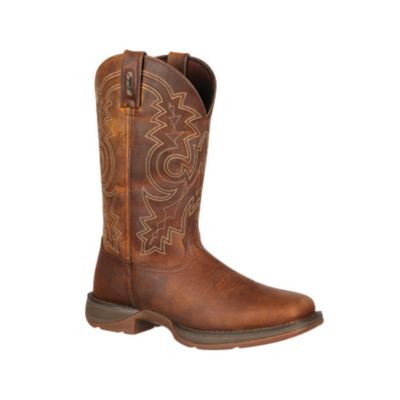
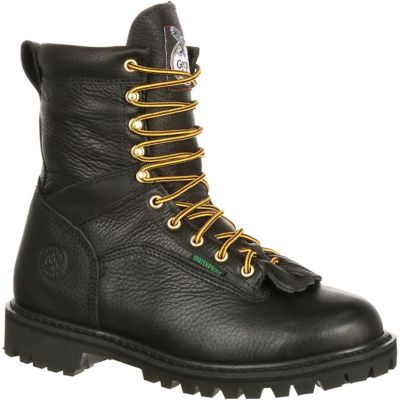
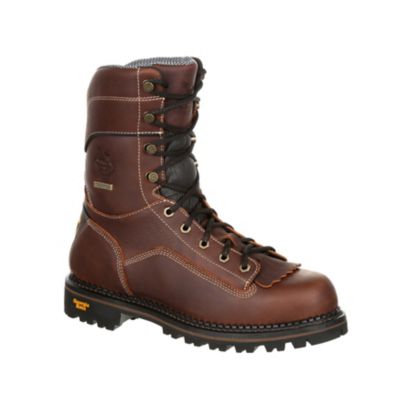
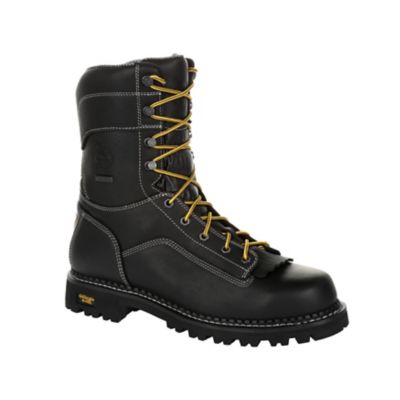
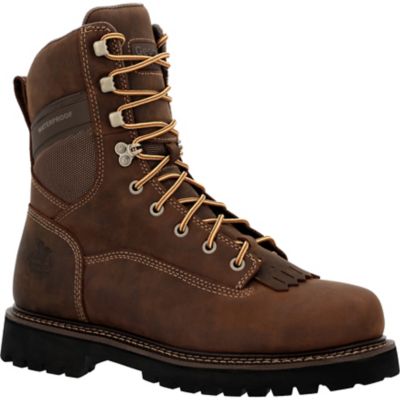
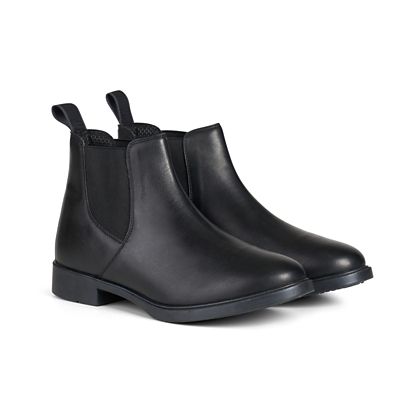
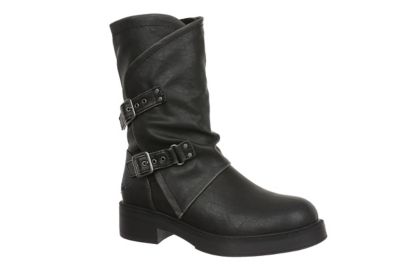
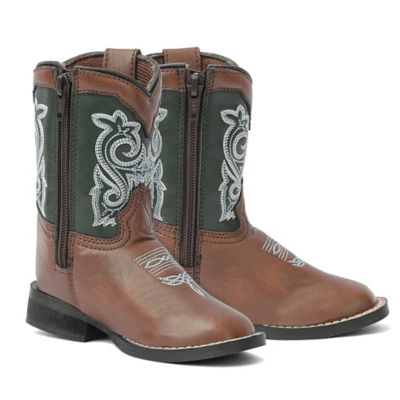
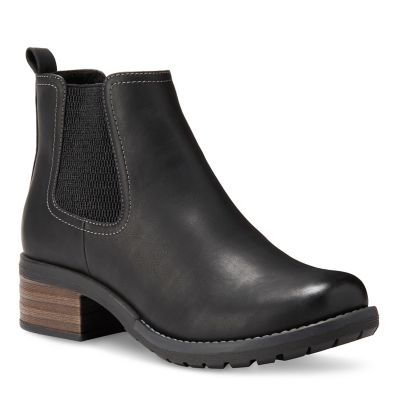
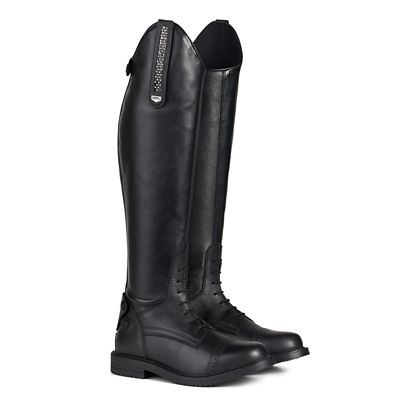
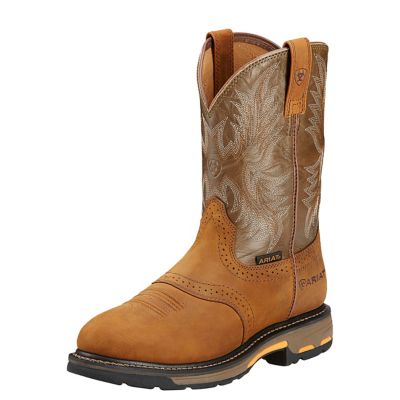
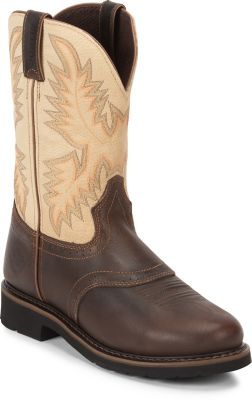
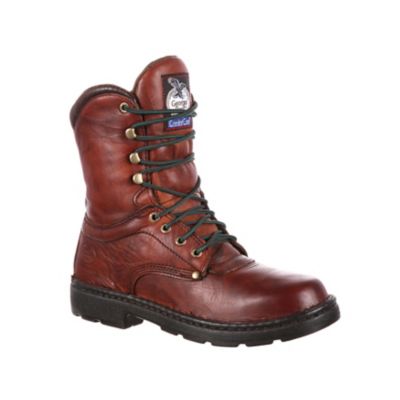
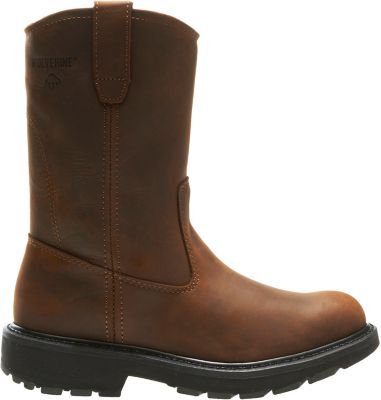
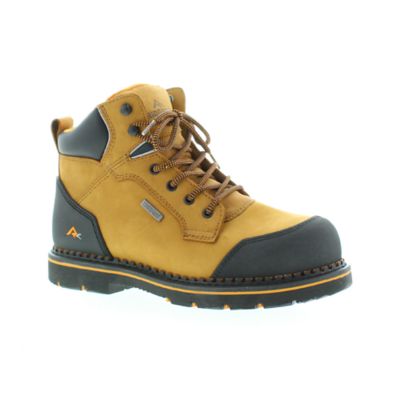
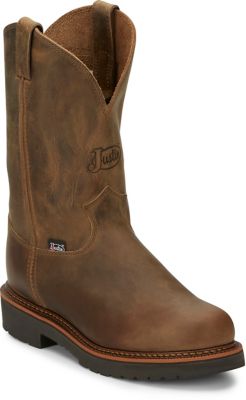
Low heel boots bring a little lift to everyday footwear without the steep pitch of a tall heel. Heel heights often fall around 1 to 2 inches, though measurements and descriptions vary by maker, and some low-heeled styles sit closer to the ground. Height is only part of the feel: a broad heel base, balanced sole and well-fitting upper all influence how a boot handles a walk across the parking lot or an afternoon on your feet. That makes low heel boots a practical option for people who like the look of boots with jeans, work pants or a dress but prefer a more grounded step. Ankle boots leave plenty of room for different pant lengths, while mid-calf and taller shafts offer more coverage and a stronger Western look. Pull-on shapes keep the lines simple, side zippers make getting dressed easier, and elastic-sided Chelsea styles allow some give around the ankle. A rounded or square toe can suit an easygoing outfit, while an almond or pointed toe brings a sharper finish for church, a family gathering or a night at the dance hall. Toe shape alone does not tell the whole fit story, since the width and shape inside the boot matter more than the outline you see. Materials also affect appearance, feel and upkeep. Smooth leather can develop creases and soften with wear, while suede has a softer-looking surface that takes more attention to keep clean. Synthetic uppers vary in flexibility, texture and care requirements, so the material description matters more than appearance alone. Black, brown and tan are easy to pair with denim and everyday clothes, while stitching, contrasting panels and understated hardware add character without needing much else. For someone heading from a desk to errands or from a family meal to a walk around town, the appeal is straightforward: a boot shape that feels at home with everyday clothes and does not need a tall heel to make its point.
Comfort in low heel boots comes from the whole construction, not simply a smaller number on the heel measurement. The difference in height between the heel and forefoot affects how the foot sits, and cushioning, arch support, flexibility and interior seams all contribute to the feel. A broad block heel may offer a steadier base than a narrow heel of the same height, but it cannot make up for a boot that squeezes the toes or lets the foot slide around. A good fit leaves space for the toes to move, holds the foot securely through the middle and avoids sharp pressure across the instep. Pull-on boots may allow a little heel movement when new, though repeated rubbing, strong slipping or toes bumping the front can signal a mismatch. Leather may soften, but a boot that feels painfully tight is not a sound bet for later comfort. The socks you plan to wear also matter; a fit that works with a thin dress sock can feel quite different with a thicker work sock. Removable footbeds can provide room for an appropriate insert, provided the boot still has enough interior space afterward. Shaft height and opening size deserve attention, too. A taller boot should accommodate the calf and any clothing tucked inside, while an ankle opening should not dig in when you sit, walk or climb a step. Outsoles help determine intended use. Flexible soles can suit everyday walking, while deeper tread and reinforced construction may better match demanding settings, depending on the boot’s design. Low heel fashion boots are not automatically work boots, and a low heel does not establish slip resistance, toe protection or suitability for a particular job. For tasks that call for a distinct heel profile,
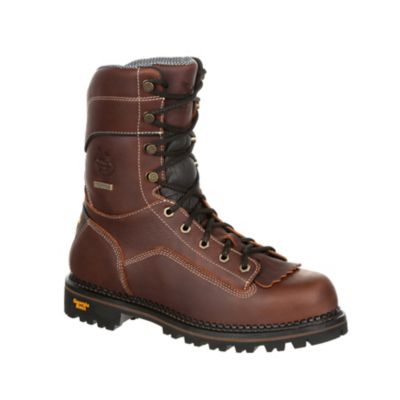
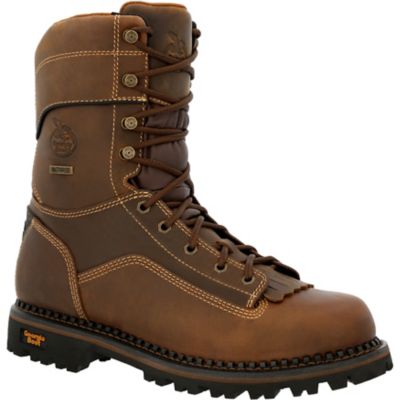
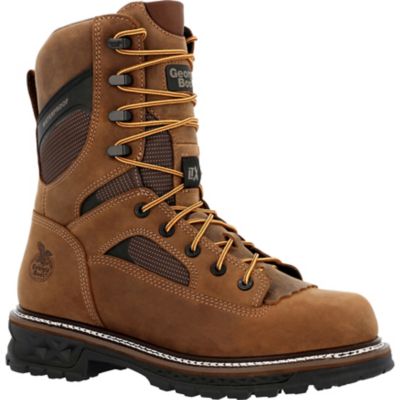
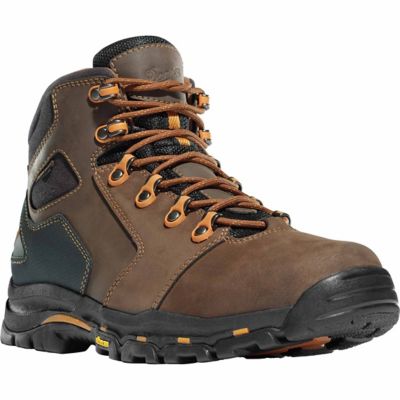
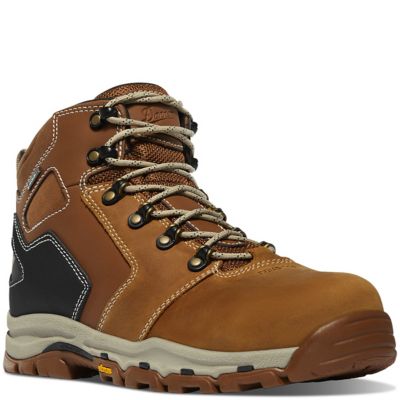
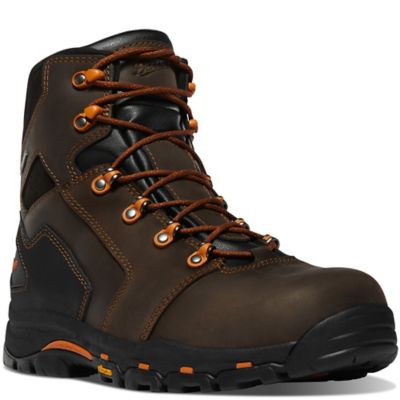
Defined Heel Work Boots provide a related category to consider alongside the job’s footwear requirements. Moving between gravel, packed dirt and smooth indoor floors makes traction worth checking rather than assuming every boot handles those surfaces the same way.
Construction and care have a lot to do with how well low heel boots hold up through regular wear. Secure stitching, neatly joined soles, reinforced high-wear areas and a heel that sits firmly against the boot are useful details to consider. Zippers should move smoothly, pull tabs should feel firmly attached, and the lining should lie flat where it meets the foot. Leather thickness, sole material and the way the sole attaches to the upper can influence flexibility, weight and the possibility of repair. Some boots are designed with replaceable soles or heels, while others have construction that makes those repairs less practical. A cobbler can help assess whether worn heel caps, damaged stitching or a separating sole can be repaired before a small problem becomes a bigger one. Everyday care starts with removing dirt before it settles into seams and surface creases. Smooth leather generally benefits from an appropriate cleaner and occasional conditioning according to the maker’s directions, while suede calls for a suitable brush and products intended for its finish. Synthetic materials have their own care needs and may not respond well to leather treatments. Testing a care product on a small, less visible area can help avoid unwanted changes in color or texture. Letting boots air out between outings, loosening laces where applicable and storing shafts without crushing them can help preserve their shape. Boot trees or shaft supports may also help, depending on the style and fit. These details matter whether the boots are worn for town errands, office days, family get-togethers or everyday chores suited to their construction. Low heel boots can also make a thoughtful gift for someone who already enjoys Western footwear or prefers a modest lift, especially when their size, calf fit and preferred toe shape are known. Fit is personal enough that an existing pair’s size is only a starting point, not a promise. The most useful pair is one that matches the wearer’s routine, gives their feet enough room and feels comfortable beyond the first few steps.