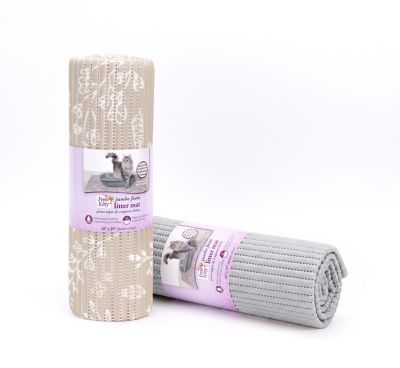
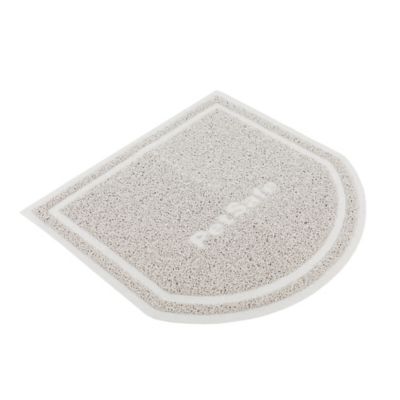
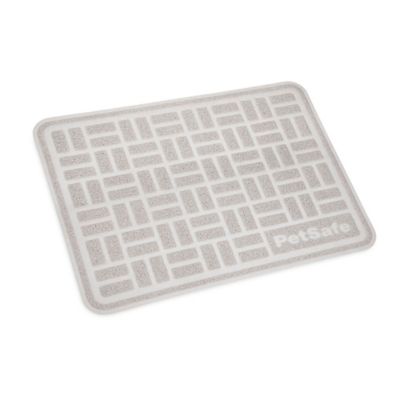
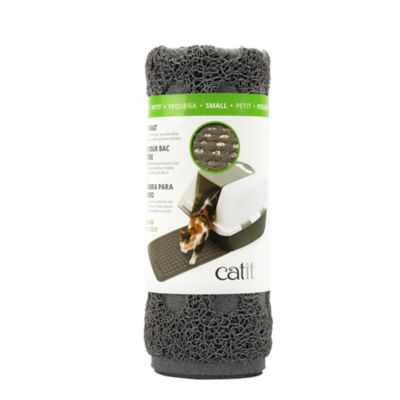
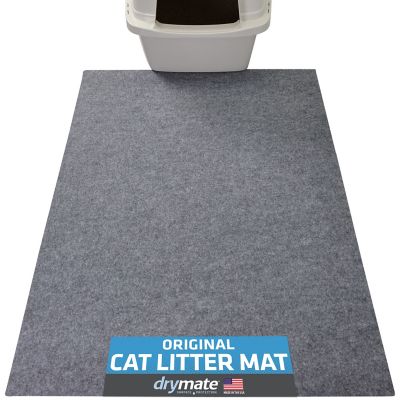
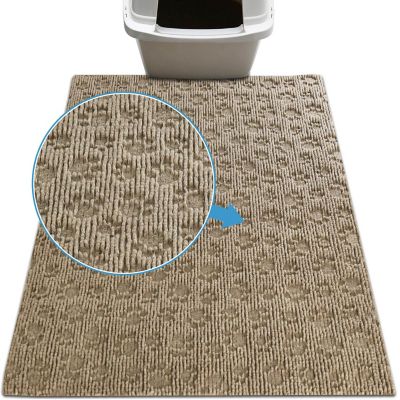
Litter-trapping mats sit outside a cat’s litter box to catch loose granules before they spread across the floor. A textured surface helps collect litter that clings to paws, while a wider landing area catches some of the scatter from digging and stepping out. That can mean fewer gritty surprises under bare feet and less litter carried into nearby rugs, hallways or living spaces. A mat supports regular sweeping and litter box care rather than replacing either one; even a well-matched setup will not catch every grain from every cat. The right size depends on the box, the room and the route your cat takes after a visit. For an open pan, coverage along the entrance and exposed sides can help contain kicked-out litter. For a covered box with one doorway, a mat extending beyond that opening gives paws more contact with the catching surface. A cat that hops out and heads straight down the hallway may need a longer landing area than one that pauses beside the box. Measuring the available floor space also helps keep the mat clear of doors, cabinet openings and busy walkways. In a small bathroom, a compact shape may fit neatly beside the tub, while a laundry room or dedicated cat area may allow broader coverage. Homes with several cats or litter boxes can benefit from separate catching areas rather than expecting one mat to handle traffic from different directions. Flat edges and a steady position matter, too, especially where people carry laundry baskets or walk past without looking down. The goal is a practical patch of floor protection that fits the space without making the litter box harder to reach. Kittens, older cats and cats with tender paws may be more comfortable with a low-profile edge and a gentler texture, so their footing deserves as much attention as the room measurements.
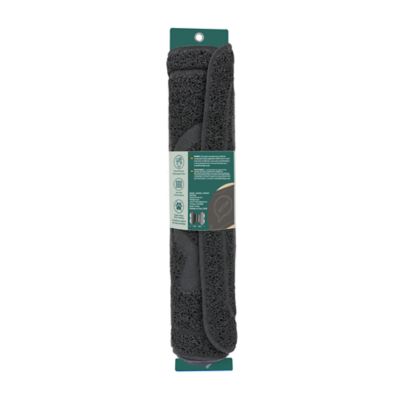
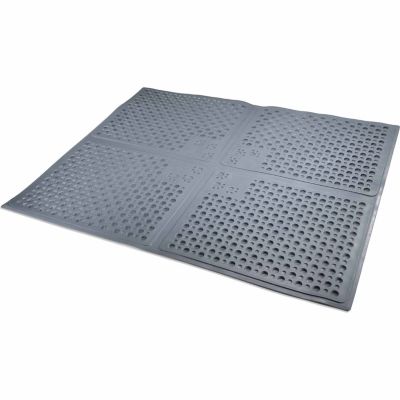
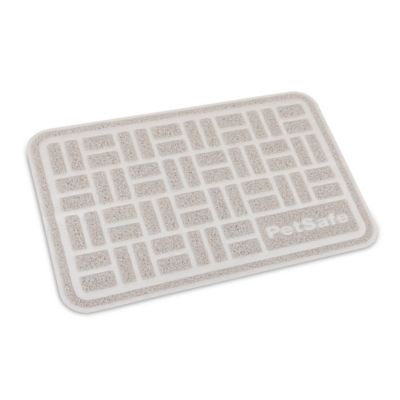
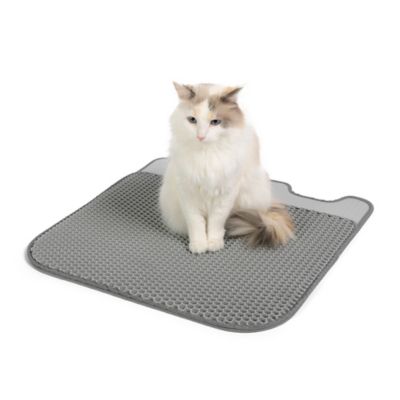
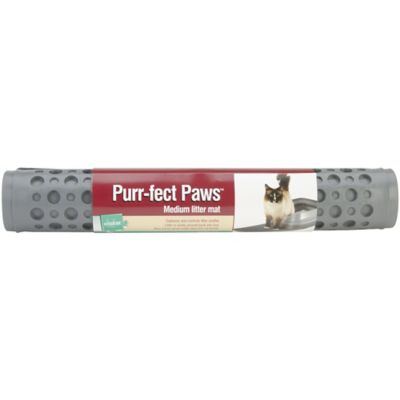
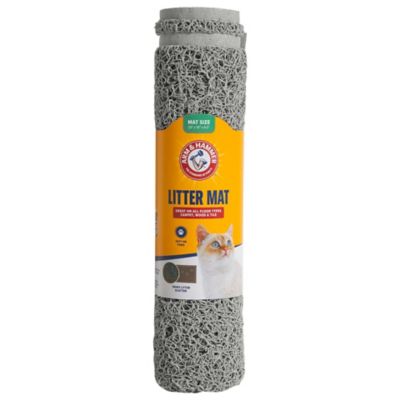
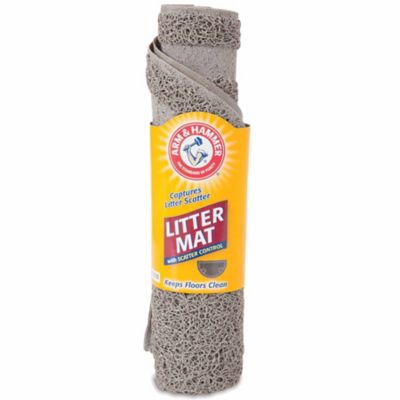
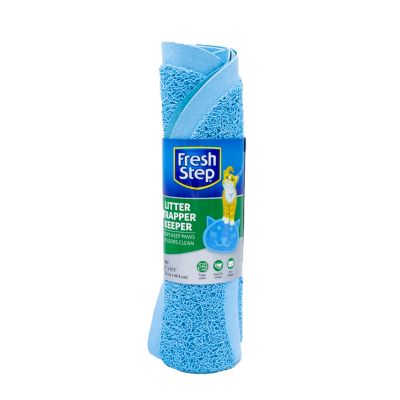
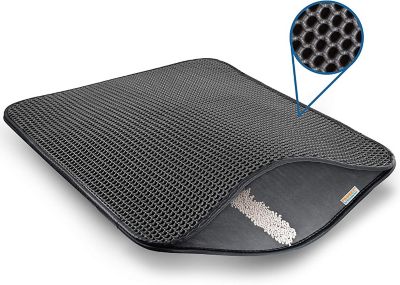
The main differences among cat litter mats come down to how the surface catches granules and how the material handles moisture and cleaning. Double-layer honeycomb mats have openings in the top layer that let loose litter fall into a lower collection area. That separation helps keep trapped particles beneath the walking surface, and designs with an opening along an edge allow collected litter to be emptied with less scattering. Clean, dry granules may be returned to the box when appropriate, while wet or soiled debris belongs in the trash. Coiled mesh mats work differently: loops and small channels hold litter among the fibers as paws cross the surface. Their flexible construction can sit comfortably beside a box, though tightly caught particles may take extra shaking or rinsing to remove. Silicone mats generally have a flexible, nonabsorbent surface, often with grooves or raised borders that help contain stray granules and small spills. Foam materials, including EVA, offer another lightweight option, with performance depending on the opening pattern, thickness and backing. Fabric mats may provide a softer feel, and some pair an absorbent top with a moisture-resistant or waterproof bottom. Those terms are not interchangeable: an absorbent surface takes in liquid, while a waterproof barrier is intended to keep liquid from passing through the covered area. Neither feature guarantees protection beyond the mat’s edges. Litter type matters alongside material. Fine clay particles can settle into small channels, while larger pellets or crystals need enough space to collect instead of sitting loosely on top. A pattern that catches one litter type well may perform differently after a switch. Surface feel matters just as much, since a cat that dislikes deep grooves or stiff loops may simply step around them. Flexible construction, smooth edges and resistance to tearing are worth considering for cats that scratch at the mat after leaving the box. No material should be treated as claw-proof, and loose pieces or damaged edges call for prompt attention.
Everyday care is where a litter-catching mat needs to fit the household routine. Some styles can be shaken out over a trash container, some open for emptying, and others allow rinsing or washing according to their care directions. A mat with deep pockets may hold more scattered litter between cleanups, but those same pockets can need extra attention when moisture or debris settles inside. Machine washing is appropriate only when the care label allows it, and a mat should be fully dry before returning to the floor. Dampness trapped underneath can affect the flooring even when the top looks clean. Checking beneath the mat during routine litter box cleanup helps catch moisture, grit and shifted edges before they become a bigger chore. For sealed wood, laminate or other moisture-sensitive surfaces, backing compatibility and prompt spill cleanup deserve particular attention; a mat is not a substitute for addressing repeated leaks or accidents. Non-slip backing can help limit movement, although traction varies with the floor finish and any dust or litter underneath. A smooth, clean floor gives the backing a better chance to stay put. Color is another practical consideration in a space that gets regular traffic. Light-colored granules may stand out against a darker mat, making scattered litter easier to spot, while a middle shade can blend more quietly with the room.
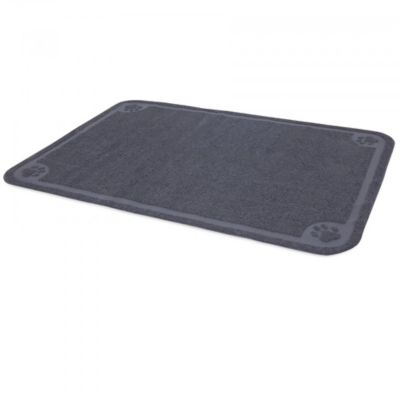
Gray Cat Litter Mats offer a neutral color direction for bathrooms, utility rooms and tucked-away litter box corners. Beyond appearance, the most useful features are the ones that suit the cat and the person doing the cleaning: enough coverage for the exit path, a comfortable surface, manageable weight for emptying and care requirements that fit the routine. With those details matched to the space, a litter-trapping mat can help keep the mess closer to the box and make everyday floor cleanup a little less of a chore.