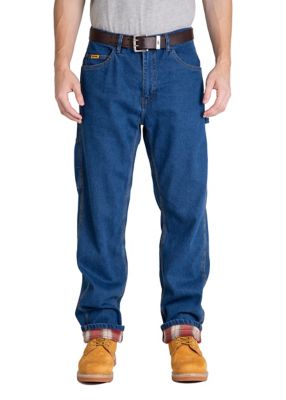
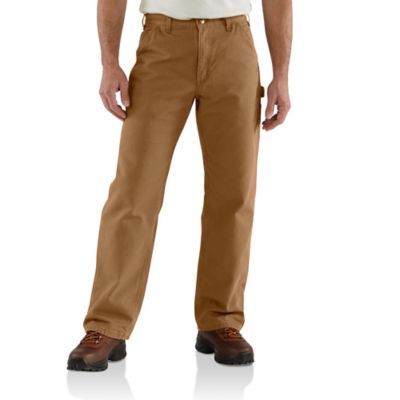
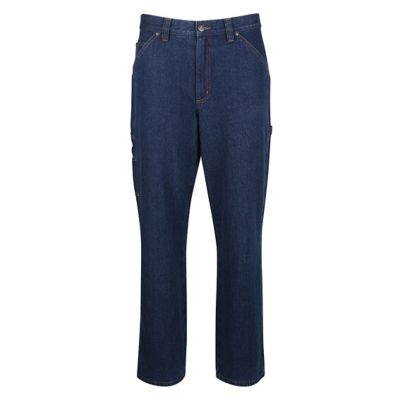
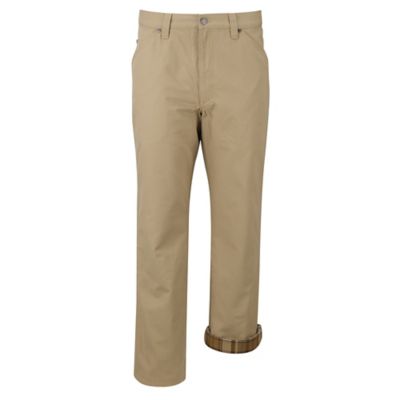
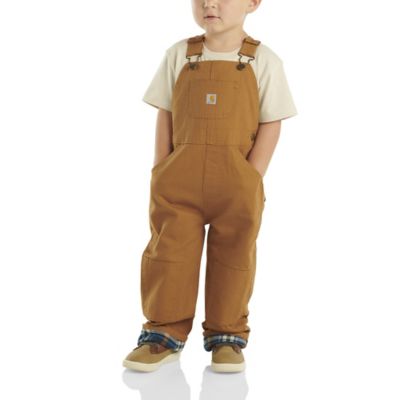
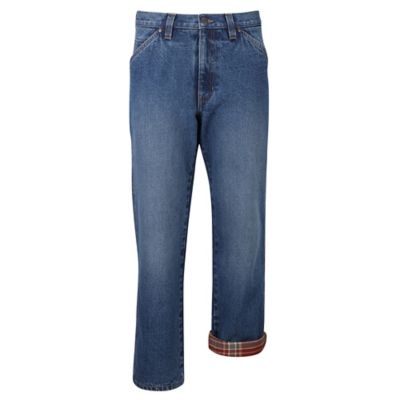
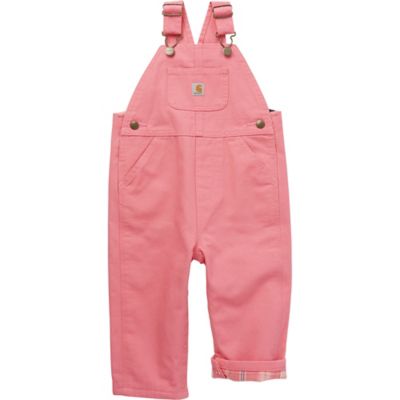
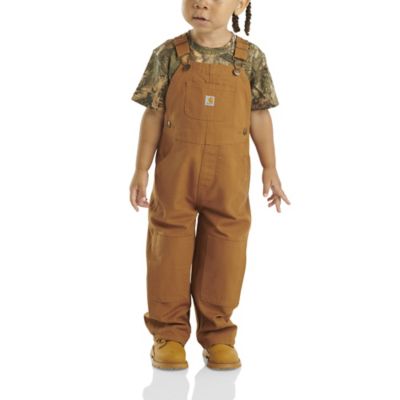
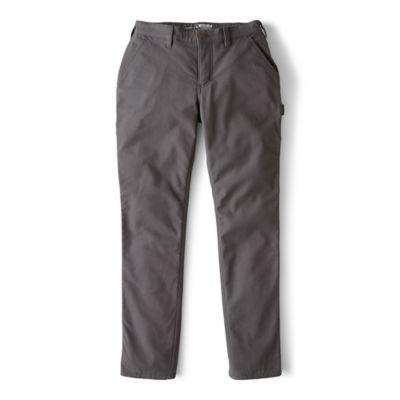
Flannel-lined pants pair a woven outer shell with a soft flannel interior to add warmth for cold-weather chores, outdoor work and everyday wear. The lining sits between the shell and the skin, taking some of the chill out of pulling on work pants before heading to the barn or walking the fence line. Unlike a separate pair of long underwear, that extra layer is part of the pants, so there is one less waistband to manage when getting dressed. Flannel is a woven fabric with a brushed surface that feels soft against the legs; in lined pants, it is often cotton or a cotton blend. The outside may be denim, canvas, cotton duck or twill, with each fabric bringing a different feel. Denim has the familiar structure of jeans and works well for chores that lead straight into a trip to town. Canvas and cotton duck can have a firmer hand that suits rough contact with feed sacks, lumber and barn surfaces. Twill can offer a smoother finish for a less work-focused look. Fabric weight, weave and fiber content matter as much as the fabric name, especially when comparing stiffness, flexibility and resistance to everyday wear. A little stretch in the shell can make bending and climbing more comfortable, while an all-cotton shell may appeal to someone who prefers a more traditional feel. The lining adds warmth, but it does not automatically make the pants windproof, waterproof or suitable for every temperature. A breezy morning on an open tractor seat feels different from steady work inside a sheltered barn. How much a person moves, what layers sit underneath and whether the fabric stays dry all affect comfort. For someone who wants warmer jeans or work pants without the feel of heavily insulated clothing, a flannel lining offers a practical middle ground. It keeps the familiar look of everyday pants while adding a noticeable layer of comfort on frosty mornings and cold afternoons.
Fit becomes especially important when a pair of pants has both an outer shell and an inner lining. There needs to be enough room through the seat and thighs for sitting, squatting and stepping up onto equipment without the lining pulling tight. A relaxed cut often makes sense for repeated bending or for wearing a thin base layer underneath, while a straighter cut can feel less roomy without necessarily restricting movement. The best match depends on body shape and the job, rather than simply choosing a larger waist size. Too much extra fabric can bunch behind the knees, sag at the seat or catch around footwear. Waistband placement also changes how pants feel through a long day, particularly when reaching into a truck bed or kneeling beside a water trough. A rise that stays comfortably in place helps keep the back covered without constant tugging. Through the lower leg, the opening needs to work with the boots a person actually wears. Enough room to settle over a boot shaft is helpful, but excess length that drags across wet ground can soak up moisture and wear down at the hem. The lining should lie smoothly rather than twist or gather, especially around the knees and cuffs. Construction details can make a difference in daily work, too. Reinforcement at high-stress areas, sturdy belt loops and seams positioned for movement all deserve attention when pants will see frequent chores. Pocket layout is another practical consideration: deep front pockets can keep small belongings tucked away, while back or side pockets may suit different routines. Anything carried should still allow comfortable sitting and safe movement around equipment. These are everyday clothing considerations, not a substitute for task-specific protection. Flannel lining alone does not establish flame resistance, cut protection or other safety performance, so work that calls for protective clothing still calls for the appropriate labeled gear.
Care has a lot to do with how flannel-lined pants fit and feel over time. Because the shell and lining may contain different fibers, the garment’s care label is the best starting point for washing and drying. Cotton-rich fabrics can shrink with heat, and the two layers may not respond in exactly the same way. Following the listed wash temperature and drying method helps limit surprises such as a tighter waist, shorter legs or a lining that no longer lies flat. Empty pockets and close fasteners before laundering to help prevent snags, and give muddy hems attention rather than letting grit build up in the fabric. Thorough drying matters after washing or getting caught in damp conditions; a lining that still holds moisture will not feel welcoming on the next cold morning. These pants are often most comfortable for activities that mix movement with stretches of standing or sitting, such as checking livestock, stacking firewood or watching a game from the sidelines. Hard, continuous work may call for lighter layers, especially for someone who heats up quickly. Flannel and fleece also bring different fabric structures to cold-weather clothing. Flannel is woven and brushed, while fleece is generally a knit fabric with a raised surface and is often polyester-based. For someone comparing everyday cold-weather options,
Mens Fleece Pants offer another category to consider, with the outer fabric, lining and overall construction determining how each pair suits the day’s plans. Flannel-lined pants can also make a practical gift for someone who spends time tending animals, working around an acreage or heading outdoors before daylight. Knowing the recipient’s waist, inseam, preferred rise and usual boot style makes that choice more personal than guessing from a size alone. A familiar cut with added warmth is often a welcome addition to a working wardrobe, especially for someone who likes straightforward clothing that moves easily from the feed room to the pickup and on into town.