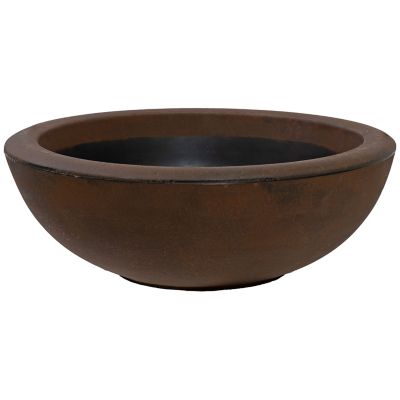
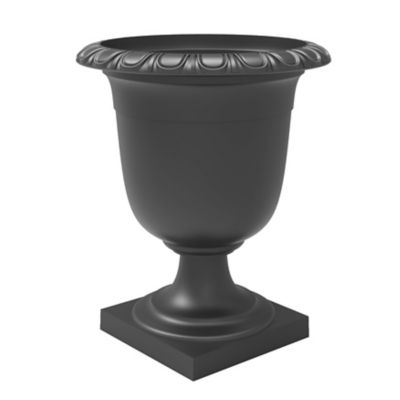
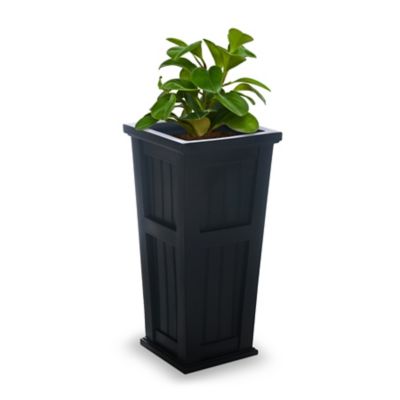
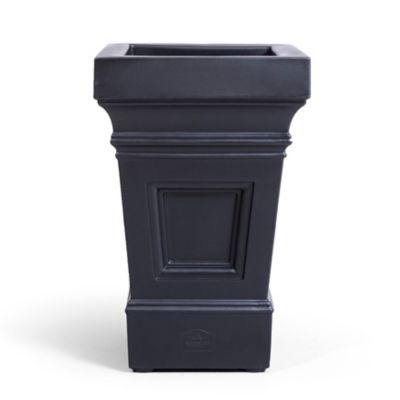
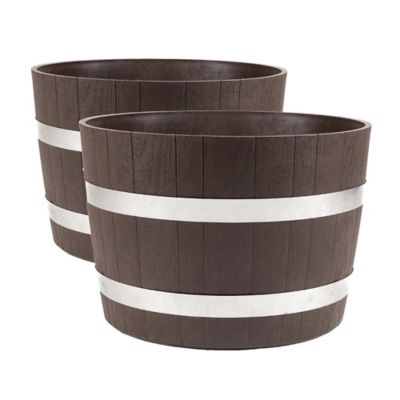
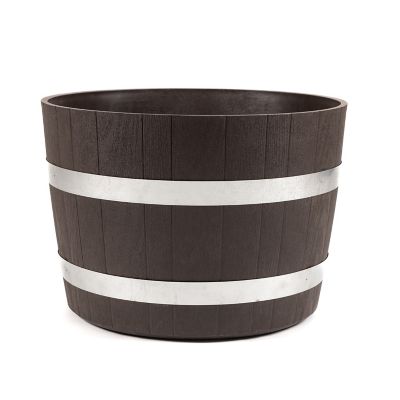
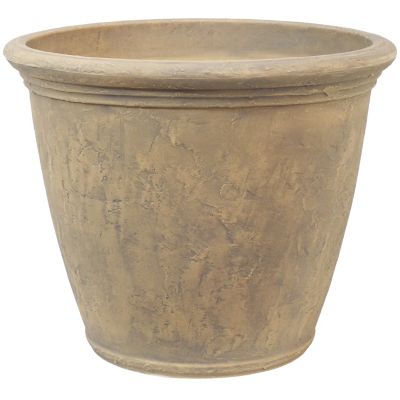
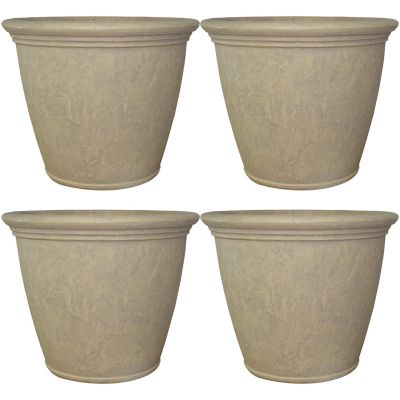
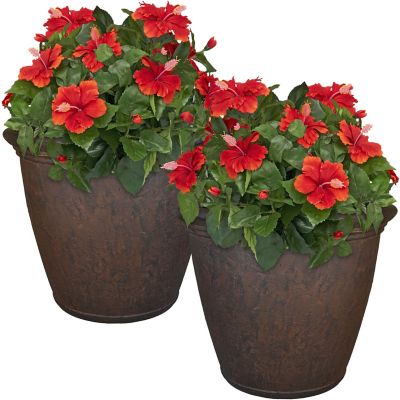
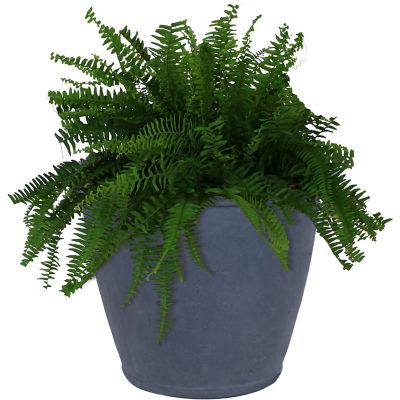
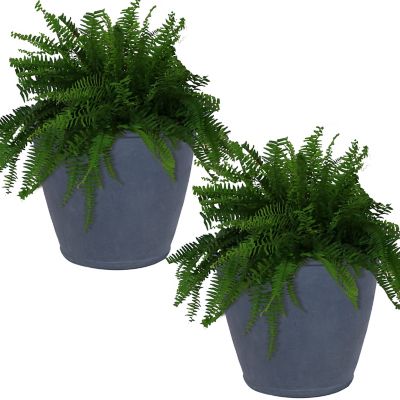
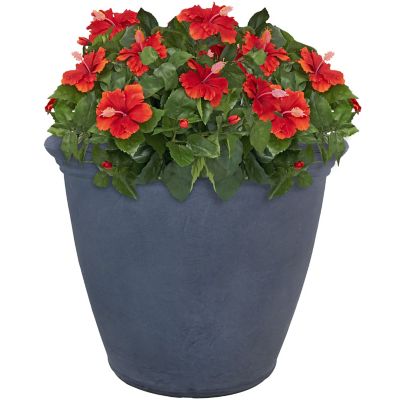
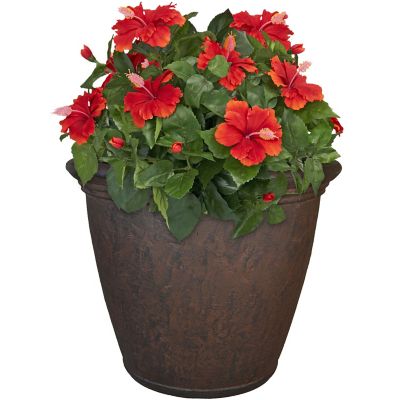
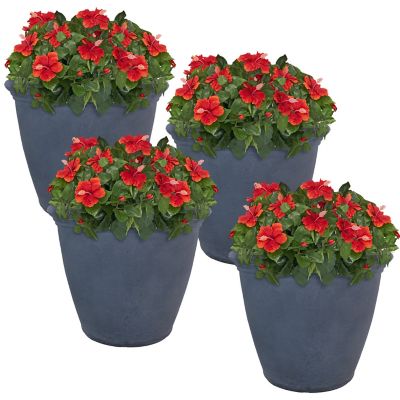
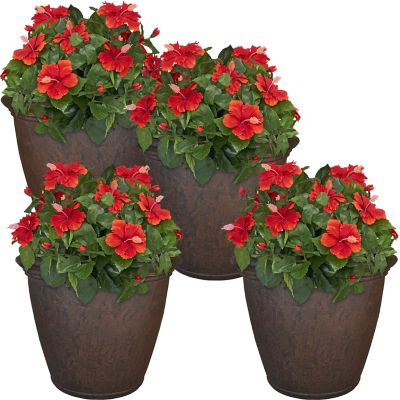
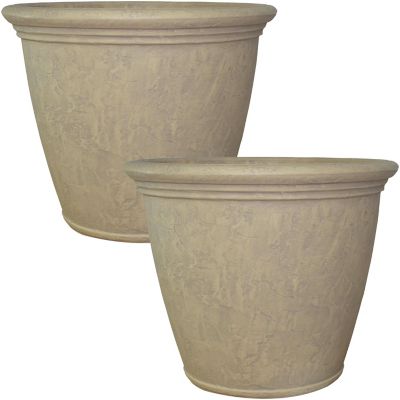
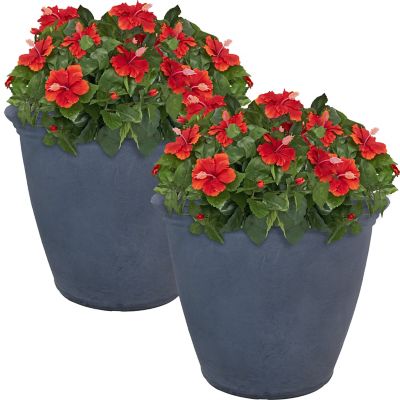
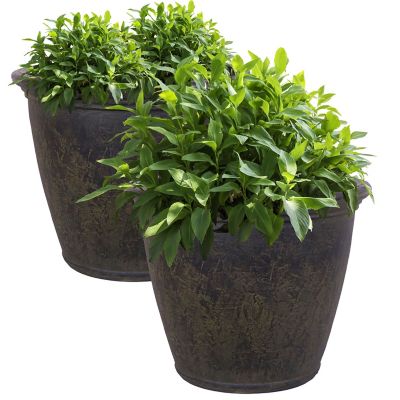
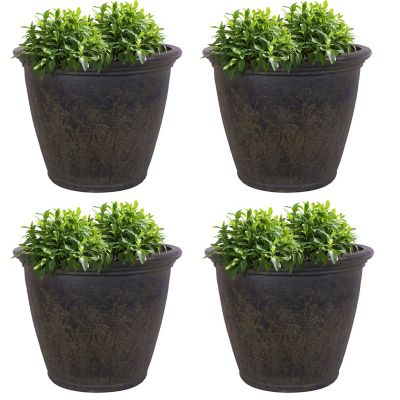
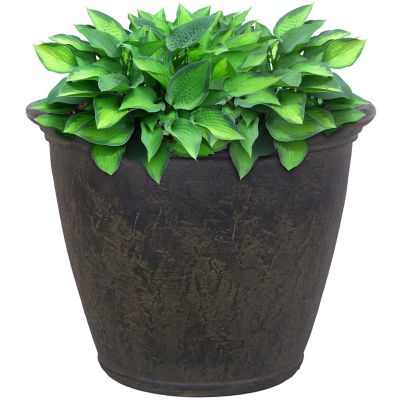
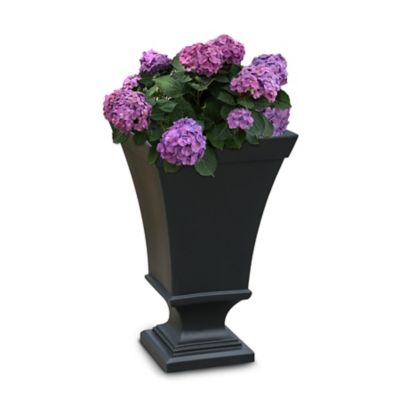
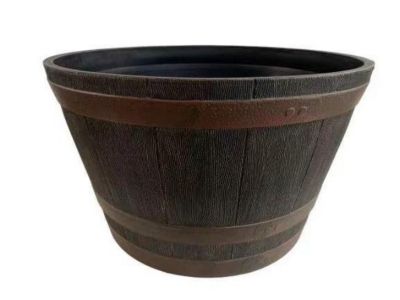
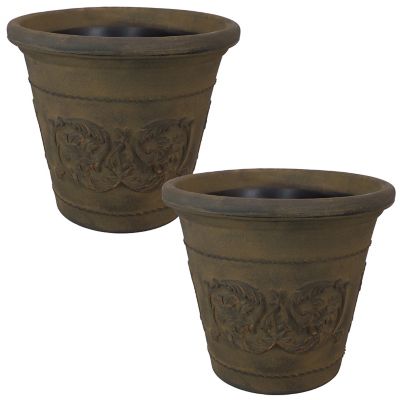
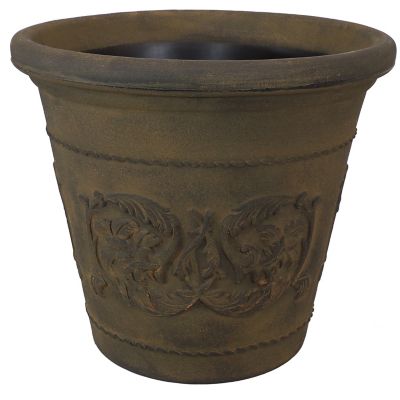
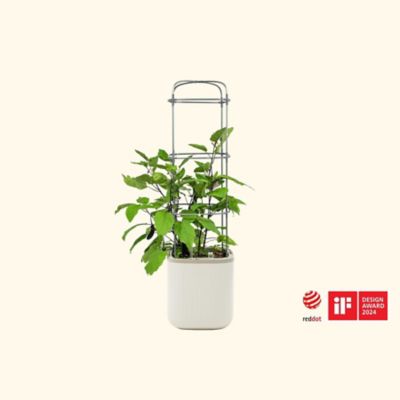
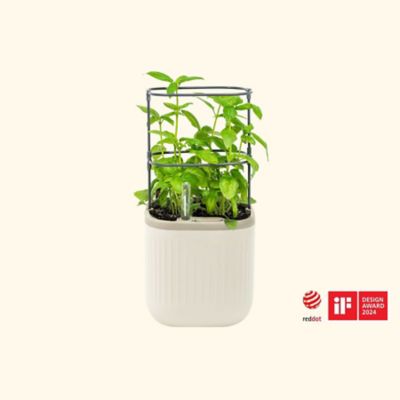
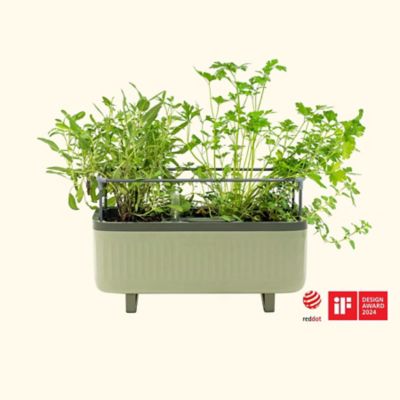
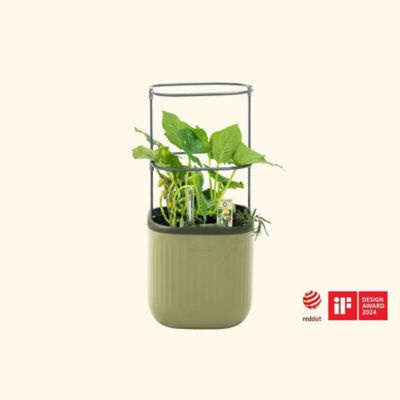
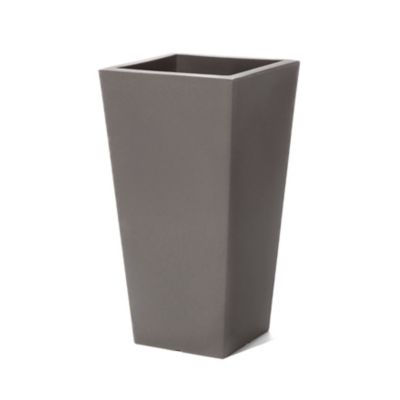
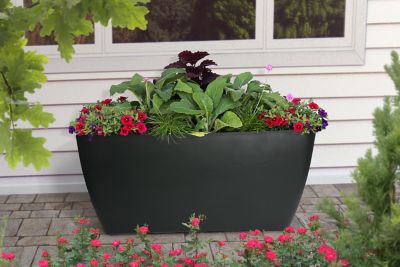
Lightweight large outdoor planters give flowers, shrubs, and small trees room to grow without the empty container weighing as much as a solid stone or concrete pot of similar size. Their appeal is straightforward: a substantial planting space that’s easier to carry onto a porch, position beside a gate, or arrange along a patio before filling. Resin, plastic, fiberglass, and certain composites are common materials, though the weight and strength of each planter depend on its construction, wall thickness, and dimensions. Molded resin and plastic can capture the look of a wood barrel, textured clay, or smooth stone while keeping the container itself relatively light. Fiberglass combines reinforcing fibers with resin to form a rigid shell, making it another option for larger planting projects. Stone-blend composites vary considerably; some contain enough mineral material to weigh noticeably more than an all-plastic container, so the listed empty weight tells more than appearance alone. These materials suit homeowners dressing up a front entrance, gardeners working with paved spaces, and folks who want flowers near the house without digging a new bed. A pair of tall planters can frame broad porch steps, while a low, wide bowl can bring trailing foliage closer to a seating area. Long rectangular containers help define the edge of a patio without requiring a permanent planting bed. The lighter shell also makes rearranging empty containers less of a chore, whether the goal is clearing a walkway or finding a better spot for a plant’s light needs. Lightweight doesn’t mean a filled planter will be easy to lift, though. Potting mix, retained water, roots, and the plant itself all add weight, especially in deep containers. For a large shrub beside the porch or a small tree near an outdoor gathering space, the practical advantage is easier initial placement—not a promise that the finished planting can be picked up and carried around. That distinction matters when comparing empty weight with the size of the planting project.
Size and shape affect much more than how a planter looks from the driveway. Outside measurements show how much room a container takes up, while its inside dimensions and soil capacity indicate the space roots actually have. A tall planter with a raised planting shelf may hold far less potting mix than its height suggests. That can suit a shallow-rooted display, but a shrub or small tree needs a planting cavity matched to its root ball and expected growth. Deep-rooted plants benefit from usable depth, while spreading plants may need more width. A generous opening also makes planting, watering, and eventual repotting less awkward. Round containers soften the corners of a patio arrangement, and trough shapes fit neatly along a fence or railing where a row of plants makes sense. For straight edges beside porch posts, walkways, or outdoor seating,
large square outdoor planters offer a footprint that lines up neatly with those spaces. A broad base is worth considering for top-heavy plants, particularly where people or animals might brush past. Tall, narrow containers can make a strong visual statement, but their proportions need to suit the weight and height of the planting above them. Clearance counts, too: a planter beside the front door shouldn’t interfere with the door swing, and mature foliage needs room without crowding the steps. On a raised deck or balcony, the combined load of the container, wet mix, and plant matters more than the empty planter weight alone; the structure’s load limits still apply. Container-friendly shrubs, compact trees, flowers, herbs, and vegetables all have different root and watering needs, so there’s no single large planter size that fits every planting. For edible crops, a container identified by its manufacturer as suitable for that purpose is a sensible match. The best fit brings together the space on the ground, the room inside the pot, and the needs of the plant—not simply the tallest container or the widest rim.
Drainage and straightforward care help a lightweight outdoor planter work well beyond its first planting. Some containers have open drainage holes, some have removable plugs, and others serve as outer pots that hold a separate nursery container. Those designs aren’t interchangeable. A planter filled directly with potting mix generally needs a way for excess water to escape, while an outer container needs attention so water doesn’t collect around the inner pot. Self-watering designs typically include a reservoir and overflow arrangement, with setup and watering requirements that depend on the model and the plant. A container potting mix provides a more suitable balance of moisture retention and air space than dense garden soil for most potted plants. A layer of gravel at the bottom doesn’t replace drainage holes and takes away root space, which matters even in an oversized pot. On a porch or patio, water also needs a clear path away from the planter without leaving the base sitting in a full saucer. Feet or a weight-rated rolling platform can provide clearance when compatible with the container, and a platform can simplify repositioning on a smooth, level surface. Moving a large planter by dragging it across rough paving can scrape the base or strain the walls; lifting an empty container with support beneath it is generally easier on the shell than pulling at the rim. For everyday cleanup, a soft cloth, mild soap, and water are often enough, subject to the manufacturer’s care directions. Abrasive pads and harsh cleaners can damage finishes. Long-term appearance depends on the material, surface treatment, handling, and exposure to direct sunlight, so an outdoor-use designation and stated resistance to fading are useful details to compare. Molded texture can give a barrel-style planter a familiar farmhouse feel, while a plain matte finish lets colorful blooms or leafy branches take center stage. A roomy, manageable container can also make a thoughtful housewarming gift for someone with a porch to fill or a patio garden to start. With a suitable planting space, sensible drainage, and a shape that fits its surroundings, a lightweight large planter brings greenery closer to everyday life without committing that spot to a permanent garden bed.