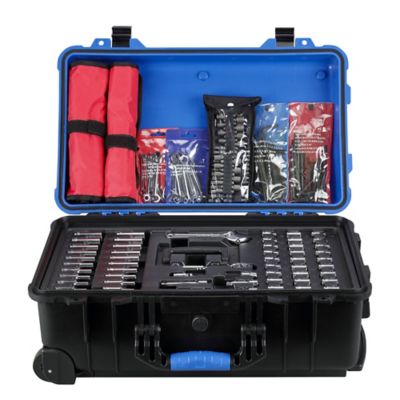
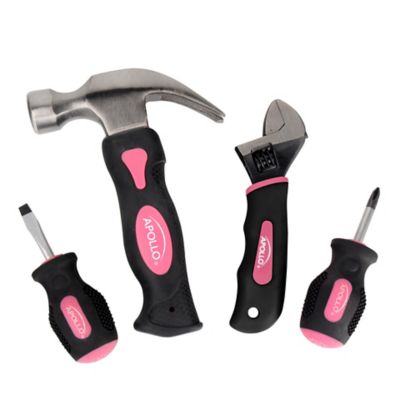
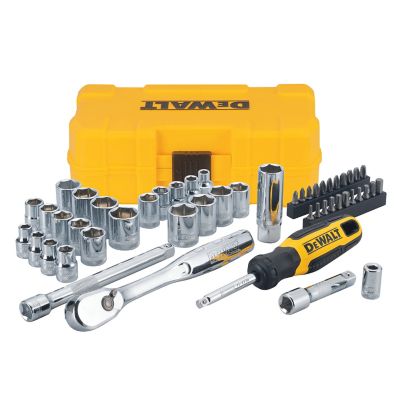
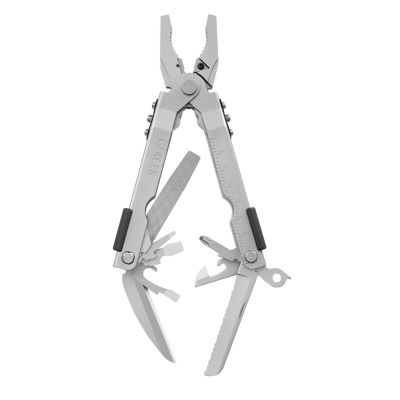
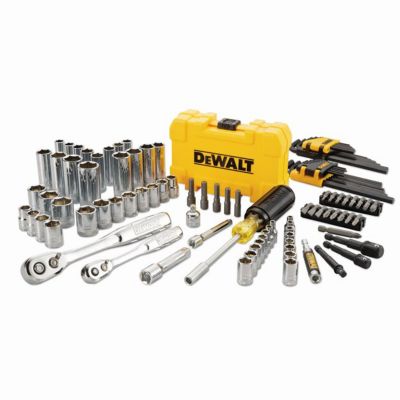
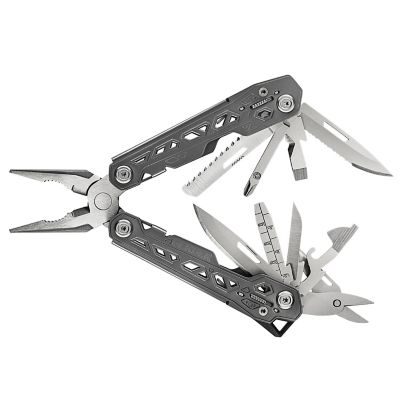
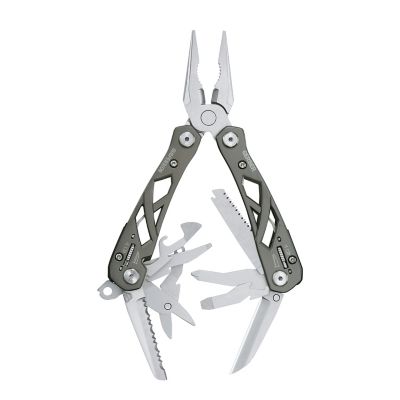
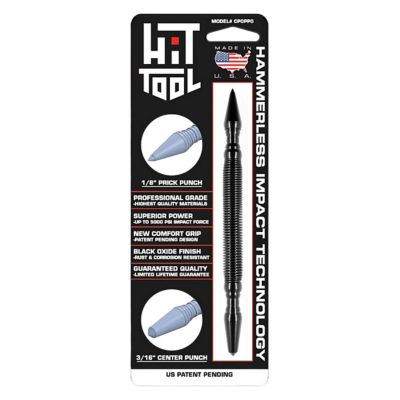
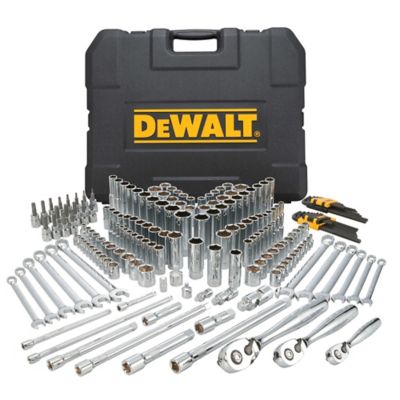
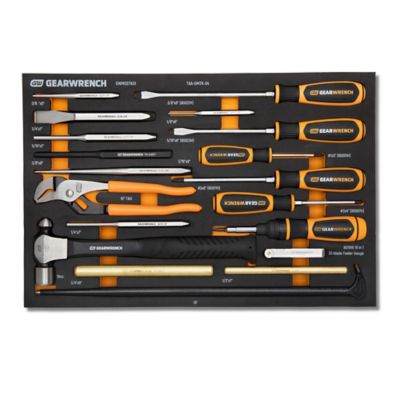
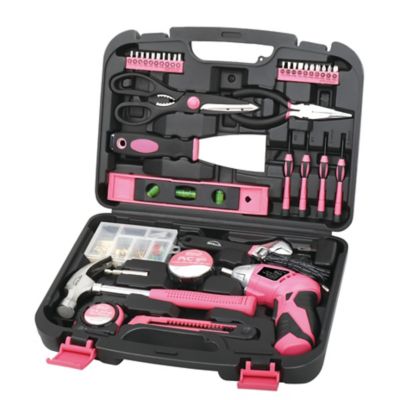
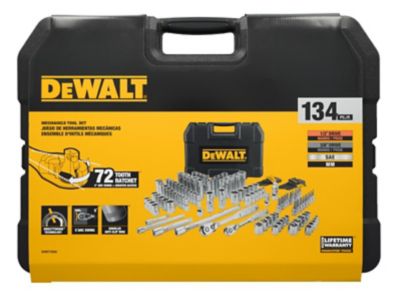
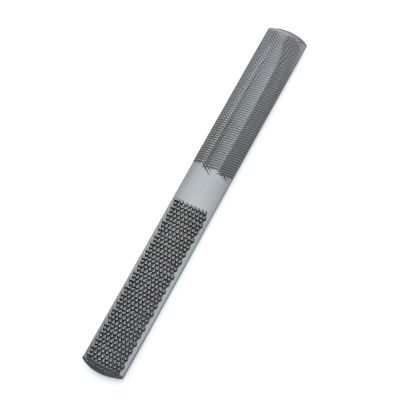
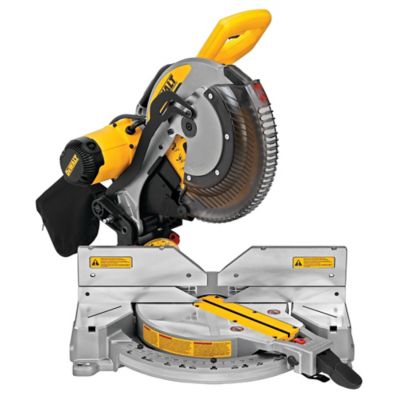
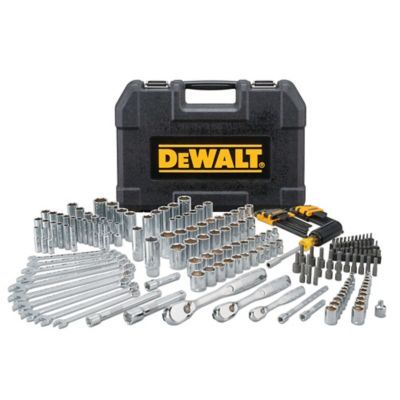
Lifetime warranty hand tools generally carry manufacturer coverage for defects in materials and workmanship, but the meaning of “lifetime,” covered failures, exclusions, and claim requirements vary by brand and tool. The written warranty—not the word “lifetime” alone—determines whether a repair, replacement, or another remedy applies. Coverage for normal wear, corrosion, accidental damage, improper use, and missing tools differs among policies, and some warranties have separate terms for moving mechanisms, replaceable parts, or measuring components. A lifetime warranty may also apply only to the original purchaser or refer to the tool’s expected service life, so transferability matters when tools pass from one generation to the next. For folks keeping a farm shop, garage, or truck toolbox ready for everyday repairs, that coverage can be a worthwhile part of choosing equipment meant to stay in service. A wrench that handles gate hardware today might tackle a mower adjustment later, and a socket set can see years of work across equipment repairs and household projects. Still, warranty protection works best alongside the right tool for the job. A manufacturing defect and damage from adding a pipe to a wrench handle are not necessarily treated the same way. Claim procedures can differ, too: a manufacturer may request photos, proof of purchase, a returned tool, or contact through an authorized retailer. An in-store exchange should never be assumed unless the applicable policy provides for it. Keeping receipts and warranty details with other shop records can make a future claim easier to sort out. The most useful lifetime warranty hand tools combine coverage that makes sense for the owner with sizes, shapes, and working features that fit the tasks at hand. Coverage deserves attention, but so do the jaws that grip a fitting, the handle that rests in the palm, and the clearance needed to reach a stubborn fastener behind a bracket.
Materials and construction help explain how a hand tool feels and performs on the job. Many steel hand tools feature alloy compositions and heat treatments selected to balance hardness, strength, and resistance to wear. Chrome vanadium and chrome molybdenum are common alloy names, though the steel designation alone does not tell the whole story; forging, machining, heat treatment, and tool geometry also matter. Plated or coated surfaces can help resist corrosion and make grime easier to wipe away, while bare working edges and joints still need attention. On gripping tools, jaw alignment and tooth shape affect how securely the tool holds the work. On striking tools, head attachment, handle condition, and balance matter as much as overall weight. For sockets and wrenches, fit starts with the fastener: inch and metric sizes are not interchangeable just because two sizes look close. A snug, correct fit helps limit slipping and damage to fastener corners. Six-point sockets generally provide strong contact on hex fasteners, while other socket profiles may offer access advantages in certain positions. Ratchet head size, handle length, and swing arc can make a noticeable difference when a repair leaves little room between a frame rail and a bolt. A longer handle offers leverage, but the tool’s intended load still sets the limit. Screwdriver tip shape and size deserve the same care; a tip that fills the screw recess properly is less likely to slip than one that barely catches. Handle fit is personal, especially for someone working in gloves or dealing with stiff hands. Broad gripping surfaces may feel better during repeated turning, while slimmer handles can reach confined spots. Weight also matters when a repair stretches beyond a few minutes. A well-matched selection gives a fence builder, mechanic, property owner, or home repair enthusiast useful working choices without filling every drawer with tools that rarely leave the box.
Care and storage help lifetime warranty hand tools earn their place in the shop over the long haul. Dirt packed into a ratchet, moisture left beneath a handle, or metal shavings caught in plier joints can interfere with smooth operation even when the tool looks sound at a glance. Wiping tools clean after a job, letting them dry before storage, and following the manufacturer’s lubrication recommendations help keep moving parts working as intended. A drawer liner, socket rail, or fitted tray also makes missing pieces easier to spot before the toolbox goes back in the truck. Keeping inch and metric sizes organized saves the frustration of carrying several nearly matching wrenches out to a repair and still leaving the right one behind. Tools with cracked handles, chipped striking faces, spreading jaws, or other damage need attention before another job; warranty coverage is not a reason to keep working with a tool that no longer functions safely. Ordinary hand sockets also should not be paired with powered impact equipment unless they are specifically rated for that application. For a workspace that handles drilling, driving, and other powered tasks alongside manual repairs,
Heavy Duty Power Tools can round out the equipment mix, with each tool matched to its intended work. Lifetime warranty hand tools can also make practical gifts for someone setting up a first garage, taking on property maintenance, or learning repairs alongside an experienced family member. The best match comes from the recipient’s actual work: common fastener sizes, comfortable handles, useful reach, and storage that fits the space. A broad assortment can suit someone starting from scratch, while a focused selection may better serve an established toolbox. Clear warranty terms add another consideration, particularly when the purchaser and recipient are different people. Good fit, sensible care, and coverage the owner understands help make these tools a lasting part of everyday work.