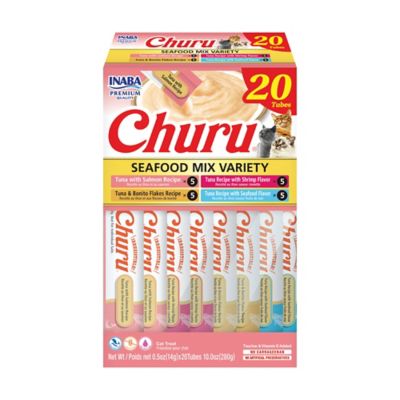
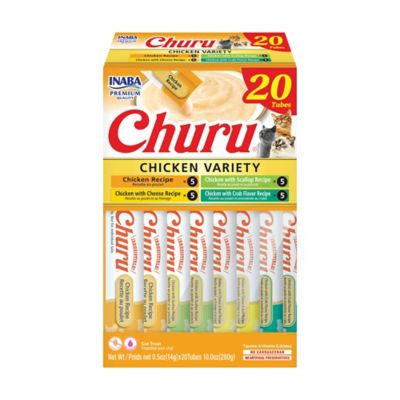
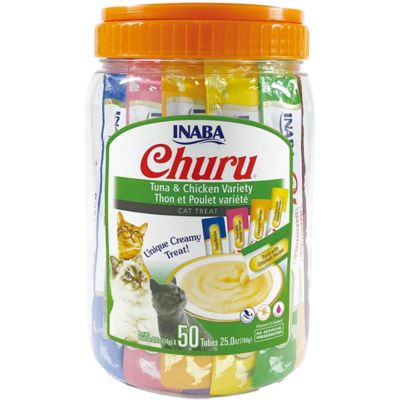
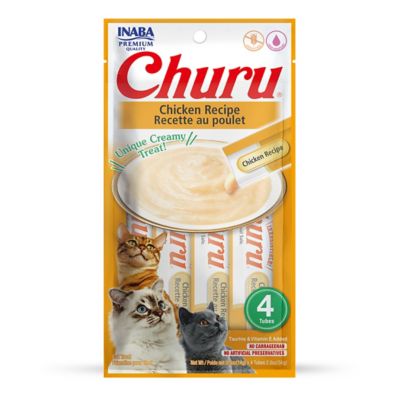
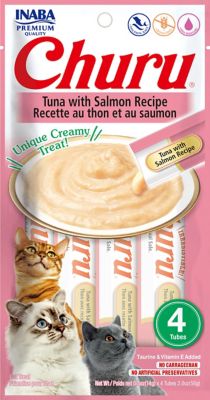
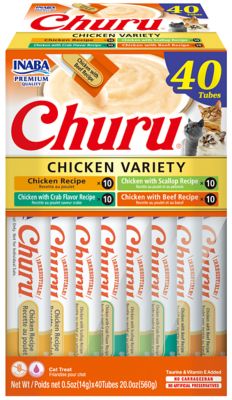
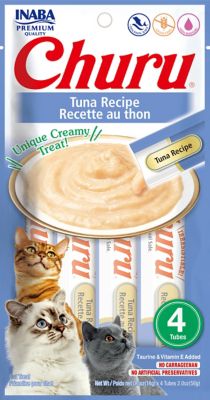
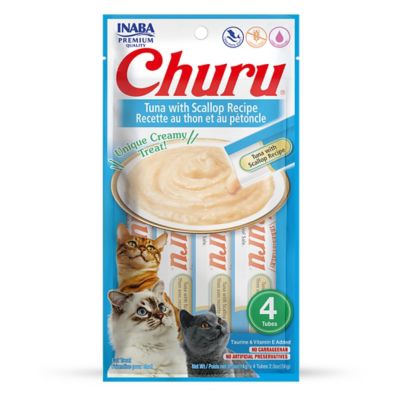
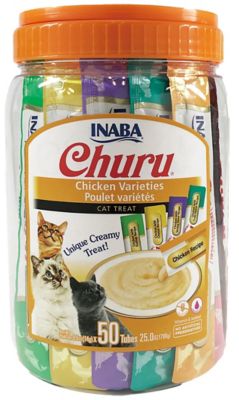
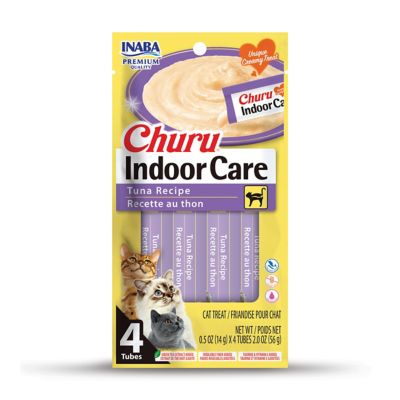
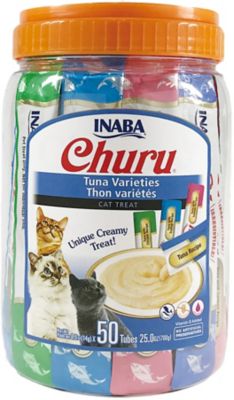
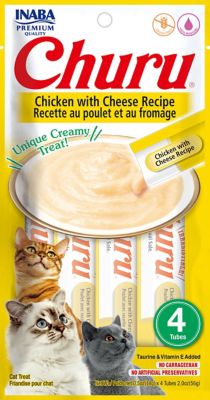
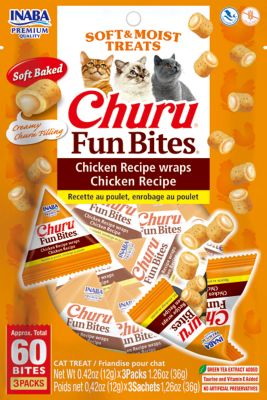
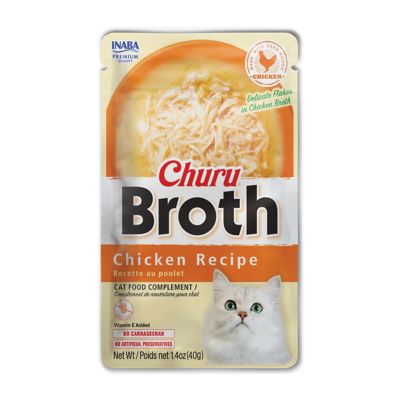
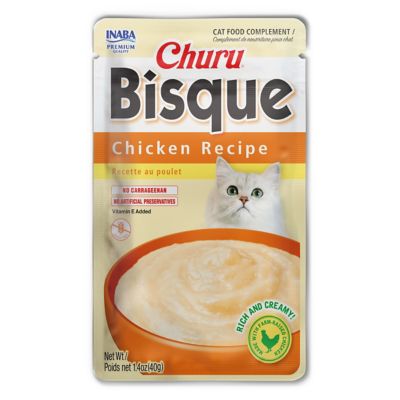
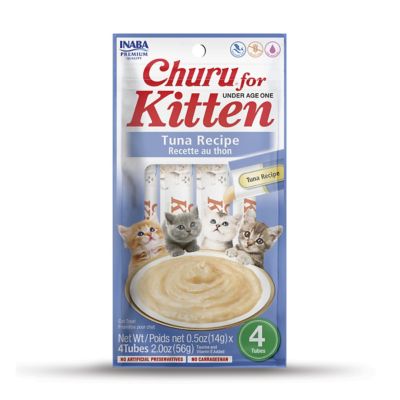
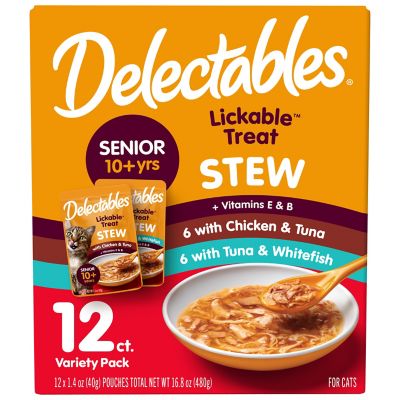
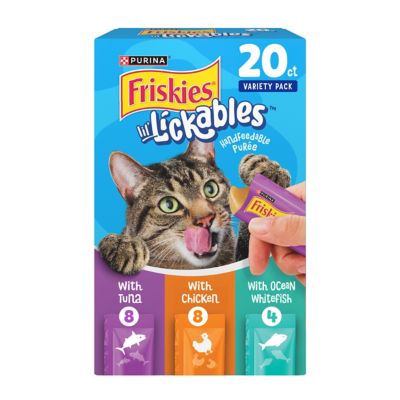
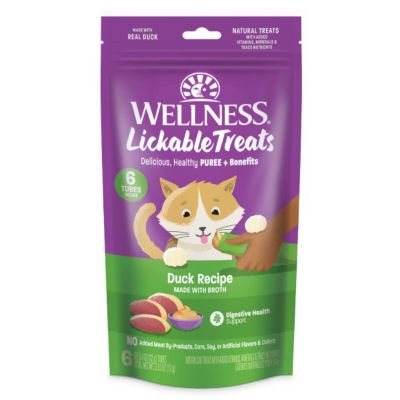
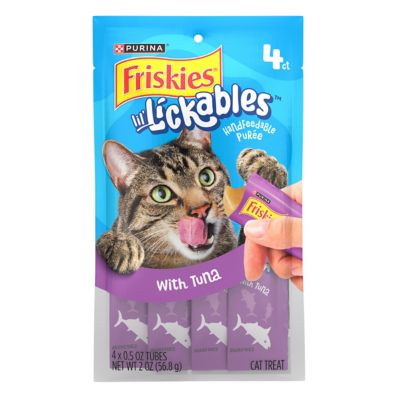
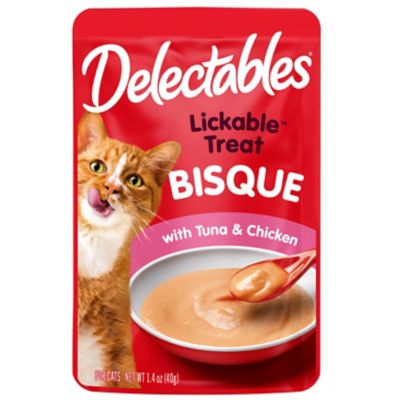
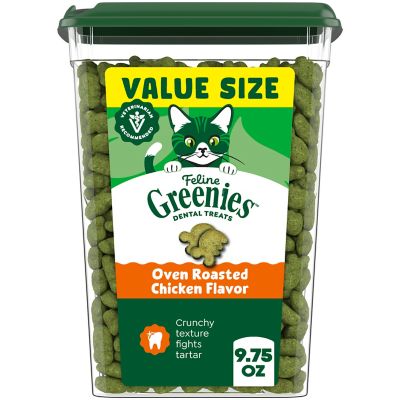
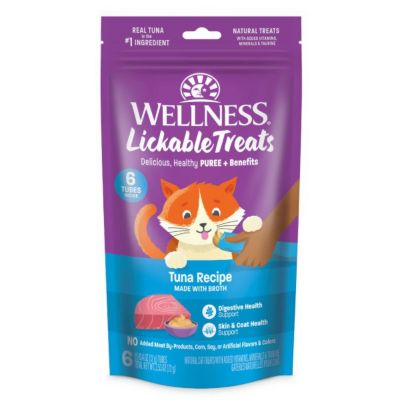
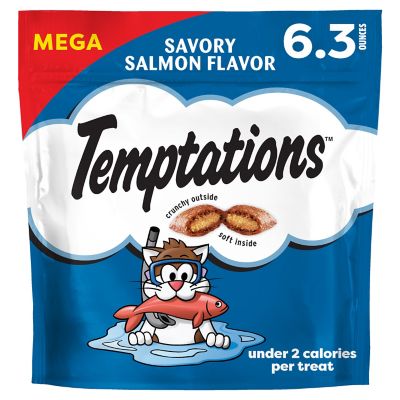
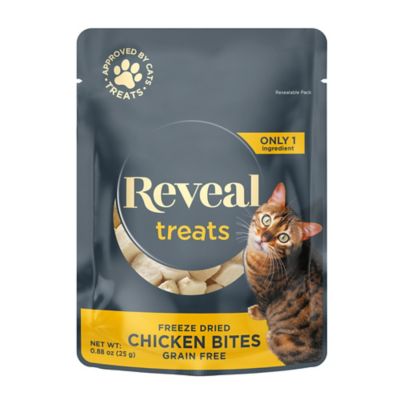
Creamy, lickable cat treats offer a soft, easy-to-serve alternative to crunchy snacks, with a smooth purée texture that cats can lick from a dish, spoon, or squeeze tube. These treats are meant for a little extra enjoyment alongside a complete and balanced cat food, not as a meal replacement. Their appeal comes from the combination of aroma, taste, and moisture: a small serving can hold a cat’s attention without much chewing. Chicken and fish flavors are common across this type of treat, though the ingredient list tells more than the flavor name alone. A chicken-flavored recipe may also contain fish ingredients, for example, which matters for cats with food sensitivities or a veterinarian-directed diet. Moisture content, calories, and feeding amounts also vary by recipe and package size. The label is the best place to confirm those details rather than assuming every creamy treat has the same nutritional profile. Moisture-rich treats contribute a little fluid to a cat’s daily intake, but fresh drinking water should still be within easy reach. For a house cat who comes running when the treat drawer opens, the slow pace of a lickable snack can turn a quick reward into a few minutes of company. For a more reserved cat, a small portion in a shallow dish offers the same experience without requiring close contact. That flexibility makes purée treats a practical choice for many households, from a quiet home with one older cat to a busy place where several cats have their own feeding spots. Texture can be especially relevant for a cat who prefers soft food, but a sudden reluctance to chew deserves a veterinarian’s attention rather than just a switch in snacks. The right fit depends on the cat’s preferences, life stage, health needs, and regular diet as much as on the flavor pictured on the package.
Packaging and portion size make a difference in how lickable cat treats fit into everyday chores and feeding routines. A narrow squeeze tube allows a small amount to be offered at a time, while other serving formats may work better for spooning a portion into a bowl. Package count is worth weighing against the number of cats in the household and how often treats enter the routine; the important part is having portions that are easy to manage without leaving food sitting out. For direct feeding, a gentle squeeze brings the purée to the opening so the cat can lick rather than bite at the wrapper. A cat who grabs or chews packaging is better served from a pet-safe dish or spoon, and empty wrappers belong out of reach. A shallow, smooth-sided bowl can make the last bit easier to reach and is straightforward to wash afterward. Small amounts of purée can also go on top of regular food, adding a different texture and scent without making the treat the main part of the meal. Some cats enjoy that addition, while others prefer their usual food untouched and their snack on the side. Keeping the serving modest helps maintain that distinction. Treats generally should account for no more than about 10 percent of a cat’s daily calories unless a veterinarian recommends otherwise, and the allowance includes every snack offered throughout the day. In a household where several people feed the cat, agreeing on a daily portion helps prevent the same expectant face from earning three separate treat rounds. Storage instructions deserve attention, too. Keep unopened packages according to the label, check dates and seals, and follow the directions for refrigerating or discarding any remainder after opening. A torn, leaking, or swollen package should not go into the feeding bowl. Wash dishes and spoons after serving, and keep the tube opening from touching shared food or utensils. Those small habits keep a simple reward from turning into extra cleanup or wasted food.
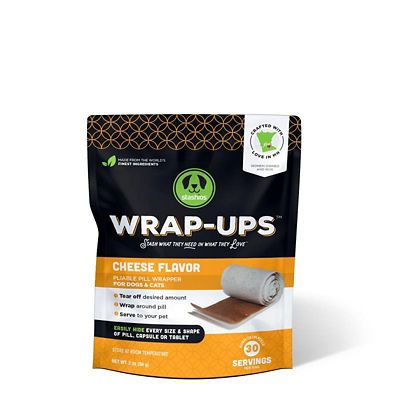
Lickable treats can fit into the quieter parts of cat care, especially when a little patience matters more than speed. A cat learning to step into an open carrier may appreciate a small taste near the entrance, then farther inside once that first step feels comfortable. During a gentle brushing session, a few licks between short passes can create a pleasant pause. The treat is a reward, not a reason to keep going when a cat pulls away, flattens its ears, or otherwise signals that it has had enough. For newly adopted cats or cats who keep their distance, setting a treat dish nearby and giving them room can be a better starting point than reaching toward their face. Separate servings also help in homes with multiple cats, where one eager eater might otherwise crowd out a slower companion. Care involving medication calls for a different kind of attention. Some medicines can go with a small amount of food, while others have restrictions or should never be crushed or opened. A veterinarian or pharmacist can confirm whether a particular medicine is compatible with a treat and whether food affects how it works. When permission is given, a small serving can make it easier to tell whether the full dose has been swallowed; mixing medicine into an entire meal leaves more uncertainty if the cat walks away. Creamy purées and treats shaped to hold a tablet serve different purposes, and
Cat Pill Treats offer another format to consider with that professional guidance. Beyond care routines, these soft snacks can make a thoughtful addition to a gift for a cat owner when the cat’s dietary needs are known. They can also help a pet sitter follow an established routine, with clear directions on portions and feeding preferences. Whether the occasion is a brief break after chores or a calm visit beside a favorite chair, the best treat routine stays simple: a suitable recipe, a sensible portion, clean serving gear, and enough space for the cat to enjoy it at its own pace.