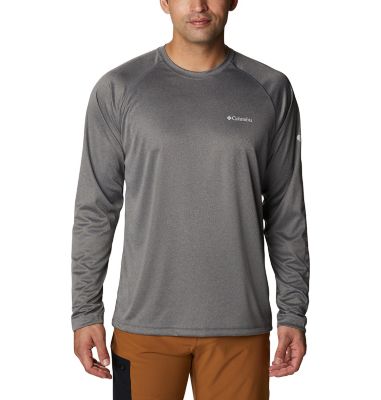
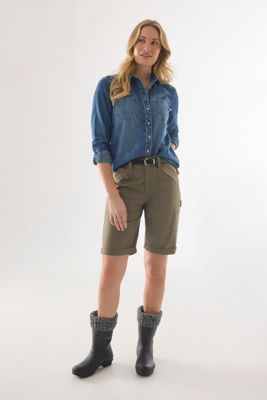
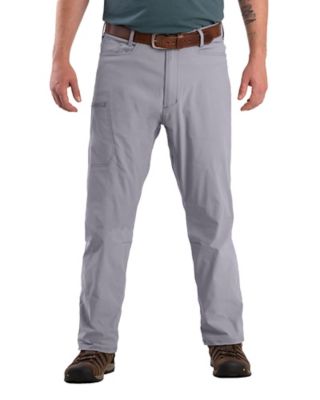
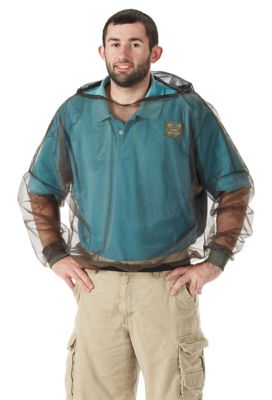
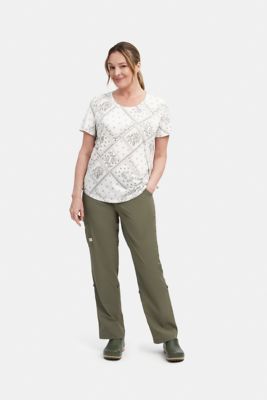
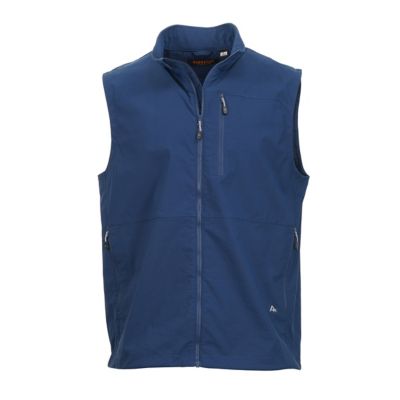
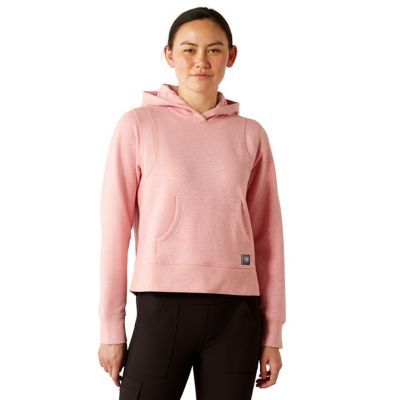
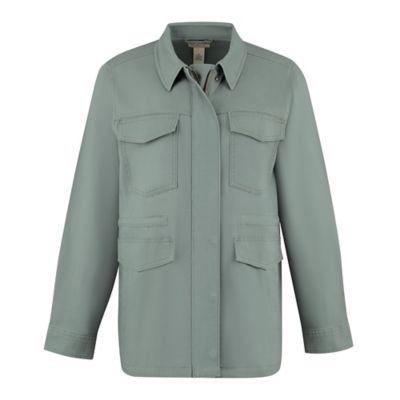
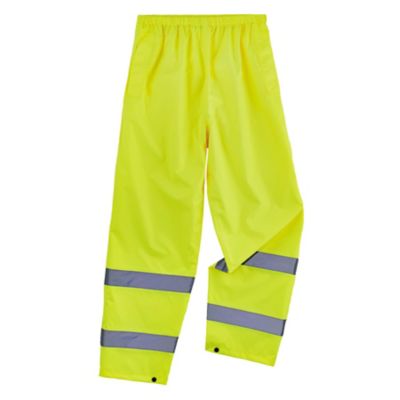
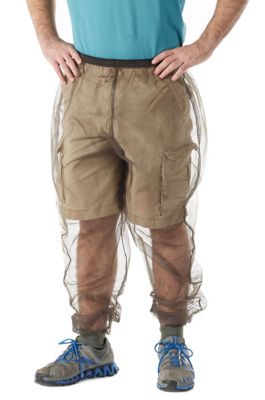
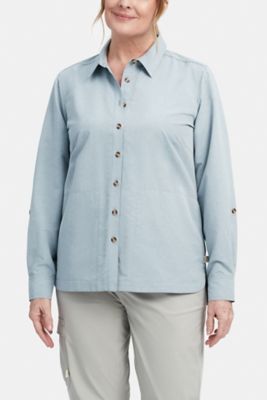
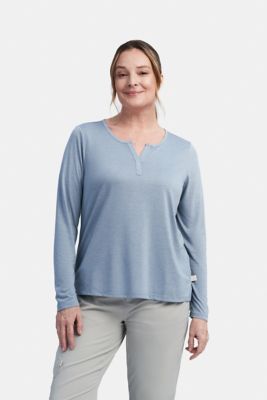
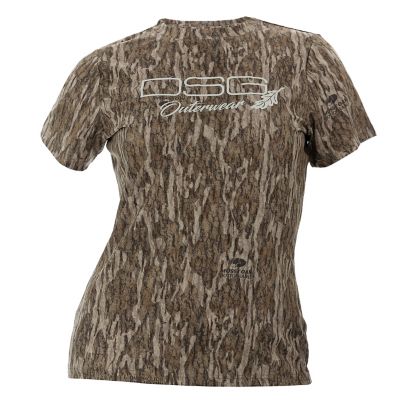
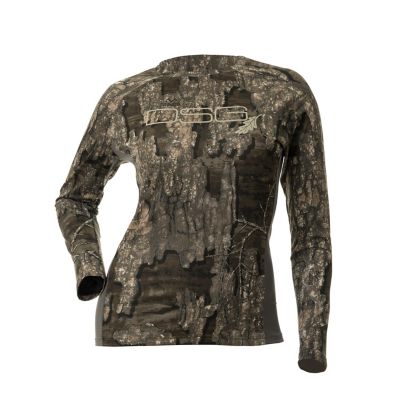
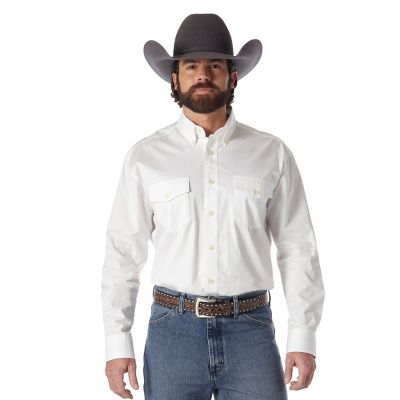
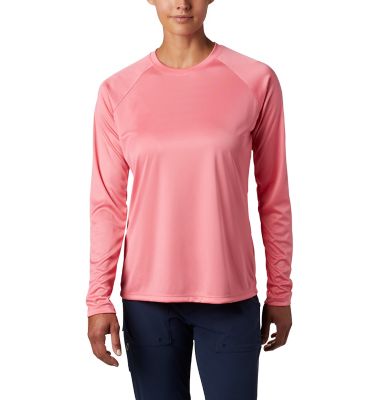
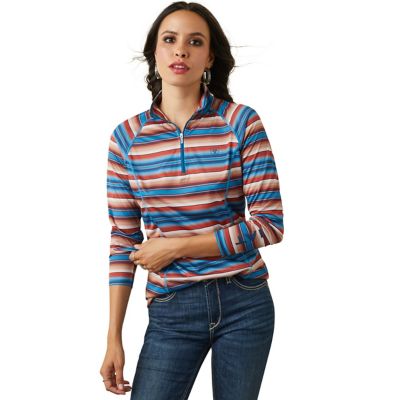
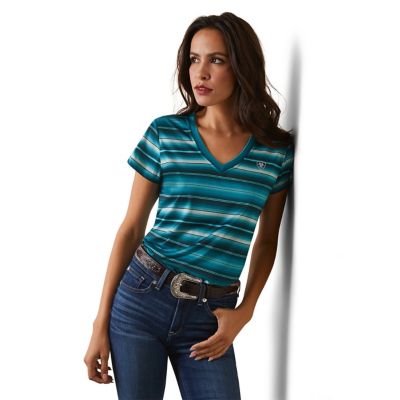
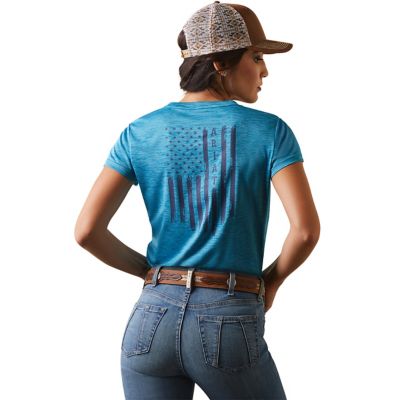
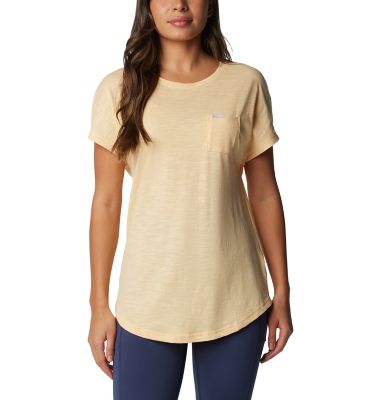
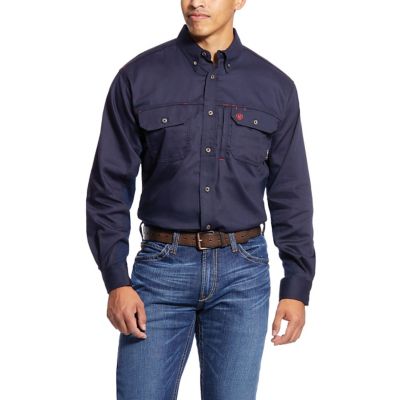
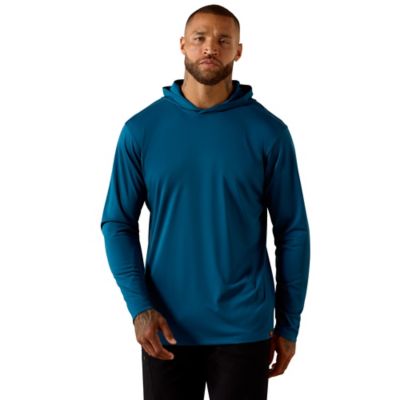
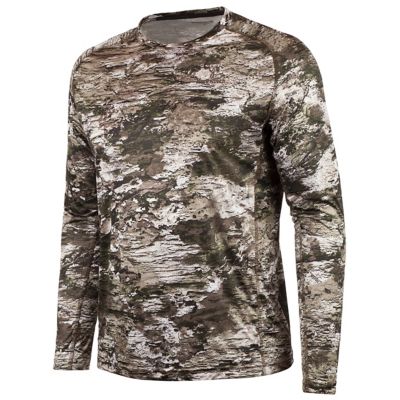
Lightweight gardening clothes bring together breathable fabrics, freedom of movement, and practical coverage for time spent planting, weeding, pruning, and tending beds. The right combination feels easy to move in without leaving loose fabric hanging near tools or dragging through the soil. For someone who spends an hour at a potting bench or a full afternoon working down a vegetable row, fabric weight is only part of the picture. Weave, stretch, seams, and moisture management all affect how clothing feels once the work gets going. Cotton has a soft, familiar feel and absorbs moisture, though it generally takes longer to dry than many performance fabrics. Cotton blends can balance that feel with added stretch or faster drying, depending on their fiber content and construction. Lightweight nylon and polyester fabrics often dry readily, while moisture-wicking finishes help move perspiration across the fabric so it can evaporate. Those features are related but not interchangeable: a quick-drying garment does not necessarily have a moisture-wicking finish. Linen and linen blends offer an airy feel, although wrinkles and a looser weave may be worth considering around rough boards or snagging branches. Ripstop construction adds a reinforcing grid that can help limit the spread of small tears without requiring a heavy fabric. Long sleeves and full-length pants provide more skin coverage for brushing past leaves, reaching into rows, or spending time in direct sunlight. For sun protection, a stated UPF rating matters more than fabric weight alone. Fabric rated UPF 50+ blocks at least 98% of ultraviolet radiation under its test conditions. Stretching, wear, and moisture can affect protection, so garment labeling remains important. Breathability, sun protection, and resistance to snags are separate features, and a lightweight feel does not guarantee all three. Their importance depends on whether the day involves transplanting seedlings, carrying compost, or reaching through established plants.
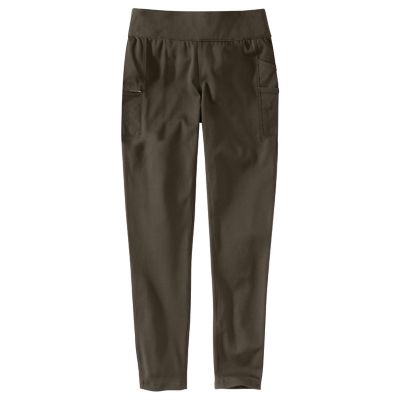
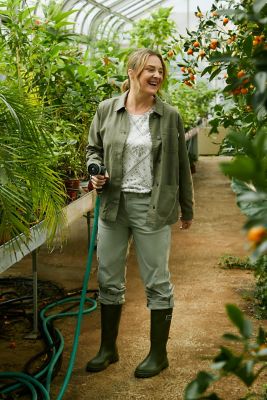
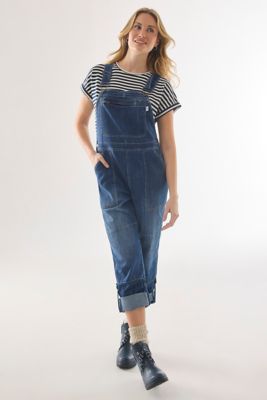
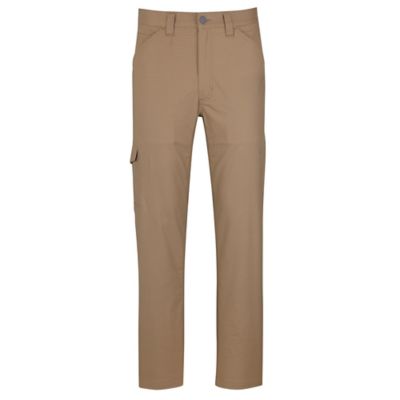
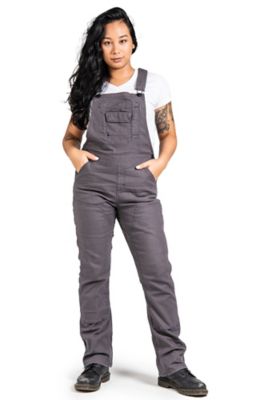
Fit makes a noticeable difference when gardening means bending at the waist, squatting beside a bed, and reaching overhead for a climbing vine. Lightweight garden clothing works best with enough room through the shoulders, seat, and thighs to support those movements without constant tugging or adjustment. A small amount of elastane or spandex can add give, while gusseted crotches and shaped knees create room through construction rather than stretch alone. A waistband that stays in place during a deep bend is more useful than one that feels comfortable only while standing. Adjustable waists can help fine-tune that fit, and bib-style clothing provides extra torso coverage when reaching or kneeling. Shirt length matters, too: a longer back hem helps maintain coverage over a waistband, while side vents can give the hips a little breathing room. Sleeves should allow a full reach without pulling tightly across the upper back. Secure roll tabs offer flexibility for work at the potting bench, though sleeves need to stay clear of moving equipment. Pant hems deserve the same attention. Excess length can drag through damp soil or catch beneath a heel, while a closer ankle opening can reduce loose fabric around the feet. Pocket placement is another small detail that shows its worth during a long stretch of planting. A deep pocket can hold seed packets, while a secure closure helps keep a phone from slipping out during a squat. Storage on the outer thigh may feel less restrictive than a loaded front pocket when kneeling. Sharp tools still belong in suitable sheaths or holders rather than loose against thin fabric. Reinforced pocket edges, closely stitched seams, and added fabric at the knees can support repeated wear at common stress points. Gardening apparel and
summer outdoor work clothes share many of these practical features, especially for folks whose day also includes checking fences, tending animals, or hauling supplies to the shed.
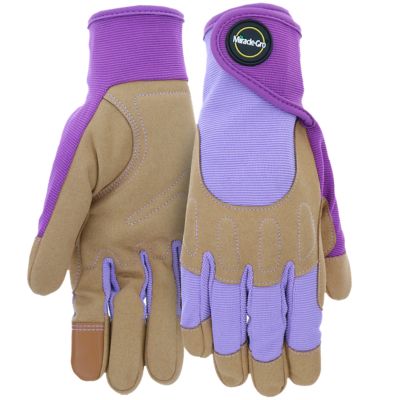
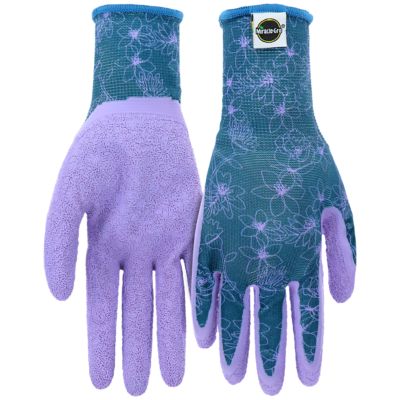
Everyday care helps lightweight gardening clothing stay comfortable through repeated trips between the garden and the laundry room. Soil, plant sap, perspiration, and friction all leave their mark, so wash instructions deserve attention alongside fabric content. Shaking off loose dirt before washing keeps grit from lingering in pockets and seams. Prompt attention to stains, with a treatment suited to the fabric, can help prevent them from setting; heavy scrubbing may be hard on thin fibers or performance finishes. Care labels also spell out whether machine drying, lower heat, or air drying is appropriate. Some moisture-wicking fabrics call for avoiding fabric softener because residue can interfere with their performance. Closing zippers and fastening hook-and-loop tabs before washing can reduce snagging against other garments. Regular checks around knees, pocket corners, and seams can catch small repairs before repeated bending makes them larger. Resistance to everyday wear matters, but lightweight clothing still has limits: thin fabric is not a substitute for task-specific protection around thorns, powered equipment, or garden chemicals. Clothing requirements on equipment instructions and chemical labels take priority over comfort features. For routine garden work, a balanced outfit can pair flexible clothing with gloves that allow a good grip and footwear suited to the footing. A broad-brimmed hat adds coverage beyond a shirt collar, while a secure fit helps keep it from tipping forward during close work. These clothing choices suit backyard vegetable growers, flower gardeners, community garden volunteers, and people tending containers on a porch just as much as those managing longer rows beside a barn. They can also make thoughtful gifts for someone who would rather spend an afternoon planting than sitting indoors. Familiar sizing, preferred sleeve length, pocket habits, and willingness to follow special wash instructions all help shape a useful choice. The best match is clothing that supports the person's usual work, moves easily from one garden task to the next, and feels comfortable enough to reach for again.