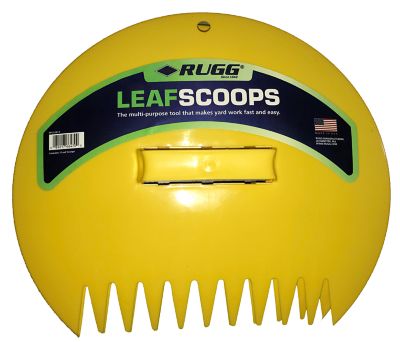
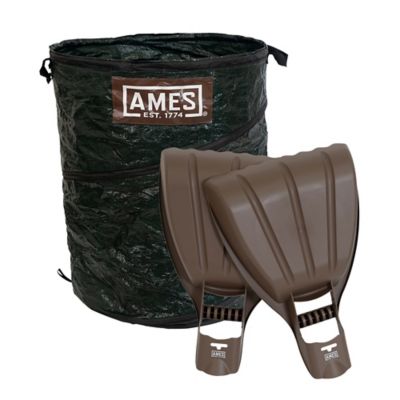
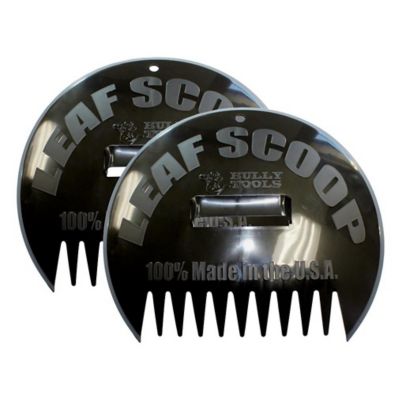
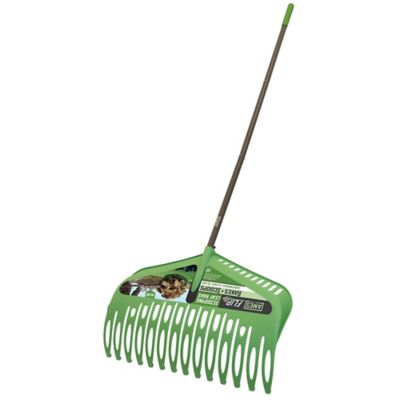
Leaf scoops and collecting claws are handheld yard tools that gather and lift leaves, grass clippings, and other loose yard debris. Often called leaf grabbers or hand scoops, they typically have broad plastic faces, fingerlike teeth, and handles or straps that hold them against your hands. Working as a pair, they extend your reach around a pile and help contain material while you carry it to a bag, cart, or compost bin. They handle the pickup part of cleanup, while a rake brings scattered material together. A
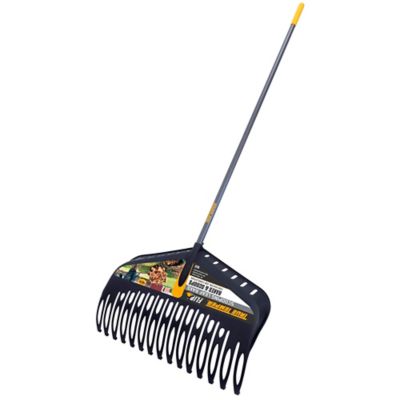
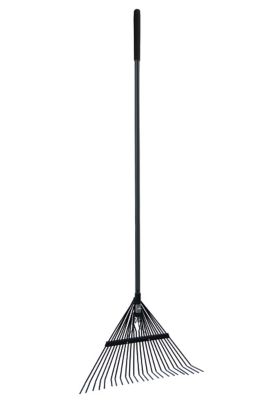
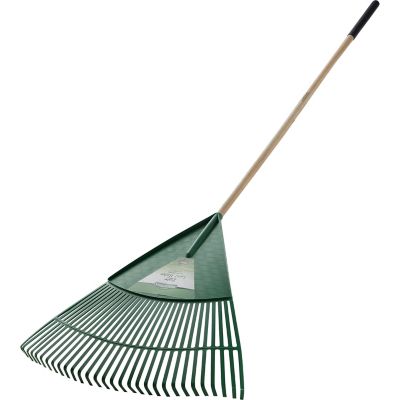
Plastic Leaf Rake helps pull leaves into rows or piles before scoops take over for lifting and loading. That pairing makes sense beneath shade trees, along fence lines, and around outbuildings where leaves tend to collect. Broad scoops can hold more loose material than bare hands, while claw-shaped edges help reach into a pile without needing to pinch every handful. Their open shape also makes it easier to release leaves over a container instead of carrying them tangled around rake teeth. These tools are meant for gathering lightweight material rather than digging, prying, or breaking up packed ground. Dry leaves, small loose twigs, and grass clippings are typical cleanup materials; rocks, thick branches, and heavy soil call for tools built for those jobs. For fall leaf cleanup, the benefit is straightforward: less grabbing at scattered handfuls and a better way to move a fluffy pile from the lawn to its next stop. Around garden beds, scoops can also help collect loose leaves that have settled between open areas of planting, provided there is room to work without catching stems. They are a practical fit for homeowners, gardeners, and anyone keeping a yard, garden, or small acreage tidy. On a property with several trees, their usefulness often comes down to the stretch between making the pile and getting it off the ground, especially when that pile needs to go through a narrow gate or into a waiting yard cart.
The shape and fit of leaf scoops and collecting claws affect how they feel through a full round of yard work. Molded plastic keeps many designs light enough for repeated lifting, while ribs, thicker edges, and reinforced handle connections can help them stand up to everyday handling. A broad face gives loose leaves room to settle, and raised sides can help keep them from slipping away during the walk to a collection spot. Teeth that extend beyond the scoop edge may help draw stray leaves into the load, though tooth spacing changes how readily fine bits fall through. A wider scoop can gather a generous armful, but it also needs enough clearance to fit around a pile and empty into the intended container. That matters when a wide leaf pile has to feed into a narrow yard-waste bag rather than a roomy cart. Handle openings, palm supports, and straps deserve just as much attention as overall width. Hands should have room to settle into position without a hard edge pressing across the knuckles, and a glove can change that fit quite a bit. Room for work gloves is helpful when gathering scratchy leaves and small twigs, although gloves and scoops do not make sharp debris safe to handle. Adjustable straps, where included, can help hold the tool against the hand without requiring a constant tight grip. Smooth handle edges and a comfortable wrist position matter during repeated trips between a pile and a bin. Tool weight is only part of the load: damp leaves can weigh considerably more than dry ones, so the biggest scoop does not always make the easiest carry. Scoops can reduce direct contact with debris and collect more material per handful, but they do not eliminate bending or lifting. Smaller loads may be a better match for someone working around raised beds, managing a narrow walkway, or carrying leaves farther across the property. The most practical fit balances hand comfort, carrying capacity, and the space where the work happens.
Care and storage help keep leaf scoops ready for the next cleanup without turning a simple yard tool into another big chore. Leaf fragments and mud can collect around teeth, ribs, and handle openings, particularly after gathering damp material near a compost pile. A rinse and time to dry generally make storage tidier, while any cleaning directions supplied with the tool take priority. Straps and fasteners need attention too, since trapped grit can make adjustment harder and leave the tool uncomfortable against a glove. Before another round of lifting, a quick check for split plastic, rough edges, loose fittings, or a cracked handle connection can catch wear that might otherwise show up with a full load in hand. Plastic tools are best kept away from open flames, hot equipment, and places where they could be crushed beneath heavier gear. Extended sun exposure can also take a toll on some plastics, making a sheltered spot in the shed or garage a sensible home between jobs. Cold can make some plastics less forgiving of hard knocks, so striking a scoop against a frozen surface is different from lifting a loose pile of leaves. Nesting shapes and hanging openings, when part of the design, can help keep a pair together and clear of the floor. That is handy in a shed already holding rakes, shovels, buckets, and garden supplies. Matching the tool to the task matters just as much as storage: collecting loose leaves is different from scraping a driveway or hauling stones, and scoop edges are not substitutes for shovel blades. For a gardener, a new homeowner, or a neighbor who spends plenty of time tending the yard, leaf scoops can make a useful gift alongside work gloves or other cleanup gear. Their appeal is simple and practical: a pair of easy-to-store tools that helps turn sprawling piles into manageable loads, whether the destination is a compost heap behind the garden or a collection container beside the shed.