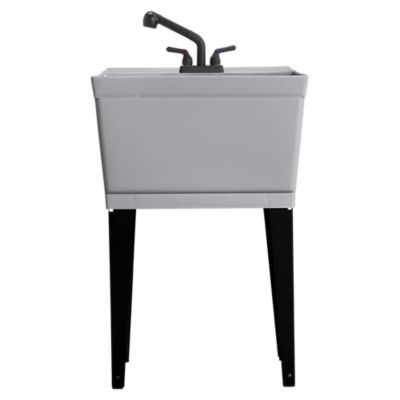
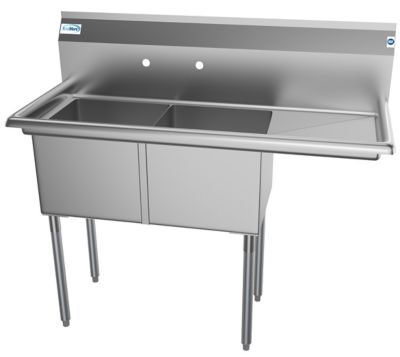
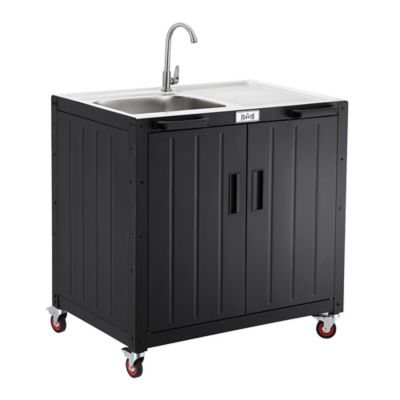
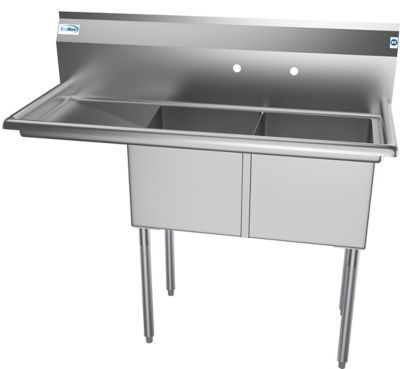
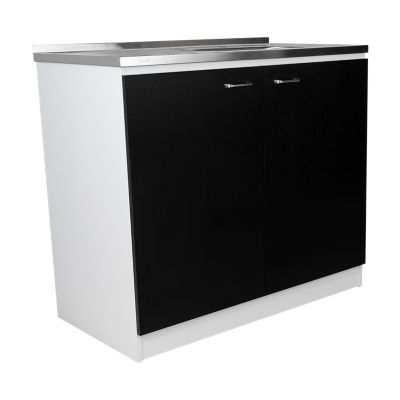
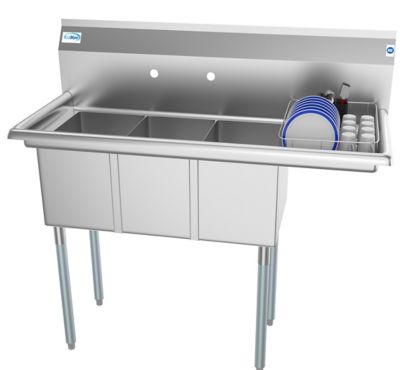
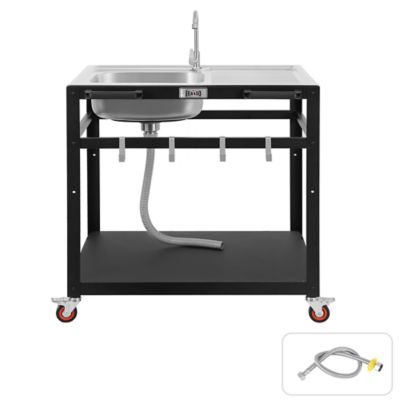
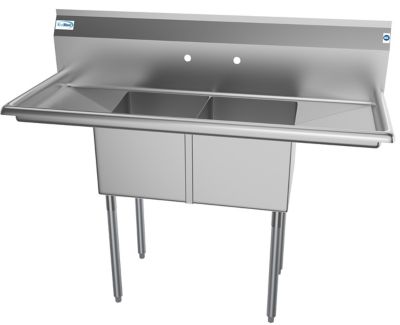
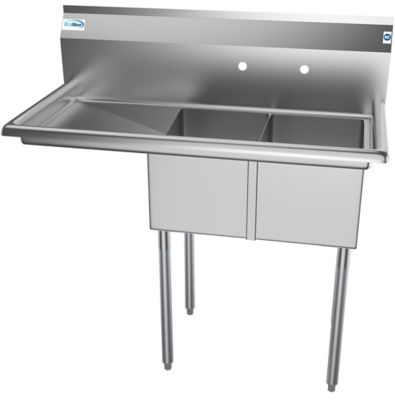
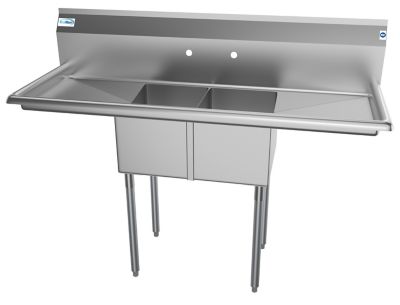
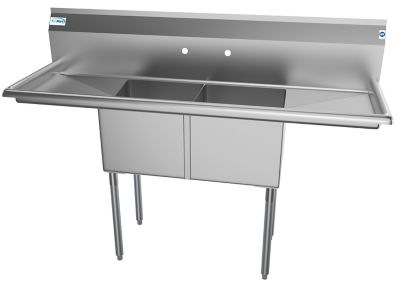
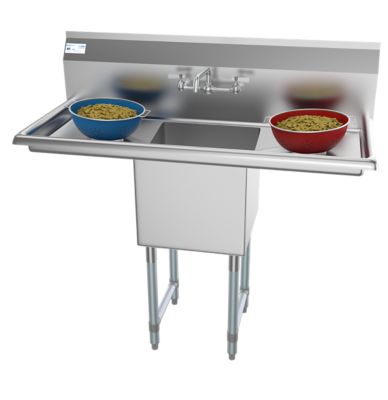
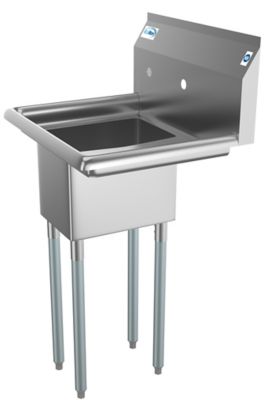
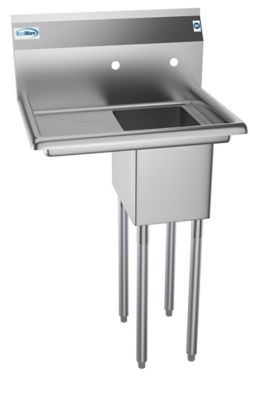
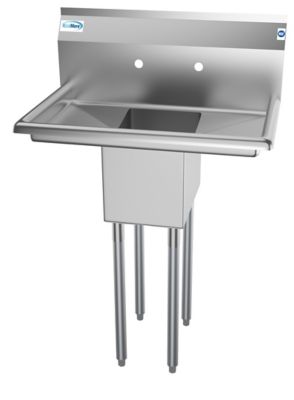
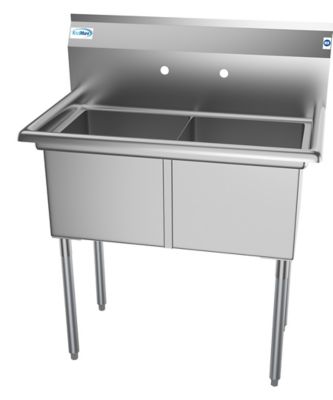
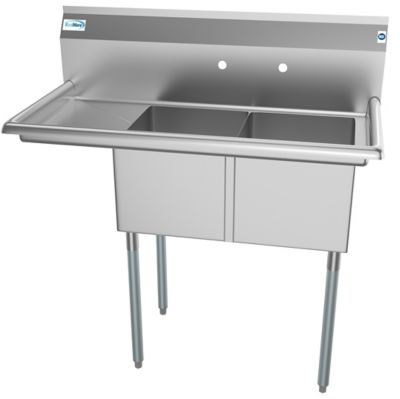
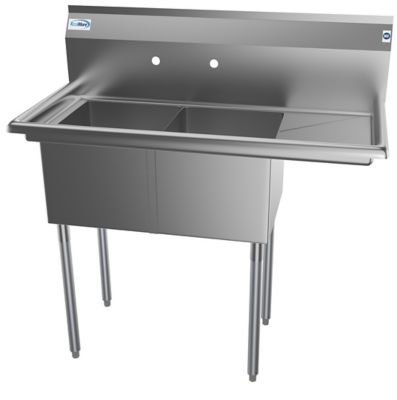
Utility sinks for laundry rooms give messy chores a place of their own, with room to soak work clothes, rinse mop heads and fill a bucket without crowding the kitchen sink. A deep laundry tub is especially handy in a home where chore clothes, garden gloves and muddy towels are part of the regular wash. The basin holds soaking water away from food preparation areas and gives you somewhere to rinse washable fabrics before they reach the washing machine. Freestanding utility sinks, wall-mounted basins, countertop sinks and sink-and-cabinet combinations suit different laundry room layouts. A freestanding tub leaves the plumbing accessible and can fit a straightforward work area beside the washer. Wall-mounted sinks keep the floor beneath them open, though the wall and mounting hardware must support the fixture’s specified load. Drop-in sinks rest on the countertop around a cutout, while undermount sinks attach beneath a compatible counter for an uninterrupted edge around the opening. Sink cabinets enclose the plumbing and provide storage, making them a practical fit when the laundry room also serves as a household cleanup station. Basin dimensions matter more than the overall footprint alone. A broad opening can accommodate a mop bucket or a bulky washable blanket, while a narrower, deeper bowl may suit a small room where floor space is tight. Basins around 10 to 12 inches deep can provide useful soaking room and help contain splashes, although capacity and performance depend on the sink’s full dimensions, faucet position and water flow. Greater depth also means reaching farther down, which matters when scrubbing several shirts or lifting a water-filled container. For households with small pets, a laundry sink may offer a convenient bathing spot when the basin size, weight rating and secure footing are suitable. A utility sink earns its place by matching the chores that happen most often, whether that means soaking stained baseball pants or rinsing a scrub brush after cleaning the porch.
Material affects the weight, feel and upkeep of a laundry room utility sink. Molded polypropylene and other plastic basins are relatively light, and their deep, one-piece shapes work well for everyday soaking and rinsing. Their surfaces can scratch, so rough tools, abrasive pads and heavy objects call for care. Stainless steel brings a nonporous surface that is easy to rinse after handling dirty laundry or cleaning supplies. Steel thickness, basin construction and sound-deadening features can influence how solid the sink feels and how much noise running water makes. Stainless steel can show water spots and scratches, and prolonged contact with bleach or certain other chemicals can damage it. Acrylic sinks offer a smooth surface but require cleaners and cleaning tools suited to their finish. Composite sinks vary in their ingredients and performance, making the manufacturer’s directions important when comparing resistance to stains, impacts and heat. Enameled cast iron is heavy and needs substantial support; its hard finish also deserves protection from dropped objects that could chip it. No material makes a laundry sink a catchall for every barn or workshop cleanup job. Paint, solvents, pesticides, petroleum products and other hazardous substances need disposal methods that follow their labels and local requirements, not a trip down the laundry drain. Shaking loose dirt outdoors and removing grit or solid debris before rinsing helps keep sediment out of household plumbing. A drain strainer can catch lint, threads and other debris, but it still needs regular emptying. Day-to-day care is usually simpler when the basin is rinsed after each task and cleaned with a product approved for its surface. Leaving damp metal objects in the bowl can create marks, while letting strong cleaning solutions sit longer than directed may harm the finish. For a sink that sees frequent chores, resistance to wear comes from the whole setup: a suitable basin material, secure supports, sound plumbing connections and cleaning habits that protect the surface.
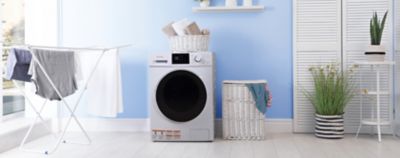
Fit goes beyond finding an empty spot beside the washing machine. A laundry room sink needs enough clearance for appliance doors, nearby drawers and the person standing in front of it with a full basket. The sink’s outside dimensions, bowl dimensions and installed height all shape how comfortable it is for daily work. In a tight laundry room, even a few inches can determine whether a hamper passes easily or catches on a corner. Countertop models also need the correct cutout, adequate support and clearance beneath the bowl for the drain assembly. Existing water lines and drain locations affect installation, and a utility sink needs a properly trapped and vented drain that meets local plumbing requirements. A nearby washer drain does not automatically make a sink connection straightforward. Faucet compatibility deserves the same attention as basin size: mounting holes, hole spacing and the difference between deck-mounted and wall-mounted fixtures determine what fits. A taller spout can leave room for a bucket, while a pull-down or pull-out sprayer helps direct water around the bowl and rinse soap from bulky fabrics. Spout reach matters, too, because water aimed too close to the rim can splash onto the floor. Some sinks include a faucet and drain components, while others require separate fittings, so the contents listed for a fixture matter when planning the complete setup. Around the sink, a little clear counter space provides a landing spot for a laundry basket or a bottle of stain treatment. Nearby
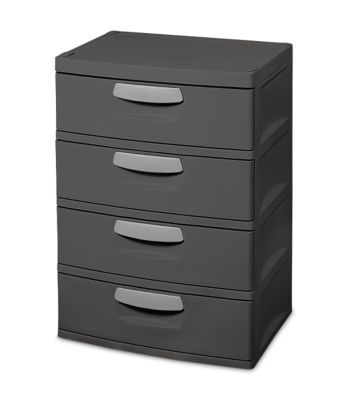
Storage Cabinets for Laundry Rooms can keep detergent, cleaning cloths and brushes organized without filling the sink’s working area. Household chemicals belong in their original labeled containers and out of reach of children and pets, with locking storage when needed. A towel within reach and an open path between the sink and washer make the space easier to work in. With the basin, faucet and surrounding storage suited to the room, a laundry utility sink becomes a practical stop between a dirty job and a fresh load of wash.