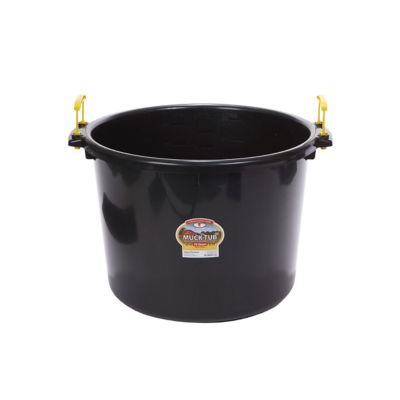
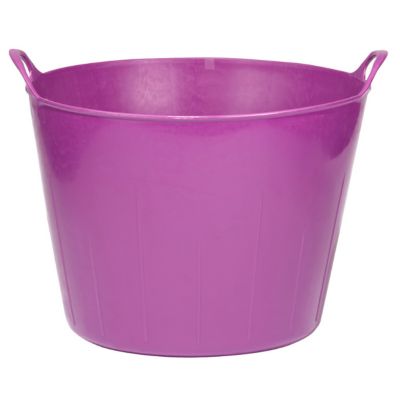
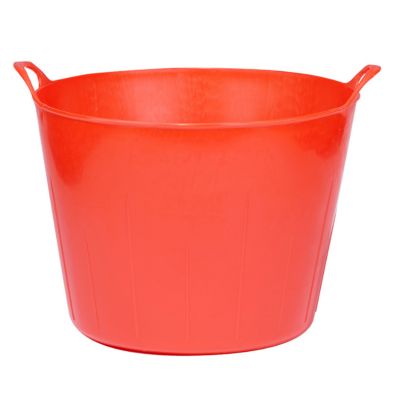
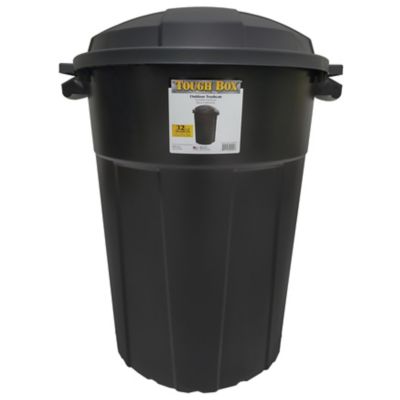
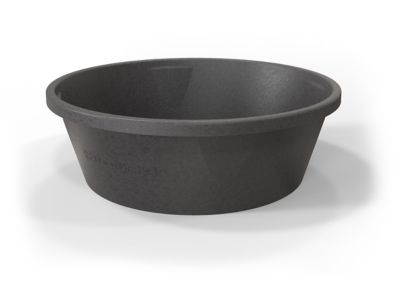
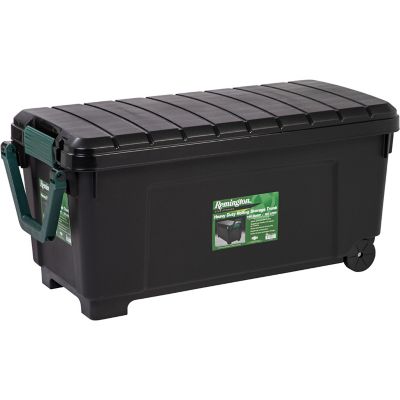
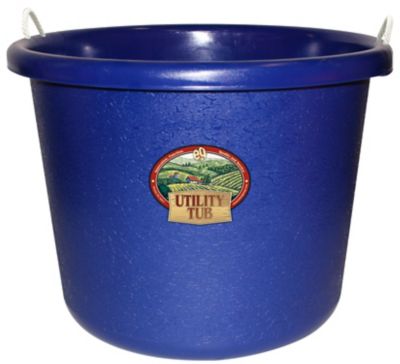
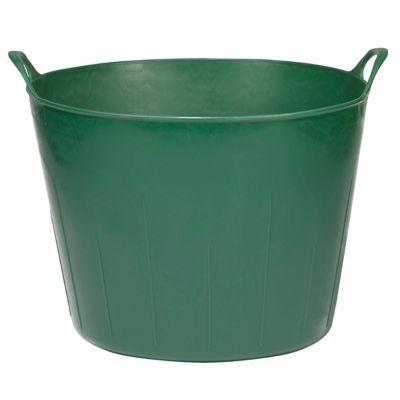
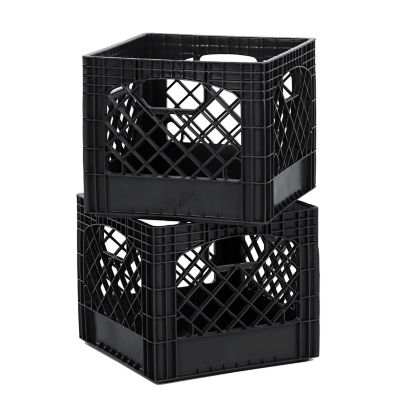
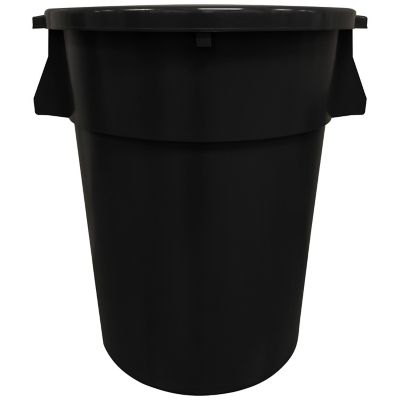
Large plastic tubs with handles earn their spot in a barn, garage, mudroom, or laundry area by making everyday hauling and sorting a little less of a chore. Their open tops leave room for awkward loads, while the handles give you something to grab when it’s time to move from one job to the next. Picture the shuffle at the back door: muddy boots coming off, work gloves landing beside them, and a handful of outdoor toys that need somewhere to go before supper. A roomy tub helps gather that loose gear in one place without turning cleanup into a whole project. Around a small farm or acreage, these containers can help carry grooming supplies, collect pulled weeds, or keep brushes and cleaning cloths together. In the house, they fit naturally into laundry routines, playroom pickup, and closet sorting. Gardeners, livestock owners, busy families, and folks who spend their weekends working outside can all find reasons to keep one within reach. The right shape depends on what usually ends up in your hands. A wide opening makes it easier to load leafy trimmings or reach for supplies near the bottom, while taller sides can help contain a pile of towels or loose equipment. Round tubs offer easy access from different angles; rectangular shapes may sit more neatly along a wall or beneath a workbench. Flexible sides can give a little around an uneven load, while a more rigid tub holds its shape for organizing. Neither style is the best fit for every chore, and that’s worth keeping in mind when comparing options. During the cooler months, an open tub near the entryway can also catch damp outdoor gear before it spreads across the floor. Wet contents still need to come out for drying, but having a landing place makes the trip from the truck to the house feel a good bit more orderly.
Size matters, but the largest tub isn’t always the easiest one to live with. Capacity tells part of the story; outside dimensions, empty weight, and the shape of the opening tell the rest. Check the space where the tub will sit, including shelf clearance and the width of any doorway it needs to pass through. If it will ride in a utility cart or vehicle, measure that spot, too. A tub that fits the chore but won’t fit through the mudroom door without turning sideways can become a daily nuisance. Think about the loaded weight before settling on capacity. Water weighs about 8.3 pounds per gallon, so even a partly filled large tub can quickly become more than one person should carry. Soil, wet laundry, and damp yard clippings add weight fast as well. For regular hauling, a manageable load is more useful than filling every inch of space. Handle placement and grip deserve a close look, especially if you tend to work in gloves. Molded handles, cutout grips, and rope handles each feel different in the hand, and their comfort depends on the load and how far you’re carrying it. Check the stated load limit when one is available, and look at how the handles attach to the body. A reinforced rim can help support the opening, but it doesn’t replace following the manufacturer’s weight guidance. Material details matter just as much as size. If a tub will spend time outdoors, look for information about sunlight exposure and temperature limits rather than assuming all plastic performs the same. Cold can make some plastics more brittle, and water left inside can expand as it freezes. For feed, drinking water, or direct food contact, choose a container expressly intended for that purpose. A general storage tub shouldn’t stand in for a food-contact or animal-watering container without that designation.
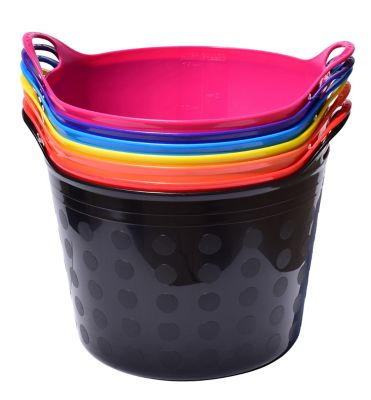
The best setup usually follows the way a household or property actually runs, not the way an empty storage room looks on moving day. A tub stationed beside the garden shed saves steps when gloves, kneeling pads, and small supplies need to travel together. Another near the laundry area can hold work clothes until wash time, while one in the garage can gather sporting gear that otherwise rolls underfoot. Keep containers for animal care, household laundry, and messy outdoor work separate, especially when cleaning products or chemicals are involved. Color choices can make that separation easier to remember, and a clearly marked label helps everyone put things back where they belong. Light-colored interiors may make small contents easier to spot; darker colors may be more forgiving of visible soil. If space gets tight between chores, check whether empty tubs nest together and how easily they pull apart. Nesting and stacking aren’t the same thing, so don’t assume an open tub can safely support another loaded container. For belongings that need a covered storage option,
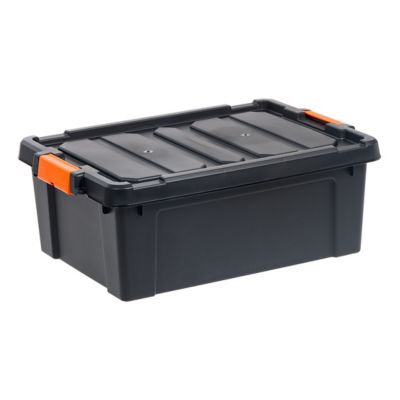
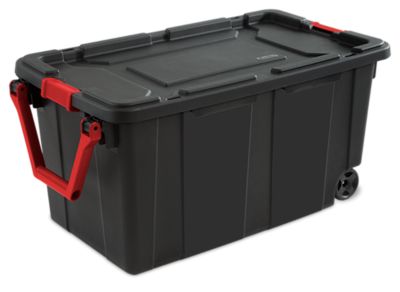
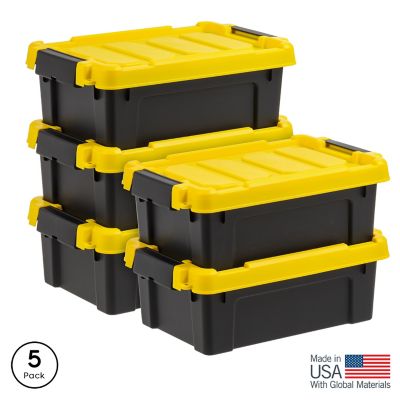
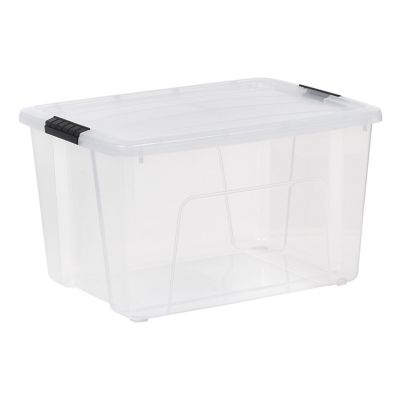
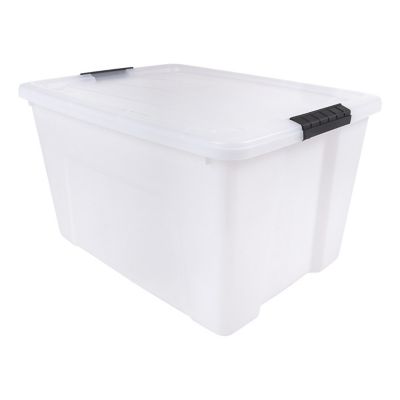
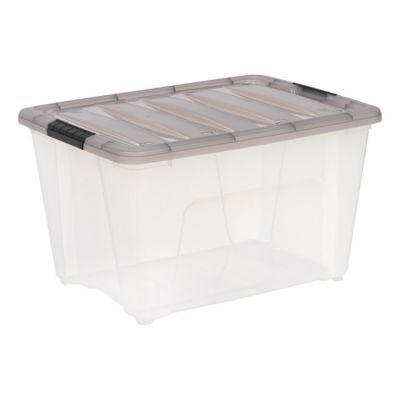
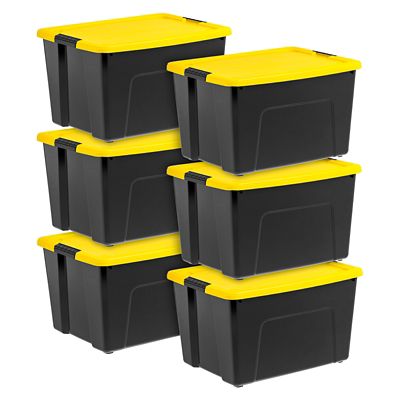
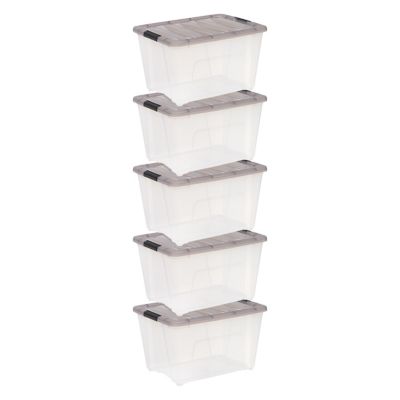
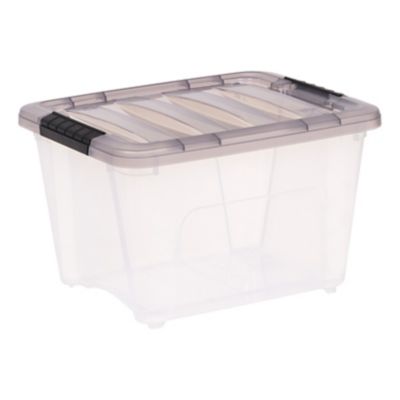
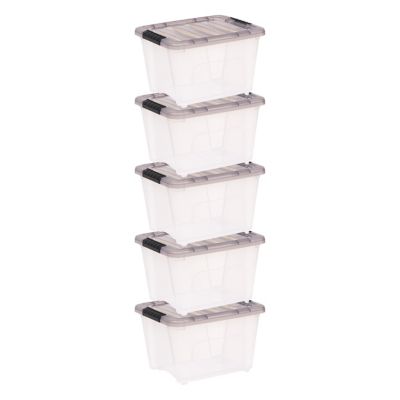
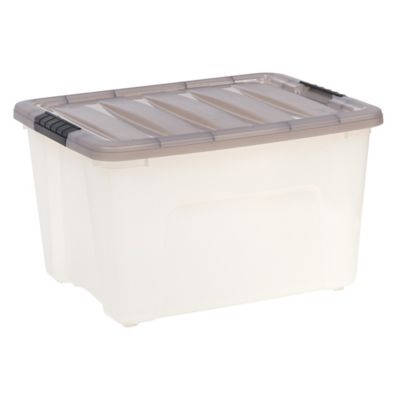
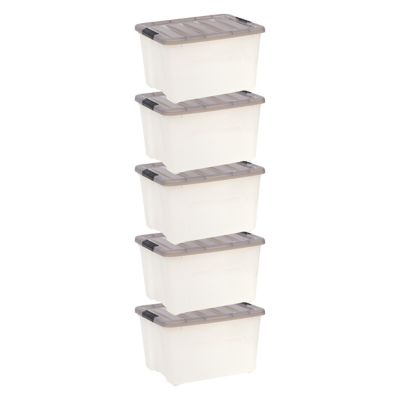
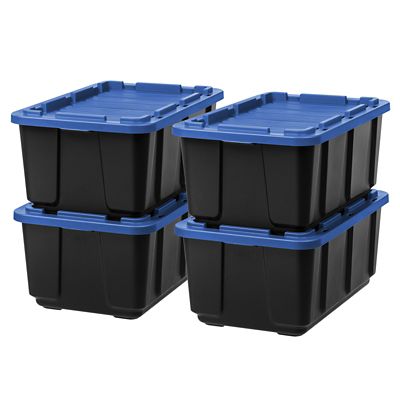
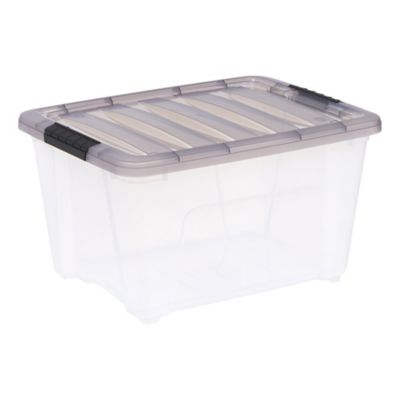
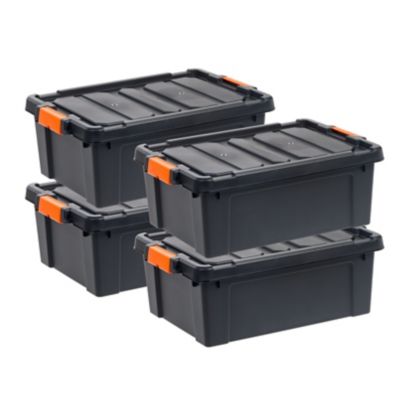
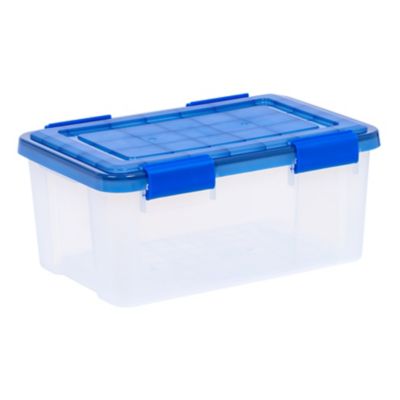
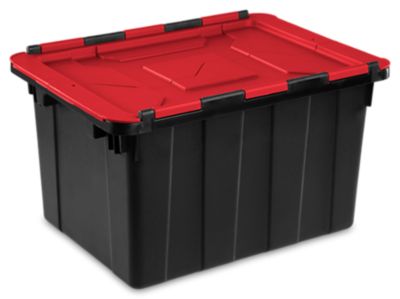
Heavy Duty Storage Bins With Lids are worth considering alongside open tubs, with closure style and any moisture or pest-resistance claims checked separately. Open containers are especially handy for supplies you reach for often, but they won’t keep out dust, rain, or curious animals. After a muddy job, smooth interior surfaces can make rinsing simpler; follow the care directions and let the tub dry before putting away moisture-sensitive contents. Avoid dragging a loaded tub across gravel or rough concrete, since abrasion can wear the bottom, and inspect handles and rims for cracks before lifting. For someone settling into a new home, tending a garden, or taking on more barn chores, a practical tub can also make a thoughtful gift, particularly when its size suits a space they already have. There’s nothing fussy about it: just a useful place for the things that need carrying, gathering, or keeping close at hand. Pick for the work, the available space, and the weight you’re comfortable moving, and a large plastic tub with handles can fit into the daily rhythm from the first outdoor chore to the last cleanup at the back door.