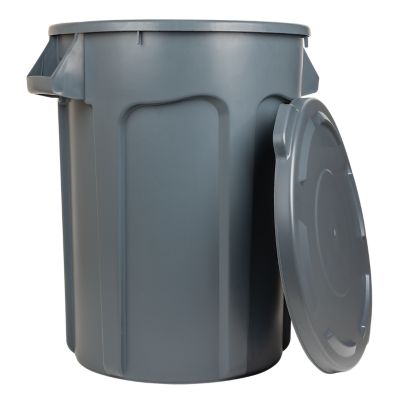
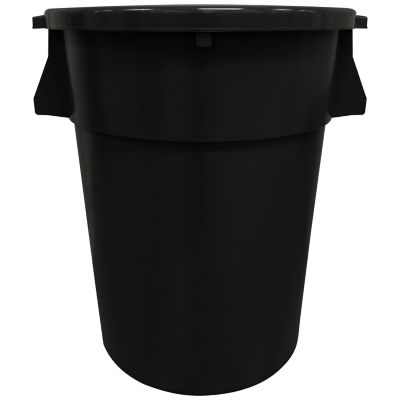
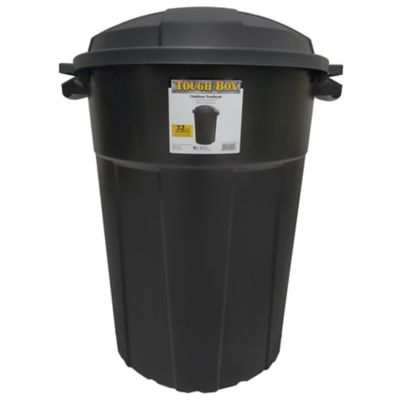
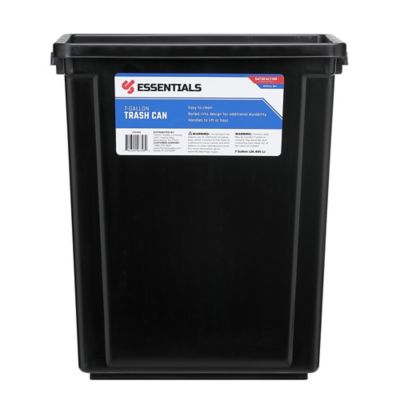
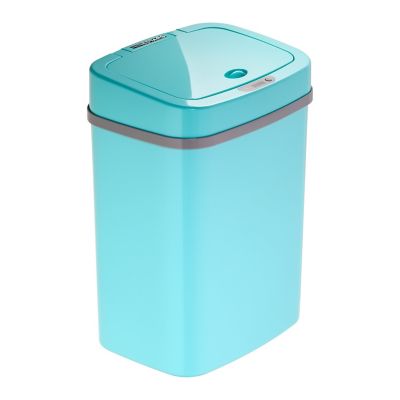
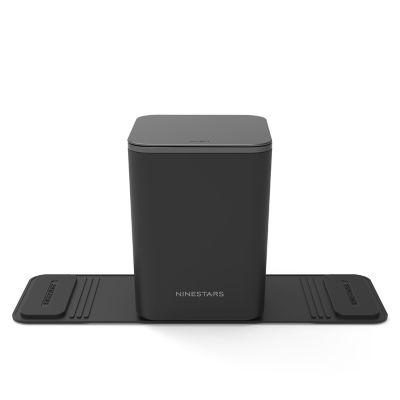
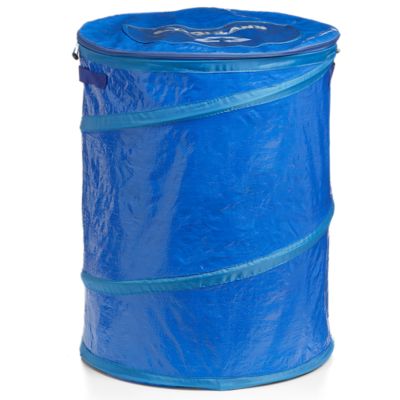
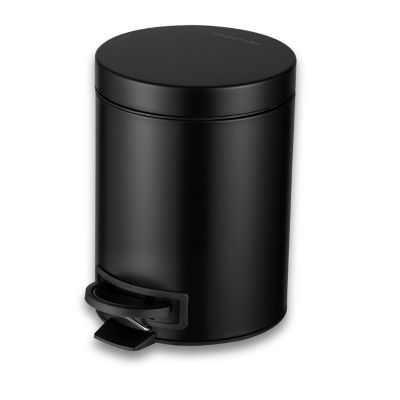
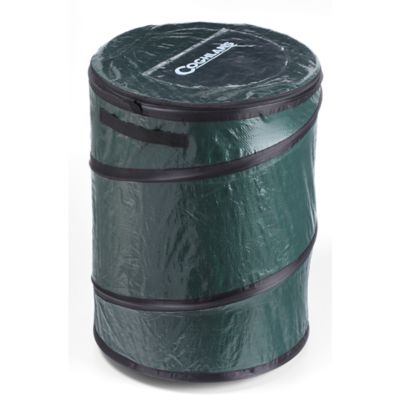
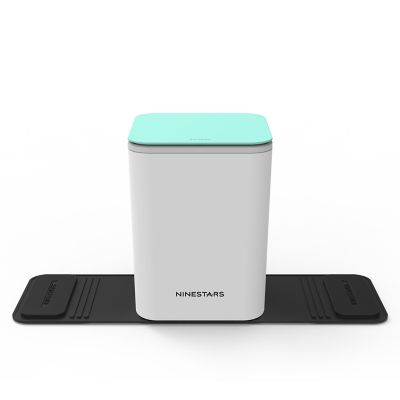
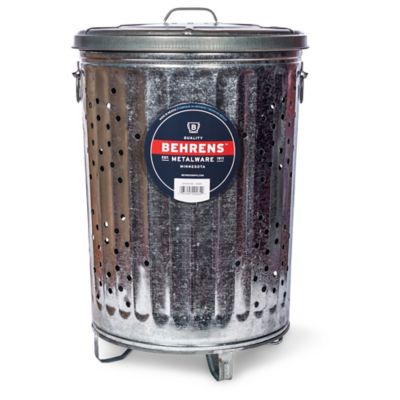
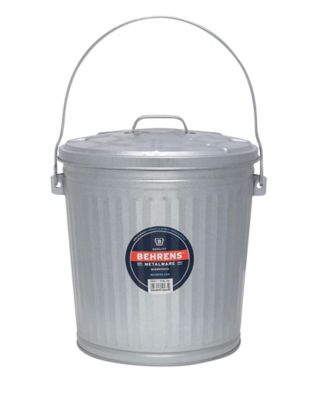
Heavy-duty plastic trash cans are sturdy waste containers designed for repeated loading, emptying and cleanup around homes, farms, garages, workshops and job sites. Many have bodies made from polyethylene or other molded resins that resist everyday impacts while keeping the container’s empty weight manageable. Plastic will not rust, but resin formulation, wall thickness and construction still affect how well a can stands up to regular chores. Reinforced rims help openings hold their shape, while strengthened bases help handle the wear that comes with setting a loaded container down on concrete. For a garage corner, the daily load might be packing paper, empty feed sacks and floor sweepings. Around a busy shop, a trash can may need room for break-room waste and the steady stream of packaging left after supplies are unpacked. Capacity is usually listed in gallons, which describes volume rather than the weight a container can safely carry. A 20-gallon can and a 32-gallon can offer different amounts of space, but the larger size is not automatically a better fit. Loose wrapping fills a container quickly without weighing much; damp grass clippings or dense debris can make the same container difficult to move before it reaches the rim. The manufacturer’s load limits and intended applications matter more than gallon capacity alone. Overall height, width and shape matter, too, especially beside a workbench, beneath a counter or near a narrow doorway. Round cans offer an open shape for bagged waste and loose scraps, while rectangular or slim-profile containers can fit closer to walls and work areas. Enough clearance above the opening keeps a lid from hitting a shelf, and room around the base makes everyday sweeping less of a chore. A well-fitting trash can keeps cleanup close to where the mess happens without crowding the path between a workbench, utility sink and door.
Handles, lids and wheels make a real difference once a heavy-duty plastic trash can becomes part of the daily routine. Molded-in handles provide places to grip when lifting or tipping, while a lower handhold can help with controlled emptying when the container’s design allows it. Handle openings need enough room for a gloved hand, particularly in a workshop where gloves stay on through several chores. A lid helps cover the contents and contain loose scraps, but lid styles serve different needs. Lift-off lids leave the full opening clear, hinged lids stay attached during emptying, and locking designs provide a more secure closure than a loose-fitting top. A closed lid does not make an ordinary trash can animal-proof, so food scraps still call for careful placement and a closure suited to the setting. Matching the lid to the exact container model helps prevent gaps and a poor fit; gallon size alone does not establish compatibility. Wheeled plastic trash cans can ease trips from a shop or outbuilding to a collection area, especially when carrying a full can would be awkward. Wheel size, axle construction and handle position affect how the container moves, while gravel, thresholds and uneven paths call for more consideration than a smooth concrete floor. A stationary can may make more sense where waste is bagged and carried away separately. Inside the container, venting channels can reduce the suction that makes a full liner hard to pull free. Bag-retention features can help keep the liner’s edge from slipping into the can under everyday waste. Liner fit depends on the opening’s circumference and the container’s depth, not just the gallon number printed on the bag box. A bag that stretches tightly over the rim can tear during removal, while one that hangs too far into the bottom may slide down as scraps go in. These small fit details matter most at the end of a long chore, when taking out the trash ought to be straightforward.
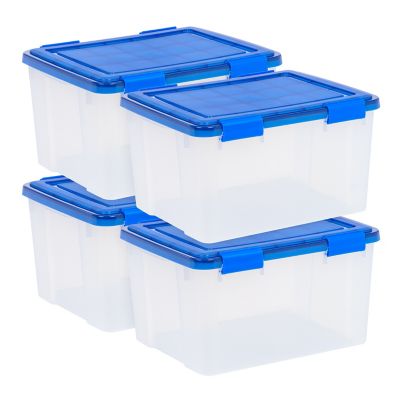
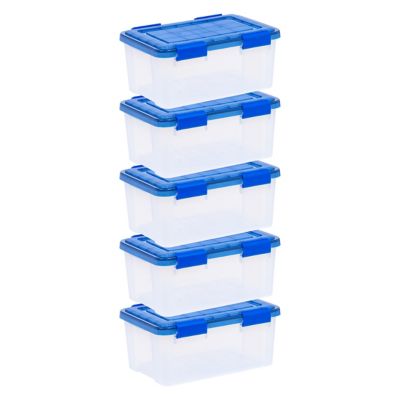
Routine care helps heavy-duty plastic trash cans stay ready for the next cleanup. Smooth interior walls are generally easier to rinse than deep creases, though residue can still collect beneath the rim, around lid grooves and near handle recesses. Mild soap, water and a brush suited to the surface are a practical starting point, with the manufacturer’s cleaning directions taking priority. Emptying leftover liquid and allowing the inside to dry before adding a fresh liner can help limit lingering odors. Lids, wheels and axles need attention as well: packed dirt around a wheel or scraps trapped beneath a lid can interfere with everyday operation. Checking for cracks, split handles and worn wheel attachments helps catch trouble before the next full load. Even a thick plastic body has limits, and a trash can is not a substitute for a container rated for hazardous materials, hot ashes, embers or incompatible chemicals. Sharp scraps and broken glass need suitable containment rather than being dropped loose into a flexible liner. Food and livestock feed belong in containers specifically intended for that purpose, not in a waste can simply because it has a snug lid. For keeping supplies or reusable materials separate from the trash,
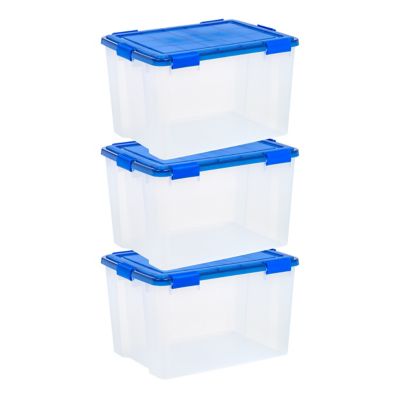
Heavy Duty Plastic Bins offer another category worth considering, with each container’s intended use and storage requirements still guiding the choice. Separating trash from recycling also helps keep a busy garage, barn utility area or small business workspace easier to manage. Clearly marked containers give family members and crews a consistent place for cardboard, bottles or general waste, subject to local collection rules. For curbside service, container dimensions, filled weight and lifting compatibility need to match the hauler’s requirements. From a single can beside the potting bench to several containers along a shop wall, the most useful setup balances capacity, comfortable handling, straightforward cleaning and enough room to get the work done.