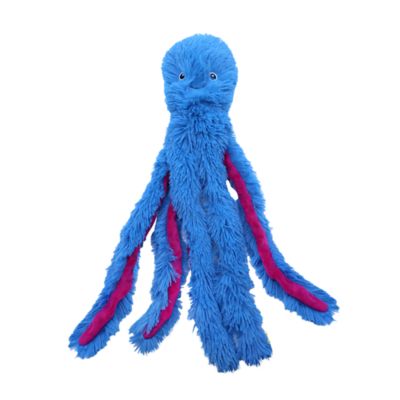
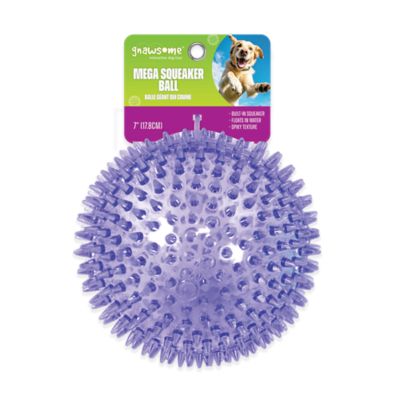
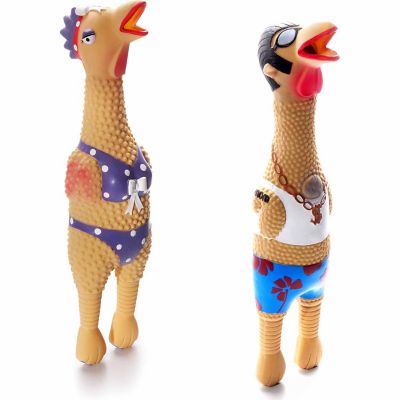
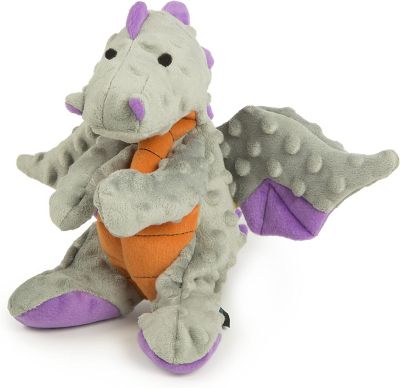
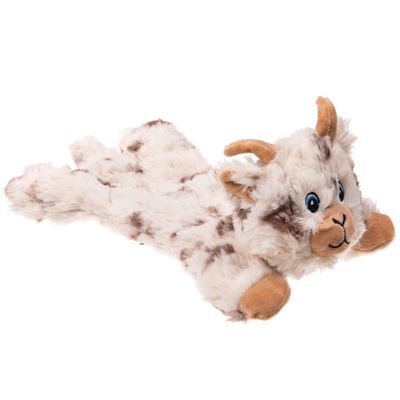
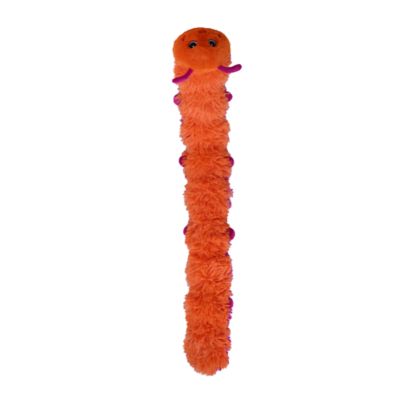
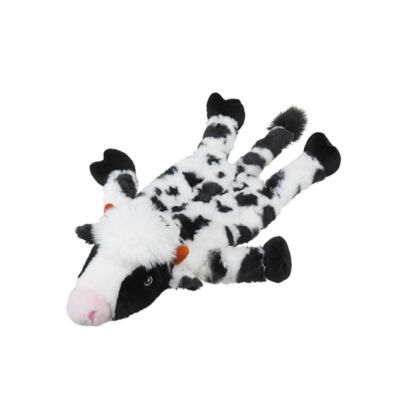
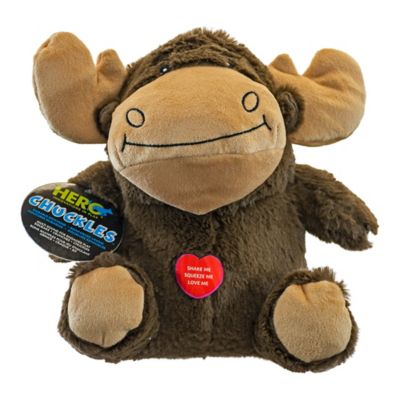
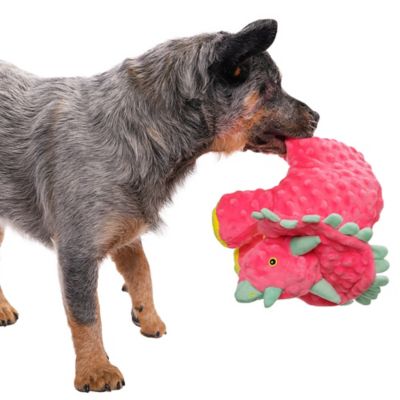
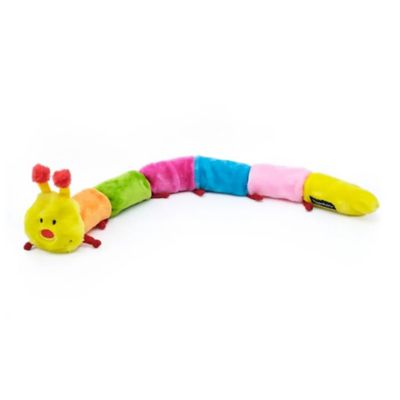
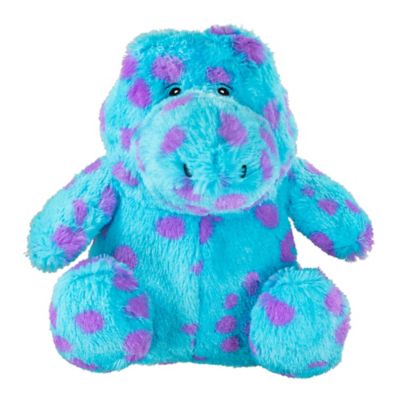
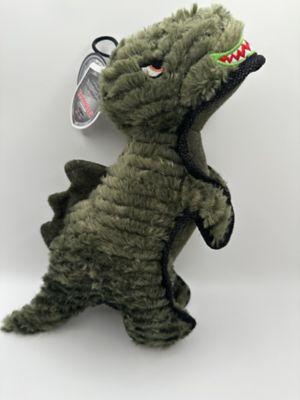
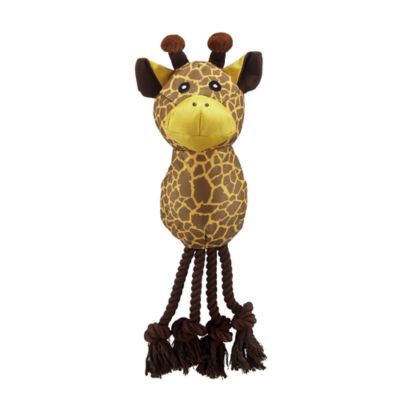
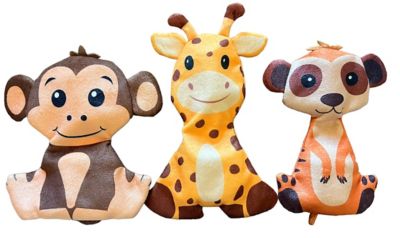
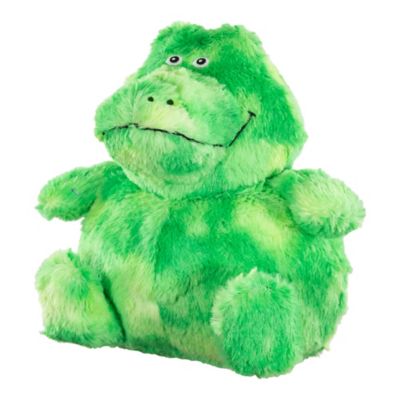
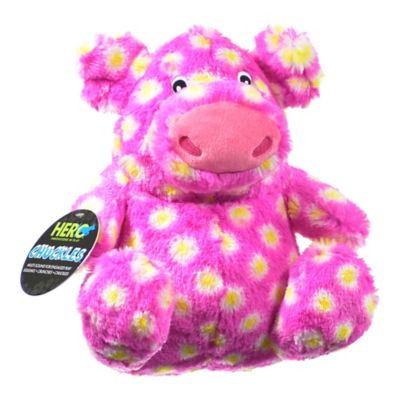
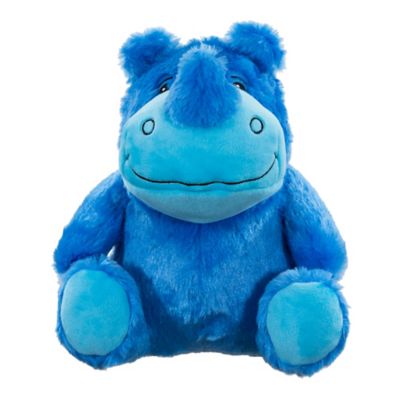
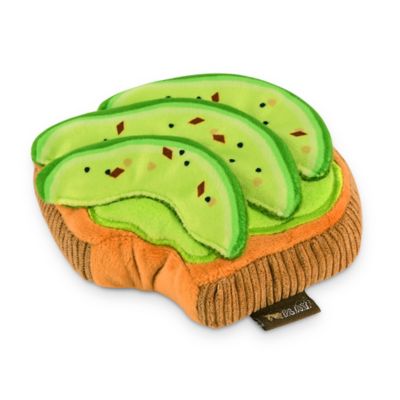
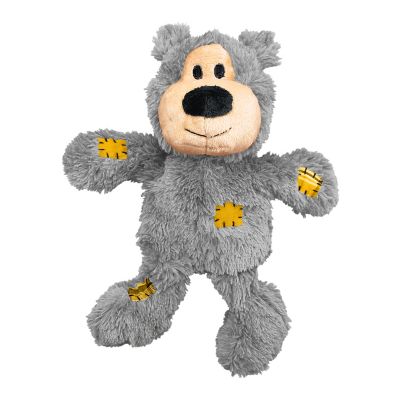
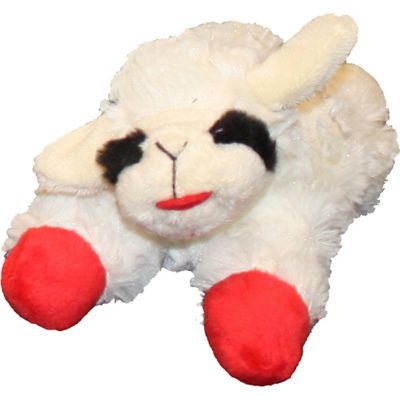
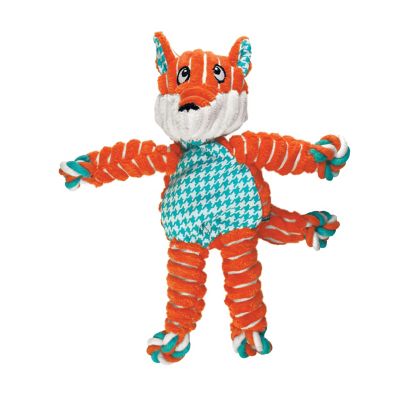
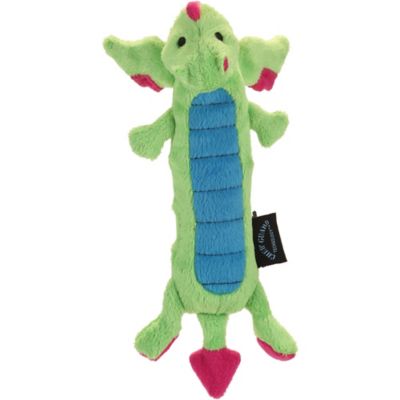
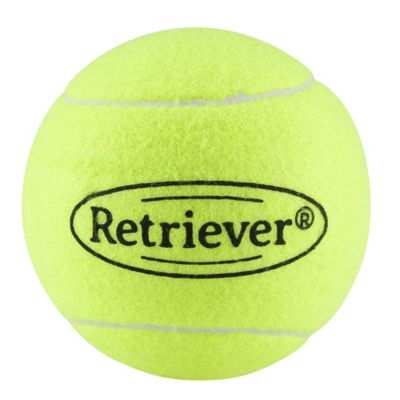
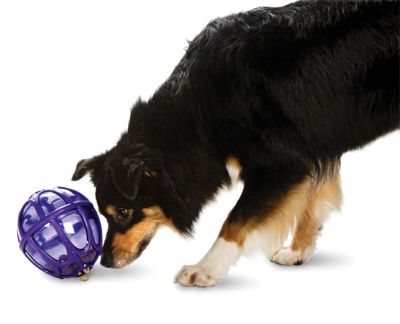
Large squeaker dog toys give bigger dogs something substantial to chase, carry, shake, and bring back for another round. The sound adds a little excitement to a familiar game, whether a dog is trotting across the yard with a rubber ball or proudly carrying a soft toy from the living room to the back door. For many dogs, a squeak makes a toy worth investigating and helps hold their interest during play with their person. Others prefer a quieter sound or lose interest once the noise stops, so sound level matters alongside size and texture. The best match balances a size suited to the dog’s mouth, construction that fits their chewing habits, and a shape that works for the games they enjoy. Large sizing helps reduce swallowing and choking risks, but the word “large” on a label is only a starting point. Overall dimensions, the width of the main body, and how much the material compresses all matter. A long plush toy may fold into a much smaller bundle, while a narrow squeaky toy may fit too far into a broad mouth despite its length. A suitable toy should be too large for the dog to swallow or fit entirely inside their mouth, while still being manageable to pick up and carry. Labels such as jumbo and extra-large can help narrow the selection, but measurements and the dog’s actual build tell more than a size name alone. That distinction matters for broad-jawed dogs, lanky retrievers, and growing puppies whose toy needs change as they mature. Rounded shapes often suit fetch, while longer shapes give gentle carriers more to hold. For a dog that likes to parade around with a toy after chores are finished, comfort may matter more than a loud squeak. For a dog that pounces and shakes, secure construction and close supervision deserve more attention. Choosing around those everyday habits makes more sense than choosing by appearance alone.
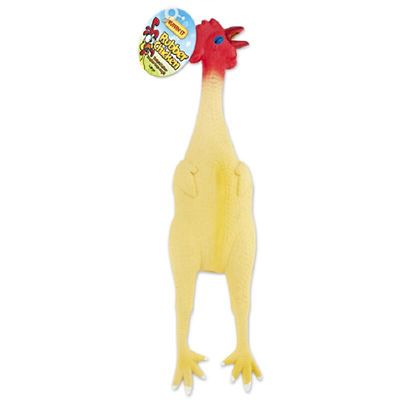
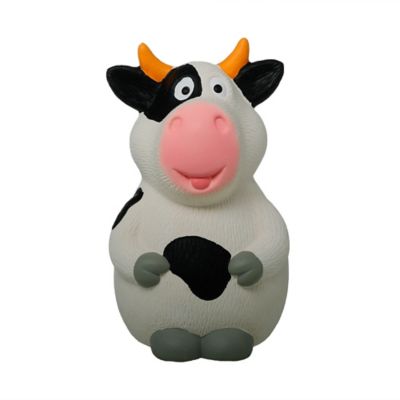
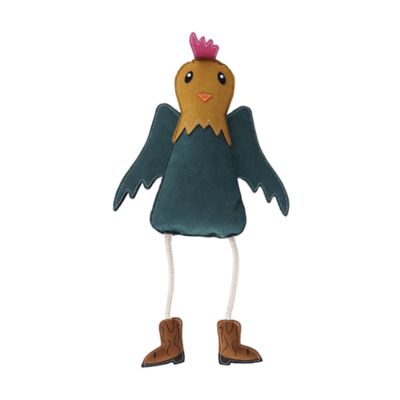
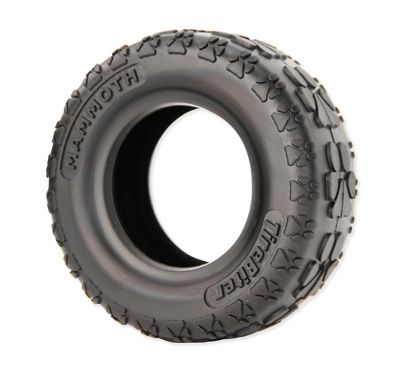
Materials make a big difference in how large squeaky dog toys feel and hold up during play. Plush styles offer a soft surface for dogs that carry, nuzzle, or settle down beside a favorite toy. Some have filling, while others have little or none; either way, the fabric and internal squeaker still need attention if a dog starts pulling pieces loose. Reinforced seams and layered fabric can help a plush toy withstand ordinary handling, but they do not make it suitable for every chewer. A dog that gently retrieves a stuffed toy puts very different stress on it than one that pins it between their paws and works on a single seam. Molded rubber toys offer another feel, with flexible walls that may squeak when squeezed and shapes that can bounce or roll during fetch. Rubber thickness, flexibility, and construction vary, so the material name alone does not tell how well a toy will stand up to a particular dog. Softer latex styles may appeal to dogs that enjoy an easy squeeze, but thin material can be a poor match for forceful chewing. Dogs that tear through squeaky toys need closer supervision and may be better suited to a separate chew toy designed for their chewing strength. Puncture-resistant squeakers and reinforced designs can extend play, but no squeaky toy is indestructible. The squeaker’s placement matters, too: a well-enclosed sound component is preferable to an exposed part that a dog can grab. Even then, a determined chewer may reach it. Squeaky toys are generally a better fit for supervised fetch, carrying, and shared play than unattended chewing. A broad rubber shape can suit short tosses across open space, while a soft shape may be easier on household furnishings during indoor play. Tug play calls for a toy specifically intended for tugging, rather than a plush limb or thin section that happens to make a convenient handle. The right construction supports the game instead of asking one toy to do every job.
Care and regular checks help keep large squeaker dog toys ready for the next play session. After a muddy retrieve or a slobbery game of fetch, cleaning should follow the toy’s care instructions rather than a single routine for every material. Some rubber toys can be washed with mild soap and water, while certain plush toys allow machine washing; neither method applies to every design. Rinse away soap, let the toy dry thoroughly, and check that the squeaker still works as intended before returning it to play. Water trapped inside a squeaky toy can be difficult to drain, so avoid soaking unless the care instructions allow it. A quick inspection before and after play can catch split seams, loose threads, missing chunks, exposed filling, or a sound component working its way free. Take a damaged toy away promptly rather than letting a dog finish tearing it apart. If a dog swallows a squeaker or another toy part, contact a veterinarian promptly for advice. Putting squeaky toys away between supervised sessions also makes it easier to notice wear and keeps a determined chewer from settling in with one unnoticed. Rotating a few suitable toys can offer different textures and sounds without leaving every toy within reach at once. These toys can also make a thoughtful gift for a large-dog household when the choice reflects the dog’s size and play style. A soft carrier may suit a dog that greets visitors with something in their mouth, while a substantial fetch shape may better suit a dog that keeps dropping a ball at someone’s boots. Checking with the person who cares for the dog helps avoid a sound they find overwhelming or a material their dog routinely shreds. For a broader look at play options beyond squeaky styles,
Best Dog Toys offers more to consider. A well-matched large squeaker toy earns its place through games the dog enjoys, sensible care, and plenty of shared play.