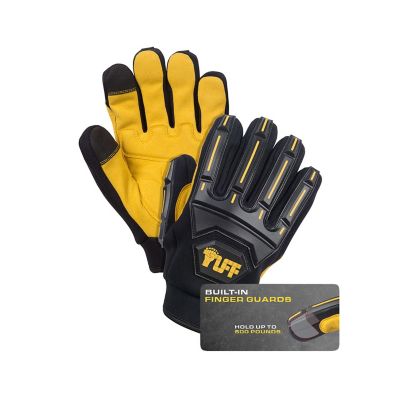
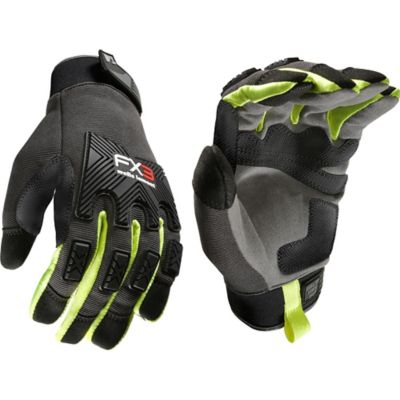
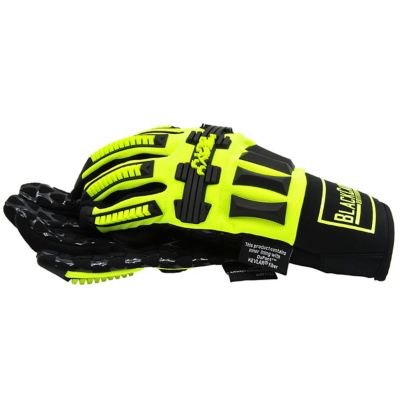
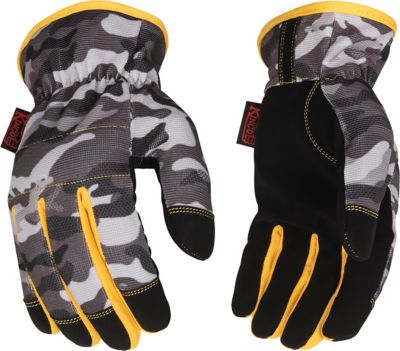
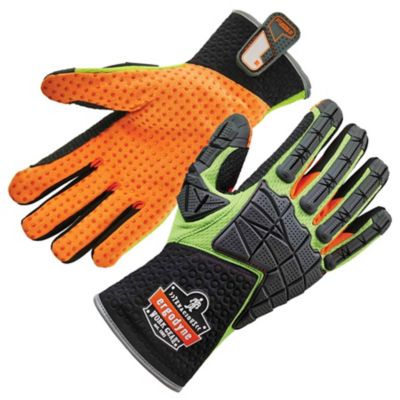
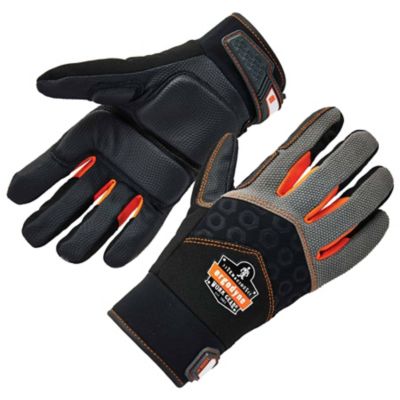
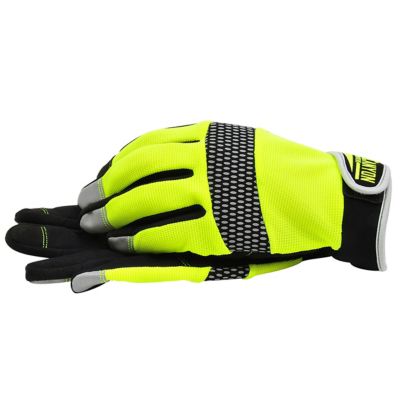
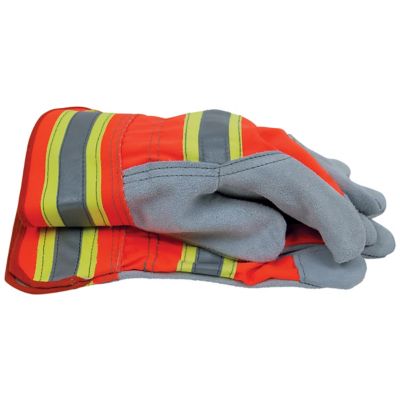
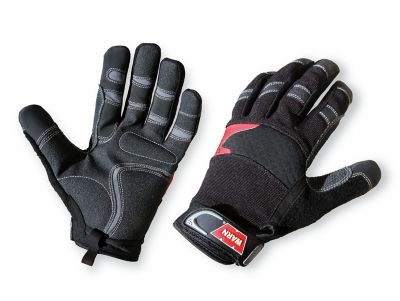
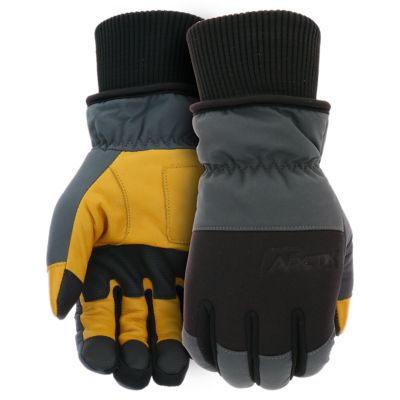
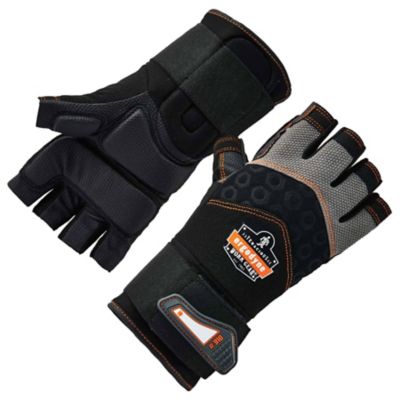
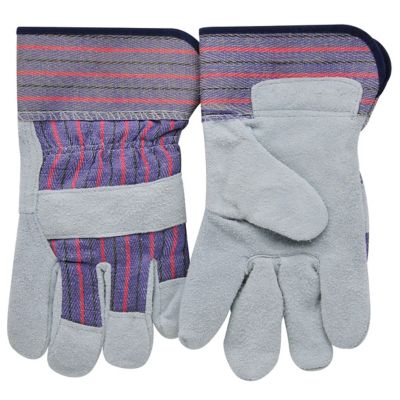
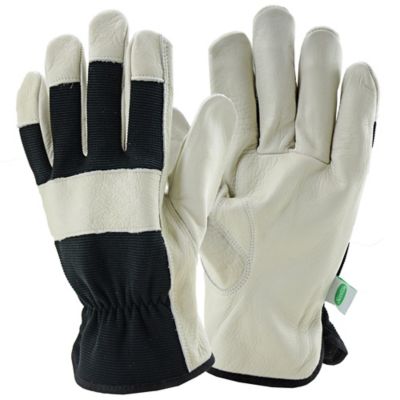
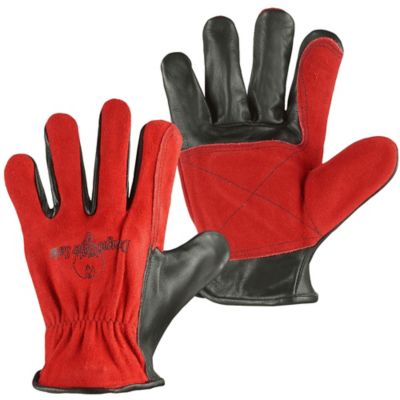
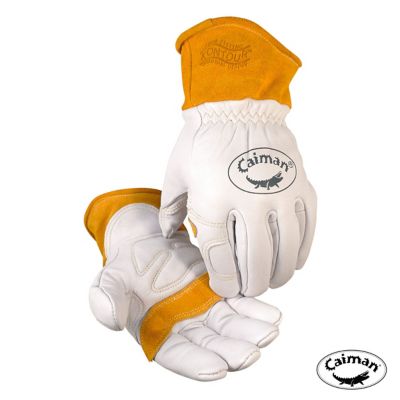
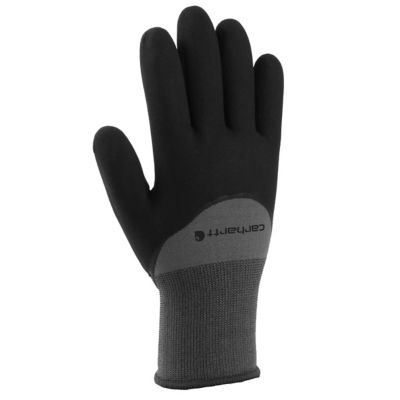
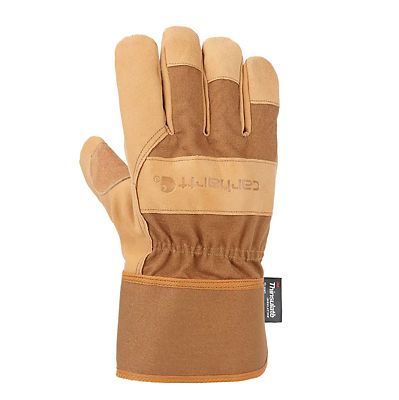
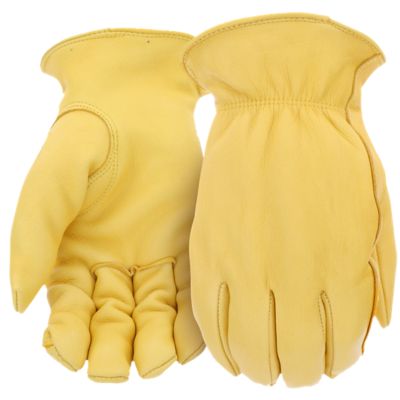
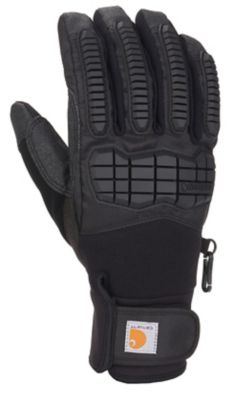
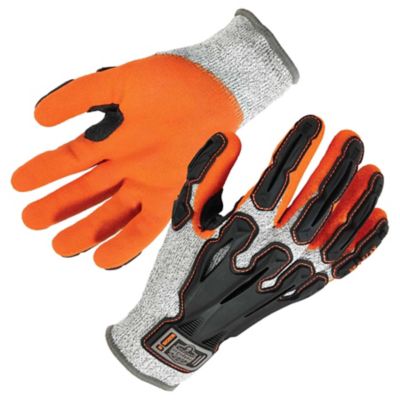
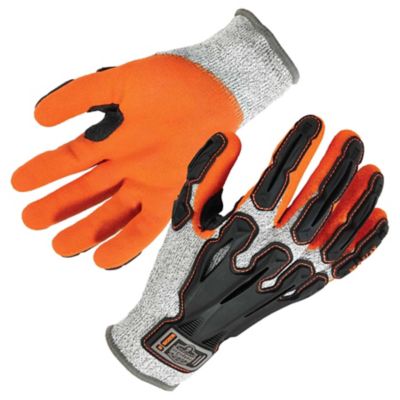
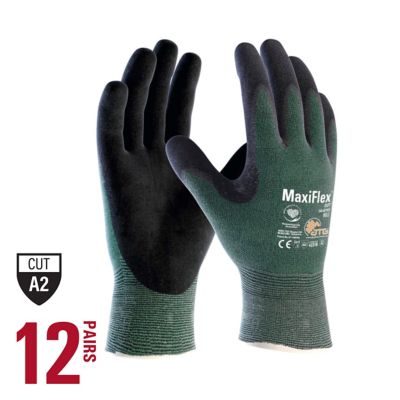
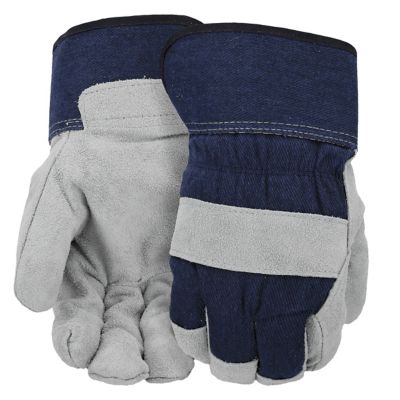
Knuckle protection gloves are built for jobs where your hands may bump against hard surfaces, equipment, lumber, fencing, tools, or other rough materials. Unlike a basic pair of work gloves, these gloves add protection across the back of the hand and over the knuckles, helping cushion blunt impacts while you work. They can be a practical choice for construction, farm and ranch chores, equipment maintenance, landscaping, warehouse work, trail riding, powersports, tactical training, and general outdoor use. Some styles use flexible thermoplastic rubber (TPR), impact foam, or molded plastic guards that move with your hand, while others add tougher panels made from leather, synthetic leather, or other abrasion-resistant materials. A soft, flexible guard is often a good fit for tasks that involve frequent gripping, reaching, and finger movement. A harder shell may be better suited to rougher work where your hands could strike a machine frame, a heavy object, or the ground. Knuckle protection gloves are not a replacement for safe work practices, and they do not make every glove suitable for every hazard, but the added coverage can provide useful peace of mind when your hands are working close to hard edges and moving equipment. For sharp materials such as sheet metal, wire, broken glass, or thorny brush, compare these gloves with
Cut-Resistant Gloves to find protection that matches the job. Impact protection and cut protection are different features, so check the product details instead of assuming one type covers every risk.
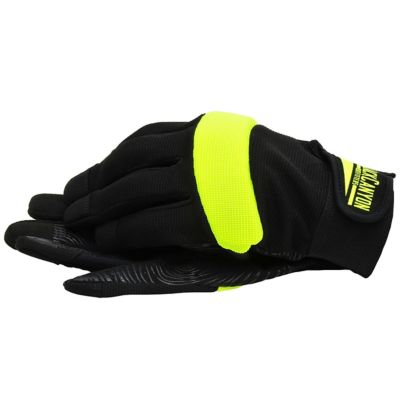
When choosing knuckle protection gloves, start with the work you expect to do most often. Mechanics and equipment operators may want a close-fitting glove with padded palms, reinforced fingertips, and flexible knuckle guards that do not get in the way of turning a wrench or handling small parts. Construction workers, fence builders, and farm hands may prefer a sturdier design with abrasion-resistant fabric, a secure wrist closure, and extra palm reinforcement for carrying boards, posts, tools, or feed bags. Riders and powersports users often look for a glove that combines knuckle coverage with a durable palm, dependable grip, and a snug fit that stays in place on the handlebars. If wet grass, morning dew, rain, or cooler working conditions are part of the routine, consider water-resistant materials, a longer cuff, and insulation balanced against the amount of dexterity you need. Breathable mesh or perforated panels can feel more comfortable as the weather warms, while lined or weather-resistant construction can be helpful during the cooler months. Look closely at how the knuckle guard is attached and whether it sits naturally when you make a fist. A guard that shifts, pinches, or presses into the joints can become distracting over a long day. The fingers should reach the ends of the glove without bunching, and the palm should not pull tightly when you grip a handle. Adjustable hook-and-loop wrist straps can help create a more secure fit, especially when you are climbing, lifting, riding, or working overhead. Features such as touchscreen-compatible fingertips, pull tabs, ventilated backs, and reinforced thumbs are small conveniences that can make a noticeable difference when gloves stay on from the first chore of the morning through cleanup at the end of the day.
These gloves can make a thoughtful gift for someone who is always repairing equipment, working in the shop, tending a property, riding trails, or taking on weekend projects. They are especially useful for a new homeowner, apprentice, contractor, farmer, rancher, hunter, outdoor enthusiast, or do-it-yourselfer who is building a dependable work kit. For a gift, consider the recipient’s usual tasks and the fit of their existing gloves rather than choosing by appearance alone. Measure around the widest part of the hand if sizing guidance calls for it, and remember that a glove intended for cold-weather work may need a little more room than a lightweight warm-weather style. Before putting a new pair to work, inspect the stitching, palm, fingertips, wrist closure, and protective knuckle panels. Make sure the gloves allow a full range of motion and that the grip feels steady on common tools. Replace them when the palm wears smooth, the seams open, the fingers no longer fit securely, or the knuckle guard becomes cracked, loose, or badly deformed. Keep them clean according to the care instructions, since some protective materials can be damaged by harsh detergents, high heat, or improper drying. Whether you are moving firewood, repairing a gate, servicing a tractor, handling tools in the shop, or spending a long day outdoors, the right knuckle protection gloves can add a useful layer of comfort and impact coverage without taking the feel out of your work.