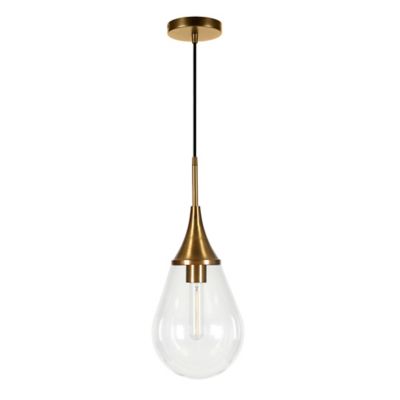
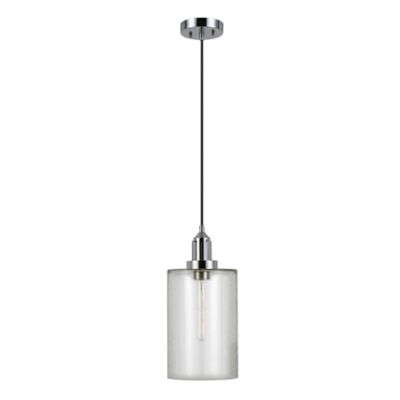
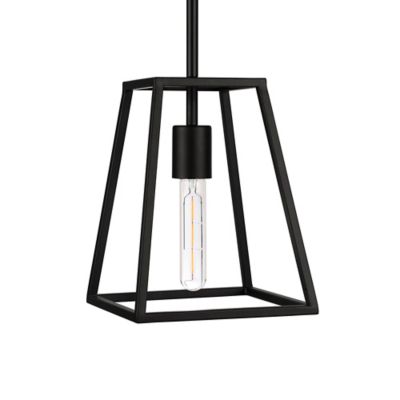
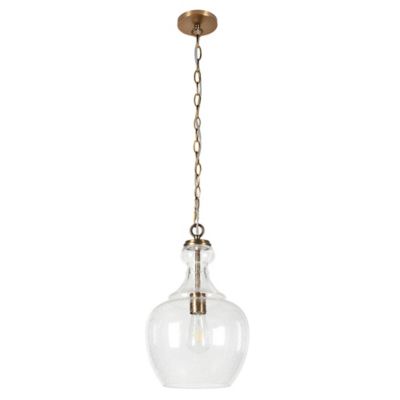
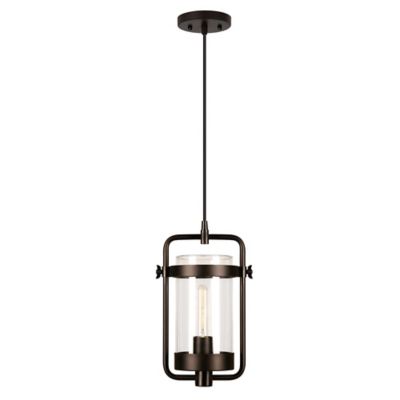
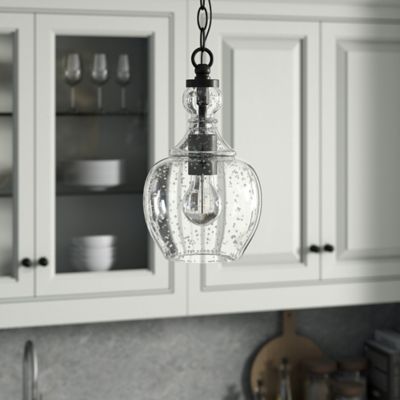
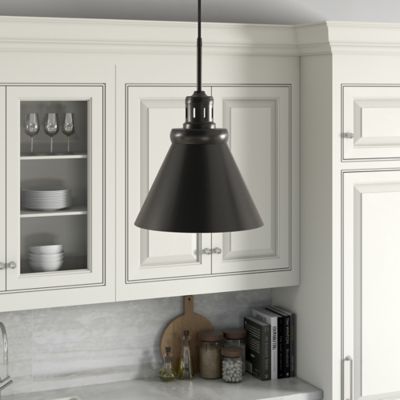
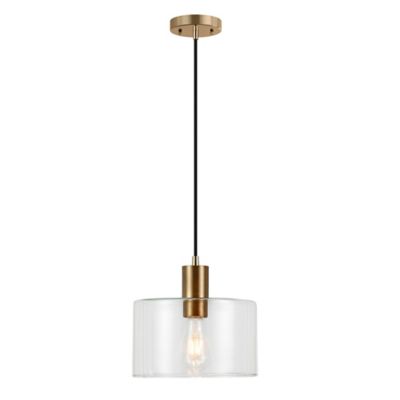
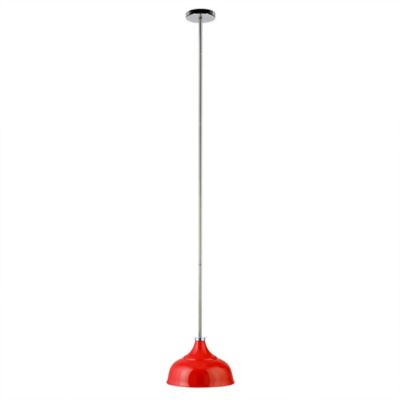
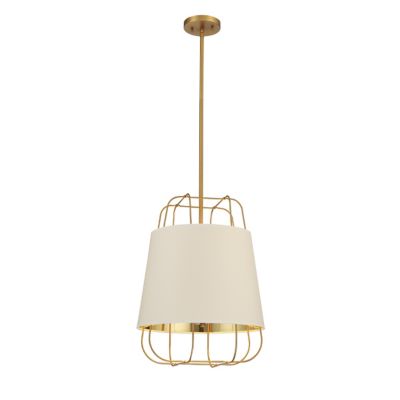
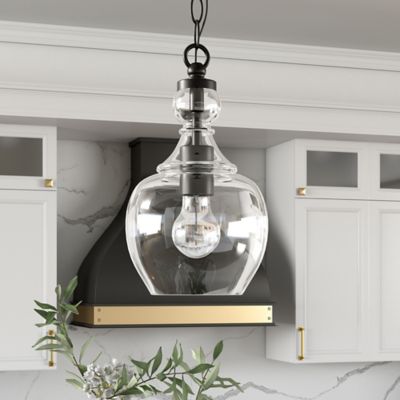
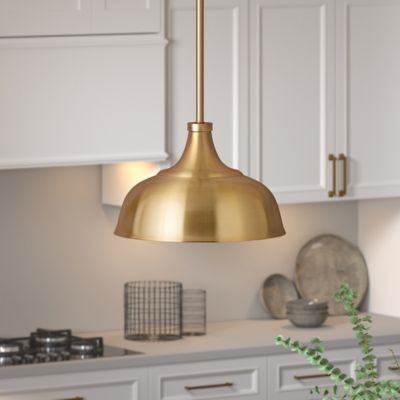
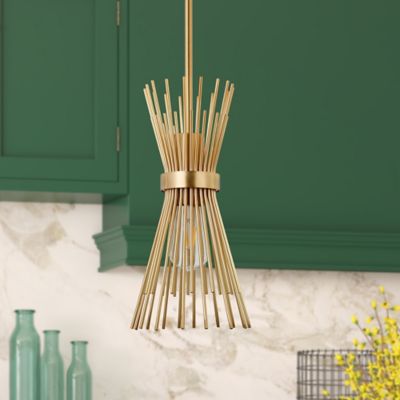
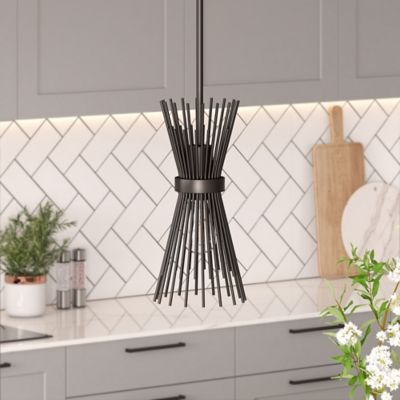
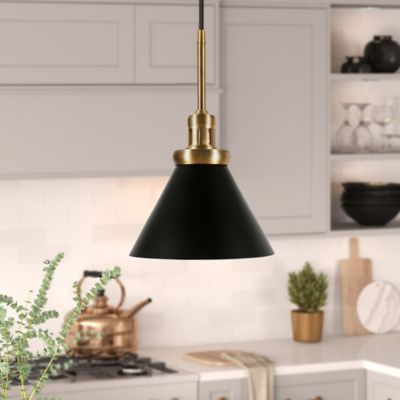
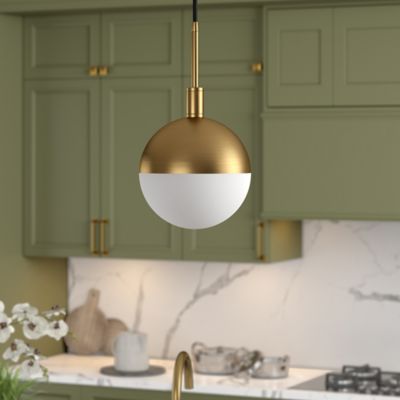
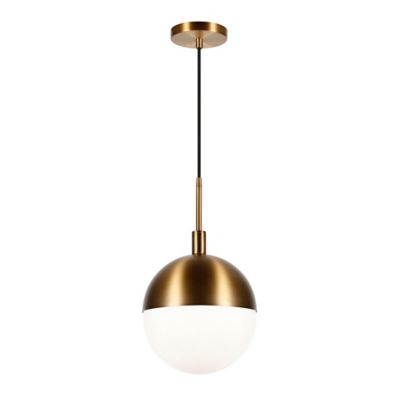
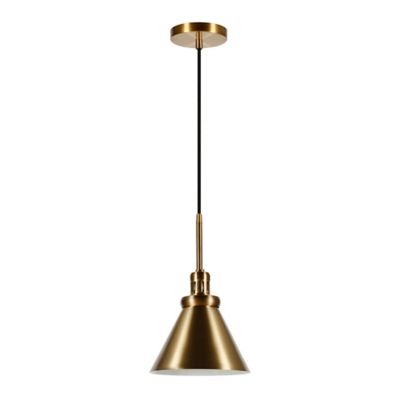
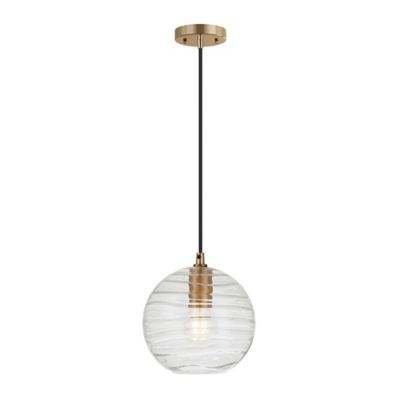
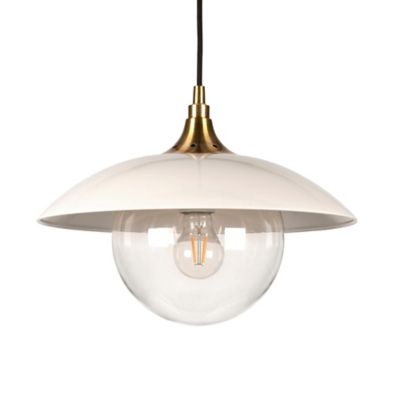
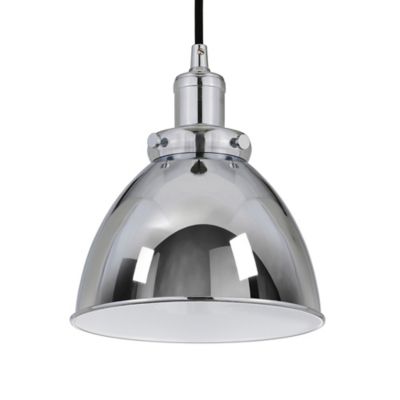
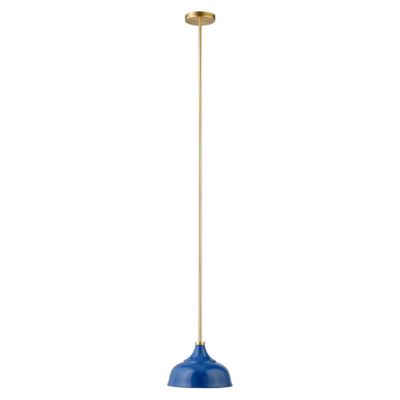
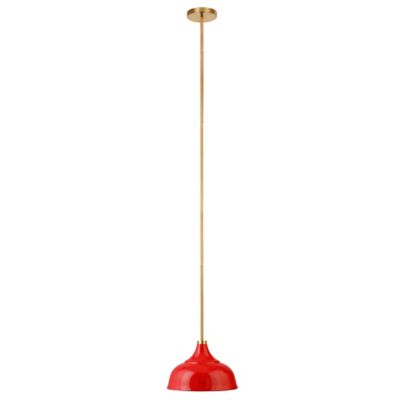
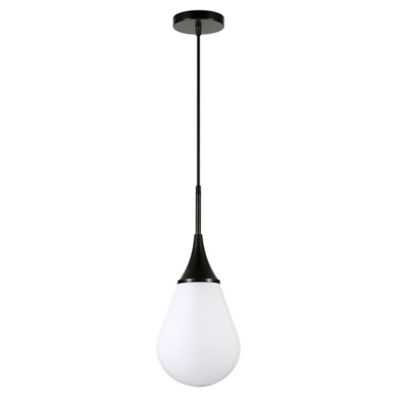
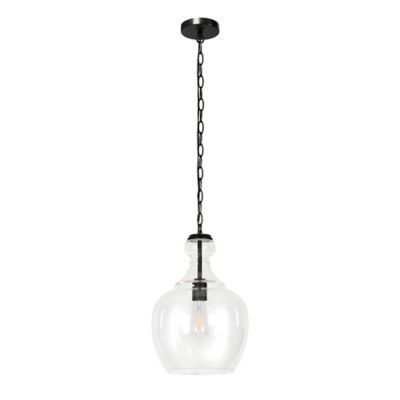
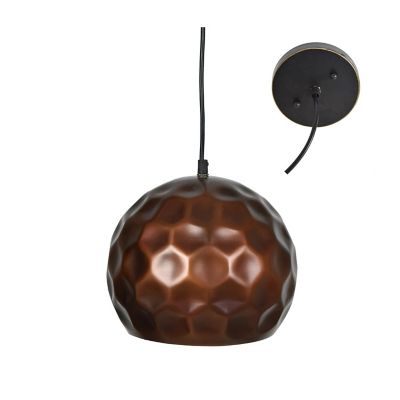
Industrial kitchen pendant lights bring metal shades, exposed hardware, and straightforward shapes into the room where meals get made and everybody tends to gather. Their look draws from factory and workshop lighting, with details such as broad domes, wire cages, visible sockets, and substantial suspension rods or chains. Over a kitchen island, breakfast bar, or farmhouse table, that practical character sits comfortably alongside wood cabinets, stone countertops, open shelving, and painted walls. The shade makes a real difference in how the light works. A solid metal dome generally directs light downward, helping brighten a cutting board, a spread of mixing bowls, or the spot where the morning coffee gets poured. Bell-shaped shades offer a similar downward focus, while an open cage leaves the bulb visible and lets light reach farther into the room. Clear glass can preserve an open sightline across the kitchen, though the exposed light source may produce more glare than a shaded or frosted option. Matte black gives these fixtures a strong outline without much surface shine; brushed metal, bronze tones, and brass tones offer other ways to tie lighting into cabinet pulls, faucets, and nearby appliances. Finishes do not have to match every handle in the room, but repeating a tone in a few places helps the space feel pulled together. For kitchens with dark hardware or black window frames,
Industrial Black Pendant Lights carry that same color above the counter without adding another finish to the mix. Industrial style can lean toward a tidy, simple kitchen or a more workmanlike space with butcher-block counters and sturdy stools. It works especially well where lighting needs to serve everyday chores and still look right when supper turns into a long conversation. During the cooler months, when outdoor light fades before the evening meal, pendants add a welcoming pool of light where family and neighbors settle in. The appeal comes from that balance: a fixture with some visual weight, a clear purpose, and enough character to belong in a hard-working home.
Size and placement determine whether kitchen island pendant lights feel balanced or get in the way. Shade diameter, total fixture height, and adjustable hanging length all matter, especially in a kitchen with low ceilings, exposed beams, or a pitched roof. A fixture that looks modest in an open room can feel much larger once it hangs between the sink and the seating area. For many kitchens, the bottom of a pendant sits about 30 to 36 inches above the countertop, with the final height shaped by ceiling height, fixture design, and the sightlines of the people standing or sitting nearby. That range is a starting point rather than a rule for every room; tall shades and exposed bulbs may need a different position to keep the view comfortable. Spacing also depends on shade width and island length. Smaller pendants often sit roughly 24 to 30 inches apart from center to center, while wider shades need more room so their edges do not crowd one another. An eight-foot island may suit two larger pendants or three smaller ones, depending on their dimensions and light distribution. What matters is an even spread of light across the working surface, with the fixtures kept back from the counter ends and out of normal traffic paths. A pair of broad metal shades can give a long island a calm, grounded look; a row of narrower cages creates a lighter rhythm overhead. Single pendants fit smaller breakfast counters or kitchen tables where a larger grouping would overwhelm the space. Adjustable cords, chains, and rods allow different amounts of height control, so the listed minimum and maximum hanging lengths deserve attention. Sloped ceilings require a compatible mounting arrangement, and a ceiling canopy needs to fit the electrical box and mounting location. Hardwired lighting also calls for proper support and electrical connections that meet local requirements. A qualified electrician can assess an existing box, arrange placement, and handle installation, particularly when moving fixtures or adding lights over an island that previously had none.
Materials, bulb choice, and routine care shape how industrial pendant lighting holds up to kitchen life. Steel and aluminum are common shade materials, but metal thickness, finish, and construction vary by fixture. A painted or powder-coated surface can help protect the underlying metal, while exposed metal and plated finishes may need different care to avoid staining or scratches. Glass shades bring another consideration: they can show fingerprints, dust, and the thin film that cooking leaves behind, especially near a range. Open cages have less surface area than enclosed shades, but their wires and exposed bulbs still collect dust. Smooth shade surfaces and accessible openings make routine wiping less of a chore. With the power off and the fixture cool, a soft cloth and the cleaning method specified by the manufacturer help preserve the finish; abrasive pads and strong cleaners can damage coatings or cloud some surfaces. Kitchen moisture matters, too. A pendant's location rating should suit its installation area, and an industrial appearance alone does not mean a fixture belongs outdoors or in a damp setting. For light output, lumens describe brightness, while Kelvin describes the light's color appearance. Warm-white bulbs around 2700K give wood and earth-toned finishes a softer look, while 3000K offers a somewhat crisper warm light that can work well over food-preparation areas. Clear filament-style LED bulbs emphasize an exposed socket or cage, but frosted bulbs can soften the view of the light source. Socket type, bulb dimensions, and maximum wattage must match the fixture's specifications. Dimming depends on compatible bulbs or integrated lighting components and a suitable dimmer, not simply on whether a pendant has an industrial shape. Pendants also work best as part of a larger lighting arrangement: under-cabinet lighting reaches counters along the walls, and ceiling lighting fills in the room beyond the island. Together, those layers support everything from packing lunches before daylight to rolling out pie dough or serving a full table. With a well-proportioned shade, suitable light output, and a finish that fits the room, industrial kitchen pendant lights bring useful overhead lighting and an easygoing, workshop-inspired presence to everyday kitchen life.