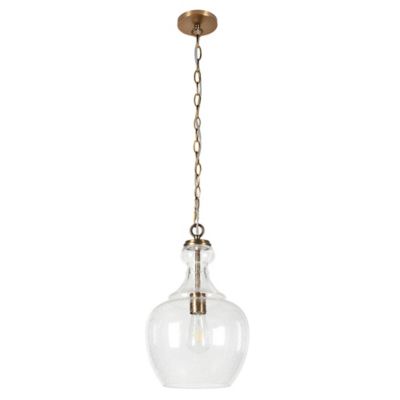
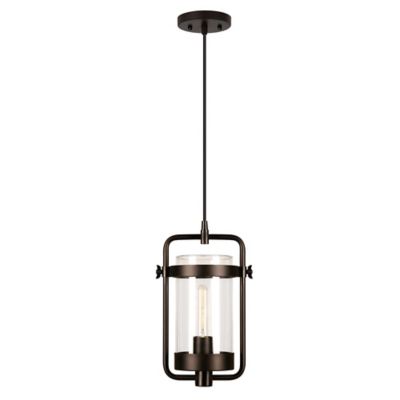
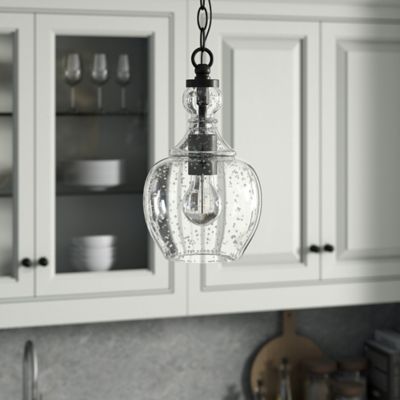
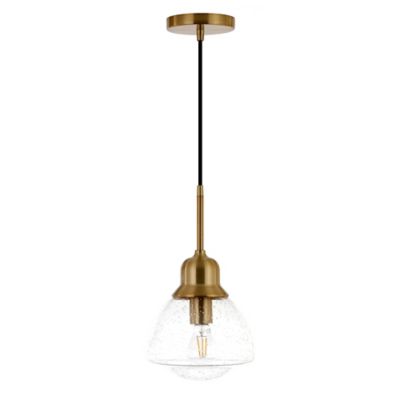
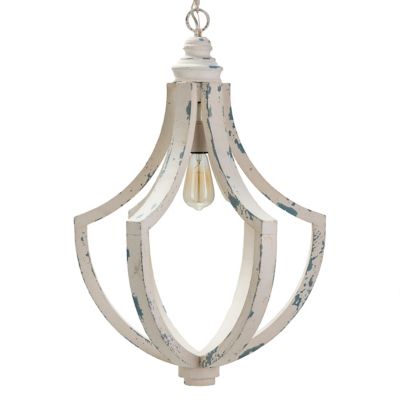
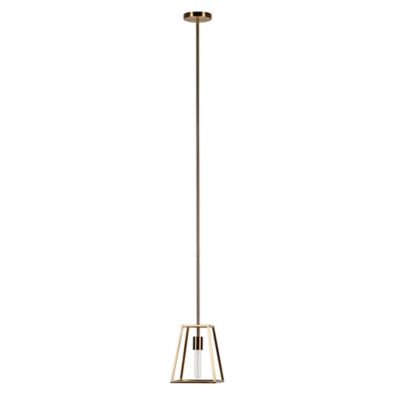
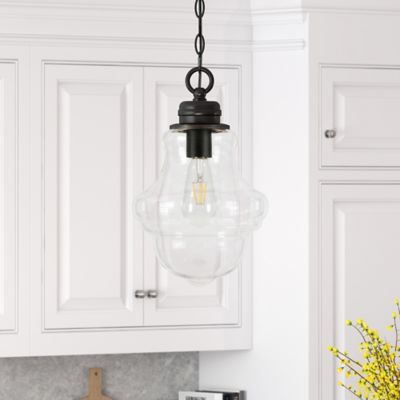
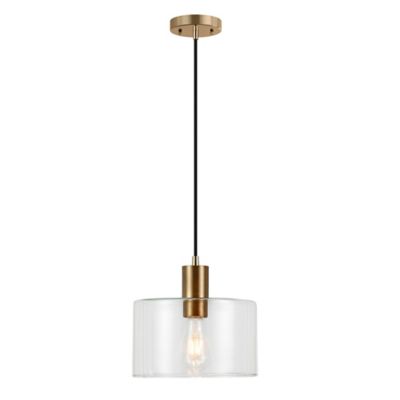
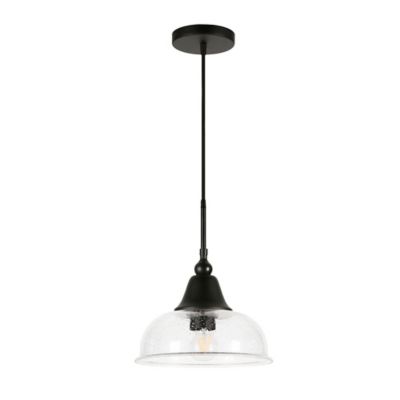
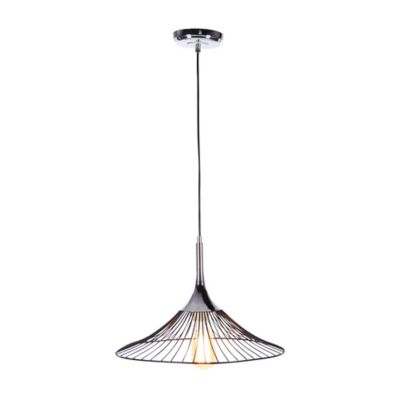
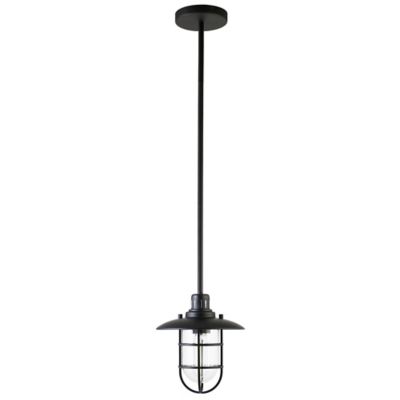
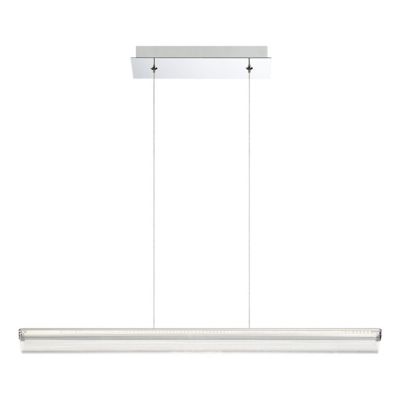
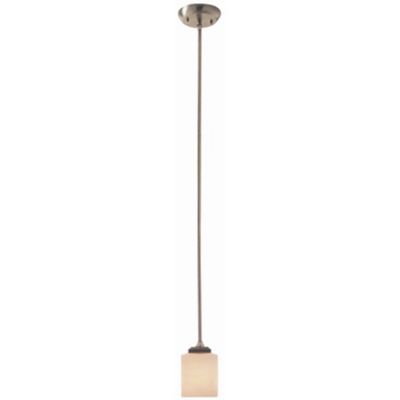
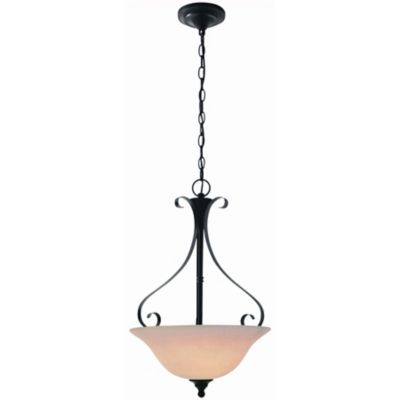
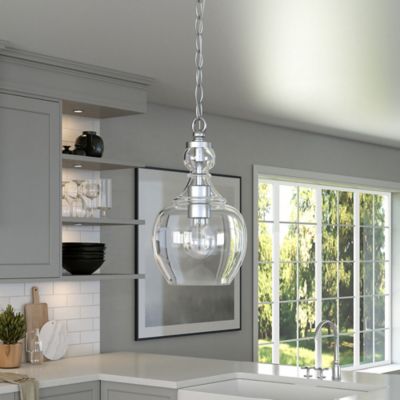
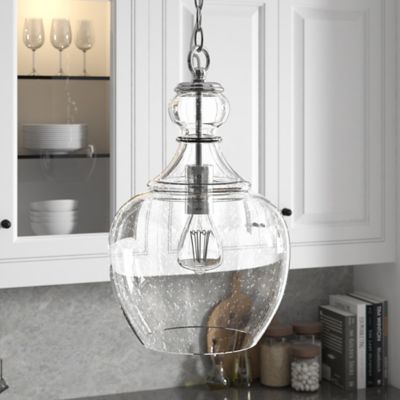
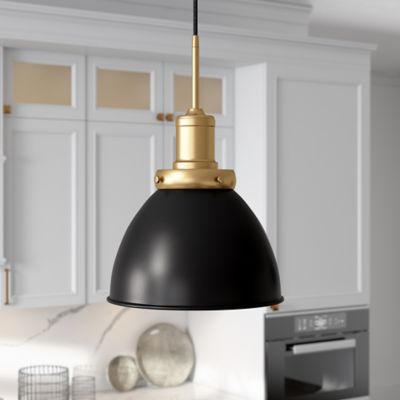
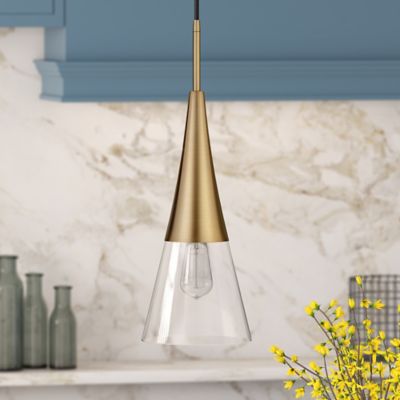
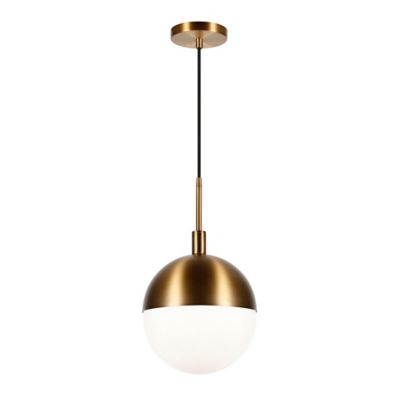
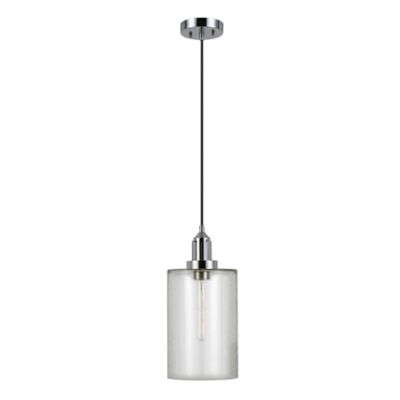
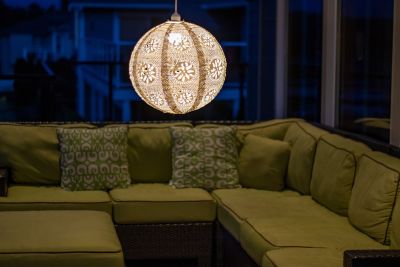
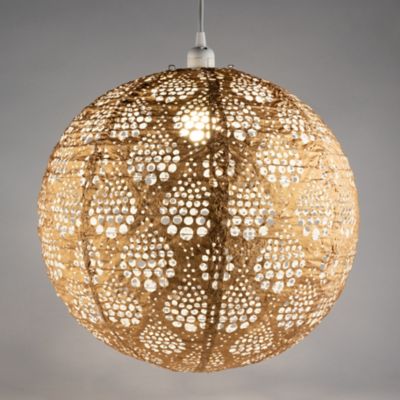
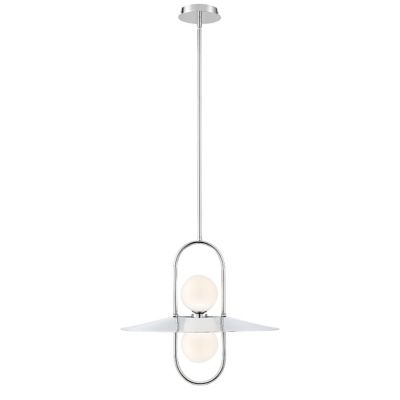
Kitchen island pendant lighting fixtures can make a hardworking kitchen feel warmer, brighter, and more pulled together without taking up valuable counter space. Whether the island is used for chopping vegetables, sorting mail, helping with homework, or setting out a spread for friends, pendant lights place useful illumination right where daily work happens. They also help define the island as the heart of the room, especially in open-concept homes where the kitchen flows into the dining or living area. When choosing a fixture, start with the size and shape of the island, then consider the amount of light the room needs and the look you want overhead. A small island measuring less than 4 feet long often works well with one larger statement pendant or two mini pendants. Medium islands from about 5 to 7 feet long can usually handle two or three small-to-medium fixtures, while an island measuring 8 feet or more may look balanced with three or four pendants or one long, multi-light linear fixture. In every case, aim to keep at least 6 inches between the outer edge of the island and the nearest pendant so the arrangement feels centered rather than crowded. For comfortable sightlines and plenty of working room, a common starting point is to hang the bottom of the fixture about 30 to 36 inches above the countertop. Household members vary in height, so it helps to stand at the island and picture the lights from different angles before finalizing the hanging height. Adjustable cords or rods make it easier to fine-tune the placement, especially in kitchens with tall ceilings, sloped ceilings, or a mix of seating and prep space.
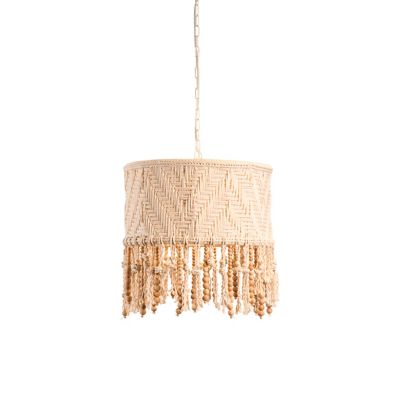
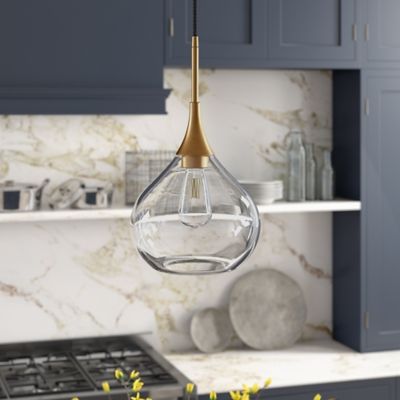
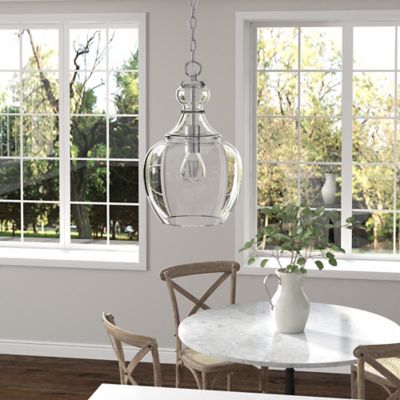
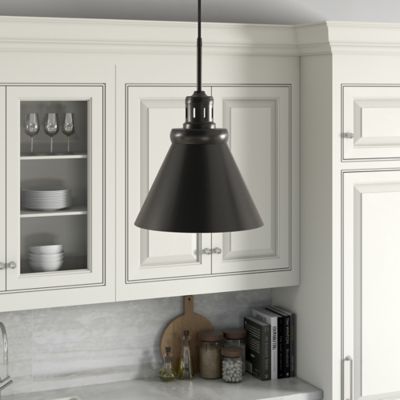
The style of kitchen island pendant lighting can quietly reinforce the character of the whole home. Clean-lined metal fixtures fit comfortably in modern kitchens, while bell-shaped or dome shades can bring a familiar farmhouse feel that suits wood cabinets, butcher block, apron-front sinks, and well-used worktables. Clear glass shades keep the view open and make a smaller kitchen feel less crowded, while smoked or tinted glass adds a little contrast and depth. Woven, rattan, wicker, ceramic, and other textured shades bring a softer, more natural look that pairs nicely with warm wood tones and neutral finishes. A bronze finish, including the options in
Bronze Kitchen Island Pendant Lights, can add a grounded touch that works with both traditional and updated farmhouse interiors. Matte black offers crisp definition, brushed nickel blends easily with stainless appliances, and brass or aged gold finishes can warm up a room with pale cabinetry. Matching the pendant finish to every other metal is not required; many kitchens look more relaxed when two or three finishes are mixed with intention. The size of the shade matters, too. Oversized fixtures can serve as a strong focal point above a wide island, while smaller shades are easier to arrange in multiples. If the island includes stools, keep the pendants high enough that people can see across the counter without ducking around a shade. For islands used mainly for food preparation, look for fixtures that direct light downward. For a kitchen that doubles as a gathering place, translucent shades or exposed bulbs can spread a softer glow throughout the room. Dimmable lighting is especially handy, shifting from bright task light while preparing supper to a gentler setting during a quiet meal or evening visit.
Before purchasing kitchen island pendant lighting fixtures, check the electrical setup, ceiling height, fixture dimensions, and bulb requirements. Measure the island’s length and width, mark the proposed fixture locations with painter’s tape, and view the layout from the kitchen entrance as well as from the seating area. When installing multiple pendants, spacing them evenly helps the arrangement look tidy; about 24 inches between fixtures is a useful starting point, though the ideal distance depends on the width of each shade and the overall length of the island. Leave enough room for cabinet doors, range hoods, ceiling fans, and nearby walkways. Light output is another practical consideration. LED bulbs can provide bright, efficient illumination and are available in warm tones that feel comfortable in a kitchen rather than stark or clinical. Bulbs with a warm color temperature often suit wood cabinets and cozy gathering spaces, while a neutral white tone may make food preparation and cleanup easier to see. A fixture with multiple sockets can brighten a large island, but a dimmer can help control the atmosphere and reduce glare. Renters, new homeowners, and anyone refreshing a kitchen on a budget can use pendant lights as a relatively simple way to update the room’s appearance, while a well-chosen fixture also makes a thoughtful housewarming gift for someone settling into a new home, cabin, farmhouse, or apartment. During the cooler months, when the kitchen often becomes a favorite spot for baking, visiting, and lingering over hot meals, the right light can make the room feel especially inviting. For installation involving new wiring, junction boxes, or changes to the electrical circuit, use a qualified electrician and follow local building requirements. With the right proportions, spacing, finish, and light quality, kitchen island pendant lighting can provide dependable task lighting while adding the welcoming character that makes a kitchen feel lived in.