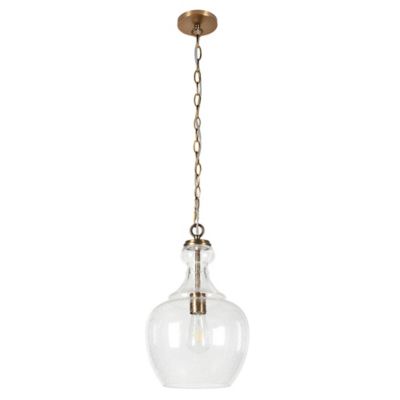
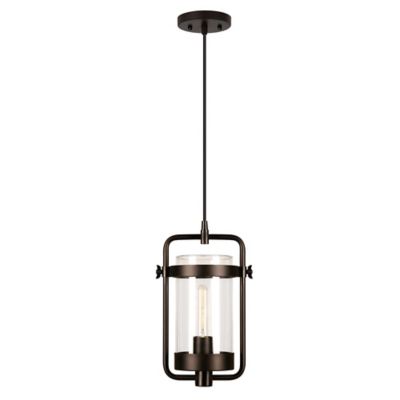
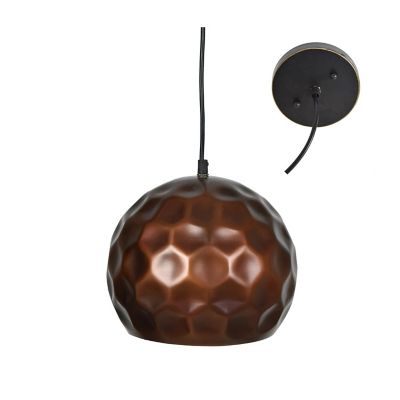
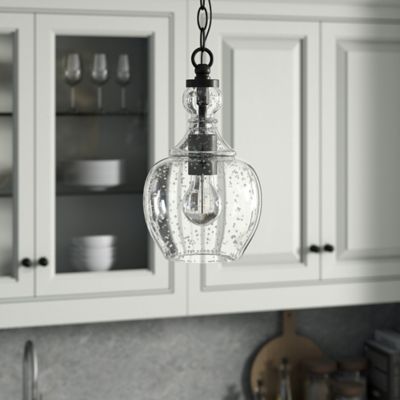
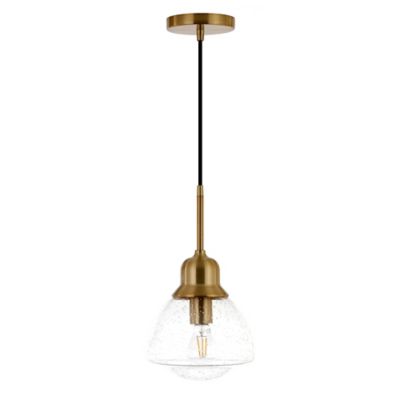
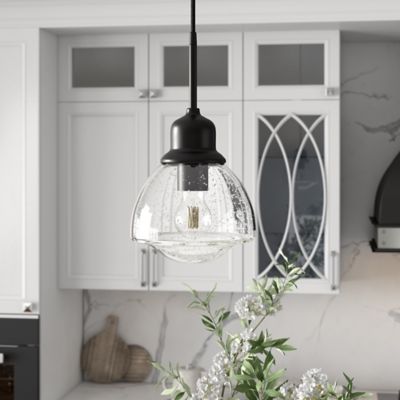
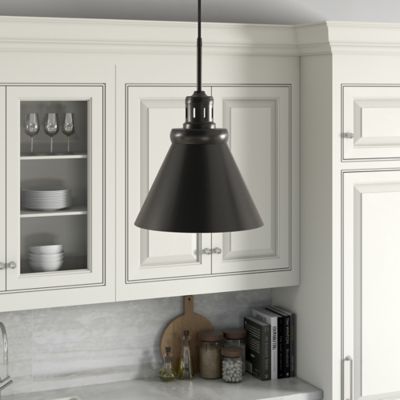
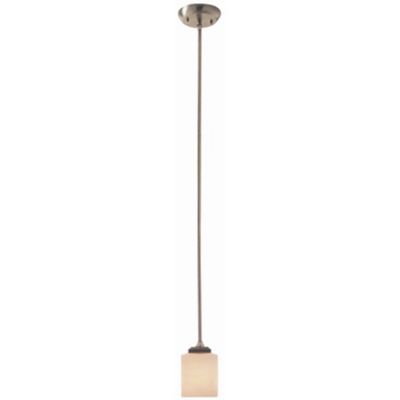
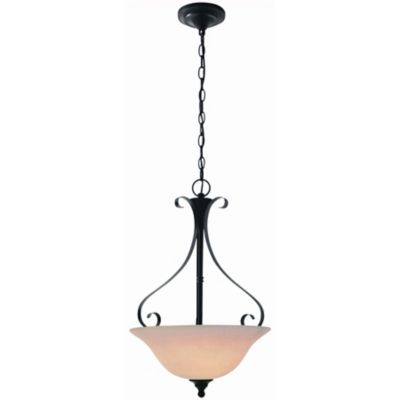
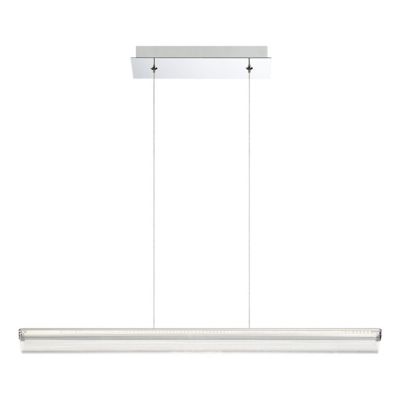
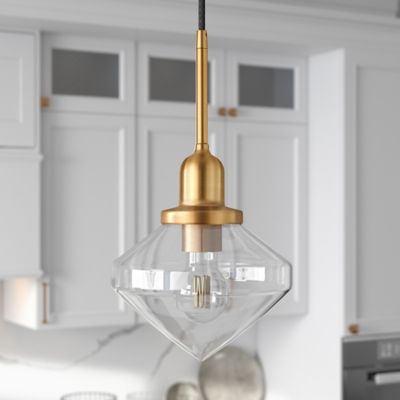
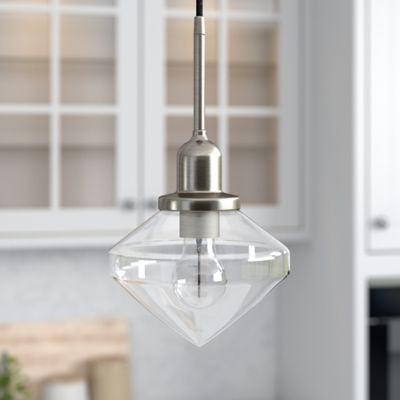
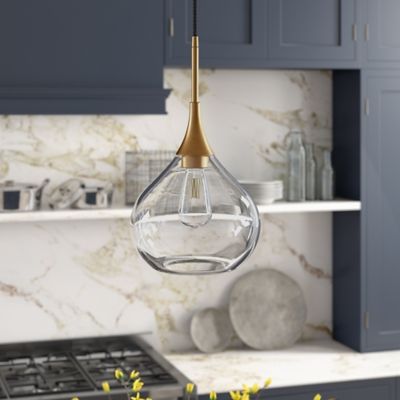
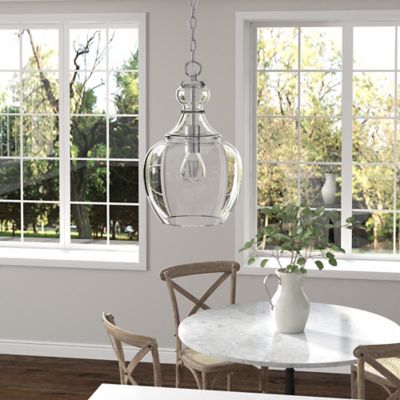
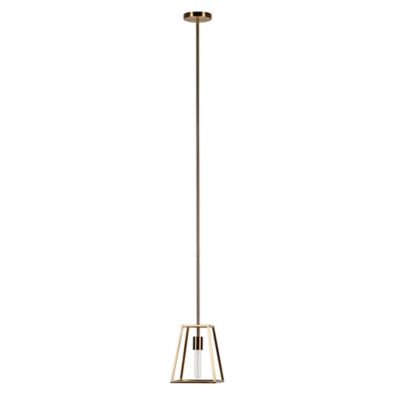
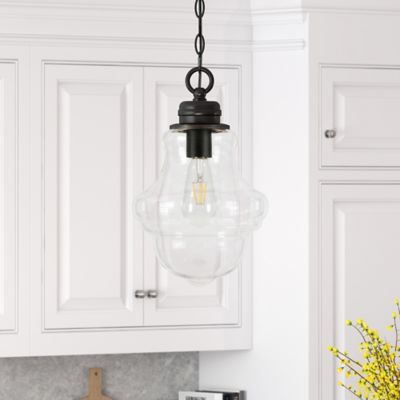
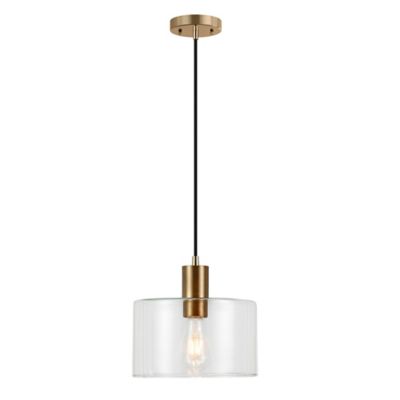
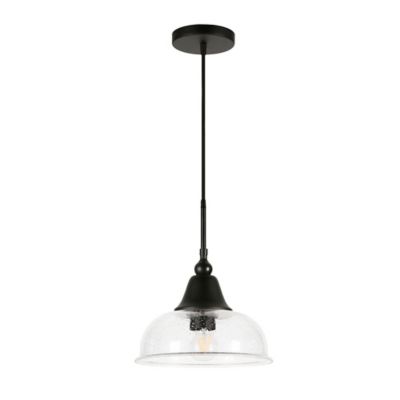
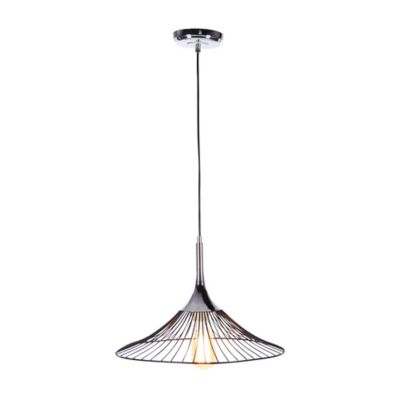
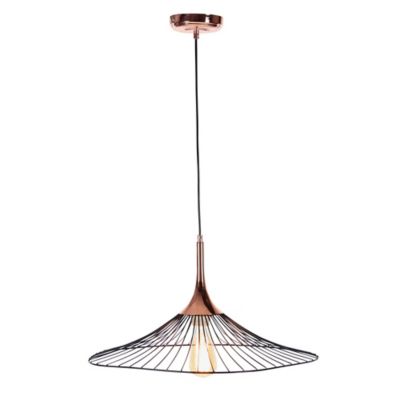
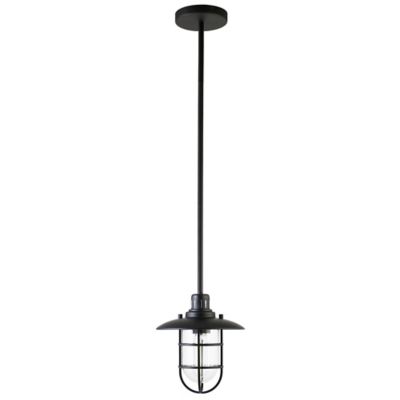
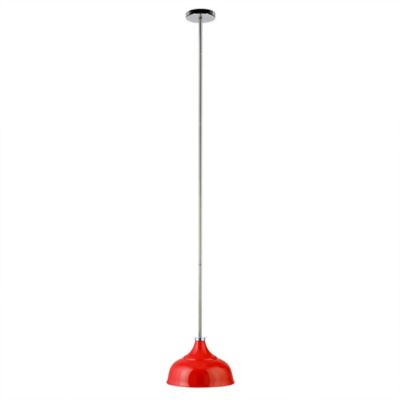
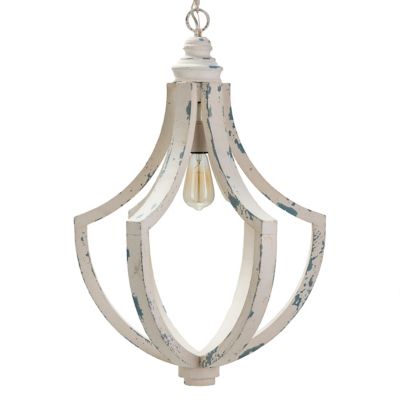
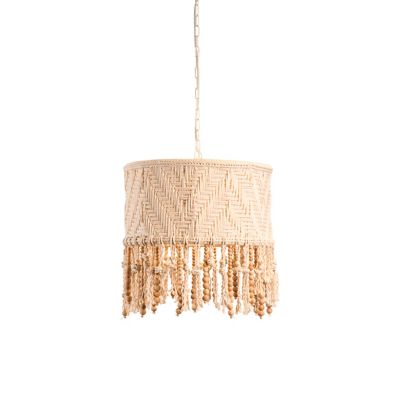
Kitchen counter pendant lights bring light closer to the work surface, making a kitchen feel ready for everything from packing lunches before daylight to setting out supper after a long day outside. Unlike a ceiling fixture that spreads light across the whole room, a pendant hangs from a cord, chain, or rod and directs illumination toward a smaller area. That makes these fixtures a natural fit over islands, breakfast bars, and peninsulas where chopping, serving, homework, and conversation often share the same stretch of counter. Shade shape makes a real difference in how that light falls. An open-bottom metal shade directs more light downward, while clear glass lets light spread sideways as well, keeping an open kitchen feeling connected to the next room. Frosted or opal glass softens the view of the bulb, which can be easier on the eyes when someone is sitting across the counter. Wide dome shades suit broad work surfaces, narrow cylinders keep the outline simple, and smaller pendants can repeat along a counter without taking over the room. Materials help set the mood, too. Steel and aluminum lend a practical, work-ready look, while brass tones bring warmth alongside wood cabinets and butcher-block countertops. Ceramic, plaster, and stone shades add texture and a more substantial presence, though their weight and cleaning requirements deserve attention. Woven shades bring an easygoing feel but may cast patterned shadows and need more attention in kitchens where grease travels beyond the stove. For a look that pairs naturally with exposed shelving, sturdy stools, and straightforward cabinet hardware,
Industrial Kitchen Pendant Lights offer a related direction built around metal finishes and straightforward shapes. The best visual match does not have to repeat every finish in the room. A dark shade can pick up the color of window frames or drawer pulls, while a lighter shade can keep a low-ceilinged kitchen from feeling crowded. In a farmhouse kitchen or a smaller place in town, the goal is the same: useful light that feels at home with everyday life.
Fit comes down to the counter, the ceiling, and the people moving around them. A common starting point for kitchen counter pendant lights is to hang the bottom of the fixture 30 to 36 inches above the countertop. That range generally keeps the light close enough for everyday tasks while leaving room to see across an island, but shade size, ceiling height, and the height of the people in the household can call for adjustments. A deep shade hung too low may block the view toward the sink or living room, while a small fixture hung too high may leave bright spots surrounded by shadows. Over a walkway rather than a counter, allow at least 7 feet of floor clearance as a general planning minimum, and follow applicable code and fixture instructions; that walking clearance is not the same as the hanging height above a countertop. For multiple pendants, 24 to 30 inches from the center of one fixture to the center of the next is a common starting range for smaller shades, not a rule for every fixture. Wider shades need more room so they do not look crowded or interfere with one another. Keeping the outside edges of the shades roughly 12 inches or more inside the ends of an island can help the arrangement feel balanced. One rough sizing check is to divide the island length in inches by five or six to estimate a pendant diameter, then consider fixture count, shade shape, and the width of the counter before settling on that size. Mini pendants often suit narrow counters, while one or two larger fixtures can give a broad island a stronger focal point. Adjustable suspension helps accommodate different ceilings, but the stated hanging range matters as much as the fixture’s overall height. Sloped ceilings may require a compatible canopy or adapter. Fixture weight, electrical-box support, and wiring also affect fit, making a qualified electrician especially helpful when replacing a heavier light or changing where pendants hang.
Light output matters just as much as appearance once the kitchen gets busy. A pendant that looks inviting over an empty island still needs to help someone read a recipe, sort mail, or see the edge of a cutting board. Lumens describe light output, while watts describe energy consumption, so bulb selection is better based on brightness and fixture compatibility than wattage alone. Many kitchens feel comfortable with warm white light around 2700 to 3000 kelvin; a somewhat higher color temperature can give the work surface a crisper appearance. Keeping neighboring fixtures close in color temperature helps prevent one end of the kitchen from looking yellow while the other looks blue. Bulbs with a color rendering index of 90 or higher can help food, cabinet finishes, and countertop colors look more natural. Clear shades make the bulb part of the view, so bulb shape and glare deserve extra thought, especially above seating. Enclosed shades may call for bulbs specifically rated for enclosed fixtures, and every socket has its own bulb-base and wattage limits. Dimming can shift the counter from meal preparation to a quieter evening gathering, provided the fixture, bulbs, and dimmer work together. Pendants also work best as part of the room’s lighting rather than carrying the whole job alone; ceiling and under-cabinet lights can fill shadows beyond the island. For lasting good looks, smooth glass and painted metal are often easier to wipe down than deeply textured or woven surfaces. With power off and the fixture cool, a soft cloth and manufacturer-approved cleaning method help remove cooking film without harming the finish. Avoid soaking sockets or electrical parts, and check whether glass shades can be removed before washing them. Finish care matters near sinks, where splashes and repeated wiping can take a toll. Replaceable bulbs and accessible shades can make upkeep simpler over time. During the cooler months, when more meals and evening chores happen indoors, well-placed pendant lighting helps the kitchen counter stay a comfortable, hardworking gathering spot.