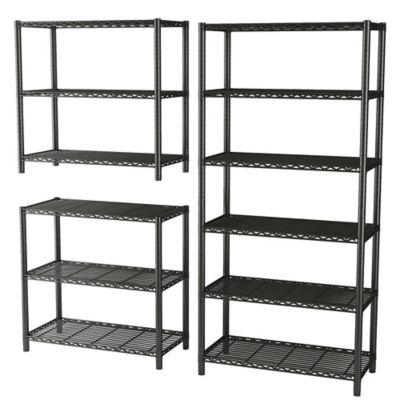
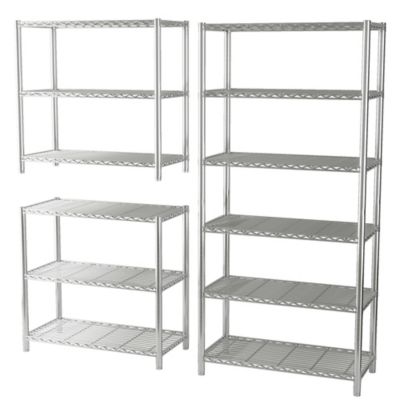
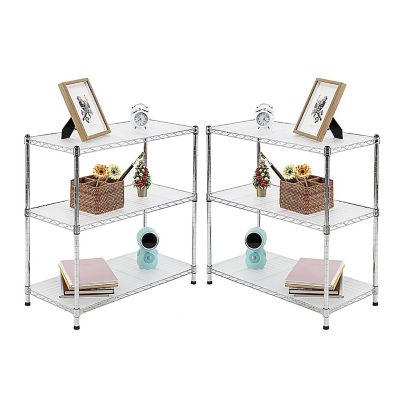
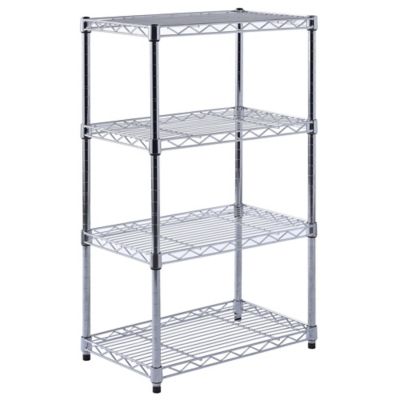
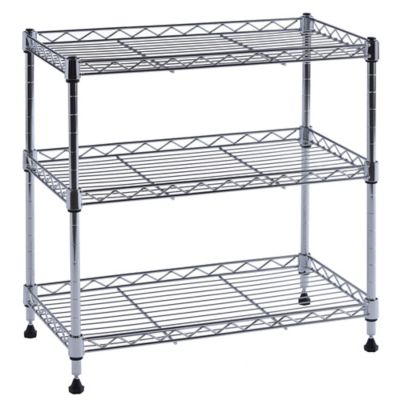
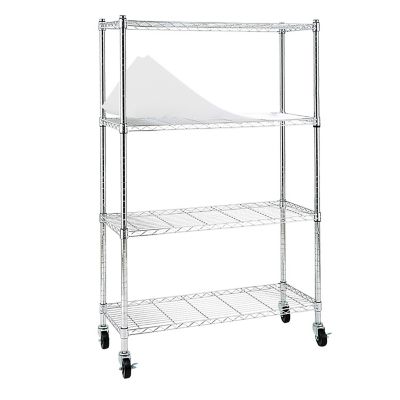
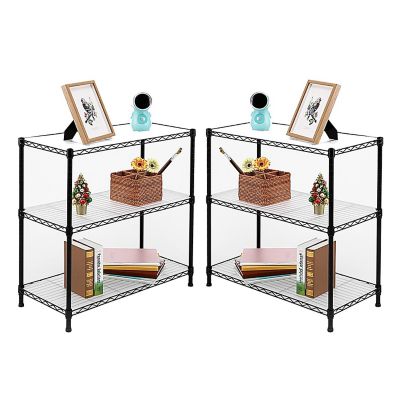
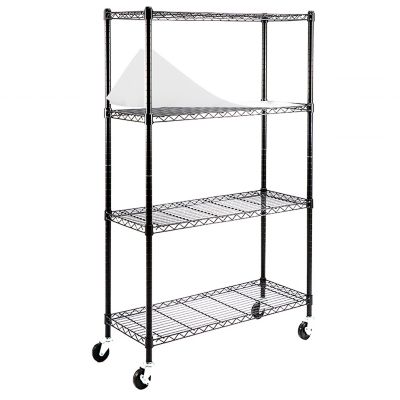
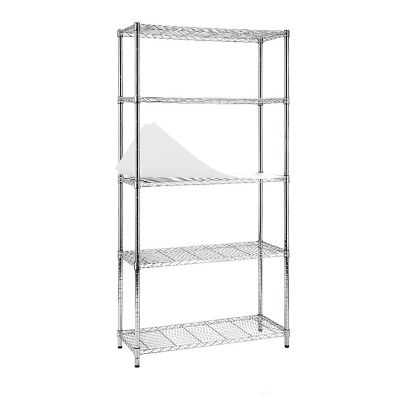
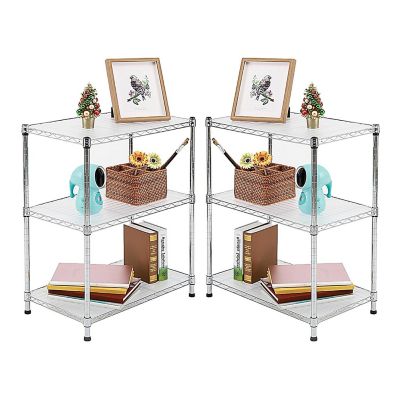
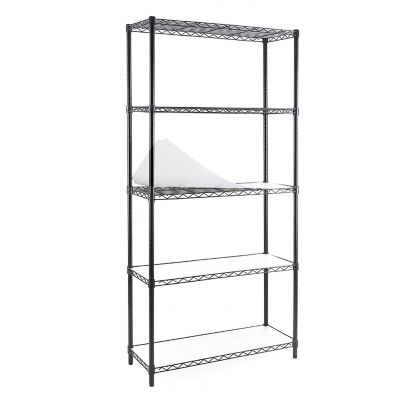
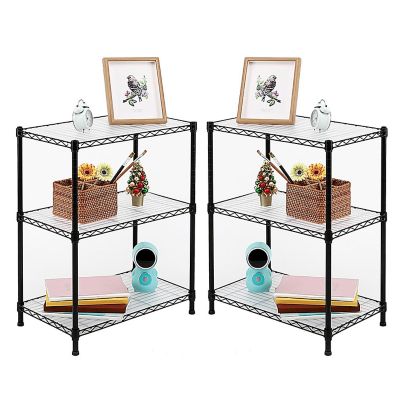
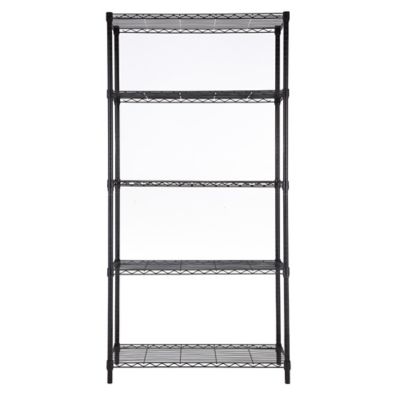
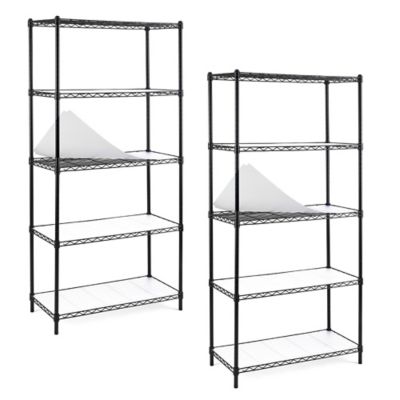
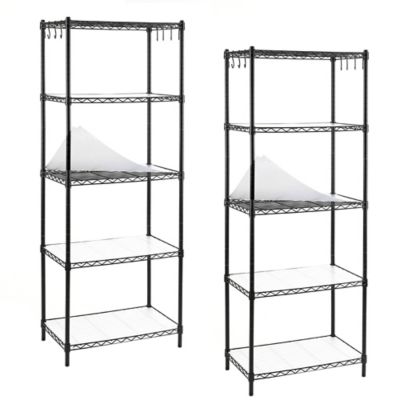
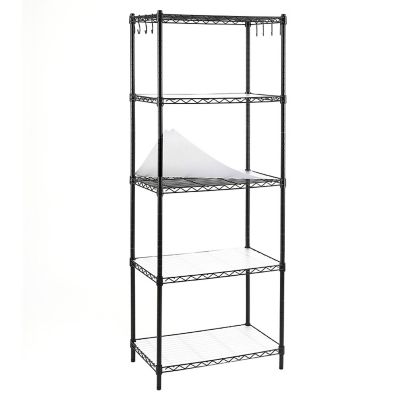
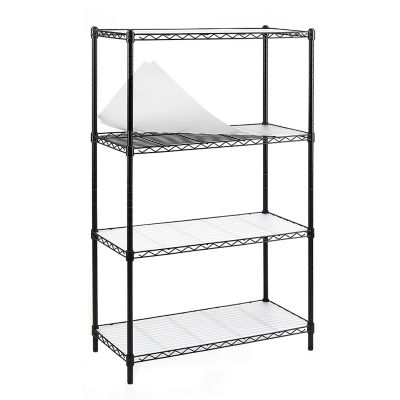
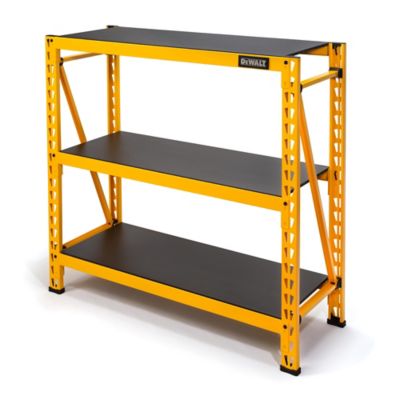
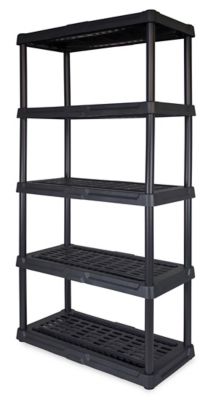
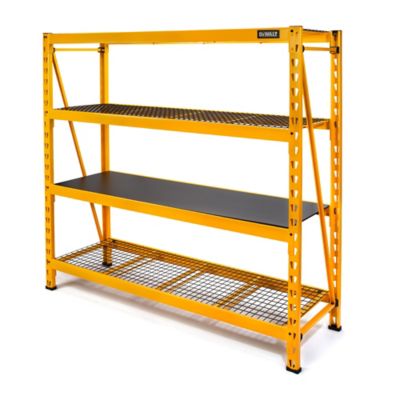
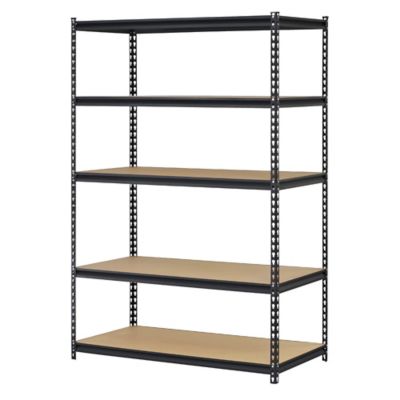
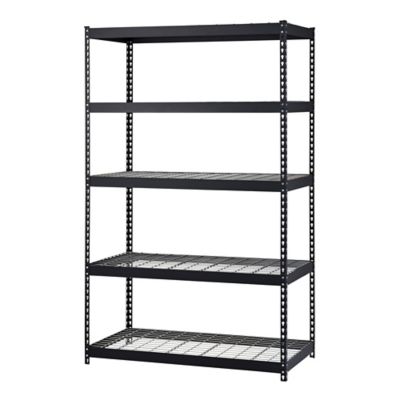
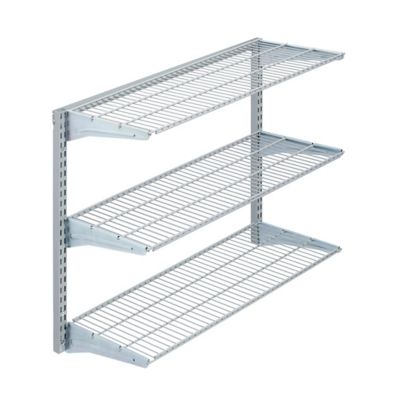
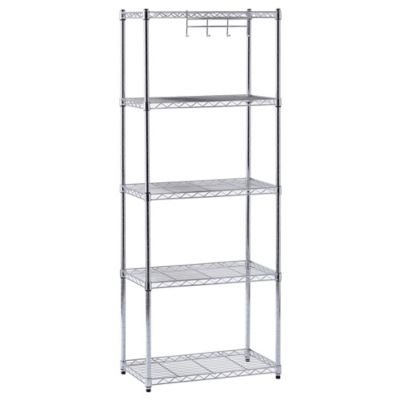
Kitchen pantry wire shelves provide open, ventilated storage for food containers, cookware and everyday kitchen supplies, with options ranging from freestanding shelving units to wall-mounted systems. Their open construction lets air move around stored goods and makes it easier to see what’s tucked toward the back. In a kitchen that handles packed lunches, family suppers and batches of home-canned vegetables, that visibility can mean less digging around before a meal. Wire shelving can serve as the main storage inside a walk-in pantry, add another level inside a cupboard or turn an open wall into a place for kitchen essentials. Steel is a common material, with finishes such as chrome plating or coated surfaces that affect appearance, cleaning needs and suitability for different spaces. Chrome-finished wire has a bright metal look, while coated wire offers a covered surface that may better suit certain household conditions, depending on the coating and manufacturer’s recommendations. Stainless steel is another option where resistance to corrosion matters, though no finish takes the place of proper care. The strength of a shelving system depends on more than the wire alone: shelf construction, support posts, brackets, hardware and installation all play a part. Weight ratings deserve particular attention when the pantry holds rows of glass jars, canned goods or heavy countertop appliances. A rating for one shelf is not necessarily the rating for the whole unit, and stated capacities often assume weight is spread evenly rather than concentrated in one spot. Keeping heavier loads on lower levels helps make everyday access more manageable, while lighter packages can sit higher. Open wire also has its limits. Small bottle bases, narrow packages and soft bags may not sit flat across the gaps, so the spacing between wires matters just as much as the overall shelf size. A pantry shelf earns its place when it supports the things a household actually keeps, without making every bag of flour or jar of beans a balancing act.
A good fit leaves room for both storage and the ordinary business of reaching, carrying and putting things away. Kitchen pantry wire shelves come in different widths, depths and heights, and the best proportions depend on the space around them as much as the space they occupy. Deep shelves can hold larger containers, but extra depth may also hide smaller goods behind the front row. Shallower shelves often make sense in a narrow pantry where a clear walkway matters, especially when someone is carrying a mixing bowl or a sack of groceries. Door openings, hinges, baseboards, outlets and nearby cabinet doors can all affect how a shelving unit fits. The full outside dimensions matter, including posts, feet, brackets and any hardware that extends beyond the shelf surface. For storage that needs room to change,
Adjustable Wire Shelving Units allow shelf spacing to suit a mix of tall containers, shorter jars and larger kitchen equipment. Adjustment increments vary by design, so the distance between possible shelf positions can make a difference when fitting a tall cereal container beneath the next level. Freestanding systems offer flexibility in placement, while wall-mounted shelves leave the floor open and depend on suitable wall supports and correct installation. Wall material, bracket spacing and fastener requirements are part of that fit, not details to leave until the shelves are loaded. Tall freestanding units may also require anchoring according to their instructions, particularly in homes with children or pets. Leveling feet can help a supported unit sit properly on an uneven floor; they do not replace anchoring where it is required. Wheels can make some shelving easier to move for cleaning, but rolling configurations may have different load limits, and locking casters need to be secured when the unit is parked. Across these styles, comfortable reach matters. Everyday foods belong where household members can get to them without stretching across a deep shelf, while less frequently needed kitchen gear can take a higher position within safe reach.
The most practical pantry setup usually reflects the way meals happen at home. A busy household may need a clear spot for lunch supplies, a lower section for heavier staples and enough open space to pull out a large pot without rearranging everything around it. Someone cooking for one or two may get more benefit from compact shelves that keep smaller quantities visible. Wire shelves can accommodate baskets and bins that gather loose packets, baking supplies or snack bags, provided the containers fit securely and their combined weight stays within the shelf rating. Shelf liners can create a flatter resting surface for narrow jars or small containers, but they need to suit the shelving and the intended load. A liner does not increase a shelf’s weight capacity, and a solid covering reduces airflow through the area it covers. Keeping food in properly closed containers helps contain crumbs and spills, while clear labels or outward-facing package labels make contents easier to recognize. Open shelving itself does not protect food from pests, moisture or unsuitable storage conditions. Food storage directions still apply, and the pantry should remain separate from household chemicals. Everyday care is generally straightforward, though the finish determines which cleaning methods are appropriate. A soft cloth and a cleaner approved for the surface can remove dust and residue; drying the shelves afterward helps keep moisture from lingering at wire intersections and connections. Removable liners and baskets can make small spills easier to handle before they reach lower shelves. Abrasive tools or harsh cleaners may damage some finishes, so care instructions are worth keeping handy. Periodic attention to loose connections, damaged coatings, bent wires or shifting brackets helps catch problems before the pantry is loaded again. Allowing space around the heaviest containers also makes them easier to lift without dragging them across the finish. With suitable dimensions, sound support and a layout that matches daily routines, kitchen pantry wire shelving brings a clear purpose to an often-crowded part of the house: keeping everyday food and kitchen supplies visible, supported and within reach when it’s time to get supper going.