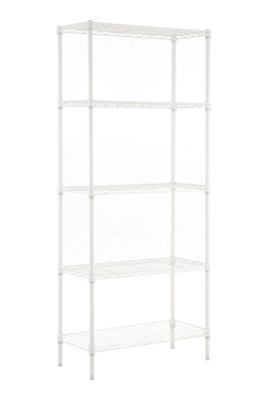
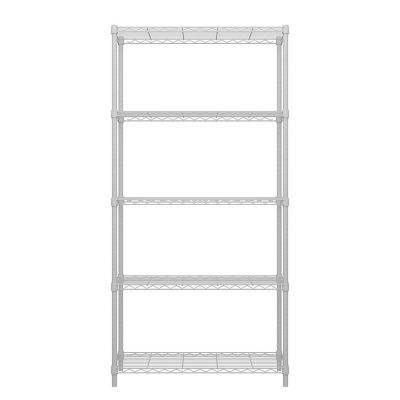
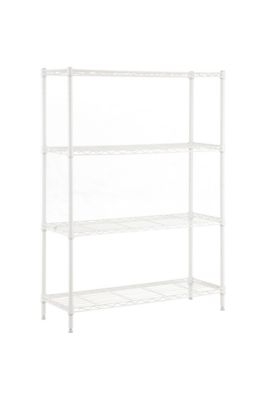
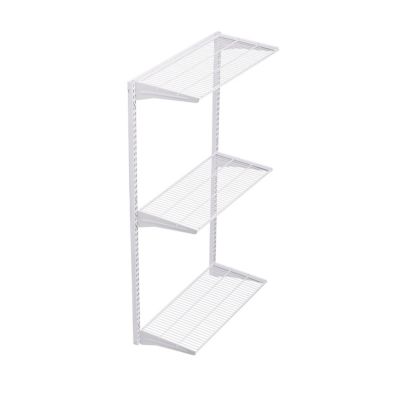
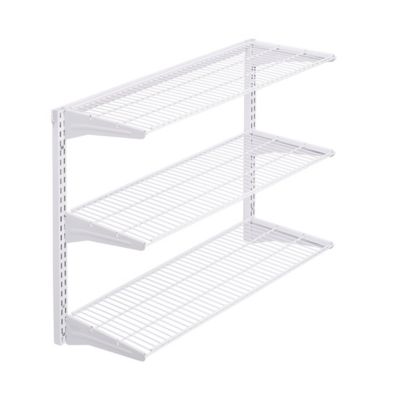
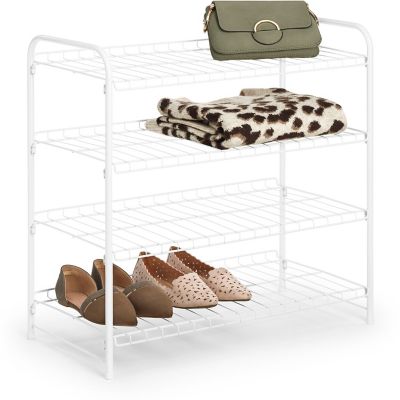
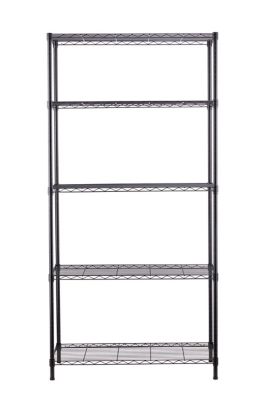
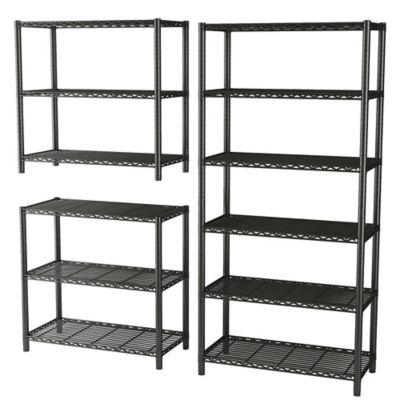
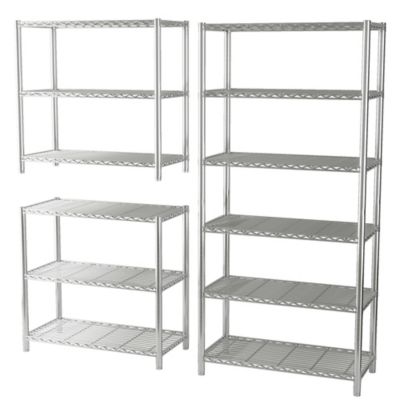
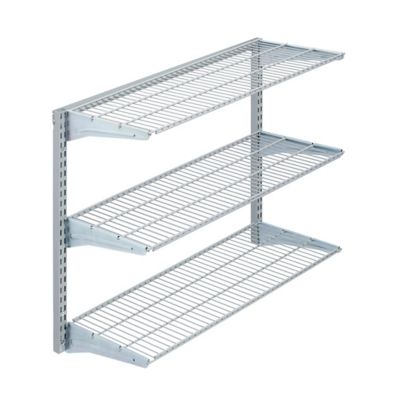
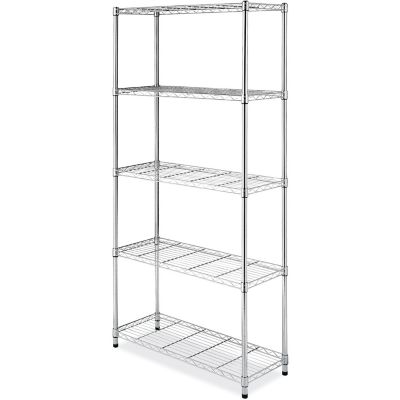
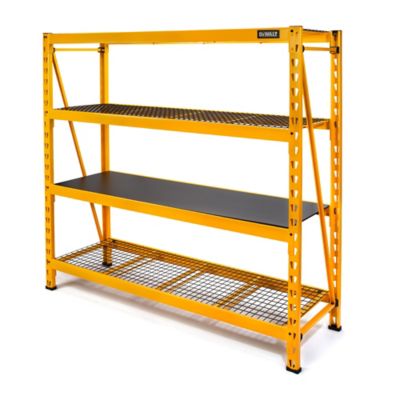
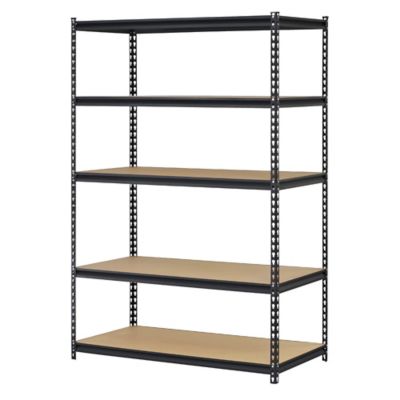
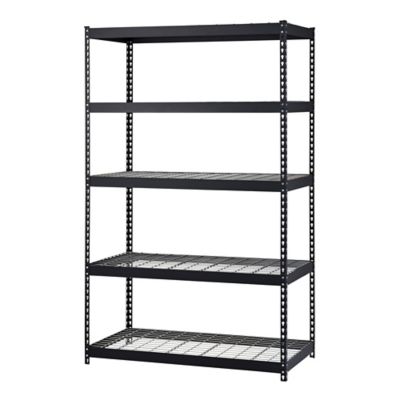
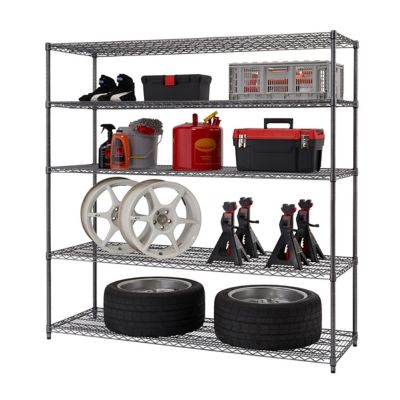
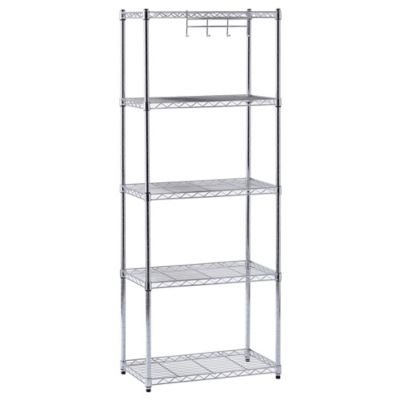
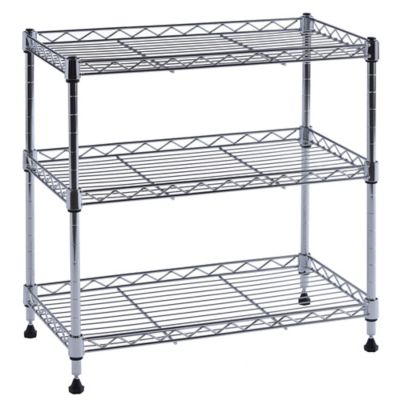
White wire shelving units are open storage systems commonly made from steel wire with a white protective coating. They bring shelf space to pantries, laundry rooms, closets, garages, and utility areas without the solid sides and closed-in feel of a cabinet. The open grid lets air circulate around stored belongings and makes it easier to see a basket of cleaning cloths or a container tucked toward the back. A white finish also fits easily alongside painted trim, light-colored cabinets, and laundry appliances, keeping a hardworking room looking tidy without drawing much attention to the shelving itself. Freestanding wire shelving stands on legs or posts and can work well where wall space is limited or where the storage layout may change. Wall-mounted shelving attaches through brackets, tracks, or other supports, leaving the floor beneath open for baskets, hampers, or easier sweeping. Some designs have adjustable shelf heights, giving tall detergent bottles a little more headroom while keeping folded towels within reach. That flexibility comes in handy in a farmhouse pantry holding everything from cereal boxes to large mixing bowls, or in a utility room shared by laundry supplies and household tools. The best fit depends on more than the empty stretch of wall. Overall width, depth, and height all matter, along with baseboards, door swings, nearby outlets, and room to walk past comfortably. A narrow unit may fit beside a washer, while a deeper freestanding rack may suit a garage wall with more floor space. Deep shelves hold larger containers, but they can make smaller belongings harder to reach at the back. For everyday household storage, shelves that keep frequently needed supplies visible and reachable often make better use of a room than a taller or deeper setup that crowds the space. A clear view of shelf contents is especially helpful in shared spaces, where several people need to find supplies and put them back in the same spot.
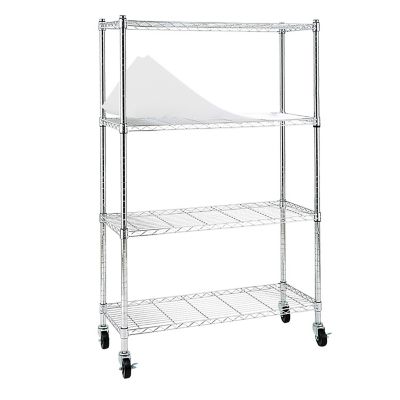
Construction and load ratings help determine where a white wire shelving unit belongs and what it can safely hold. Steel wire provides support with less visual weight than solid shelving, but wire thickness, frame design, shelf span, and connection points all affect strength. The white surface may be a powder-coated, epoxy-coated, or another coated finish, depending on the design. These coatings create a barrier between the metal and everyday moisture or spills, though their resistance to scratches and corrosion varies. A finish should match the intended setting rather than simply the room’s color scheme. Shelving intended for indoor household storage may not suit a wash area with frequent splashing or a workspace exposed to harsh cleaning chemicals. Weight capacity deserves the same attention. A per-shelf rating is different from the total rating for the unit, and both may depend on an evenly distributed load. A row of filled pantry containers places a different demand on shelving than a few folded blankets, especially when several heavy containers sit together in the middle. Keeping heavier belongings low can help with balance and make lifting less awkward. For freestanding designs, level feet and secure shelf connections matter, and any required wall restraint should be installed according to the manufacturer’s directions. Rolling designs offer another kind of flexibility, but casters can change the load rating, and locking wheels do not replace a level, suitable floor. Wall-mounted systems depend on the wall structure, bracket spacing, fasteners, and installation method as well as the shelf itself. Attachment to framing or another approved mounting surface is important wherever the instructions require it. Adjustable shelves are handy for changing storage needs, though adjustment methods vary: some move along posts, while others reposition on wall tracks. Shelf count, spacing, and access are worth considering together, since tightly stacked shelves may hold plenty of small containers but leave no room for a tall bucket or an upright cleaning bottle.
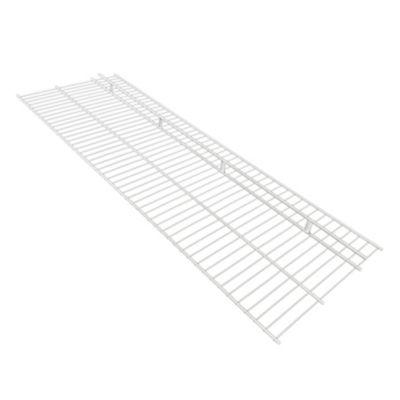
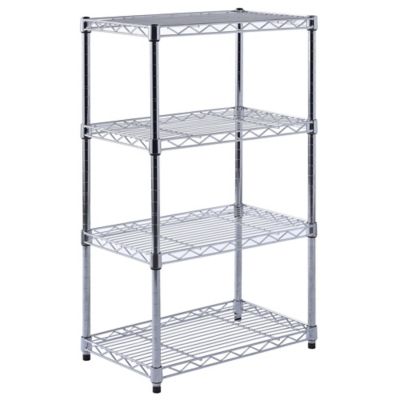
The wire pattern matters just as much as the overall size when matching shelving to everyday belongings. Wide openings allow ventilation and visibility, but small bottles, narrow container feet, and loose packets may need a compatible shelf liner or a bin to stay steady. A liner can create a flatter resting surface, though it should fit the shelf properly, remain within the manufacturer’s recommendations, and never be treated as extra structural support. Baskets can keep washcloths together in the laundry room, while shallow bins make packets and baking supplies easier to pull forward in a pantry. In a closet, folded jeans and sweaters benefit from a smooth supporting surface that keeps fabric from catching on exposed edges. In a garage or farm office, labeled containers help separate gloves, tape, and small household supplies without leaving everything loose across the wire. Clean, dry pet supply containers can also have a place on suitable shelving, with heavier food containers kept low and cleaning chemicals stored separately from food and feed. White shelving makes dust, drips, and scuffs easier to notice, which can be helpful in spaces that need regular attention. Routine care generally means wiping with a soft cloth and a mild cleaner approved for the finish, then drying the surface. Abrasive pads and harsh chemicals can damage some coatings, and any chipped area deserves attention according to the manufacturer’s care guidance. Open wire construction still collects dust, especially around wire intersections and shelf edges, so clear access for wiping and sweeping is useful. For a different finish in the same open-grid style,
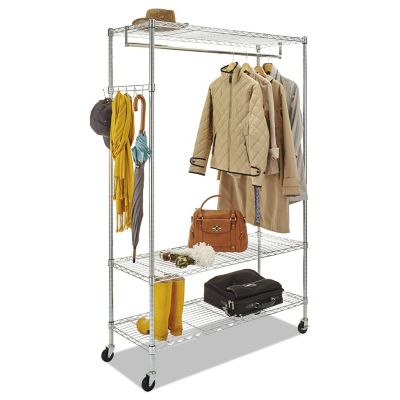
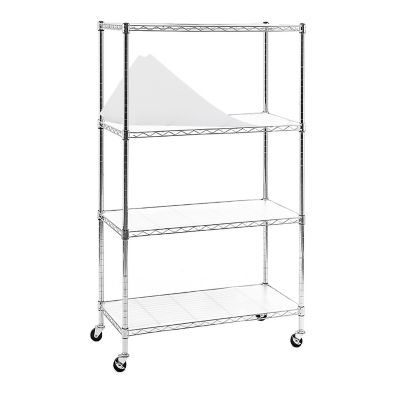
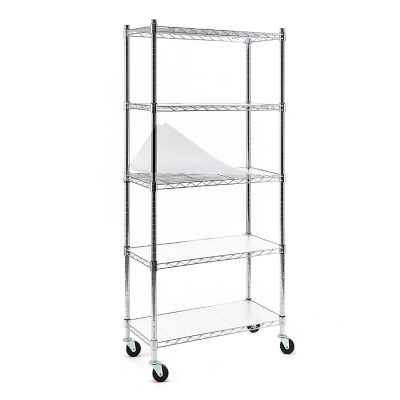
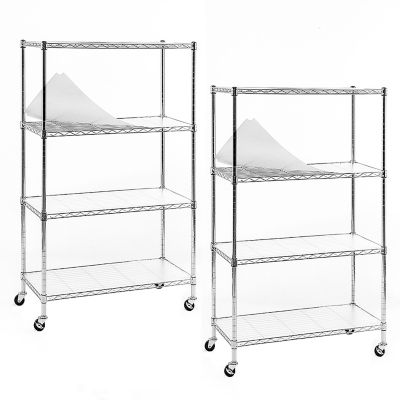
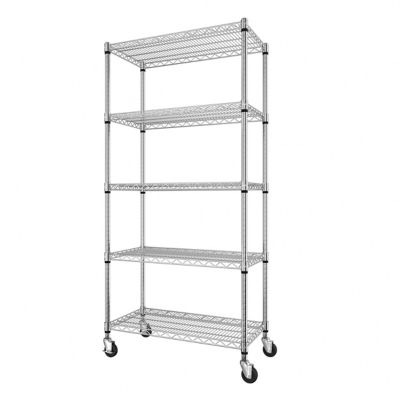
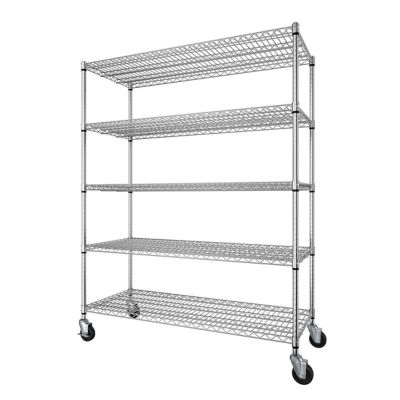
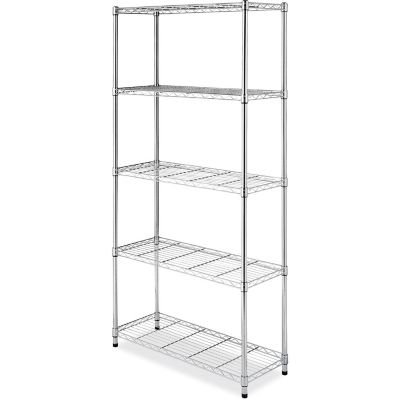
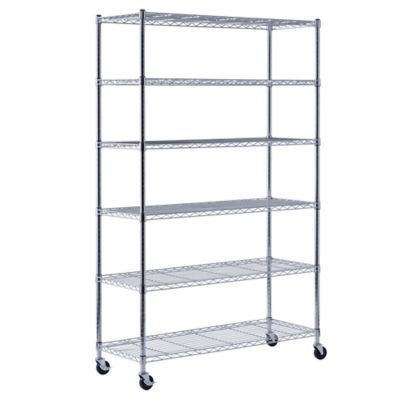
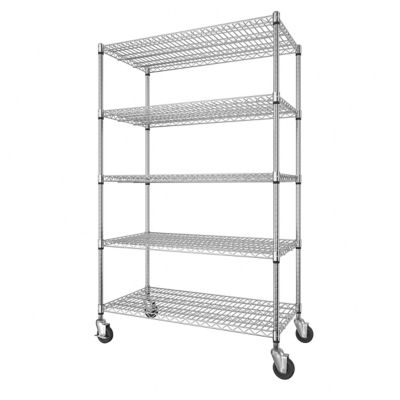
Chrome Wire Shelving Units offer another look to consider alongside white-coated shelving. The right choice comes down to the room, the expected load, and how the shelves will function day after day. With sensible spacing, suitable support, and a layout that leaves room to move, white wire shelving can turn a crowded corner into practical storage that is easy for the whole household to navigate.