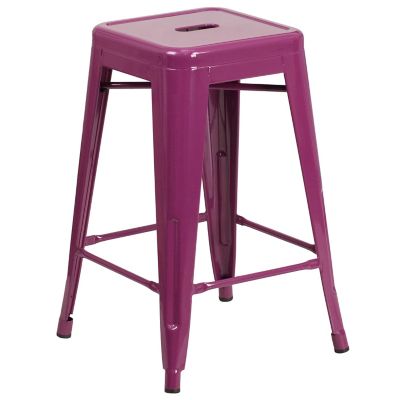
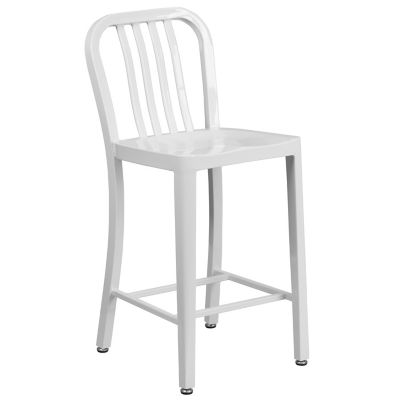
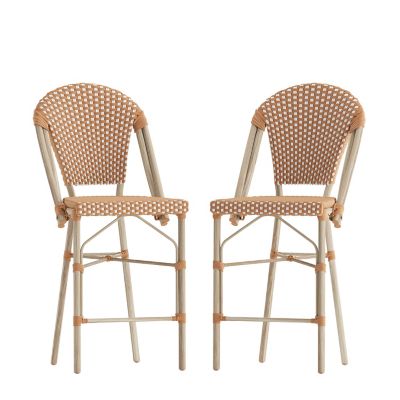
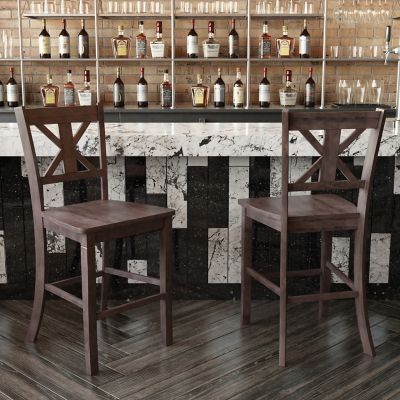
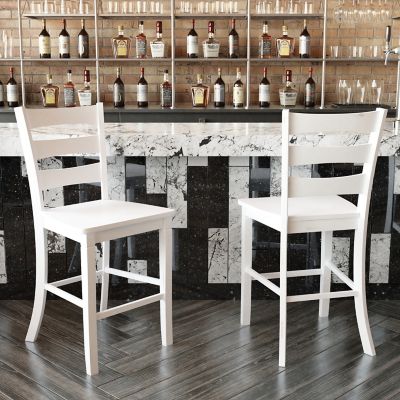
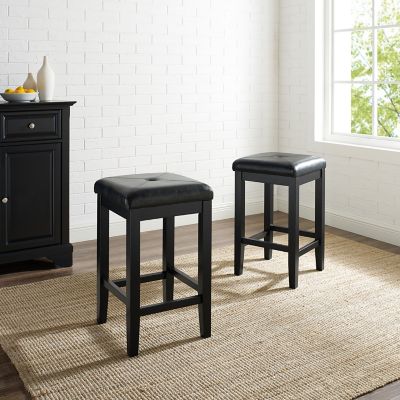
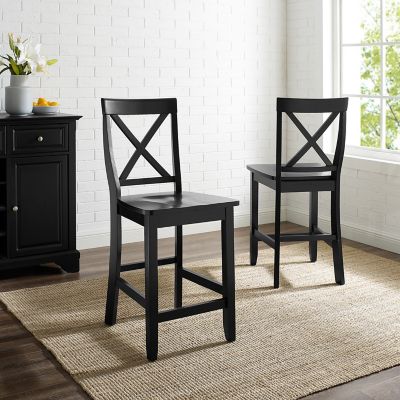
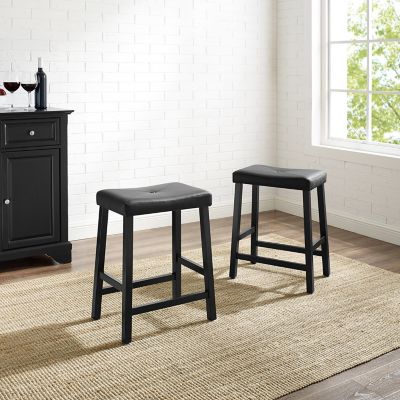
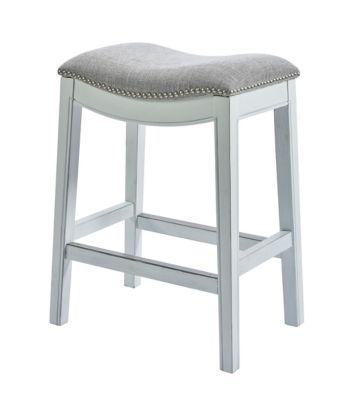
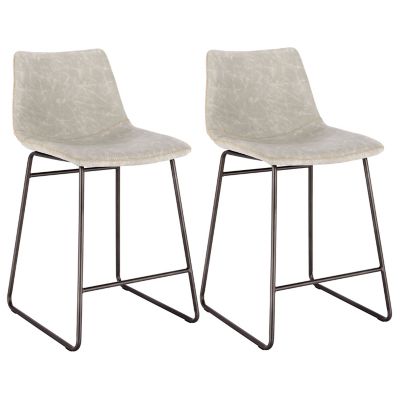
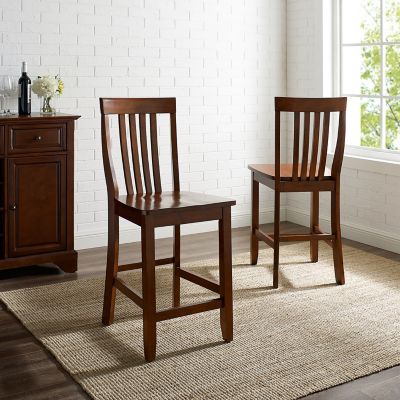
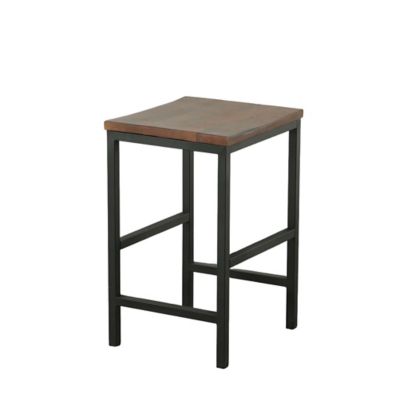
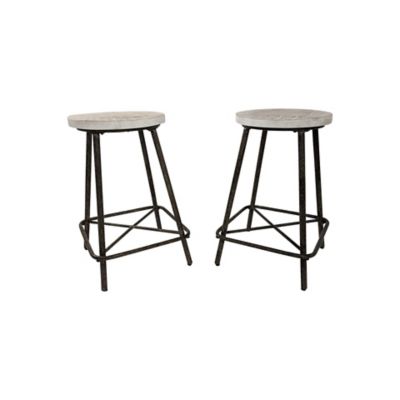
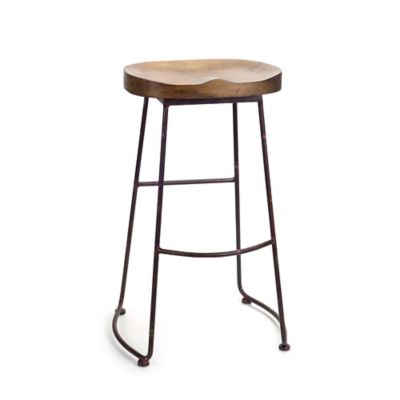
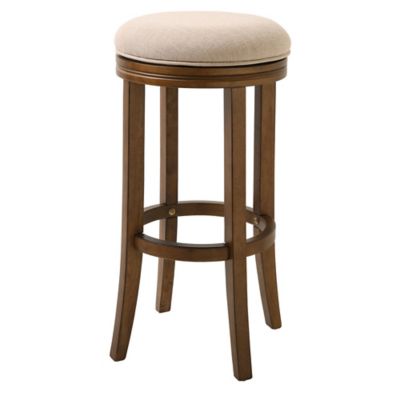
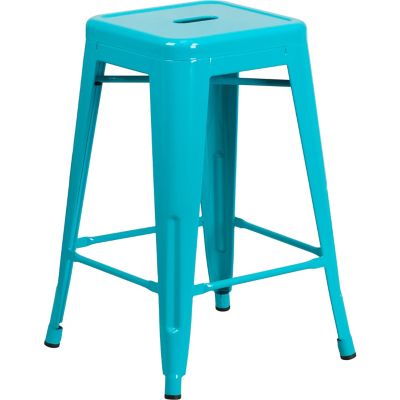
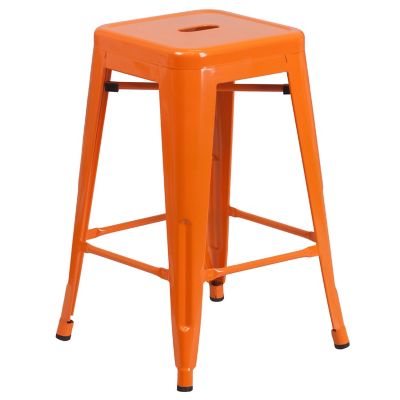
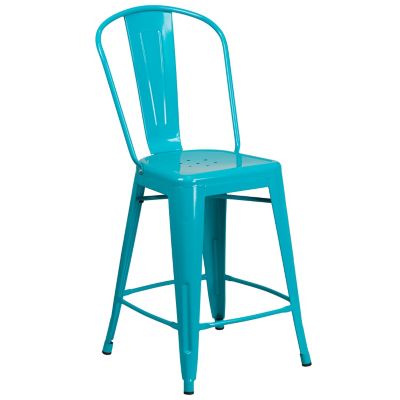
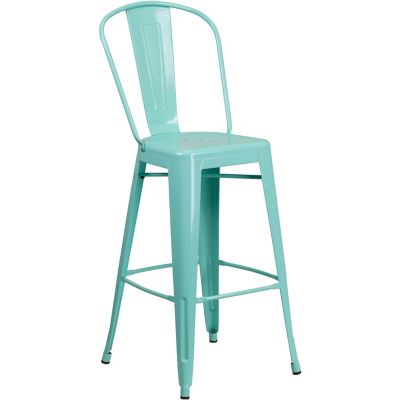
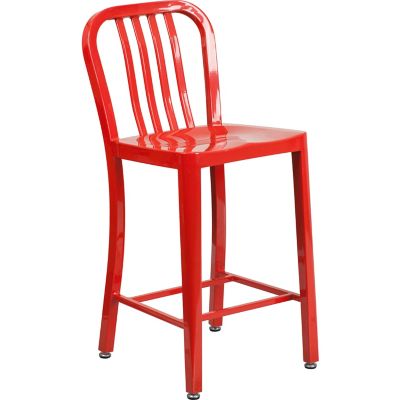
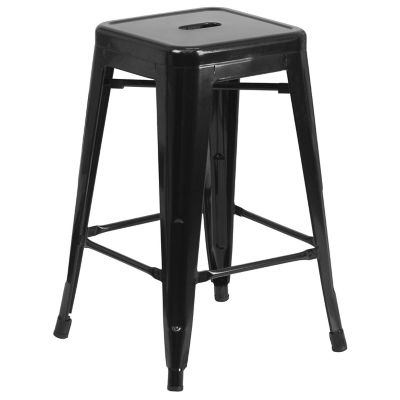
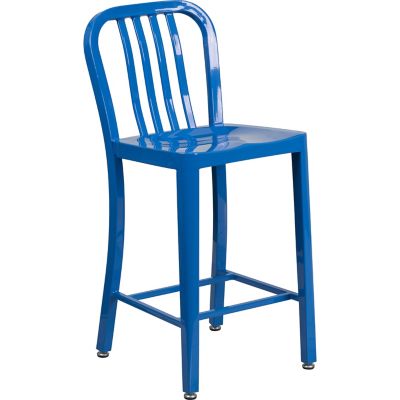
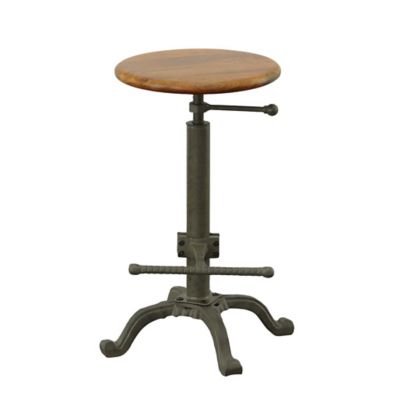
Kitchen island counter height stools bring everyday seating to the spot where breakfast gets served, groceries get sorted, and folks tend to gather before supper. These stools typically have seats about 24 to 27 inches above the floor and fit many kitchen counters and islands measuring roughly 34 to 37 inches high. The right pairing leaves about 10 to 12 inches between the top of the seat and the countertop, with enough open space beneath any apron, drawer, or support rail for comfortable legroom. For a standard 36-inch island, a seat around 24 to 26 inches high is a common fit. Counter height and bar height are different, so the seat measurement matters more than the name alone; a taller bar stool can leave knees crowded beneath a kitchen counter. Seat cushions also affect sitting height, especially when thick padding compresses under weight. Along the island, allowing roughly 24 to 30 inches of counter length per person gives most adults room to eat without bumping elbows, though wider seats, arms, and swivel movement may call for more space. The footprint matters just as much as the seat width. Splayed legs can reach farther than expected, and a stool that tucks beneath the counter helps keep a busy walkway clear. In a kitchen where someone is carrying a full laundry basket past the island or opening a nearby dishwasher, that clearance makes a real difference. Backless stools keep sightlines open and slide neatly beneath a generous overhang, while stools with backs offer support for a longer meal or an evening spent helping with homework. Armrests provide another place to settle in, provided they clear the underside of the counter. A footrest gives feet a place to land rather than leaving legs dangling. Together, these measurements and features help island seating feel like part of the kitchen instead of something everyone has to squeeze around.
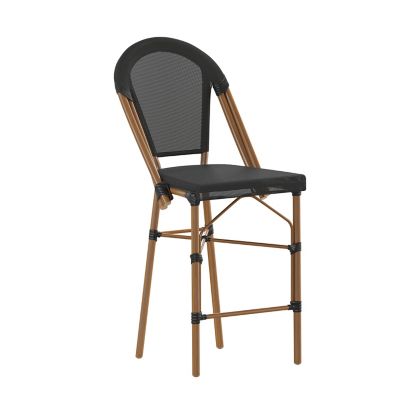
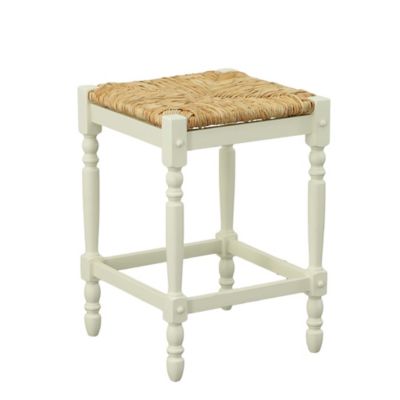
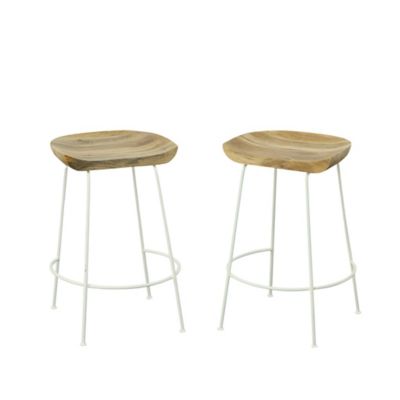
Materials shape both the look of kitchen island stools and how they hold up to daily meals, moving feet, and the occasional spilled drink. Wood brings visible grain and a familiar, homey feel, whether the kitchen leans toward painted cabinets, open shelving, or a big farmhouse sink. Different woods and finishes respond differently to scratches and moisture, so a sealed surface and sound joinery matter more than appearance alone. Painted wood can add contrast, while a clear or stained finish keeps the grain in view. Metal frames offer a different look, from slim legs that leave the room feeling open to broader frames with a more substantial stance. Welded joints, secure fasteners, and protective finishes all play a part in how a stool stands up to regular use. Upholstered seats add cushioning for lingering over coffee or sorting through a stack of mail, while unpadded wood or metal seats have fewer fabric surfaces to catch crumbs. Woven seats bring texture but may need closer attention where food settles between strands. Care depends on the material: spills generally deserve prompt attention, and the maker’s cleaning directions help prevent damage from harsh cleaners or too much water. A soft cloth can handle many routine wipe-downs, while fabric may call for spot cleaning with an approved cleaner. Standing water can damage some wood finishes, and abrasive pads can scratch painted or coated surfaces. Beneath the seat, stretchers and footrests take plenty of contact from shoes, making their attachment worth a close look. Published weight limits also matter, along with a frame that sits evenly without rocking. Floor glides or suitable felt pads can help limit scuffs on hard flooring, though they need occasional checking as grit collects or pads wear down. Stools with assembly hardware benefit from periodic checks for loose connections, especially when they move in and out from the island every day.
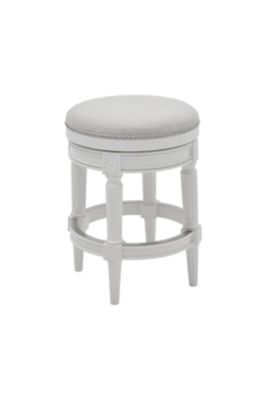
Style works best when it supports the way the kitchen actually runs. A pair of simple backless stools can suit a smaller island where seating is mostly for a quick sandwich or a chat with the cook. Seats with shaped backs and a comfortable footrest make more sense for a counter that doubles as the main breakfast table or a place to tackle paperwork. Swivel seats make turning toward the room easier, but they need clearance so backs and arms do not knock against the counter edge or nearby cabinets. A stationary stool keeps the arrangement simpler, and a broad, steady base can feel reassuring during everyday sitting and standing. For households with children, easy-to-clean surfaces and seating that fits their needs deserve attention; tall stools are not a substitute for an age-appropriate seat, and footrests are not steps for climbing. Color can tie the seating into the rest of the room without making every finish match.
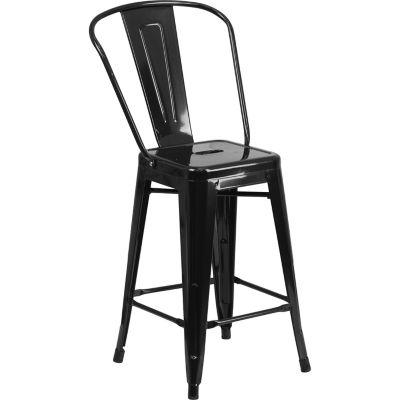
Black Kitchen Counter Stools can pick up the dark tones of cabinet pulls, pendant lights, or a faucet, while standing out against lighter cabinets and wood counters. Natural wood tones can soften a room with plenty of metal, and upholstered seats can echo nearby dining chairs without repeating the whole design. Seat shape matters here, too: a gently contoured surface feels different from a flat seat, and a narrow back leaves a different impression than a broad, solid panel. The most comfortable arrangement leaves room for both people and the ordinary business of the house, from setting down a mixing bowl to carrying plates toward the table. With the right height, practical materials, and room to move, counter height stools turn the island into an easy place to pull up a seat, share a meal, or keep someone company while supper comes together.