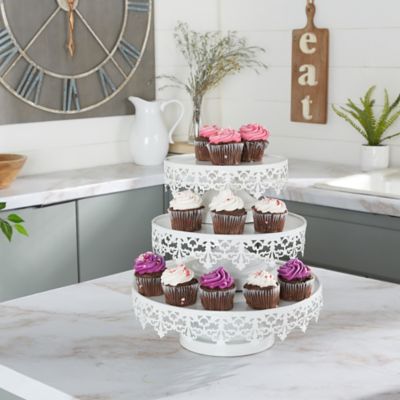
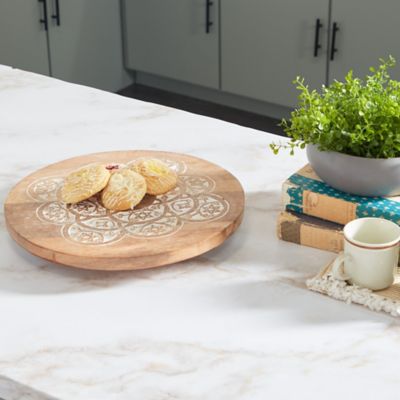
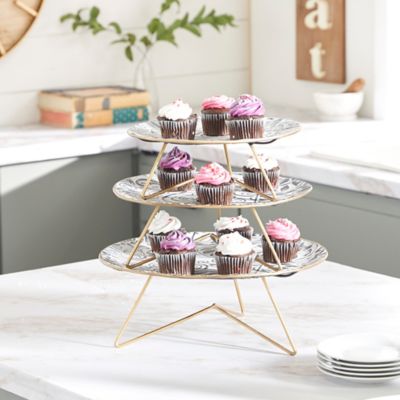
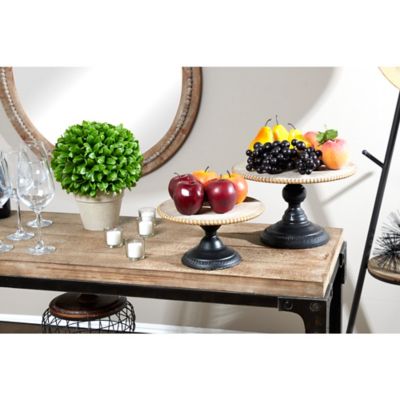
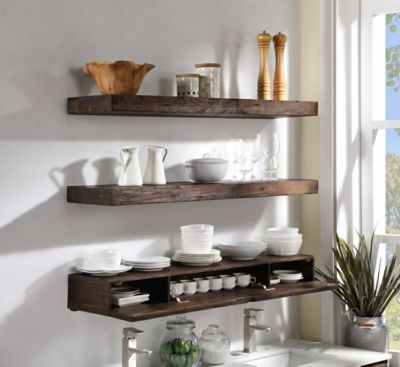
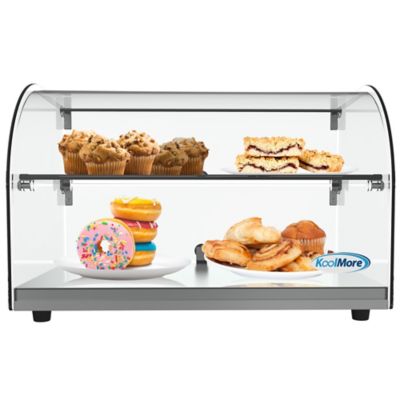
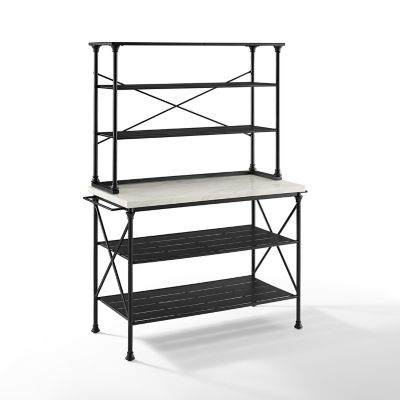
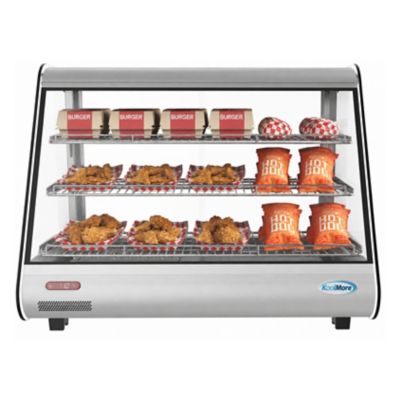
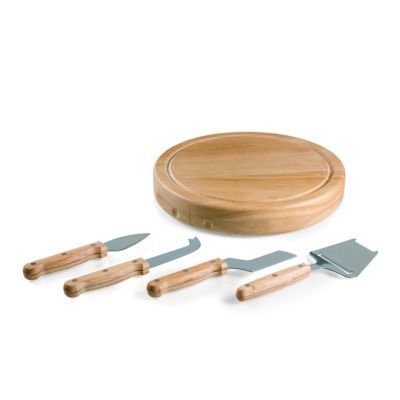
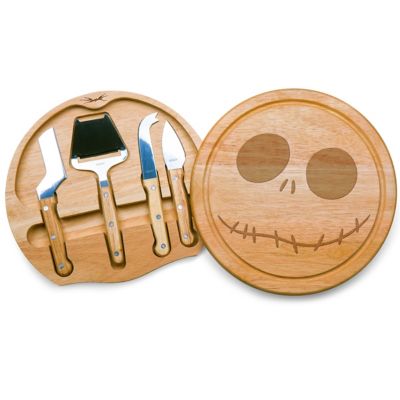
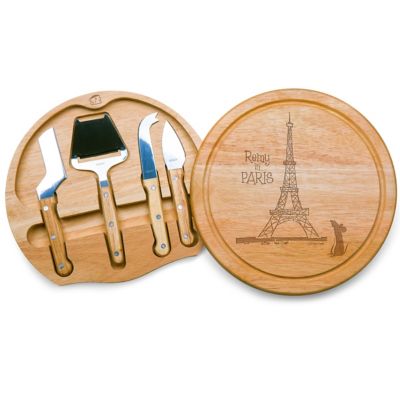
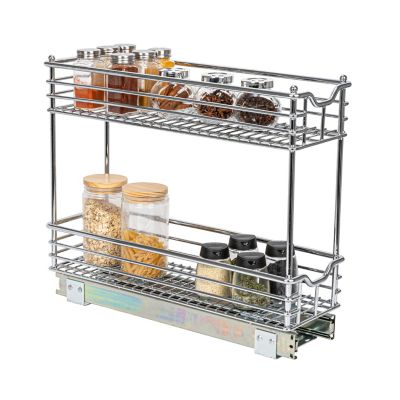
Kitchen displays bring a little order and personality to the room where coffee gets poured, lunches get packed and folks tend to gather. They give favorite dishes, serving pieces and everyday essentials a place that feels intentional without making a hardworking kitchen feel off-limits. An open shelf near the breakfast table can keep a stack of bowls within easy reach, while a raised countertop arrangement can give smaller pieces breathing room without spreading them across the whole work surface. The best fit depends on what the space needs to hold and how the household moves through it. A busy cooking area calls for clear preparation space, easy access to cabinet doors and enough elbow room around the sink. A breakfast nook or stretch of wall away from the stove offers more freedom for pieces meant mainly to be seen. Kitchen displays can lean toward a simple farmhouse look, with warm wood and dark metal, or sit comfortably alongside painted cabinets, smooth stone and lighter finishes. Repeating a finish or color already in the room helps everything feel connected, even when the dishes themselves have been collected over many years. There’s room for a chipped family heirloom that stays out of food service, a favorite serving piece brought out for company or a neat arrangement of everyday mugs. Leaving a little open space between objects keeps their shapes visible and makes routine cleaning less of a chore. In a smaller kitchen, a narrow footprint and some added height can make better use of a corner than a wide arrangement that crowds the counter. In a larger room, a display with enough presence to suit a long wall or broad worktop can help the space feel settled rather than scattered. Either way, a kitchen display earns its place when it looks right for the room and leaves plenty of room for the work that happens there.
Materials and construction make a real difference in how a kitchen display handles daily life. Wood brings visible grain and a warm look that pairs naturally with painted cabinetry, woven textures and ceramic dishes. Its finish matters around splashes, cooking residue and the occasional spill; sealed surfaces generally call for different care than unfinished wood, and prolonged contact with water can leave marks or affect the surface. Metal offers a different character, from slim frames that keep a small area feeling open to heavier shapes that give an arrangement more visual weight. Protective finishes can help limit surface wear, though scratches and standing moisture still deserve attention according to the maker’s care directions. Glass adds lightness and makes it easier to see what’s on each level, but exposed edges, fingerprints and breakage matter in a home with small children or a lively kitchen routine. Ceramic and other glazed surfaces can add color and texture, with care depending on the finish and whether the piece is intended for contact with food. A surface meant for display isn’t automatically suitable for holding unpackaged bread, fruit or other food directly. Across materials, steady footing, smooth edges and sound connections matter more than appearance alone. A display holding heavy dishes needs a stated weight capacity suited to that load, with larger pieces positioned so the arrangement stays balanced. Wall-mounted designs also depend on the wall itself and the mounting method specified for the piece; drywall, masonry and wood framing don’t all take the same fasteners. Fit includes more than width and height, too. Depth affects how far something projects into a walkway, while shelf spacing determines whether a tall pitcher can stand upright without a squeeze. Clearance beneath cabinets, around electrical outlets and beside appliances helps a display settle into the room without getting in the way of daily tasks. Keeping displays clear of burners, appliance vents and frequent splashes can also reduce unnecessary exposure to heat, grease and moisture. Those details help a display stay useful and keep its appearance through repeated wiping, rearranging and everyday handling.
The most natural-looking kitchen displays reflect the people who spend time around them. Someone who bakes often may appreciate an arrangement that keeps favorite mixing and serving pieces close at hand, while a household that gathers over coffee may give more space to cups and a few familiar keepsakes. An eating area can carry a more relaxed arrangement than the counter beside the cutting board, where a clear surface matters at every meal. Mixing heights adds interest, but practical access still counts: a dish that comes down every morning belongs somewhere easier to reach than a piece brought out only for company. Heavier objects tend to feel more settled lower down, and smaller pieces are easier to notice when they aren’t hidden behind taller shapes. A little variation in texture can bring warmth without making the kitchen feel busy, especially when wood grain, glazed surfaces and metal finishes share a simple color palette. Coordinating those finishes with
Kitchen Hardware can help tie an open display to the cabinets and drawers around it without requiring every detail to match. Easy upkeep is part of that pulled-together look. Open arrangements collect cooking residue and dust, so reachable surfaces and enough room to wipe around each piece make a difference. Care labels remain the best reference for cleaning methods, particularly on painted finishes, natural wood and surfaces that may scratch. For someone settling into a first home, refreshing a family kitchen or making room for inherited dishes, a display can also make a thoughtful housewarming or wedding gift when the recipient’s space and taste are familiar. A compact arrangement suits a kitchen with little counter space, while a larger wall area may suit a broader display. The result doesn’t need to look formal. A few well-placed pieces, room to move and materials that suit the household can give the kitchen a welcoming look that holds up to real life.